

10 Ways To Upgrade Store-Bought Yogurt

Yogurt is one of the oldest and most versatile foods in human history. And that's not an exaggeration. It was accidentally discovered by nomads thousands of years ago and led to a culinary revolution. Somewhere around 65% of humans are lactose intolerant, but when milk begins to sour, bacteria grows. That bacteria helps curdle the milk, making it thicker, while converting some of the lactose into lactic acid. With a lower lactose content, more people can consume yogurt, even if they have an intolerance to milk. You'll see dozens of kinds of yogurt on supermarket shelves, many of them advertising live cultures for gut health and high protein content. Believe it or not, Greek yogurt has around double the protein of regular yogurt, and both varieties contain probiotics.
Even though yogurt has been around for so long, it didn't reach the United States until the 1940s, and it didn't explode in popularity until the 1970s, after Dannon brought it to the American consciousness with a commercial claiming it helped people live to over 100 years old. But what do you do if you want to enjoy yogurt more often without feeling bored eating tub after tub? Well, here are 10 ways to use store-bought yogurt you might not have tried before.
Make your own lower-calorie snacks

Often bought in individual portions, yogurt seems made for snacking. But if you want more from the stuff than a drizzle of honey or a handful of granola can provide, a store-bought container of the tangy ingredient can be used to make a variety of lower-calorie snacks, such as frozen yogurt bites or homemade yogurt fruit leather. You can even make a freezer cookie with any thick yogurt variety you'd like. Just spread rounds of yogurt on parchment paper and sprinkle with berries, fruit, nuts, or chocolate. You can store them in an airtight container in the freezer for months, but they probably won't last that long.
If you run into problems with your yogurt freezing with large ice crystals instead of being smooth, adding a thickener like cornstarch can help hold the ingredients' water, sugar, and fats together, keeping it creamy. You can also combine the frozen yogurt with a little cream to smooth it out. While you perfect your recipe, why not try different topping combinations, such as candied orange peel and chili powder, or chocolate shavings and honey? With yogurt's neutral base, you can incorporate almost anything you want.
Turn it into a quick pasta sauce

Cream might be the standard; however, yogurt works well as a tangy but otherwise neutral base for sauces. If you're looking for a quick way to make a flavorful, higher-protein Alfredo or other pasta sauce, yogurt is a great place to start. If you prefer pesto or tomato-based sauces, a dollop of yogurt can be stirred in to add creaminess.
Don't skimp on the spices, either. Spiced and herbed yogurt sauces are quick and easy to make, on top of being completely customizable to your taste and the dish. For example, garlic complements the thick, tanginess of yogurt with its sharp flavor. The Turkish pasta, kiymali garavolli, melds garlicky yogurt with browned meat and chewy pasta to make a hearty, filling, and tasty meal.
Create lower-sugar puddings

Yogurt is pretty pudding-like already. The consistency is similar, and so is the mouthfeel. But to take your store-bought yogurt into full dessert territory, try it in homemade chocolate or banana puddings, as well as using frozen fruit to sweeten and thicken the ingredient further. Sweetened yogurt can be eaten on its own or paired with chopped nuts and cookies. Parfaits are another delicious way to use yogurt and fruit to make a light dessert. You can even stir some of the yogurt into the filling for a fruit cobbler to add creaminess and zing.
To turn store-bought yogurt into something decadent yet relatively healthy, use this three-ingredient approach to banana pudding that adds granola to the treat. Or stir in a tablespoon of zero-sugar pudding mix to add fun flavors like cheesecake or chocolate. However you decide to use yogurt in a dessert, remember to be gentle if using heat to avoid it separating.
Transform it into cheese

Yogurt is cultured the same way many cheeses are. Milk is cooked and fermented after friendly bacteria are introduced to thicken the mixture and provide acidity. The process is stopped earlier in yogurt, leaving it with a high water content. But draining it for a few hours, or a few days, gets rid of extra moisture, firming up the stuff. This turns the thickened yogurt into a spreadable, slightly acidic, and decidedly tasty DIY "yogurt cheese." Labneh is an example of this.
For the best results, if you want to make labneh at home, simply add a bit of salt to the full-fat yogurt and place it in a bowl that's been lined with cheesecloth. Put it all in the fridge for around 48 hours, and you'll have a luscious yogurt-based creamy spread to use in just about anything you'd use regular cream cheese for. You can even go a step further and replace garlic aioli with a spiced version of labneh on burgers or sandwiches.
Mix it into a drink

Drinking yogurt might seem like a novel way to introduce more of the calcium-rich stuff into your diet, but the practice goes back thousands of years. Nomads in the Caucasus mountains stumbled across a drinkable, fermented yogurt drink they called kefir, which comes from a Turkish word meaning "feeling good." The clumped strains of bacteria responsible for the yogurt's fermentation came to be known as kefir grains and were carefully guarded against outsiders for hundreds of years. It wasn't until 1908 that the first commercially produced batch of kefir was made, but it didn't take long for the drink to become a part of daily life in Russia.
But kefir isn't the only yogurt-based drink, and store-bought yogurt can spruce up a variety of beverages. For instance, in Vietnam, yogurt is stirred into coffee alongside sweetened condensed milk for a tangy and sweet way to caffeinate. Yogurt, particularly Greek yogurt, is a great way to add protein, flavor, and a creamy texture to smoothies. Lassies from India can be sweet or salty, but both versions are made with a combination of yogurt and milk or water. Sweet lassies often use mango purees, while salted lassies keep it simple, using thin yogurt, milk, and a bit of salt frothed together until foamy. Try blending either drink with ice for a cold, satisfying treat.
Make it the base of a refreshing soup
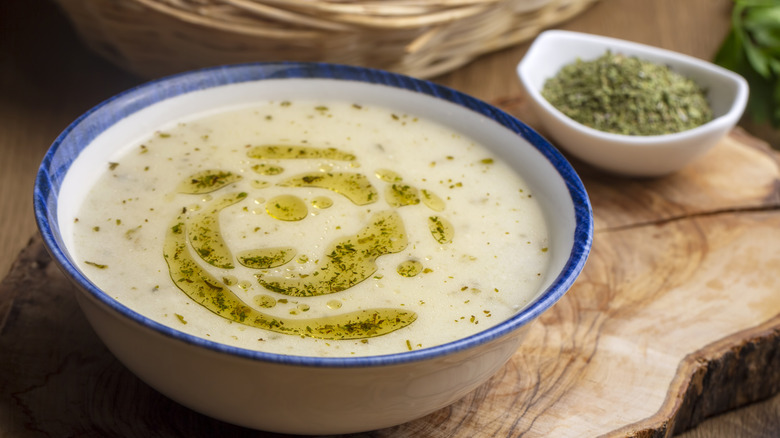
Just like sour cream, you can always give soups and stews a flavor boost with yogurt. However, using yogurt itself as the base makes a world of difference in texture and taste. Often found in Middle Eastern and Southern European cuisines, yogurt-based soups are a refreshing way to cool down after a hot day or a filling way to end a cold one. They're also incredibly versatile. Yogurt can be combined with any number of vegetables or herbs to create custom soups that can be served warm, chilled, or somewhere in between.
It may be helpful to think of the yogurt base as a blank canvas. You can roast vegetables and dice or grind them before stirring them into yogurt that has been thinned with milk, broth, water, or citrus juice. Spices add more dimensions to these personalized dishes, as do fresh or dried herbs. For something a little different, try frying some parsley, basil, mint, or other herbs before topping your new favorite soup with them.
Cook eggs with it

A bit of sour cream added to scrambled eggs makes the dish creamy and tangy. Swapping yogurt in for the sour cream helps up the protein of already protein-rich eggs, while keeping the same creamy, tangy aspects. But yogurt shouldn't be limited to just one application for the equally versatile egg. Instead, use yogurt in baked eggs or bake your eggs in yogurt directly. Just be sure not to have the heat too high, as the yogurt can break down, separate, and curdle if heated too much.
Also, if you're using Greek yogurt, be aware that it has higher acidity than other kinds. That extra acid can react with your aluminum cookware, allowing metal to leech into your food. Oddly enough, adding a little more acid, in the form of lemon juice, can make Greek yogurt a closer match to sour cream by incorporating richness and even more tanginess.
Layer it between cake layers
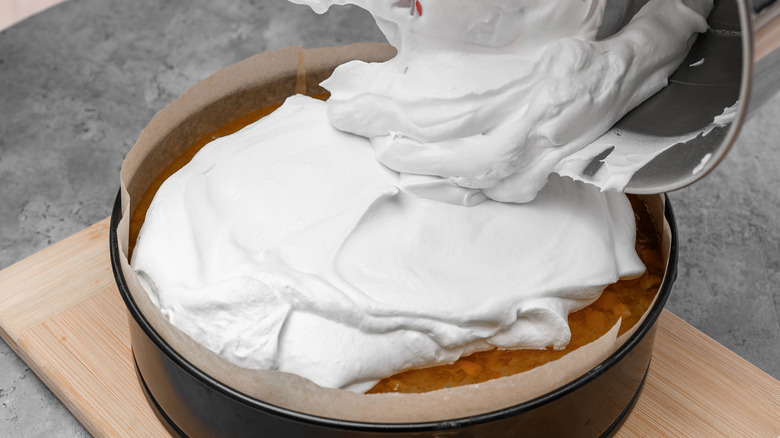
Using yogurt in desserts adds flavor, moisture, and fat to the recipe. But all that tasty goodness doesn't need to be contained to batters. Whipping yogurt with cream makes the yogurt lighter and creamier, while adding yogurt to whipped cream makes the topping tangier while preserving its airy texture. Either fusion of taste and texture adds unexpected dimensions to cakes when used between layers or as a frosting.
The difference between the two dishes might seem small, but there is a world of difference. Whipped yogurt uses more yogurt than cream, meaning it has more of a zing and a thicker texture, even after air is incorporated. This application is great for putting in parfaits, between cake layers, or using on toast. Yogurt whipped cream, on the other hand, uses more heavy cream than yogurt, allowing the mixture to be beaten to an airy, creamy, and tangy frosting. Using this in place of something like Cool Whip is an exciting way to add flavor to things like ice-box pies or sundaes.
Use it as a starter to make your own
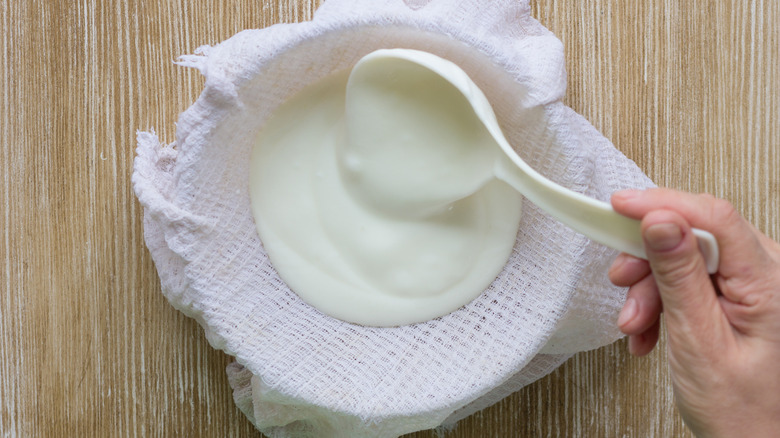
Store-bought yogurt is a great convenience product. You take off the plastic top, remove a foil seal, and dig in. But if you've ever been curious about making your own, using a store-bought variety with live cultures can start you on your way.
Yogurt is made when active bacterial cultures are introduced into milk. The bacteria convert the milk's lactose sugars into lactic acid. This process thickens the yogurt, and the acid adds tanginess. Straining the yogurt thickens it further, turning it into a sour spread for breads or marinades.
When making yogurt at home, using a store-bought variety with live bacteria as a starter is a great way to kick off success. Even if you've made a batch of yogurt that failed to thicken, adding the active store-bought yogurt can fix the problem. Just be sure you're fermenting it between 105 and 113 degrees Fahrenheit to be sure the cultures are working properly.
Infuse it with smoke

Smoked yogurt might sound like a new indie band, but in reality, it's an innovative way to infuse yogurt with an unexpected and delicious flavor. Thanks to yogurt's sheer versatility, you can add that smoky quality to soups, sauces, dips, and meats. In fact, the yogurt can tenderize meats and make them juicy, too.
Don't worry if you don't have a cocktail smoking gun or cloche. You can cold-smoke the yogurt on a grill if you have a perforated metal pan, a large, solid-bottomed heat-safe pan, and a few other common kitchen items. Cold-smoking the yogurt allows it to absorb flavors from the wood chips without melting or separating. You could also turn your gas stovetop into a smoker, provided you have good ventilation in the kitchen. This method uses foil, a pot with a well-fitting lid, a colander, and your choice of wood chips.