

12 Delicious Ingredients You Should Add To Baked Beans
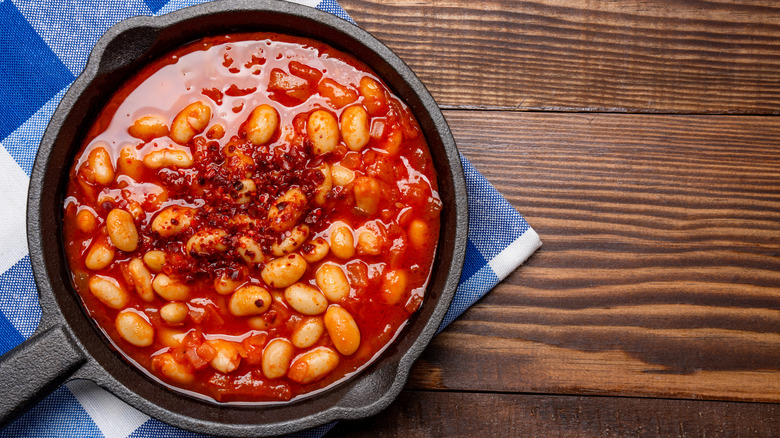
When it comes to edible Americana, baked beans are right up there with apple pie and tuna casserole. Up and down the East Coast and into the Midwest, you'll find different recipes and regional variations. Baked beans in New England are sweet and salty, loaded with molasses and salt pork; in the South, they're smoky and syrupy, thanks to a healthy dose of barbecue sauce; and in Texas, baked beans are as hot as a Dallas heat wave.
That's the beauty of baked beans. They're not bound by rules, borders, or even recipes. Sure, you want to follow the basics, like incorporating some combination of sweet, smoky, salty, and tangy flavors, but there's a lot of leniency here. You can go with honey or maple syrup, bacon or prosciutto, soy sauce or miso, tamarind or Worcestershire sauce. And despite their name, you don't even have to bake them! The canned varieties taste great after a quick simmer on the stovetop.
But just as different regions have their own unique additions, you, too, can put your own stamp on this classic comfort food staple. Whether you're starting from scratch or using a store-bought option, here are some delicious ingredients to add to your next batch of baked beans.
1. Kielbasa

Baked beans and meat go together like peanut butter and jelly, but there's no need to just stick to the basics. Sure, bacon is smoky, porky, and delicious and great in pretty much anything, and, yes, hot dogs are inexpensive and easy, but a good kielbasa is the whole package. Kielbasa, which literally means "sausage" in Polish, is just that: a smoked Polish sausage, typically made with pork and seasoned with garlic, marjoram, and black pepper.
The kielbasa is convenience food at its finest. Since most supermarket varieties are precooked, all you need to do is slice it into mouth-sized pieces and add it to your baked beans before they go in the oven. To develop the flavor even further, try throwing the sausages on the grill or giving them a hard sear in a cast-iron skillet before mixing them into the beans. The pairing can't be beat. The smokiness and seasonings of the kielbasa are an excellent foil for the sugar baked beans. To channel more of those Eastern European flavors, try adding some sauerkraut to the baking dish as everything cooks.
2. Gochujang
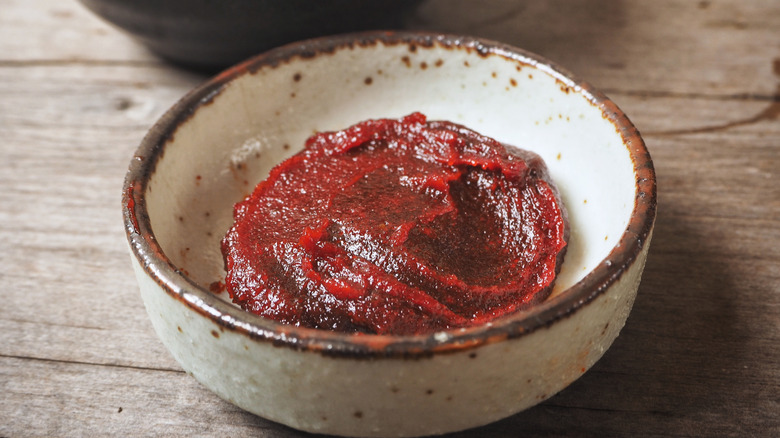
Many ingredients contribute sweetness and spice, but few manage to recreate the fruity funkiness of gochujang. This chile-laced mixture of fermented rice and soybeans is one of the cornerstones of Korean cuisine, lending a bold punch of heat and a faint sweetness to everything from grilled meats to cylindrical rice cakes.
Compared to other aged or fermented products, gochujang is easy to work with. It's not particularly overpowering and pairs well with sweet, savory, and umami-rich ingredients. It's primarily sold as a paste (although you can sometimes find it in a squeeze bottle) and dissolves relatively quickly in hot liquids, making it easy to stir into sauces, stews, or, in this case, a pot of baked beans. Here, the gochujang adds a stunning level of depth to baked beans, transforming a basic canned flavor to something that tastes thoughtful and complex.
This intensity serves as an excellent counterpoint in baked beans, especially recipes that rely heavily on sugary ingredients. But don't stop there: Gochujang can also be a playful yet sophisticated addition to a homemade meatloaf or Alfredo sauce.
3. Oyster sauce
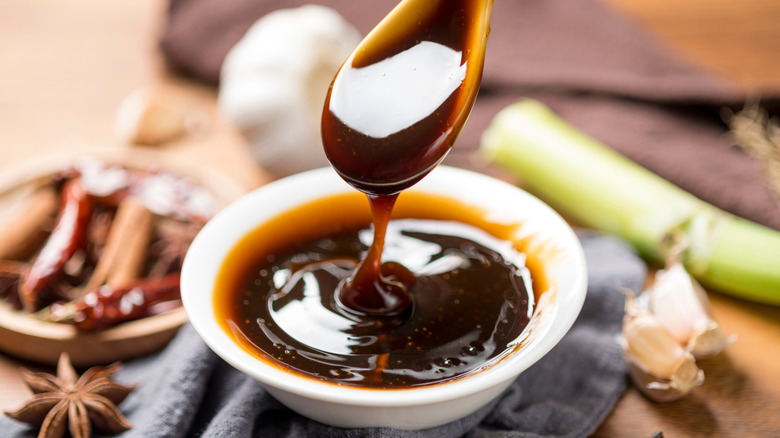
Despite its name, oyster sauce isn't all that fishy. This popular Chinese condiment is predominantly used to build flavor in stir-fries, lending a sweet and salty note with just a hint of mild briny flavor. Oyster sauce is made up primarily of three ingredients: soy sauce, sugar, and oyster extract, which is basically a concentrated broth made from the liquid of boiled oysters.
So, you're probably thinking: Why would this ingredient work in baked beans? The answer is balance. Here, you're getting a pop of sweetness with a long, umami finish that doesn't overpower a dish with seafood flavor. You may not even know it's in the final product, except for a lingering salty note that's hidden amidst the ketchup and brown sugar. Although oyster sauce melds in with other flavors, it's primarily a finishing condiment. For dishes that require a lot of time in the oven, like baked beans, oyster sauce should be added towards the end of cooking; otherwise it loses its umami punch. Given this, stir in a few tablespoons with only five to 10 minutes left of cook time to ensure its umami essence is preserved.
4. Miso
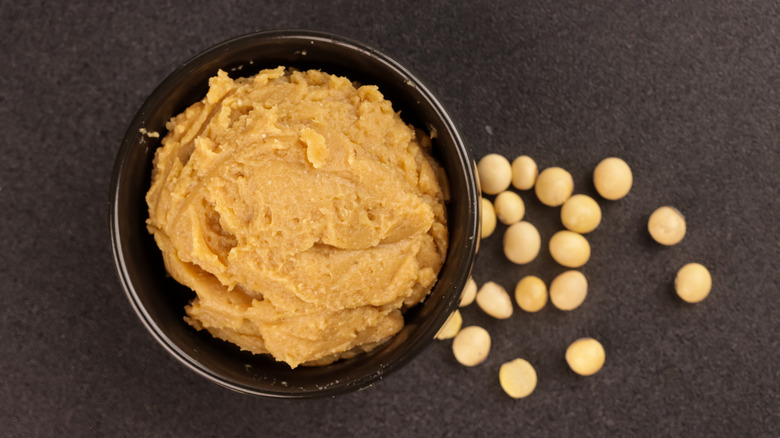
Miso has many applications — from rice pudding to soups and marinades — but it's most effective when used as a point of equilibrium, bringing sweet, salty, sour, bitter, and umami tastes into pleasant harmony. And that's what a few scoops of miso can do for your next batch of baked beans: Mellow out that potentially cloying combination of brown sugar, barbecue sauce, and molasses with a blast of savoriness.
If you haven't used much miso paste in the past, don't fret. Just add a tablespoon or 2 of hot water and make a pourable miso slurry before adding to baked beans. For most applications, like desserts, sauces, or soups, you'll want to use a light or blonde miso, which is often sweeter and lighter in flavor. But for baked beans, you may want to experiment with different varieties of miso paste. Red miso is aged longer — can be for months or years — resulting in a more intense, earthier profile that will completely reorient the flavor of your dish. Just remember to counterbalance any added salt or umami with something sugary, like maple syrup or jam.
5. Chipotle in adobo
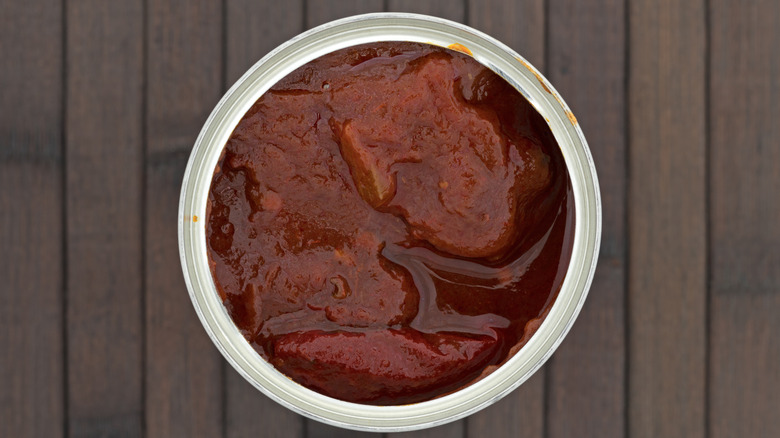
We're all used to eating chipotle-flavored foods: chips, mayonnaise, barbecue sauce. But cooking with chipotle peppers is a whole different story — with a happy ending.
Chipotles are smoked jalapeño peppers. They're punchy, hot, and full of luscious smoke that really coats the tongue. The adobo is more like a spicy tomato sauce that, when blended with the peppers, becomes a beautiful crimson puree that can be added to anything from stews to marinades to spicy birria tacos to an adult peanut butter and jelly and, of course, baked beans.
The foundation of a homemade baked beans recipe is pretty similar to your average barbecue sauce. There's brown sugar, molasses, mustard, vinegar, maybe some ketchup, but what's missing is the depth and heat to bring it all together. Chipotles can do all that and more, bringing a campfire-level of smoke that's noticeable but not at all unpleasant. To incorporate the chile peppers, you can dice them up or blend them into a smooth sauce. You can also ignore the peppers completely, and just use the adobo instead, a common move when making pozole or chipotle salsa.
6. Jerk seasoning
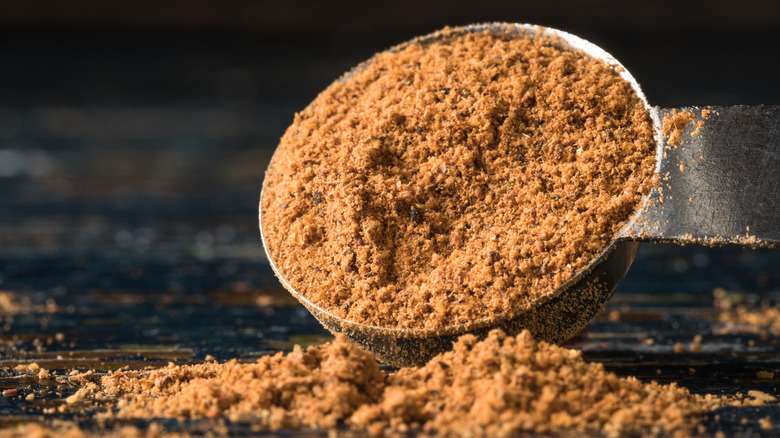
Jerk seasoning makes its presence felt at first bite. Typically found in Caribbean cuisine, this intense blend of cinnamon, nutmeg, allspice, cumin, cayenne pepper, and other warm spices brings complexity to whatever it touches. You mostly see it sprinkled over grilled chicken, fish, or jerk-rubbed spicy pork chops, but this potent combination of spices can also amp up your next batch of baked beans.
Baked beans, like many dishes centered around legumes, can suffer from a lack of oomph. Although soft, starchy, and sweet, baked beans don't always have the depth to make you want to keep eating. That's why they often accompany flavor-forward dishes, like barbecue ribs, pulled pork sandwiches, corn bread, and coleslaw. Jerk seasoning gives your baked beans that rich barbecue flavor and lingering heat without the need for bacon or burnt ends. It's potent stuff, but easy to incorporate. If you buy a premade jerk seasoning blend, just add a teaspoon or 2 to start and taste as you go to ensure your baked beans are perfectly balanced.
7. Peach preserves

Baked beans need a sweet component — it's what makes baked beans, baked beans, after all. Traditional recipes use brown sugar, molasses, or maple syrup. Others use barbecue sauce. But you can go a different route by using a classic Southern ingredient: peach preserves.
Not only does this product bring the sugar, but it also carries a mellow floral note that helps round out the dish. And, unlike raspberries, strawberries, or blueberries, which don't often appear in savory dishes, peaches have a long history of playing nice with meaty ingredients like pork chops, mahi-mahi, and cured meats, complementing them without adding too much upfront fruitiness.
Incorporating the peach preserves into your baked beans couldn't be easier. Just heat a pot of baked beans on the stovetop and scoop in your peach preserves one teaspoon at a time until dissolved. This gradual introduction allows you to manipulate the sweetness of your baked beans without making them too spicy, smoky, salty, or bland. For additional texture, try folding in some frozen peaches when your beans are just about finished cooking.
8. Canned pineapple
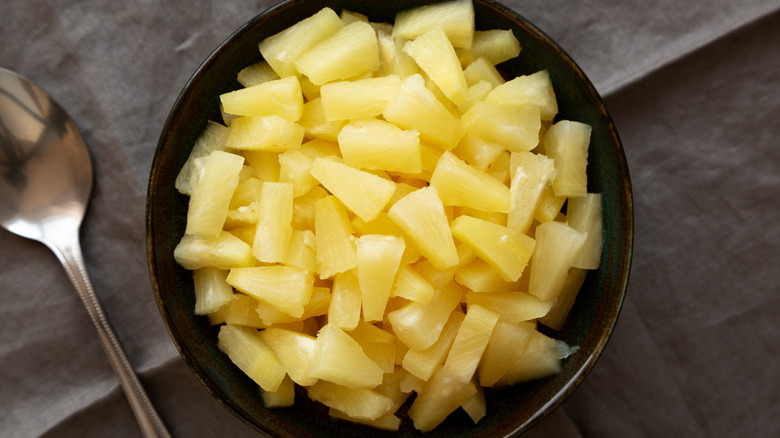
You put it on pizza and you slap it on ham, so why can't you add some canned pineapple to your baked beans? It's really not as strange as you may think. Baked beans are often made with molasses, a sweet-yet-bitter byproduct of the sugar-making process that's found in a lot of Caribbean cooking, and pineapple is a tropical fruit that knows how to dance with savory flavors. Clearly, there are synergies here.
Another cool characteristic of canned pineapple is its bite. Even though it's packed in sugar syrup, it still retains a meatiness that offers some textural relief to the starchy softness of the baked beans. Again, baked beans are all about harmony. If you're going to use canned pineapple, offset it with something smoky, spicy, or peppery. A few dashes of Worcestershire sauce or a sprinkle of smoked paprika will do the trick. Lastly, don't add your canned pineapple too early in the cooking process; otherwise, your chunks will disintegrate into a tropical mush. Aim for 10 to 20 minutes before your beans are finished cooking.
9. Balsamic vinegar

When cooking baked beans, it's easy to focus on sweetness, smokiness, or salinity, but there's another taste component that's often overlooked but equally important to the final flavor of the dish: acidity. Like a well-composed musical score, a splash of vinegar or a squeeze of citrus hovers in the background, extenuating the other flavors so that every other ingredient is singing on pitch.
When selecting an acid, you want something that will meld with the other ingredients. Balsamic vinegar has a rustic, fruity finish that makes it the perfect complement to a malty dish of baked beans. There are various types of balsamic vinegars, but a relatively inexpensive one is fine for this application; no need to use a bottle that's been aged 20 years. However, an important culinary note is when to add your vinegar. For baked beans, it's best to use balsamic as a finishing note toward the end of cooking. When added too early in the process, the flavor can turn, giving the rest of the dish an unpleasant bitter note.
10. Orange juice

Orange juice is one of the most versatile ingredients around. Its sweetness, tang, and sunny citrus flavor make it ideal for breakfast smoothies, marinades, and desserts. And if you're brave enough, you can even splash some OJ into your scrambled eggs.
But adding orange juice to baked beans isn't so much of a stretch. Navy beans, the foundation of many canned or homemade baked bean recipes, are starchy and subtle. Orange juice doesn't season the beans themselves, but it can certainly liven up the sauce they're swimming in. If you're looking for an assertive flavor, this is it. OJ isn't quiet or neutral; it wants to be heard, or, in this case, tasted. The fruit's natural acidity also helps slice through the richness of the beans.
And if you're wondering how it will do with other smoky add-ins, like bacon, sausage, or burnt ends, just consider how many barbecue sauce recipes use orange juice as a key ingredient. With orange juice, the key is to not overdo it. A few tablespoons of fresh juice will get the job done, or slightly less frozen concentrate if that's what you have on hand.
11. Ginger
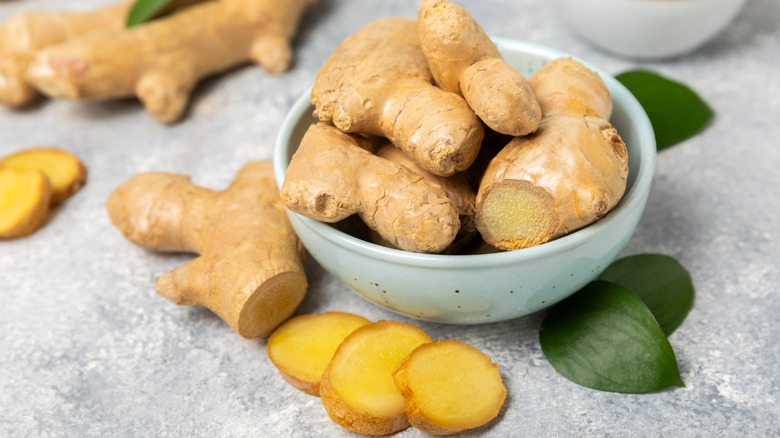
Ginger doesn't get as much play as it deserves. Maybe it's because it falls in the grey area between herb, spices, and allium. No matter, because it's time to bring fresh ginger to the forefront, and there's no better way to do it than by adding some to your baked beans. Other ingredients on this list are sauces or condiments that dissolve when dropped into a hot pot of beans, but fresh ginger requires a bit more finesse.
The simplest way to use ginger is to peel a knob, grate it fresh with a box grater or microplane, and sauté it over low heat in a neutral oil to let the flavors bloom and develop. If you have already prepared some bacon (a popular addition to baked beans), you can cook the ginger in a small amount of the reserved grease. Another option is to make an infused ginger syrup, which you can then add to your baked beans in place of sugar or another sweetener. But if you want to skip all the trouble, you can rough-chop a few knobs of peeled ginger and stir them into your baked beans before they go in the oven.
12. Beer

Did you know that Giada de Laurentiis is also an aficionado of baked beans? Her recipe is straightforward and streamlined, but with a few interesting exceptions, one of which is the addition of dark beer.
As with most baked bean recipes, the first step is to brown some meat, typically bacon, until the fat is rendered. Onions and aromatics soon follow. Beer comes into play to deglaze whatever bits remain, extracting the petrified flecks of concentrated flavor clinging to the bottom of the pan. During the deglazing process, most of the alcohol burns off, leaving a toasty, concentrated malt flavor that adds a complex, pleasantly bitter note to your baked bean mixture. This same technique can be used to make a barbecue sauce, beef stew, or chili. Dark beer isn't just relegated to entrées and appetizers, either. Desserts, like brownies, chocolate cake, or tiramisu, all benefit from a hefty splash of stout, porter, or another dark ale.
Static Media owns and operates Food Republic and The Daily Meal.