

11 Clever Ways To Use Sardines In The Kitchen
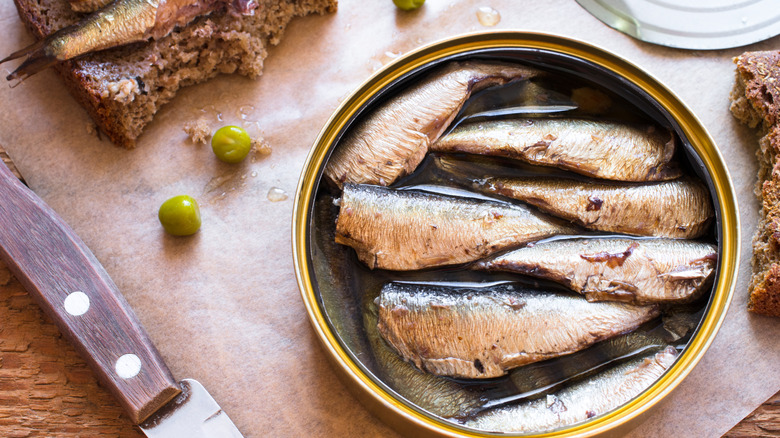
Canned sardines may be one of the most convenient, healthy, and versatile ingredients available. From a nutritional standpoint, they're an absolute powerhouse, containing high levels of protein, calcium, omega-3 fatty acids, and a long list of vitamins and minerals. They're also inexpensive and widely available, which is why they can be found in kitchens from Maine to Spain to Norway.
Still, at first glance, they can be intimidating. Unlike tuna or salmon, the canned sardines are more "fish-like" in appearance. The silvery gunmetal skin is usually left on, and you may even find small pin bones and a tiny spine if you dig thoroughly enough. But despite their look and aquatic aroma, sardines actually taste quite mild, kind of like canned tuna but with a more pronounced seafood flavor. Texturally, the filets are firm, thick, and plump enough to cut with a fork.
There are dozens of ways to incorporate sardines into your everyday cooking. Since they have that gentle oceanic essence, canned sardines can be the main protein or a flavor accent to dips, spreads, and sauces. Sardines canned in oil are silkier and better for dishes that need extra fat or lusciousness, while water-packed sardines retain a firmness that's better for sandwiches, tacos, or chowders. Here are 11 clever ways to use sardines in the kitchen.
Make into a sardine salad for sandwiches
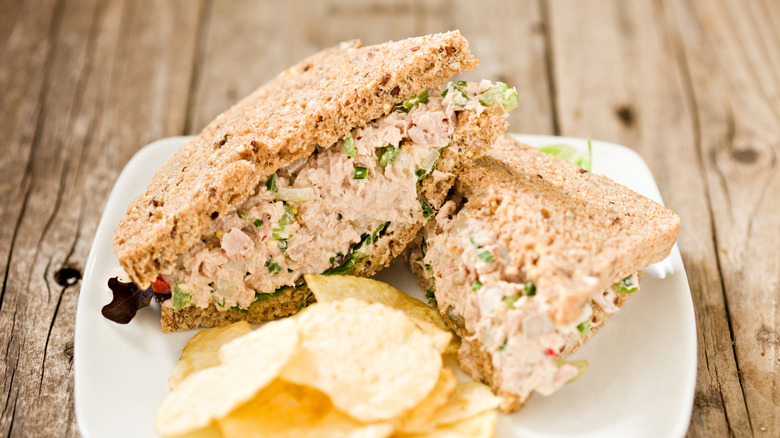
This play on the classic tuna salad sandwich is a great introduction to the world of sardines. When canned, these two fish are surprisingly similar in taste and texture. They're both relatively firm and flaky with a gentle flavor that's not overly aquatic. When making your sardine salad, follow the same principles as you would with tuna. For creaminess, add a good dollop of mayonnaise (Kewpie if you have it) or yogurt, avocado, or hummus for a healthier alternative. Just remember to add salt if you're using a low-sodium canned fish.
To further upgrade your sardine salad, focus on texture, freshness, and balance. Mix in diced bell peppers, celery, or even crumbled walnuts for extra crunch. To complement the sardine's natural flavor, add some salty capers, a squeeze of lemon, fresh herbs, diced kimchi, or even a spoonful of miso. You can add a scoop of this sardine salad to a bed of greens or a wrap, but you can also make your own version of a "sardine melt" by spreading a layer across some crusty bread, adding a slice of Munster cheese, and toasting the whole thing in the air fryer or toaster oven.
Form into crab cakes or fish cakes
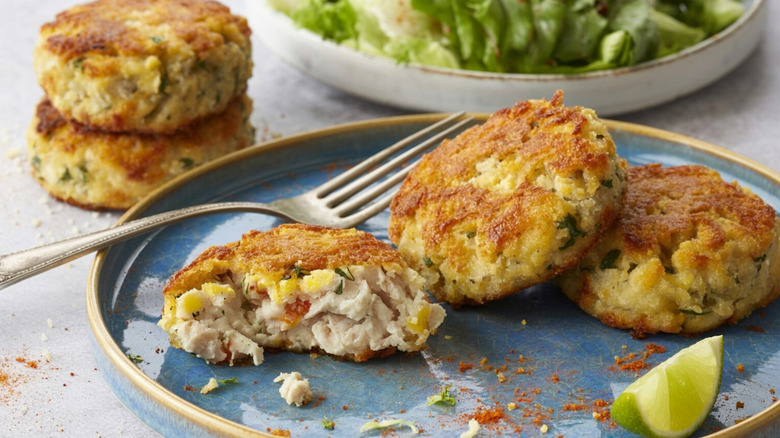
Crab cakes are synonymous with oceanfront dining and relaxing afternoons at the wharf. However, this seaside appetizer is notorious for underdelivering on actual seafood. Fresh lump crab meat is pricey, which is why restaurants tend to use it sparingly. The result, unfortunately, is a mouthful of seasoned breadcrumbs. Now, there are plenty of quality canned crab meats on the market, but if you're looking for an alternative that's more fish-forward and texturally complete, try cooking up some crispy sardine cakes.
The technique is similar to making a quality jumbo lump crab cake: Combine the egg, breadcrumbs, mayonnaise, mustard, soy sauce, lemon, fresh herbs, and seasonings, and then gently fold in the bite-sized chunks of sardines. When stirring the mixture, avoid overworking the sardines so they retain their shape and texture. Remember, it's these large chunks of fish that will give your cake that desirable seafood chew. After a quick mix, scoop into a cake size and pan-fry or bake. Eat with a zippy remoulade or this three-ingredient crab cake sauce and a side salad for a light summer lunch.
Mix into a comforting casserole
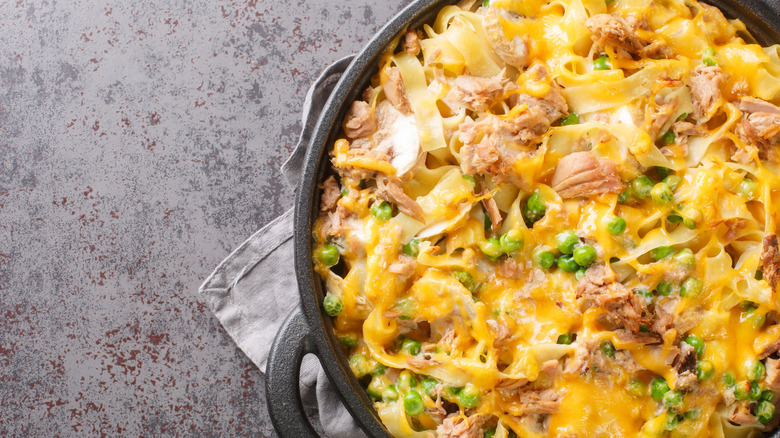
The casserole is back in vogue. Why? Because even if you didn't grow up eating it, there's something undeniably cozy about a bubbling baking dish of cheese, noodles, and breadcrumbs. Tuna is probably the most iconic casserole of the bunch, but this dish could easily be made with sardines instead. Sardines have a few advantages over tuna, specifically a lower mercury content and higher levels of heart-healthy omega-3 fatty acids. They also have a more distinct flavor that can stand up to some of the richer casserole additions.
Now, when constructing your casserole, you have a few options. The classic recipe uses egg noodles, milk, cheese — maybe some sour cream — and a creamy condensed soup, but you can skip the pasta and opt for a version that focuses more on the fish and veggies. Regardless of which recipe you choose, there are a few ways to elevate any casserole. First, use a seasoned potato chip, breadcrumb, or crispy onion topping. Another hack is to use a quality cheese that's sharp and pronounced, like an aged Cheddar or Gruyère. Finally, to cut the richness, sprinkle some fresh dill, tarragon, rosemary, or citrus zest into the mix.
Fold into fried rice
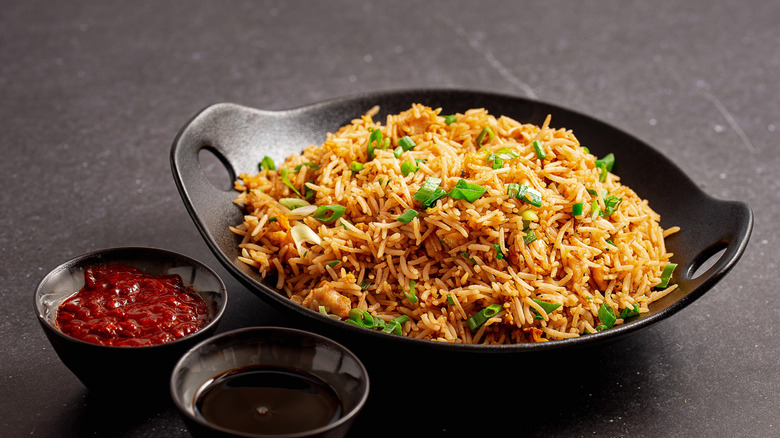
Fried rice is the ultimate takeout staple: toasty and salty with just the right hint of umami to bring it all together. Besides shrimp, fried rice typically doesn't feature much seafood, but there's no reason you can't experiment by adding some canned fish to the mix. And sardines may just be the perfect fit. Not only do they provide the dish with a nutritional boost and extra heft, but they also have a mild oceanic flavor that pairs naturally with the cooked rice. Plus, their flesh stays relatively succulent when sautéed quickly, preserving its firm, flaky texture.
There are a few ways to incorporate canned sardines into store-bought or homemade fried rice. If using oil-packed sardines, reserve a few tablespoons of the oil and use it to fry your rice or vegetables. To further enhance the flavor of the sardines, season the whole dish with a generous sprinkling of soy sauce. It's surprisingly simple to make fried rice in your kitchen. All you need is some leftover rice, a bag of frozen vegetables, a can of oil-packed sardines, and a few seasonings. If you have picky eaters in the house, this combination is a great way to introduce them to this healthy little fish.
Place on a meat-free banh mi
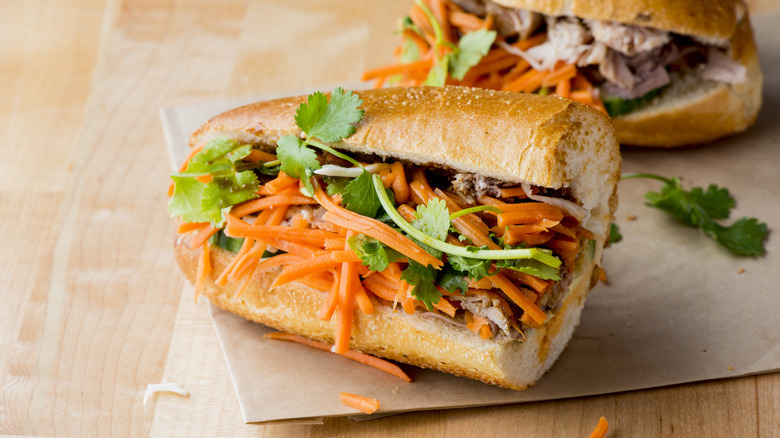
The banh mi is pretty close to sandwich perfection. A staple of casual Vietnamese cuisine, it wows the mouth with its fireworks display of toppings and condiments, which typically include a garden of pickled daikon radish, hunks of jalapeño, julienned carrots, fresh cilantro, ribbons of cucumber, and maybe a spread of mayonnaise. For protein, fillings can range from roasted pork to grilled chicken to the traditional pâté, but you can substitute a few sardine filets for a quick and tasty alternative.
Sardines look intimidating, especially when they're canned skin-on, but they are actually not intense at all. The fishy flavor isn't as pronounced as you might think, and they're in no way as salty as anchovies, which is why sardines lend themselves to the punchy, pickled accents of a banh mi. The one downside to sardines is that they lack texture. The flesh is tender, and even the bones become soft when cooked and canned. However, when paired with crunchy vegetables and the crisp crumb of a sliced baguette — the banh mi's traditional bread — the combination is an edible work of art.
Add to a seafood chowder
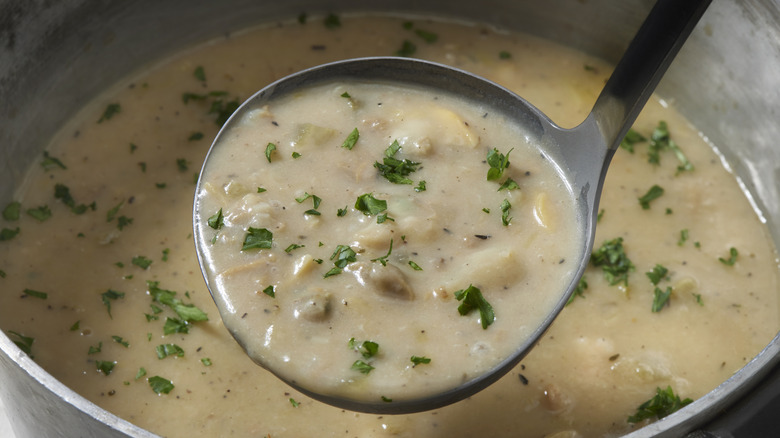
Sardines don't always have to be the star of a dish; sometimes they're even tastier in a supporting role, like enhancing the flavor and feel of a creamy New England chowder. Compared to clams or even salmon, sardines don't have that potent upfront fish taste that makes your cooking taste like high tide.
Timing is essential when incorporating sardines into your chowder. The filets are delicate and already come precooked, so they don't require much cook time. If you throw them into the pot too soon and stir them around, the sardines will break apart and turn into bits, which isn't necessarily a disaster, but it will affect the soup's overall presentation and consistency. You don't have to limit yourself to creamy soups, either. For a tomato-based option, like an Italian Cioppino or Fisherman's Stew, which is usually made with firm fish like cod or halibut, consider using a Mediterranean flavor profile that incorporates lots of red chile flakes, tomato, and garlic to accompany the sardine.
Roll into sardine kimbap
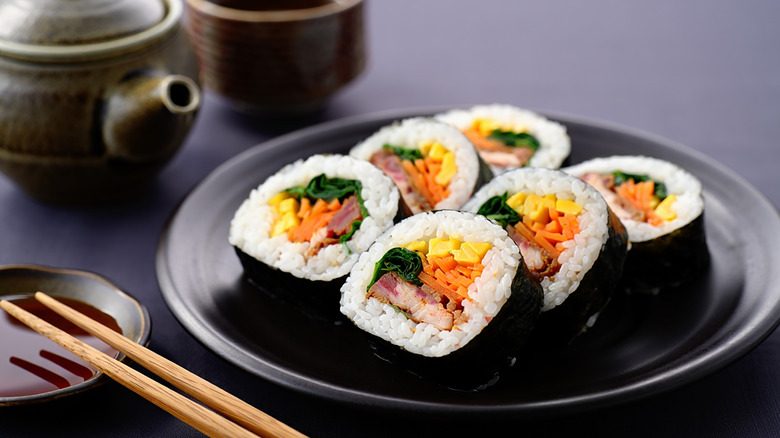
Think of kimbap as Korea's version of sushi. However, unlike traditional Japanese sushi, which focuses on raw fish, kimbap is made with a combination of cooked and pickled ingredients, such as radish, seaweed, kimchi, burdock root, and bulgogi beef. Canned sardines are precooked and are often packed in flavorful sauces, making them a natural fit for kimbap.
If you've never made kimbap before, the rolling technique isn't so different from sushi. One important distinction is that kimbap uses a short-grain rice that's seasoned with toasted sesame oil rather than vinegar, giving it a nutty savory note that's a fun contrast to the sweet, pickled vegetables. Another distinction is that kimbap is made with gim, a traditional Korean seaweed that's seasoned with sesame oil. You can fill your kimbap with any raw or prepared vegetables, but it's at its best when made with a combination of sweet, salty, and sour flavors. After it's sliced and rolled, serve your kimbap with ponzu or soy sauce. It also makes a great lunch, as long as you have the willpower to leave it in the refrigerator overnight.
Lay across a bagel
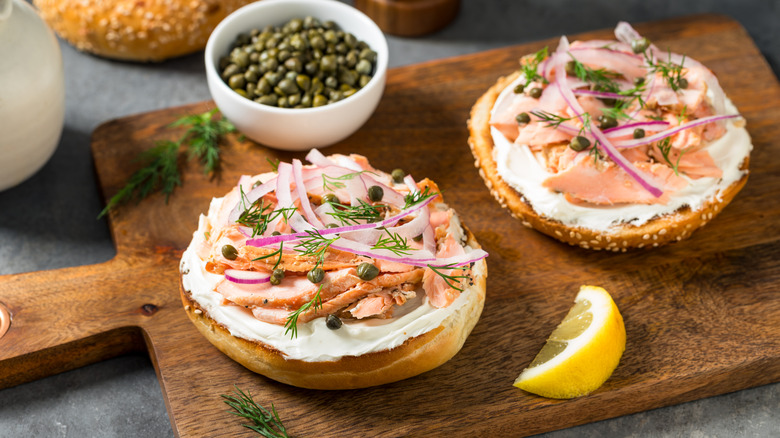
Canned sardines are not as luscious as your typical layer of lox, but they are a surprisingly good substitute, especially given their convenience and cost, which runs about $3 per can. Texture-wise, oil-packed sardines are plump and rich, with a mouthfeel that's similar to smoked salmon or other cured fish.
When it comes to decorating your sardine-topped bagel, you really don't need to reinvent the wheel. Obviously, start with a layer of cream cheese, though if you're really feeling adventurous, you can blend sardines into your cream cheese for extra pizzazz. Building upwards, layer on sliced tomatoes, thinly slivered red onions, and a scattering of capers to punch home that big, briny flavor. Finally, top the bagel with three or four whole sardine filets, then finish with a squeeze of lemon, a sprinkle of salt, and some freshly chopped dill. This is a simple sandwich you can make anytime with just a few ingredients, so it's definitely worth adding to your repertoire.
Whip into a hot sardine dip
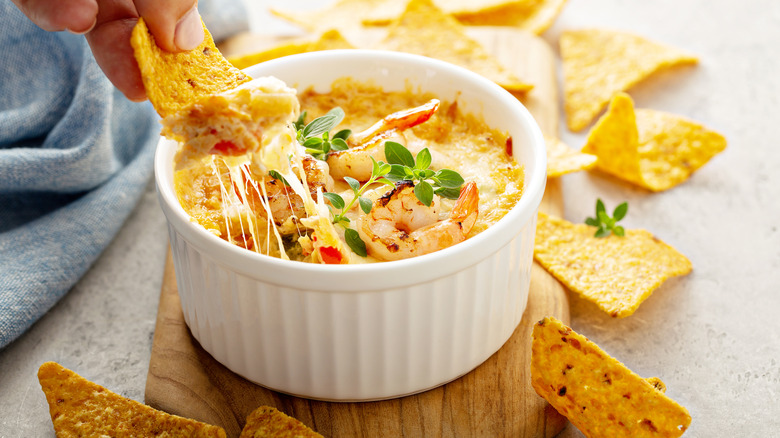
I know the phrase "creamy sardine dip" may not sound totally appetizing at first read, but don't lose faith just yet. Think about it — the concept isn't so far from your standard creamy crab dip. And honestly, how can a whipped mixture of cream cheese, mayonnaise, and parmesan taste anything but delicious? The sardines aren't just an add-on, either; they really bring something special to the party. In this dish, it's okay to break up the filets so the mild seafood flavor can meld and mellow the overall decadence.
I recommend going with a can of skinless sardines packed in water. This helps reduce unnecessary oil and gives the dip a cleaner appearance, free of black or silver flecks. To round out the flavor of your dip, try adding lemon juice, good mustard, Worcestershire sauce, Old Bay seasoning, or fresh herbs like thyme or tarragon. Once you've got your ingredients assembled, just throw everything in the blender until smooth, top with cheese, and bake until bubbly.
Add to fish tacos
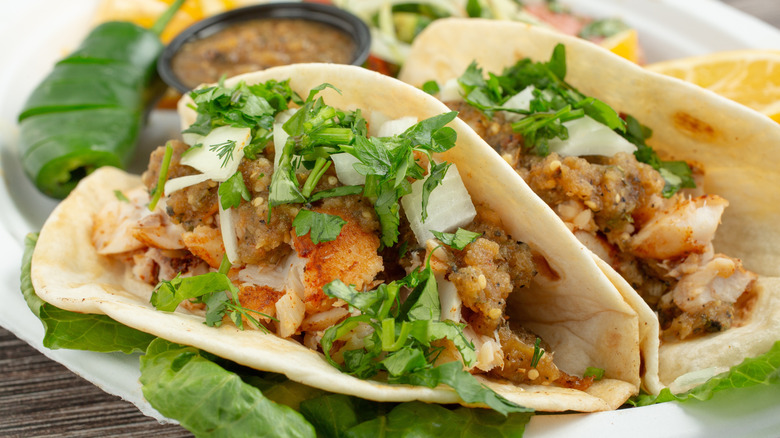
Everyone loves a fish taco, but maybe you don't want to take the time to grill a piece of mahi-mahi or fry some cod. In this instance, consider a few filets of canned sardines. Tinned fish is an incredibly versatile and practical taco filling. As mentioned above, sardines have a gentle flavor that's similar to tuna but a little less murky. When packed in oil, the fillets are firm, plump, and tender, making them an ideal foil to citrusy slaws, raw white onion, and toasty corn tortillas.
When putting together a taco, it's important to drain your sardines completely. Any residual oil or water will soak the taco and damage its structure. Sardines don't always come fully seasoned, so remember to give the fish some love before adding. A squeeze of lime and some salt will usually do the trick, but even a dash of soy sauce will go a long way. And while they seem like fatty fish, sardines sometimes lack richness, which is why a dollop of guacamole will help you achieve pure taco harmony.
Mash into tapenade
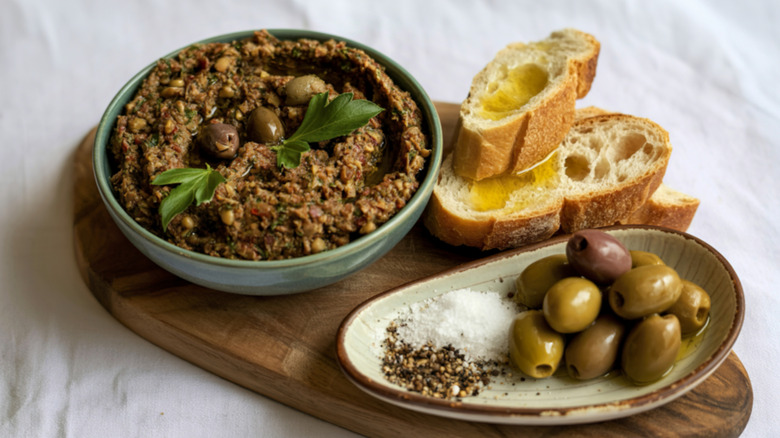
Tapenade isn't for the faint of heart. This classic French spread is typically made with Kalamata olives, capers, garlic, olive oil, and lemon juice. The flavor is intense, full of salt and brine, and pops of umami. The good news is that it's easy to make at home and temper to your liking. All you need to do is throw the ingredients in a food processor and blend. However, the devil is in the details. For a good tapenade, you want the texture smooth, but not so velvety smooth that it comes out looking like paste.
So where do sardines fit into the picture? This tiny fish adds another dimension of umami to the already bold and briny dip, with its gentle oceanic flavor enhancing the it without overpowering the other ingredients. The result is a tapenade that's more balanced and complex but still recognizable. There's a lot you can do with tapenade besides eating it with crackers. Try pairing it with a charcuterie board, garnishing pasta, or using it as a spread for sandwiches. And if you're a fan of olive pizza, you may want to skip the sauce and just spread tapenade across the pie before adding your cheese and toppings.