

10 Classic Dishes You'd See At Every '70s Cookout
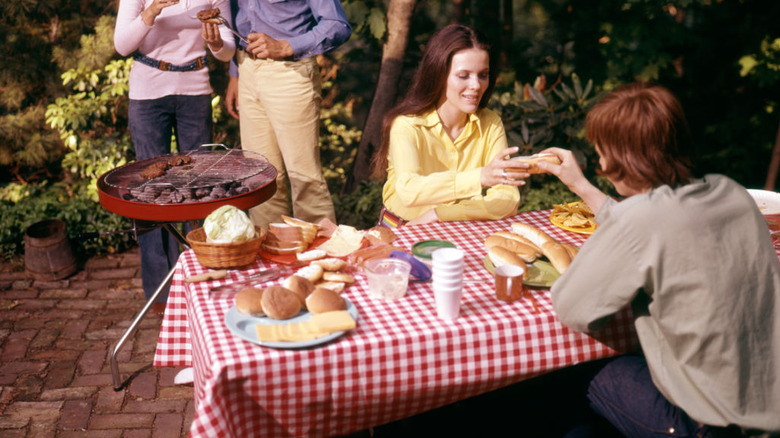
The 1970s might not be the first decade that stands out when it comes to food. Things like aspics and Jell-O molds filled with fruit were common sights, while dessert salads took over the sweet teeth of the decade. As odd as those dishes might be to us today, the '70s were also a great time for experimenting on the grill. New international flavors were being introduced, and those tastes were front and center during block parties and neighborhood cookouts.
You'd find the usual hot dogs, ribs, and chicken next to corn and mushrooms sizzling over the flames on Fourth of July weekend. But things like pineapple rings could be grilled and placed on any of the above for an unexpected twist. If you're interested in taking a trip through the cookouts of yesteryear or want to throw your own retro party, why not throw a few of these '70s classics on the grill for vintage flavor and fun?
Chuck steak
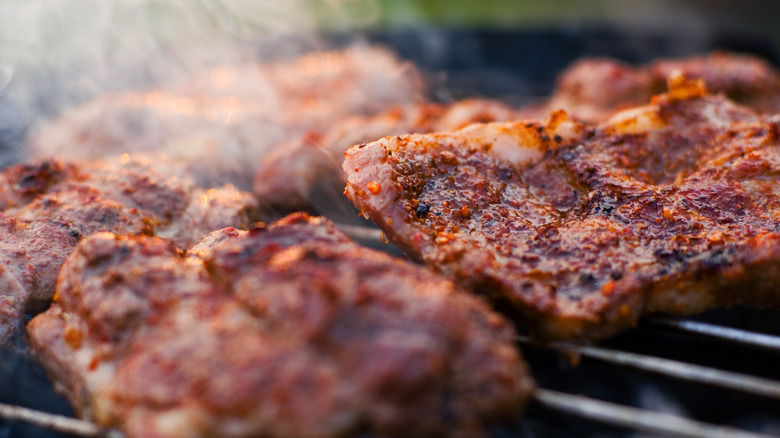
When it comes to cookouts, meat is usually the first thought on many people's minds. Things like burgers, sausages, and chicken wings are classic dishes we still have at nearly every barbecue. But steaks can be a little more pricey, and thus more of a special occasion meal. But in the 1970s, people got around that hurdle by using a lesser known cut of beef. Commonly thought of today as an economical choice for stew meat, chuck steak has been a budget friendly protein choice for decades.
That said, it's budget friendly for a reason — chuck steak generally needs a lot of cooking and a lot of help in the flavor department. Many modern recipes call for marinading this cut, and slathering it in barbecue sauce overnight was a popular choice back in the day; onions also worked to give it an extra kick. While it might sound a bit outdated today, at the time, using newer products like bottles of premade barbecue sauce was an easy way to add flavor while trying new tastes.
Boxed macaroni salad
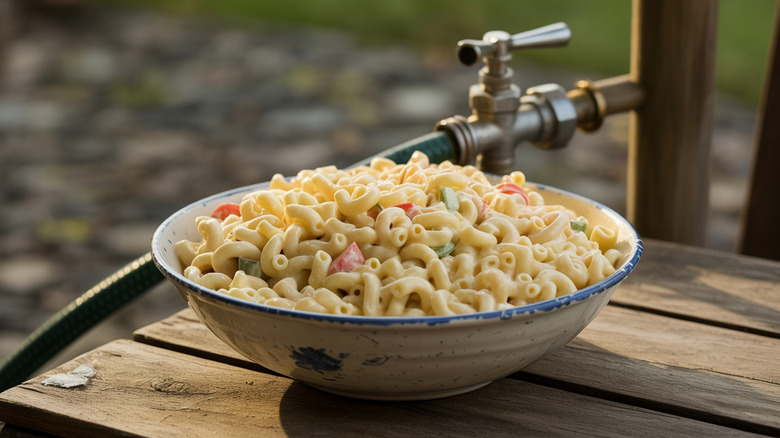
Macaroni salads were around for a long time before hitting the picnic tables of the 1970s. Recipes for them were first published in the early 1900s as the food of America's many cultures began to combine in unexpected ways. It's thought that Italian macaroni pasta was paired with creamy German sauces to create the dish. Over time, different veggies and whatever leftover meat might be around were incorporated, making a long list of variations, like this Hawaiian version.
Kraft made commercials in the early '70s advertising its boxed mac and cheese dinner that highlighted the many ways home cooks could adapt the recipe. And of course, a macaroni salad as a main dish was front and center in the lineup. Another version was the Midsummer macaroni salad that included tomato, celery, red onion, pickles, and mustard, in addition to the boxed mix and Miracle Whip. Because the salad is served chilled, it was and is a great way to cool your mouth down after a spicy sausage or burger.
Watergate salad
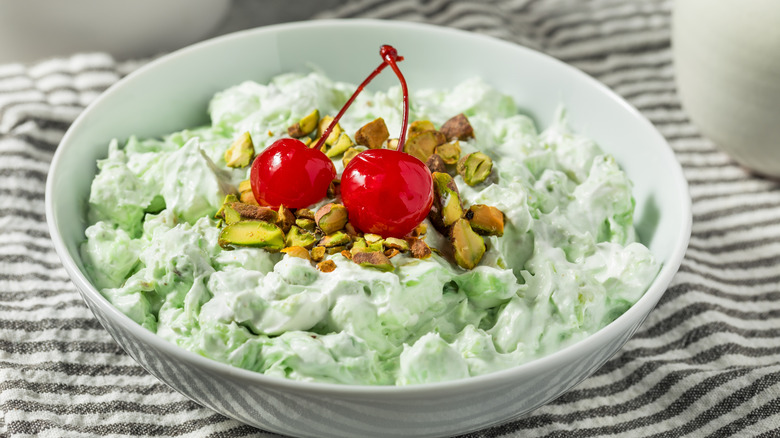
The 1970s saw an explosion of pistachio flavors in everything from cakes and puddings to salads. Yes, salads. The Watergate dessert salad was just one of many unusual dishes the '70s brought us. Many people remember it fondly from family cookouts and picnics, although the dish has largely been lost to time outside of holiday gatherings. It's made with pistachio pudding, whipped topping, pineapple pieces, pecans, and marshmallows. The pudding mix is added to the whipped topping straight from the box, giving it a pleasant flavor and texture that's punched up with the nuts and sometimes a cherry on top.
Of course, you can't talk about Watergate salad without mentioning the political events that named it. When Jell-O released the pistachio pudding in 1976, it was only four years after the Watergate incident that eventually led to then-President Richard Nixon leaving office in disgrace. But that stain on the political landscape didn't change how tasty the dessert was, so people could enjoy it no matter how they felt about politics at the time.
Unique potato salads
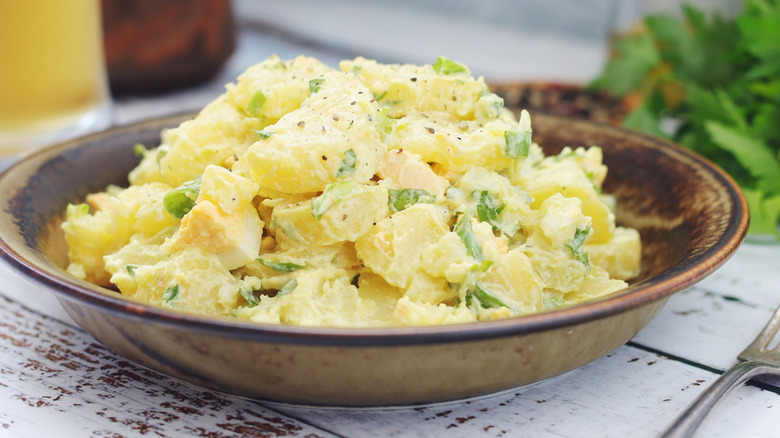
Potato salad is an iconic cookout dish. Generations have shared recipes for it and argued over what exactly is supposed to go in it. And the 1970s were a time when no barbecue would be complete without a bowl of the stuff.
Whether the hosts kept it simple or garnished the dish elaborately with boiled eggs, tomatoes, and parsley, potato salad was impossible to ignore over the decade. There was even a loaf version of the side that was covered in a mix of chicken broth, gelatin, and mayo that made it look like a pale yellow cake from the outside. One Kraft advertisement suggested cooks cover the salad in parmesan cheese for texture and taste. Other options include German, Amish, and Sothern versions, all of which can be made with a waxy potato.
Kabobs
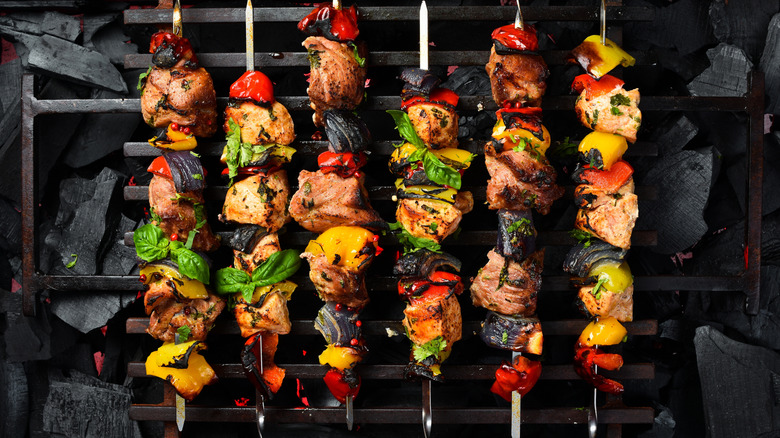
Kabobs, or kebabs, hit the American food scene in the 1970s and quickly became a cookout staple. The dish was made of evenly cubed pieces of marinated meat and/or vegetables skewered on metal or bamboo sticks and grilled to perfection. Some people even made sweet versions, with fruit, marshmallows, and, sometimes, cheeses.
As kabobs became more popular, sets of skewers and recipes were marketed to home cooks. Beef and mushrooms, lamb and onions, and pork and green peppers adorned skewers that could be as simple as a piece of metal with a curved end or a straight piece with animal figures at the top. There was even a machine called the WearEver Kabob-It that made the meal on your countertop in a small, rotisserie-like appliance. Of course, if you're looking for inspiration for your next cookout, these tips can help you make great kabobs in no time, and there are plenty of recipes that have evolved with the times. But even after decades, it's hard to beat the simple combo of meat and veggies on a stick.
Cheese ball
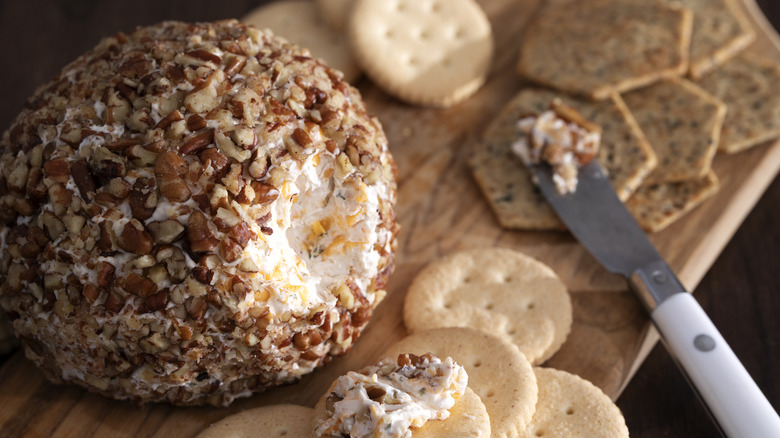
One of the most common appetizers at any 1970s gathering was a cheese ball. The treats were made from a combination of semi-hard and soft cheeses blended together until it came together in a ball that could be rolled in nuts or molded into a pinecone, or even hedgehog, shape. Served with crackers or small pieces of toast, the cheese balls could be anything from a blend of cheddar and blue cheese to cream cheese, mayo, and fruit.
Cheese balls first became party fare in the 1950s and have never entirely gone out of style. For instance, port wine cheese balls are still a common sight in many Southern households during the holidays. But for more year-round versions (and to up the vintage vibe) you can add dried beef to the cheese mixture to give it a deeply savory taste. Combined with herbs and your choice of nuts or seeds to roll it in, you can have a blast from the past that you'll keep making for years to come.
Ambrosia salad
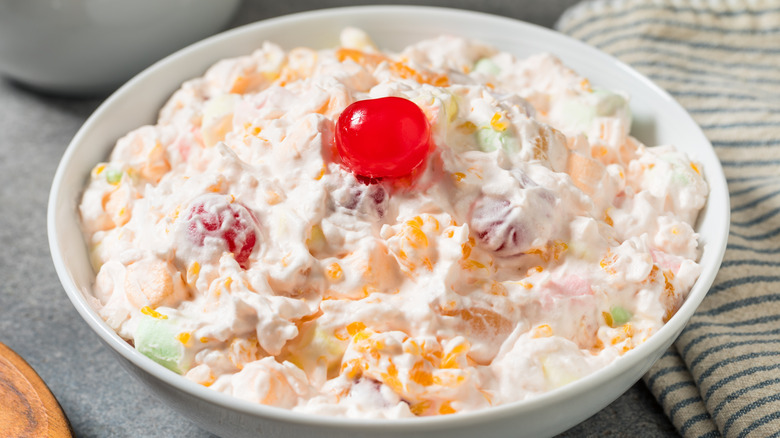
Named for the food of the gods in Greek mythology, ambrosia salad is an odd combination of ingredients that people came to love. One of the most popular party dishes of the 1970s, ambrosia first appeared in the 1800s and was eaten regularly from the 1940s to the 1980s. You'd see large bowls of the creamy concoction at potlucks and cookouts throughout the decade. In fact, the dish was so widespread that it was made in Australia as well as the United States. The salad is still served in the Deep South and the Midwest today.
Also called "fluff," the dessert salad is made with whipped cream or whipped topping, marshmallows, shaved coconut, and a mix of fruits like pineapple, cherries, mandarin oranges, and grapes. So, if you're looking for some '70s inspiration for your next party, this is an old-school, nostalgia-evoking dessert worth trotting out.
Grilled pork chops
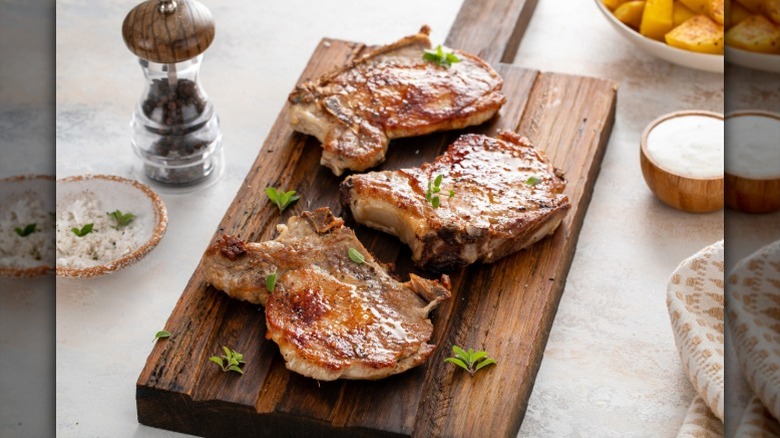
Pork chops might be one of the most misunderstood meats out there. The lean protein is flavorful but dries out quickly. If you attended backyard parties in the 1970s, you no doubt had a few tough pork chops over the years. That's because at the time, the United States Department of Agriculture recommended using higher temperatures and longer cooking times than they do today. In fact, the guidelines didn't change until 2011, when a bit of pink in the middle was deemed acceptable.
Based on your experience with chops, you're likely to remember them fondly or as something you had to determinedly chew through. Either way, they no doubt made an impression. Because, let's face it, pork chops were everywhere in the 1970s. Many people ate them covered in Kraft or other barbecue sauces, although that was far from the only way to finish them on the grill. Other recipes used orange juice and ginger to give the pork a zing. If you're grilling pork chops, be sure to move them to a cooler part of the grill after searing to prevent them from overcooking. Otherwise, you'll be having a more authentic '70s experience than you might have wanted.
Corn on the cob
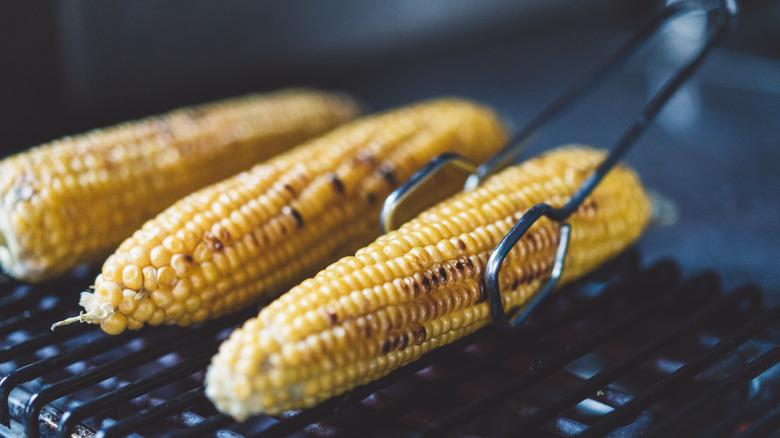
No cookout is complete without a few ears of corn on the cob on the grill. This picnic staple was just as popular in the 1970s as it is today. But back then, companies like Kraft were advertising the perfect barbecue with roasted corn smothered in Parkay margarine, parsley, chives, bacon bits, and grated parmesan cheese. For those who could take or leave the toppings, just a piece of lightly charred sweet corn was enough to complement the main dishes.
Corn on the cob was eaten throughout the summer in the 1970s. The staple side was seen at fundraisers and community picnics as well as in backyards. If you want to have a few cobs on your own grill this year, there are plenty of ways to make sure it's cooked to perfection. One way to increase the corn's flavor with a burst of umami is wrapping it in bacon before grilling. You can wrap the bundle in foil or place it directly on the heated grates. And if you're looking for a retro throwback, why not try the parmesan cheese and parsley/chive combo on the bacon-wrapped corn? It's just one (very tasty) way to bridge the old and the new.
Harvey Wallbanger cake
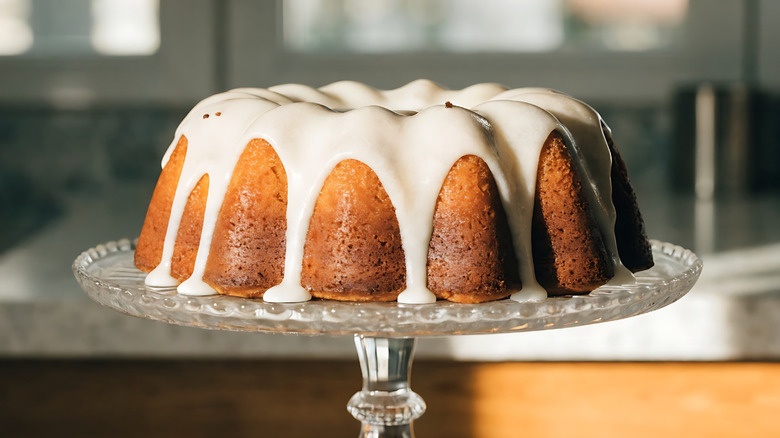
If you went to any dinner party, picnic, or cookout in the 1970s, you likely would have encountered a Harvey Wallbanger cake. The dessert was an offshoot of a popular cocktail with the same name. Both the drink and the treat were easy to make, with only a few ingredients needed to create something citrus and herb-forward, thanks to the Galliano liqueur used to make it.
The origin of the cake isn't as controversial as the drink's, which was supposedly named for a surfer who tried the drink and then banged his head into a wall. While that story was always doubted, no one wondered why the combination of oranges, vodka, and Galliano was infused into boxed cake mix and a simple icing. In fact, throughout the 1970s, multiple newspapers ran stories with the recipe after hungry people wrote in asking for it. While some people called is a special occasion cake, the ease of using a pre-made mix to create something memorable put this treat on dinner and picnic tables for more than a decade.