

10 Slow Cooker Meats That Are Perfect For A Sandwich
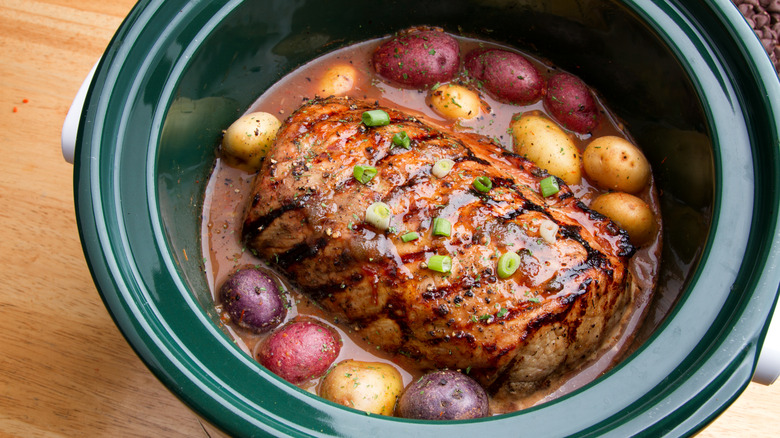
Slow-cooking meats is a tried and true way to create succulent, fall-apart meals without much active effort. Too often, slow cooking is relegated to the fall and winter months, when stews and chilis simmer for hours. Luckily, modern slow cookers let people have braised meals without overheating the kitchen in the summer, too. Many times, you'll have leftovers to get creative with, leading to things like hashes and casseroles. And while you might typically picture these slow-cooked meats heaped high onto a plate or ladled into a bowl, they also work brilliantly on sandwiches (and with good reason — they're delicious!).
While classic dishes like pulled pork and chicken are incredible in a sub roll or on biscuits, there are many more meat-based recipes that can be used to make unique, flavorful, and customized sandwiches. Whether you're a fan of baguettes, brioche, lavash, or tortillas, there's something here to top and fill your preferred bread. So, grab the slow-cooker and get ready to create sandwiches sure to make you the envy of every picnic and office lunch table.
Short ribs
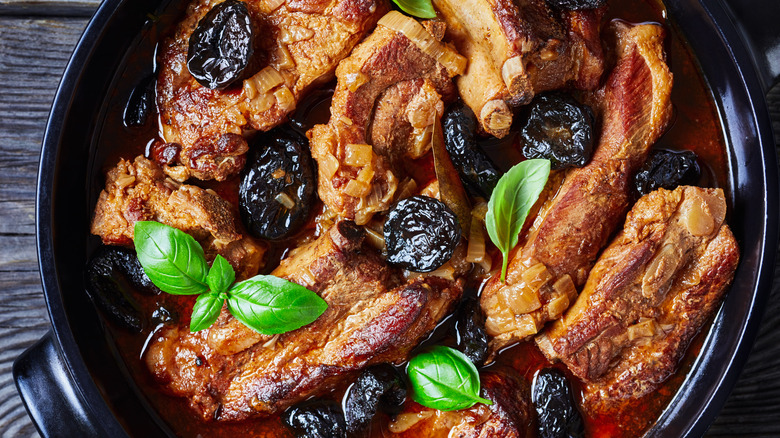
Short ribs benefit from a strong sear and a low, slow cooking time to turn the tough connective tissues succulent and tender. Adding fruit, jam, or preserves to slow-cooked short ribs adds a bit of sweetness to complement the savory proteins. Some fruits, like lemons, help to tenderize the meat, too. And fruit can be added to any slow-cooked protein for a flavor boost. It doesn't matter whether you use pork or beef ribs; both have great texture and taste. Just remember that beef ribs have a stronger, meatier flavor than pork ribs, which are sweeter and more delicate, and adjust your recipe accordingly.
Fruit can be added to the short ribs throughout cooking. Fruit juices can be part of the sauce base, or pieces of fruit can be added later in the cooking time to soften up and add flavor. You can even use a fruit chutney as a fresh condiment for a short rib po'boy. Be sure to grab some napkins, though — you're going to need them.
Chicken thighs
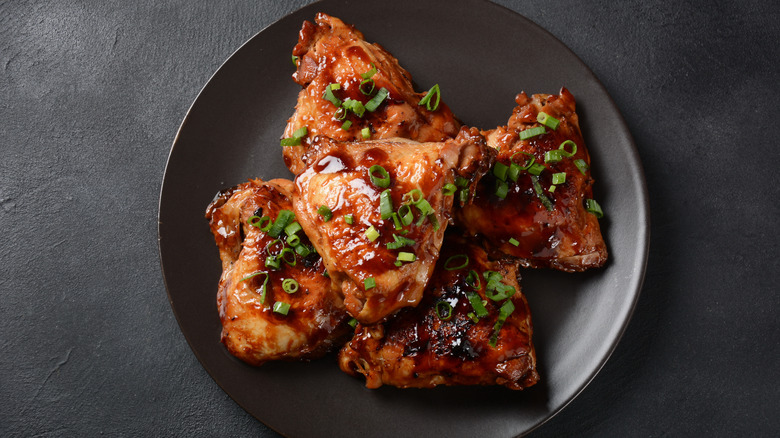
Thighs are a flavorful cut of chicken, often used in dishes like chicken teriyaki. The dark meat absorbs different tastes well, particularly when cooked in rich sauces for hours. One of the perfect ways to cook a chicken thigh for maximum flavor and juiciness is in an adobo. Adobo itself is a delicious and somewhat confusing term. The word could refer to a number of braised or stewed dishes from around the globe, but was originally used to describe the marinating method.
Spanish adobos use vinegar to tenderize and preserve the meat, while some Filipino versions add soy sauce to the mix for a salty umami boost. When the stews crossed the ocean with the Spanish to the New World, the ingredients were converted into a spice blend, making it easier to transport and store. In Puerto Rico, cooks customize the adobo seasoning for different versions of the meal, making it truly personalized to taste. Whichever preparation and spices you use, a few slices of chicken thighs slow-cooked in an adobo make incredible sandwiches.
Beef shanks
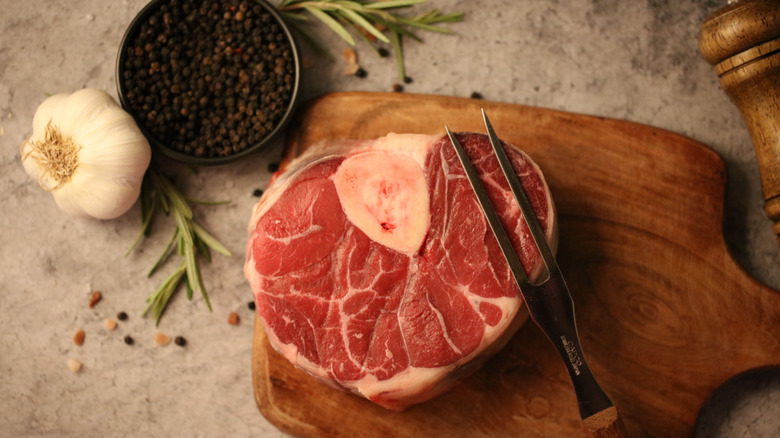
Beef shanks are one of the most overlooked items in the butcher's display at the market. That's a shame, as the cut is flavorful and provides a lovely texture to dishes when cooked low and slow. It's particularly tasty when cooked with something like lemongrass, an herb with a lemony smell, pale white stalks, and that can be crushed, shredded, or chopped to use in a variety of dishes. The lemongrass even tenderizes the meat while infusing it with a distinctive aroma. The tender beef is ideal for soft breads, such as focaccia.
Cooking beef shanks in a slow cooker for eight hours or so breaks down the tough connective tissues and muscles. Any added aromatics — such as garlic, chiles, and the aforementioned lemongrass — infuse the meat with flavor, much like it does in dishes like pho. In fact, the combination of beef and lemongrass comes from colonial Vietnam, when the French people's love of beef intertwined with the Vietnamese people's use of strong flavors like fish sauce. The rest, as they say, is history — history worth turning into a sandwich.
Chili con carne
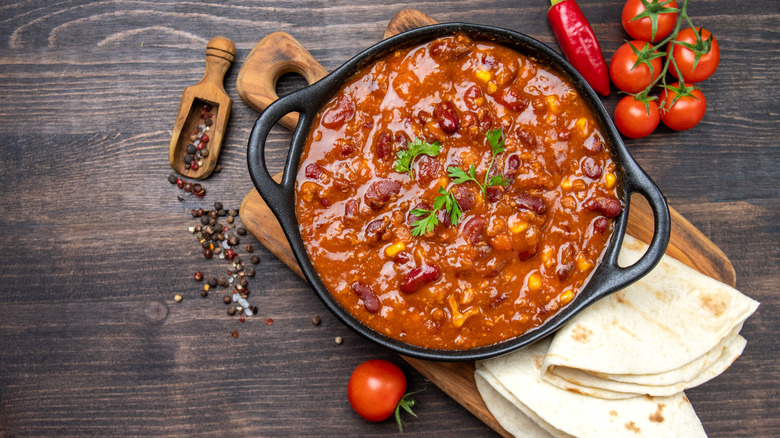
If you grew up in the 1980s and '90s, you're probably familiar with the sloppy Joe — a thick, tomato-based chili sandwich. Back then, commercials told you the sandwich was a hearty meal, and not much has changed today — except for the flavor of the chili, that is. Stepping up the usual sloppy Joe with a con carne update makes the decades-old favorite a spicy, rich, and nostalgic way to have dinner this week. Also, adding a little balsamic vinegar to the recipe will give the chili more depth and complement the spices.
Chile con carne is a red chili, meaning it takes its fiery color from the tomatoes and red chile peppers used in the sauce base. Things like chili verde use green chiles and tomatillos for their earthy flavor and green color. You can make an incredible sloppy Joe from a chili verde, too, putting another unique spin on the classic sandwich.
Boneless chicken breasts
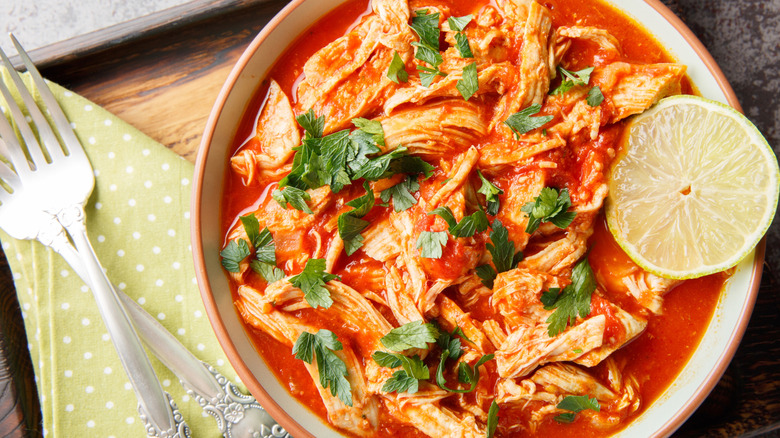
Boneless chicken breasts are easy to take from basic to brilliant with the right base of ingredients. Garlic and lime, for instance, are wonderful flavor companions. Their acid and sulfur compounds combine to elevate meals with a flavor boost that tingles the tongue and warms the belly. Making spicy garlic lime chicken in the slow cooker lets you have a great filling for sandwiches made with bread or crispy rice patties. Try Ina Garten's trick of adding zing to chicken with tequila before baking the slow-cooked chicken in puff pastry pockets for another delicious hand-held meal option.
Fajitas are another way to incorporate garlic, lime, spices, and vegetables with the tender chicken. Everything can be wrapped in a tortilla or piled on thick bread with chipotle aioli or a roasted garlic spread (or both — why not?). Really, boneless chicken breasts might be the most versatile of all the meats mentioned here, thanks to their neutral flavor profile and ability to take on almost any characteristic of the ingredients they're marinated in.
Lamb shanks
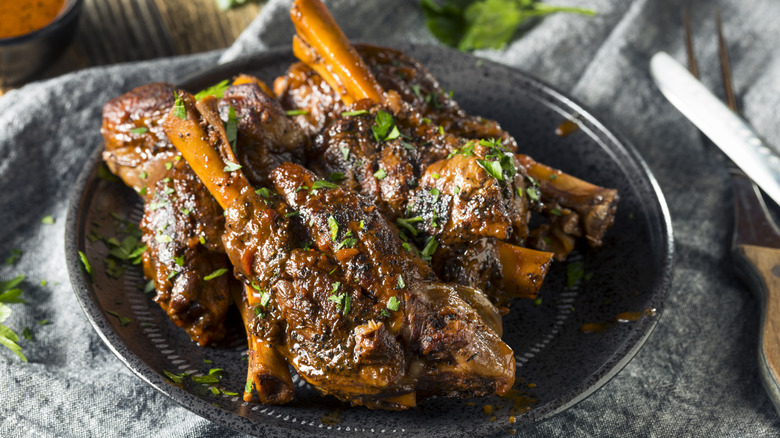
They're fairly popular nowadays, but lamb shanks weren't always desirable cuts of meat. Often overlooked for chops or a rack of lamb, the shanks can be tough and chewy if overcooked, making them somewhat tricky to work with. But that trickiness makes the shanks a great meat for slow cooking. The low, slow heat breaks down the meat's tough connective tissues, turning it into a melt-in-your-mouth delight. Try the shanks on thick, rustic bread with a little mint jelly for old-school deliciousness.
Herbed lamb shanks might be the most famous preparation of the cut. Lamb is rubbed with herbs, spices, and sometimes yogurt to tenderize and flavor the meat before it undergoes an hours-long cook time. The meat becomes tender and easy to shred, making it a unique replacement for pulled pork or chicken in various dishes (and sandwiches, of course). You can even add wine to the recipe for a little extra flavor if you pre-cook the alcohol a bit, but more on that later.
Ham
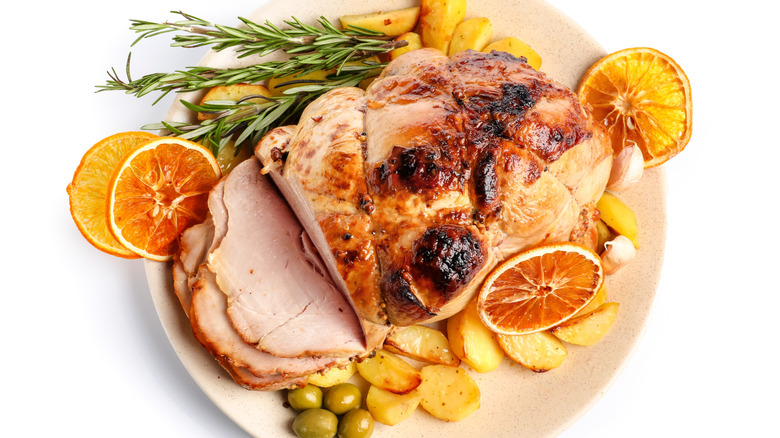
Ham in the slow cooker is a holiday staple in some circles, and those circles should be larger. They should also expand their timeframe to embrace the power of a juicy, tender ham any night of the week. One of the preparations that can be pulled out 365 days a year involves citrus and chiles. The ingredients enhance and temper each other, creating a spicy and sour meal to wake up your palate. Oranges, limes, lemons, and other citrus fruits are used to tenderize and flavor the meat, which results in a spicy, succulent ham that's ready to become an outstanding torta.
There's no reason to be tied to the usual citrus fruits, either. Ingredients like yuzu kosho use the peel of the yuzu along with chile peppers to make a bright, sour, and salty relish that can be added to just about anything — including your slow-cooked ham — for a flavor boost. Another spicy and sour combination powerhouse is peri-peri sauce, which uses bird's eye chiles, garlic, onion, spices, vinegar, and lemon juice. This recipe from Tasting Table replicates Nando's peri-peri sauce, letting you make the sandwich at home with just a little preparation and time.
Pork butt
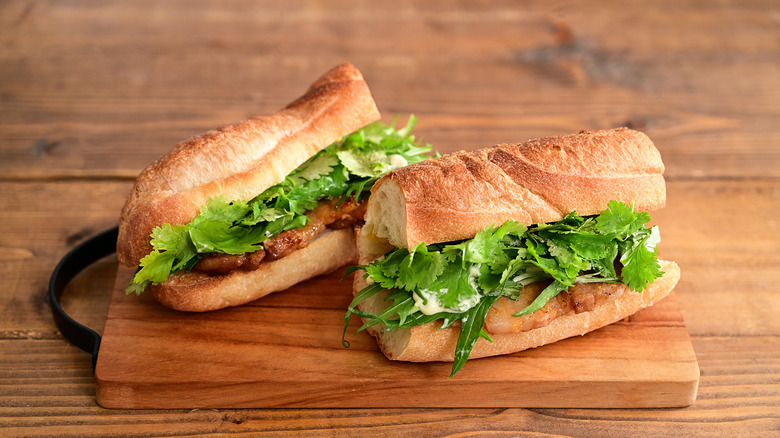
Pork butt and shoulder are both excellent candidates for slow cooking; however, pork butt is fattier, making it perfect for melt-in-your-mouth meals. And because pork itself typically has a very mild taste, it pairs well with strongly flavored ingredients. Naturally, your mind likely gravitates toward pulled pork and the various sweet and acidic ingredients that go into cooking it. But something like miso — an earthy, pungent ingredient made from fermented soybean paste – and other pungent aromatics, like ginger and garlic, can also infuse the pork over hours of cooking, making the succulent meat an umami bomb perfect for putting on fresh French bread with roasted garlic and greens.
There are many types of miso, and each one gives pork a unique flavor. The ingredient is usually sold as a paste and might be most famous as part of miso soup. Some varieties are light and sweet, while others are earthy and salty. The flavorful paste can clump if it isn't thinned out in a bit of warm liquid before being added to a sauce. It also needs to be added closer to the end of the pork's cooking time to keep the best flavor.
Lamb shoulder
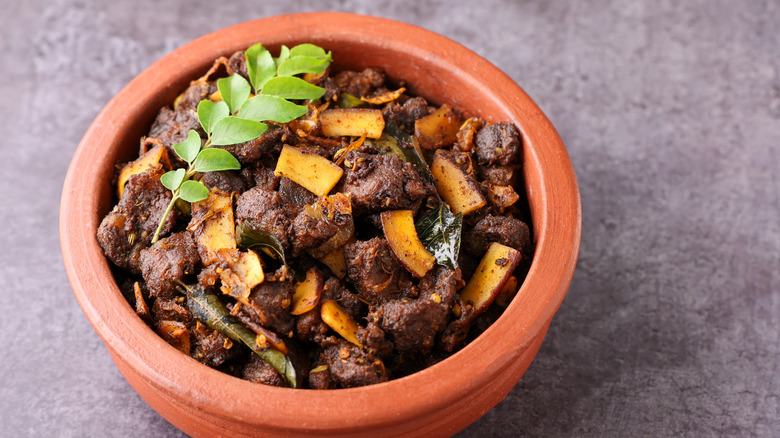
Lamb shoulder might not be as popular as the shanks, but this cut is both economical and fatty, making it perfect for a slow-cooked meal. Because the shoulder has more fat and connective tissue than the shanks, it's much easier to shred and absorbs more flavor from the braising liquid. So, why not pack as much tastiness in as possible? One way to do that is by using the shoulder in a korma. First created in the South Asian Mughlai Empire in the 1700s, the popular dish incorporates spices, yogurt, garlic, almonds, and your protein of choice into a creamy, warmly spicy meal waiting to be rolled on flatbread or tucked into toasted pita.
If you're unsure about using lamb because of its gaminess, chicken thighs are a good substitute. But a 10-minute soak in salt and vinegar will pull the gamey flavor out of the lamb shoulder, too. Another tip for taming the intense flavor of lamb? Marinate the meat in yogurt for 15 to 20 minutes to mellow the taste and tenderize it. That same yogurt marinade can be the base for your customizable slow-cooked korma.
Pot roast
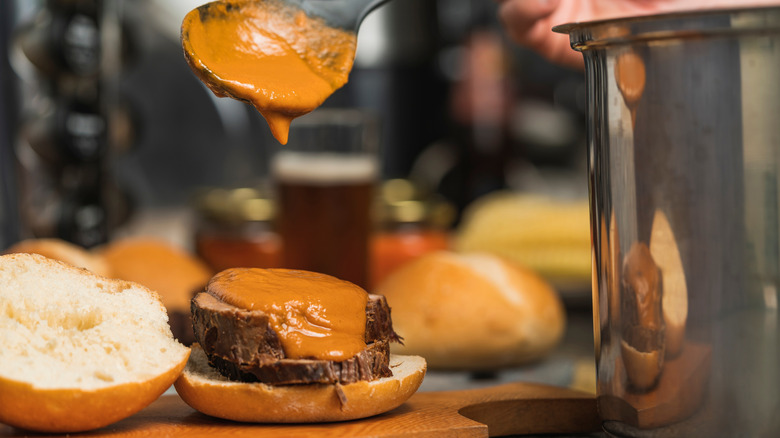
Chuck roasts are a versatile cut of beef that can be slow-cooked whole, in chunks, or shredded. One of their most popular uses is for pot roasts, thanks to the cut generally being well-marbled with fat. That fat and collagen from connective tissues melt and gelatinize in the low, steady heat, creating the melt-in-your-mouth texture that great braised meat is known for. And it just so happens, a great roast beef sandwich is famous for the same thing. If you've never used slow-cooked pot roast to make a quick hoagie, grinder, or po'boy as a mid-week dinner or take-to-the-office lunch, you're in for a meaty, gravy-coated treat.
A bit of red wine and a good sear will add depth and flavor to the dish if you're looking for something new to try. And yes, it's perfectly possible to use wine in the slow cooker, but with some preparation and precautions, because the alcohol won't burn off the way it does in other cooking methods. If you want to use wine, beer, or spirits in the slow cooker, be sure to reduce them in a bit of sauce or broth, or use it to deglaze a pan of browning veg or meat before adding them to the cooker. Skipping this step is a relatively common slow cooking mistake that will leave an unpleasant raw alcohol taste when the dish is done.