

12 Underrated Drinks You Can Add To A Marinade
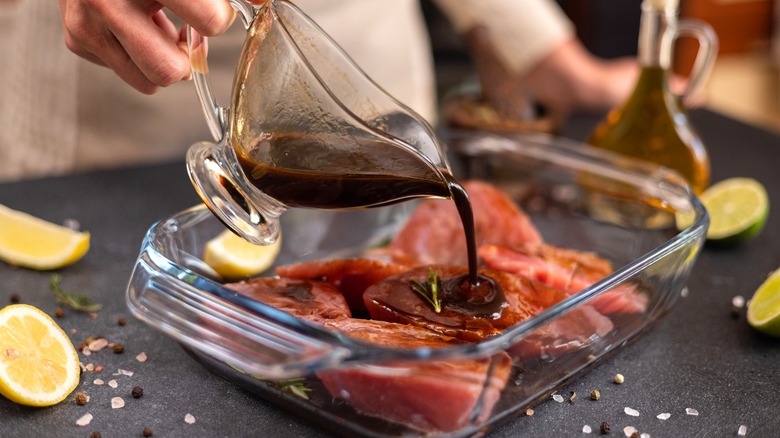
Flavor, tenderness, and caramelization — there are endless good reasons for a flavor-loving home cook to experiment with marinades. A long soak in a well-balanced marinade is a great strategy to achieve a moist, succulent chuck roast. Or, a quick marinade can give your grilled cauliflower steaks a little extra oomph. But did you know that your favorite beverages might actually be a great source of hidden flavor?
There's no hard-and-fast rules when you create marinades. Many simply aim for a balance of acids, aromatics, spices, salts, and oils. A lot of basic ingredients are fair game when it comes to building a flavor for your food to soak in. Which means sodas, alcohol, and that can of pineapple juice hanging out in the dusty dark of your pantry are all potentially delicious contenders, too. With our quick tips and guidance, the next time you pour a glass of fruit juice, you'll see it as so much more than just a refreshing drink.
1. Dark cola

This tip is for the cola drinkers, and for those party hosts with half a cooler of dark cola leftover and no idea what to do with it. Sodas like Coca-Cola or Pepsi add an instant richness, sweetness, and depth to a marinade.
Because a dark cola is a bigger and bolder flavor than a citrus soda, we generally recommend using it to enhance richer, more intense meats, like beef, pork, or game meats. Try combining it with recipes that also include things like onions, mushrooms, and red cabbage, in which a caramelized, deep flavor can be appreciated. This way, the cola is less likely to overwhelm it, as it would with more delicate foods, like poultry or fish.
When building a marinade with a cola, it's ideal to pair your additions with the particular flavors of the cola you're using. The secrets behind Coca-Cola's iconic flavor might surprise you, but the orange, lemon, coriander, and cinnamon oils some claim it has can become delicious jumping off points for your marinade. And while Dr. Pepper is technically not a cola, it's close enough for our purposes, because its 23 flavors combine into a fruity, caramelized, and slightly spicy addition to marinades. To balance the sweet, acidic nature of colas, add mustards, spices, herbs, horseradish, or pickled peppers, and don't forget that salty additions, like soy sauce, or a rich beef or chicken stock, can round it all out.
2. Lemon-lime soda
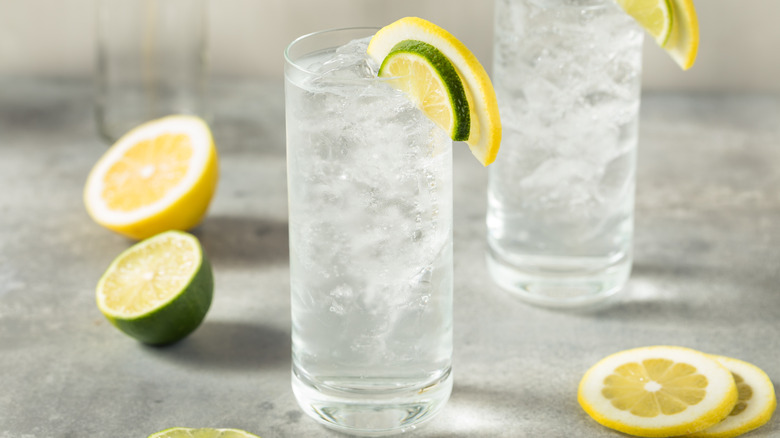
The pairing of citrus and seafood is a well-known one. Lemon and lime are used alongside numerous traditional fish dishes, like ceviche, for example. So why not add both at once with a can of your favorite lemon-lime soda? Sodas like 7Up and Sprite are light, refreshing, and sweet, and just like the citrus fruits they brand themselves after, most ingredients that go well with lemon and lime also go well with a lemon-lime soda marinade.
Whether you prefer Sprite or 7Up does not matter. Just combine the soda with coconut milk, Thai basil, and lemongrass for a Thai-inspired marinade that can then be brought to a boil and reduced as a finishing sauce. Or, layer the soda with fresh lemon juice, garlic, capers, and thyme for a non-alcoholic take on a marinade that might typically use white wine. And lemon-lime sodas don't need to be kept for fish exclusively; go right ahead and give chicken a go, too. We particularly love a marinade of pickled hot peppers, honey, and lemon-lime soda for chicken wings.
3. Pineapple juice
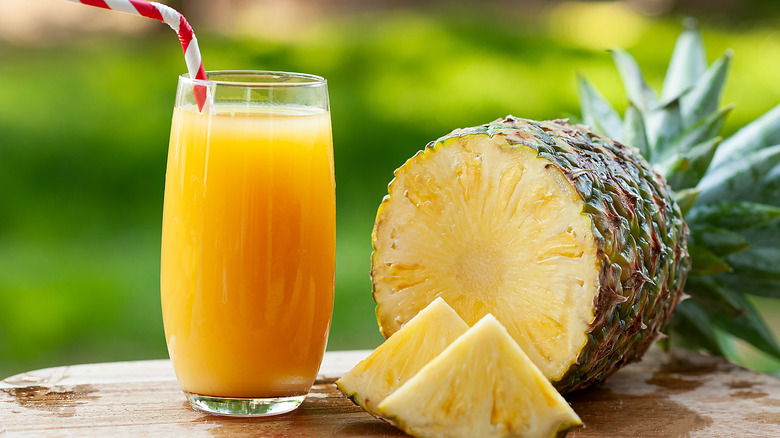
Pineapple is a quick way to transport our taste buds to a tropical place, even if we're not lucky enough to be there in person. You can invite island vibes into your kitchen by using pineapple juice in many marinades, whether it's the beverage version or just the leftover liquid from the chunks you used on your Thanksgiving ham. It's a wonderfully versatile flavor, too, pairing nicely with chicken, fish, and many pork cuts.
Pineapple's tropical flavors pair beautifully with a lot of different spices, herbs, and aromatics, but other fresh ingredients are also great additions. Onions and garlic are always a win, but coriander seed or fresh cilantro, mango, lime, oranges, passion fruit, fresh chiles, cumin, ginger, and so many more amazing options can also be added to create complex, tangy marinades.
A pineapple juice marinade can also be brought to a rolling boil, then used as a braising liquid, or reduced into a sauce. There's nothing like a rich citrus, herb, and pineapple braised pork shoulder to make taco Tuesday a thing of legend. Add a tropical pineapple salsa on top, and whether it's pineapple-marinated pork, mahi mahi, or your weekly chicken dinner, you'll have a meal that takes you straight to white sand and sunny beaches.
4. Orange juice
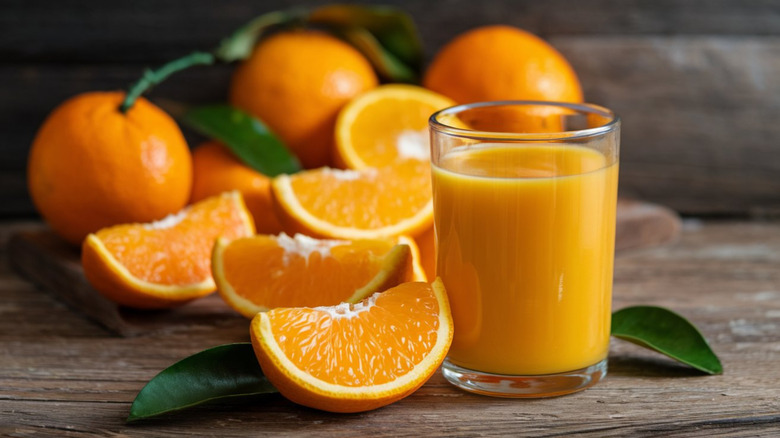
Some juices are already well-known as a marinade addition. Orange juice is one of those multi-use citrus fruits that can be loved equally as a snack or drink, and also as a base for a marinade, sauce, or dressing.
What we love about orange juice in marinades is that it can either be a main component or added as a splash to get a citrus zing. It's a way to use up those oranges you have no plans for, too. Even if you unluckily grabbed the most bitter and sour bag at the grocery store, a marinade can use them. Sour oranges are even preferred in some traditional marinated meats. Those Cuties that your kids suddenly refuse to eat, or that half-empty bottle of Sunny D — it's all worth a shot.
And while we love the flavors of garlic, chile, and sour oranges in a classic mojo recipe, orange juice really is a versatile flavor companion that can be used on pork, chicken, fish, and fruit. Plus, orange juice and tarragon are a fantastic combination with seafood.
5. Apple juice
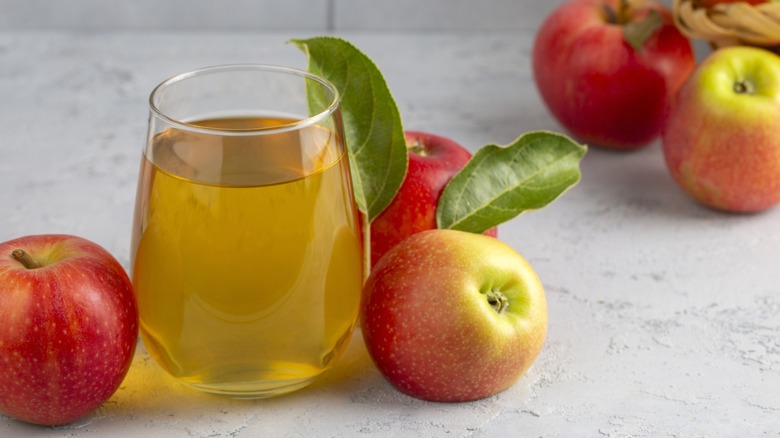
Apple juice is a superhero ingredient in our opinion; it's the base of most other fruit juices, it can make your tequila more palatable, and it is a popular ingredient in barbecue sauce recipes. Apple juice is sweet but mild, and depending on the brand of apple juice you prefer, it may be a bit tart as well.
To begin building a marinade with it, consider what you already know works with apple flavors, like barbecue sauce. Dark sugars like molasses or brown sugar would play nicely with apple juice, as would ingredients like ketchup, vinegar, or a spirit. Finish the marinade with salt, herbs like bay leaf or rosemary, and spices like mustard seed, ginger, or pepper.
A great place to start applying your apple juice marinade is to ribs, whether they're beef or pork. But honestly, whether you toss in chicken drumsticks, pork chops, or portobello mushrooms on the grill, apple juice marinades work well with all.
6. Black coffee

Consider that poor abandoned half-carafe of yesterday's coffee as an untapped source of flavor for your next marinade. If you've ever read a bag of coffee at a grocery store, you may have encountered the proud coffee roaster that details the "flavor notes" of their beans as thoroughly as a heritage wine-maker might, and that can be a great source of inspiration for your marinade.
Even just the four most common coffee beans offer flavor profiles that are extremely varied, ranging from nutty to fruity, with notes of chocolate, brown sugar, pepper, dried fruit, and more. But even if you aren't a connoisseur of coffee — and, like the average drinker, get mostly just rich, bitter, and bold notes from a cup of brew — a delicious coffee marinade still awaits your next meal of beef, pork, or game meat.
The bitter notes of coffee can take over, so balance coffee's harsher tendencies with salt, fat, and sugar. Soy sauce is a fabulous pairing, but just salt, brown sugar, and spices like paprika, cumin, chili powder, and ginger can make a fantastic marinade for ribs and roasts. If you're feeling bold, head down the pathway of a rich, mole-inspired marinade with cocoa, smoked and dried chiles, and whole spices and herbs. You might just find your coffee-marinated meat is your new favorite recipe.
7. Stouts or porters
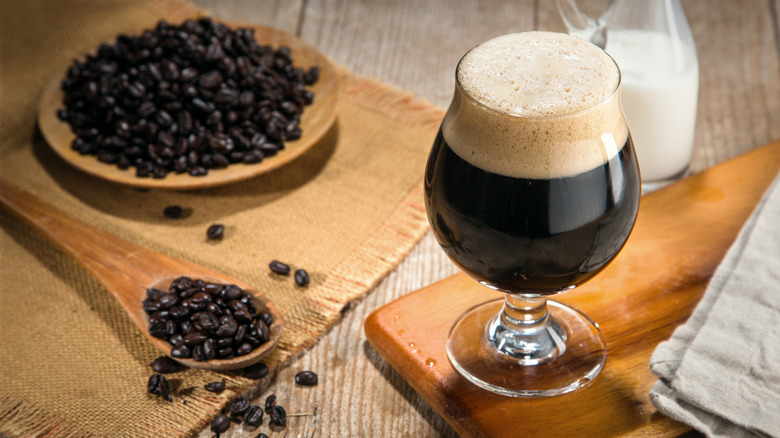
We're big fans of using stouts — and their equally flavorful cousins (porters) — in cooking, especially in a good marinade. Both drinks often boast similar flavors. Notes of coffee, chocolate, caramel, molasses are words often associated with these beers, which makes them a delicious component to include in a marinade.
As always, balance is key. Onion and garlic is fantastic place to start. Also, adding strong herbs — like rosemary, thyme, oregano, and sage — or spices — like mustard seeds, coriander seeds, or pepper — can round out the bitter intensity of the beers.
Just like braising, these marinades are ideal ways to tenderize tougher cuts, and we 100% encourage you to try the classic beef and Guinness stew route at least once. After a nice long soak, bring that marinade to a boil. Then, add in beef stock, herbs, spices, salt and the marinated meat. Next, get to braising. Add carrots and potatoes during the last 30 to 40 minutes of cooking, and you'll have a meal that will warm you straight to your bones.
8. Red wine

Red wine's power to develop incredibly flavorful dishes has been well-known for a long time, and if you've never tried cooking with it, we recommend you start now. Whether you want to shop for the perfect Burgundy for beef bourguignon or you just want to throw what's left of that girls' night Cabernet into a bowl, red wine delivers tenderness and flavor all at once.
Knowing what foods a particular red wine pairs well with can guide how you use a red wine marinade. Pinot Noir often settles in as a lighter wine, with Merlot coming in a little darker, but both can be used for beef, game meats, and poultry. Full-bodied wines like Cabernet Sauvignon and Zinfandel tend to pair best with beef dishes such as a roast, brisket, some ribs, or a steak. More intense game meats can also go nicely with heavy red wine, especially in marinades that incorporate berries or other fruit juices.
A good strategy is to keep these marinades simpler. Herbs, salt, stock, aromatics like onions and garlic, or classic spices like mustard and pepper, are ingredients you can count on every time, no matter the red wine you have.
9. White wine

Cooking with white wine can produce an all-time favorite kitchen smell, especially with herbs, garlic, and fresh seafood added to the mix. If you have that half-bottle of white wine lingering in the back of your fridge (or even if you crack open a new one), we definitely recommend that you give white wine marinades a try.
Of course, just like coffee, beer, and red wine, white wine has its own varieties and flavor tendencies to consider. We've noticed over the years that it's not uncommon to see recipes specify using a "dry" white wine, which you can translate to mean "not sweet." That means opting for wines marketed as light, refreshing, or crisp; our favorites being Pinot Grigio or Sauvignon Blanc.
White wines like those love to be paired with herbs, onions, garlic, citrus, and salt to create a fantastic marinade for chicken and fish alike. When you're done with it, don't throw it out! Consider bringing white wine marinades to a boil to make it safe, so you can harness all that flavor as a reduction or butter sauce. Serve it over the fish or chicken you marinated, but don't be shy; we won't judge if you add it to veggies, pasta, potatoes, and everything else on the plate. We sure would.
10. Brewed tea
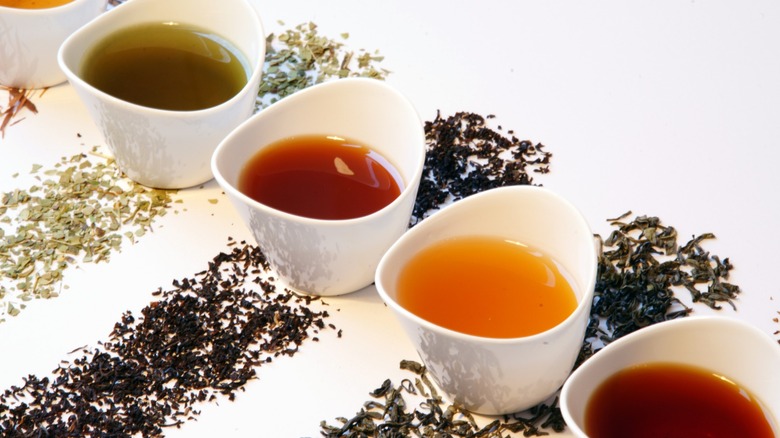
Tea as a marinade ingredient may not be as common or popular as wine, but it definitely shouldn't be disregarded. There are so many tea varieties out there with their own flavor profiles that each can create a unique and unforgettable marinade. What you like, of course, is completely dependent on the tea you like to drink.
Let's take classic English Breakfast tea as an example. Its dark, malty flavors go nicely with dark sugars, hardy herbs, or soy sauce, but can also be paired with lemon or citrus, and can stand up to richer meats like beef or pork, or go nicely with chicken. For fruit teas, we suggest taking a cue from its base flavors. Orange-based teas, for instance, would pair well with cilantro, red onions, and mustard seeds to develop a unique flavor for chicken or fish. And that super sweet tea from the South? It might just win your heart over as your new favorite steak marinade.
We'll admit, tea marinades are likely the type that would take some personal experimentation to get right for your particular palate. But don't discount that jar of random tea bags in your pantry next time you're searching for flavor inspiration; brew a cup, taste it, and build from there.
11. Rum
Rum, like many spirits, has been used in cooking for a long time. Rum raisin cake and rum balls are just a few of the cooking applications we think of right away, but the tropical, rich alcohol can do more than be flambéed for a dessert sauce. It also makes a fantastic addition to a marinade, especially when we consider the many different varieties of rum, from white to golden to dark, and the flavor nuance they can bring.
Fruit juice, especially tropical flavors like pineapple or mango, or citrus flavors like orange and lime, are a great way to start building a marinade with golden or dark rum. Add to that ginger and chiles, and we'd be happy to pour it over chicken, fish, or pork alike. Light rums are great accompaniments to coconut, lime, and mint, which can create a very refreshing marinade for shrimp or fish.
But honestly, veggies and fruits are also a friend here. Rum-marinated winter squash, apples, stone fruit, or carrots might just change your mind about whether you're satisfied with a simple roasted squash or sautéed apples ever again.
12. Whiskey or bourbon

Whether you're a fan of Irish whiskey, Scotch, or American Bourbon, this spirit is one that has so much flavor potential that we insist it goes on your "must-try" list. Different varieties also offer different flavor options, with rye whiskey leaning towards spicier notes, and bourbon offering an oakier flavor.
Pair either of these with pork, beef, or game to infuse the meat with big flavor, but don't stop there. All varieties of whiskey generally pair go with citrus — especially oranges — and dried fruits. Adding those abandoned raisins nobody in your house is eating to a whiskey marinade is a great idea, especially with a splash of orange juice or orange curaçao, too. Spicy additions like ginger, cinnamon, or allspice can enhance the natural spiciness of whiskey as well. Sweetness is another great direction to head; honey, maple syrup, or just regular white or brown sugar can mellow out the alcohol and intensity. Sweet potatoes, winter squash, or winter fruits like apples, pears, and quince are also great choices.
This is one of those marinades we recommend you boil after use. That makes it safe enough to then reduce and combine with sweeteners like apple juice, ketchup, and molasses to become the foundation of a delicious whiskey barbecue sauce that your taste buds — and those perfectly marinated and smoked ribs — will thank you for.