

12 Lesser-Known Wines Every Enthusiast Should Try In 2026
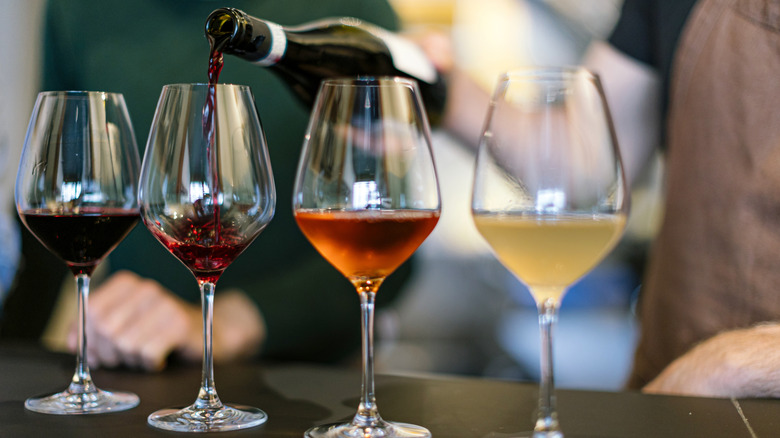
Wine might be one of the world's most misunderstood beverages. Some people hold it in such high regard that it can feel elitist. Others don't think about it much beyond grabbing a bottle for a date night or to take to friends. And while it's easy to find a perennial favorite like rosé, malbec, or merlot, there are thousands of wine varietals worth trying. Not only because they can be more economical, but also because they provide unexpected flavor and depth.
My own experience with wine began when I was working, oddly enough, at an Absinthe museum in the French Quarter many years ago. While Absinthe is a spirit, meaning it's distilled, wine is fermented before being aged and bottled. The differences were striking and made learning about both types of alcohol especially interesting. The following selections include some personal favorites that can be enjoyed by themselves or with a wide variety of foods.
In 2026, more wine drinkers are looking beyond familiar varietals in search of lesser-known wines that help expand their palate and impress their foodie friends. The varietals on this list are complex, with varying levels of acidity and tannins that provide distinctive tastes. They're also incredibly versatile, and most won't put much of a dent in your wallet. So whether you want to try a few on your own or go to a more formal tasting, these are some lesser-known wines worth exploring.
Mencía (Spain)
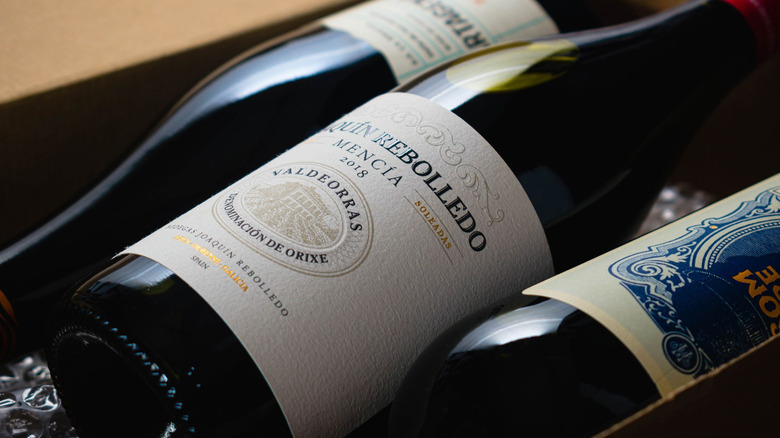
Mencía has a natural pepperiness that pairs well with spicy and grilled foods. If you'd like to have a glass with some cheese, white cheddar, manchego, and Monterey Jack are all good options. And because the U.S. is one of the main importers of the wine, you won't have too much trouble finding a bottle. You can buy a good-quality varietal between $15 and $20, and, unlike many red wines, it tastes delicious slightly chilled. One kind from Ribeiro, Spain, called A Telleira Mencia, is around $18 and has a lovely floral quality that I pair with roasted duck and a spiced blackberry/cherry sauce. If that sounds too heavy, it also goes wonderfully with simple spaghetti.
Mencía is often compared to aromatic red wines like pinot noir, thanks to its deep fruit flavors and earthy undercurrent. It's currently experiencing a revival in Spain, where it typically grows in more mountainous areas. The grape is currently grown on around 22,000 acres of the Iberian Peninsula, which contains both Portugal and Spain. In Portugal, you'll find it sold under the name Jaen.
Zweigelt (Austria)
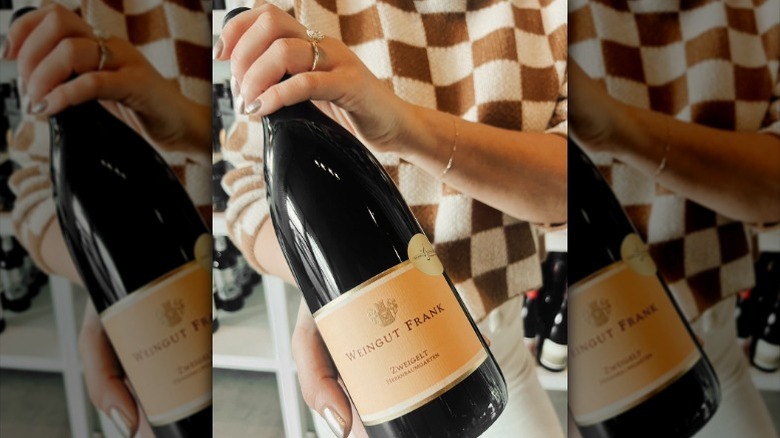
This red wine is made from one of Austria's most abundant grapes. Zweigelt is similar to pinot noir, with a lovely deep red color. Like Mencía, Zweigelt has a natural pepperiness and is often blended with other reds, like cabernet. The process of blending red wine is fairly straightforward, with vintners combining different wines — or the same wine from different vineyards — to create something new. That's not to say that Zweigelt isn't great by itself. In fact, it's the most popular red wine in Austria.
The grapes, also known as Rotburger, are relative newcomers to the wine scene, having been created in 1922 from a hybridization of Blaufränkisch and St. Laurent. That newness carries over to the wine itself, with most bottles best enjoyed within three to five years of bottling. The result is a fresh, fruit-forward wine with notes of cherries and raspberries, lively acidity, and low tannins that keep it from becoming overly dry.
Dishes like osso buco or schnitzel go well with the wine, but if you'd like something lighter, a roasted squash ravioli or mushroom polenta work well, too. Since it's comparable to a pinot noir, you can even try it with fried chicken for a more unique pairing. The wine typically costs between $10 and $50, with a personal favorite being Weingut Meinhard Forstreiter Zvy-Gelt. This varietal goes for around $11 per bottle and is beautifully balanced between deeply red fruit flavors and gentle tannins. Its approachable style and affordable price make it an easy varietal to explore if you're looking to branch out beyond more familiar reds this year.
Fiano di Avellino (Italy)
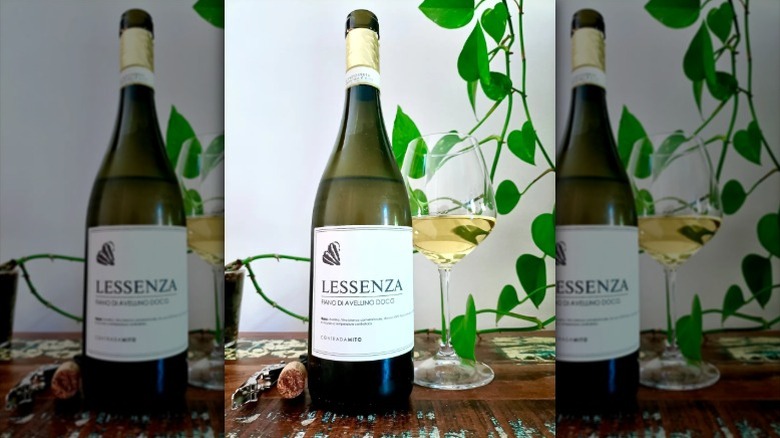
Fiano grapes are some of the oldest vines in Italy, dating back 2,000 years. The white wine is often grown in the Campania countryside in the volcanic soils of the Apennine Mountains and used to make Fiano di Avellino. The wine's flavor is often described as being like Chardonnay. The terroir and sun add to the grape's sweetness and create a toasty flavor. The grapes are so sweet that the ancient name for them was "vitis apiana," meaning "beloved by the bees." And it's true. Even now, when it's time to harvest, bees swarm the vineyards to feast on the grapes.
In addition to being flavorful with medium acidity, the wine doesn't have to be decanted, saving you time when you want to just open a bottle and pour. It's generally served chilled and can be aged for over a decade before it begins to degrade. But the older the varietal is, the more costly it's likely to be. For instance, some 10- to 12-year-old bottles run up to $130, but younger versions start at $10 and average about $35, making it a better choice for those who want good quality without the high price tag.
Its sweetness pairs well with seafood, herb-rubbed meats, soft cheeses, and a variety of roasted vegetables. If you want to try it with pasta, pair it with a creamy sauce, as its acidity cuts through the cream's fattiness. You can also add a piece of roasted or grilled fish to round out the meal.
Godello (Spain)
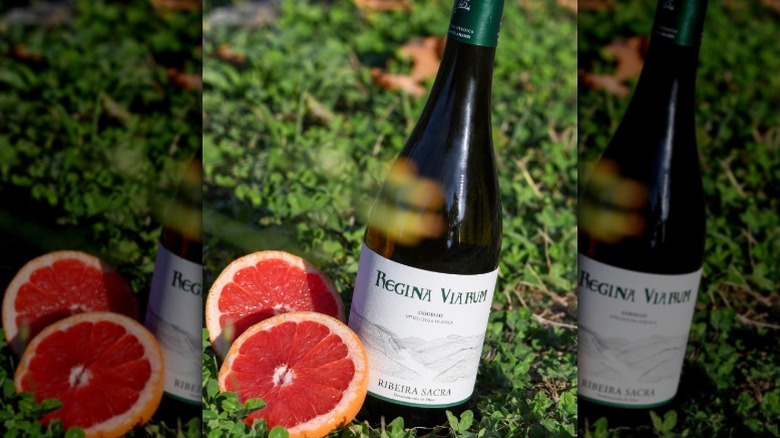
Godello is a white wine best consumed fairly fresh, as it only lasts up to five years in the bottle. It's great for unexpected company because it doesn't have to be decanted. However, it should be served chilled to bring out its primary flavors of grapefruit, lemon, and salt. It's dry, with a golden-yellow appearance and medium-high acidity, similar in flavor to a well-balanced, oaked Chardonnay. Godello goes best with seafood, citrus fruits, sweeter herbs, and nuts. One of my favorite ways to have the wine is with pasta topped with grilled shrimp, lemon cream sauce, and toasted crushed hazelnuts or almonds for texture.
The resurgence of Godello is a testament to the people who worked for decades to keep this variety alive. By the 1970s, Godello grapes were all but extinct, but concerted efforts beginning in 1974 helped reestablish the vines. Now, there are nearly 2,500 acres of the vines across Spain. Depending on the vineyard and where the varietal you choose is grown, it can range anywhere from $10 to nearly $100 per bottle. However, the majority of Godellos tend to be on the lower side of that price spectrum. A great kind to start with is Bodegas Virgen del Galir 'Maruxa" Godello because it's easy on the palate while delivering great flavor without too much acidity. And at $18 per bottle, it's not as large an investment as other labels.
Arneis (Italy)
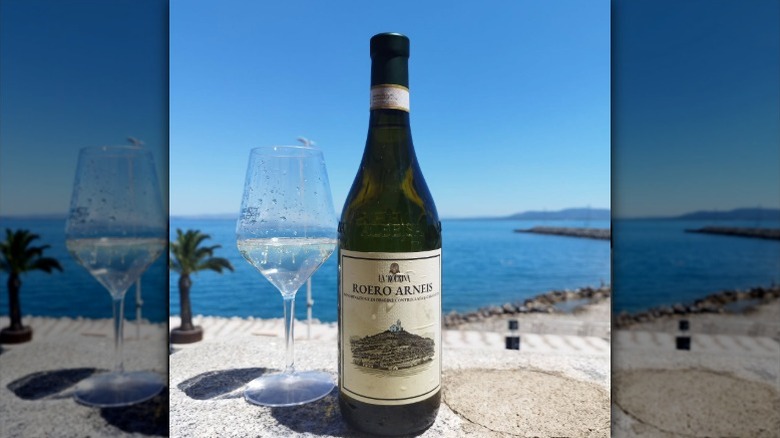
Known as a ready-to-drink wine, Arneis should be enjoyed quickly after bottling for the best taste, though it can last several years in the bottle. It's often slightly dry and goes well with many vegetables, fragrant herbs, nuts, and creamy sauces or cheeses. For the bold among us, pairing the wine with something salty and acidic, like salt-and-vinegar chips and a soft cheese, can open up whole new worlds of flavor. That combination, along with prosciutto, is a great quick appetizer or girl dinner when you're in a hurry. And with a bottle costing between $10 and $45, you're sure to find one at the perfect price point. For instance, Marco Porello's Camestri varietal has a lightly tart apple/citrus taste that works well with your upscale nachos for around $15.
Arneis is one of the world's rarer grapes. It's grown on less than 3,000 acres worldwide because it's notoriously hard to cultivate through to harvest. In fact, its name means "little rascal" in the local dialect because of its finickiness. This medium-bodied white wine was once known as "White Barolo." Like Godello, this grape was once nearly extinct before preservation efforts helped save it. It's still produced in the Piedmont region of Italy, and Australia is developing a taste for the wine as well.
Tsolikouri (Georgia)
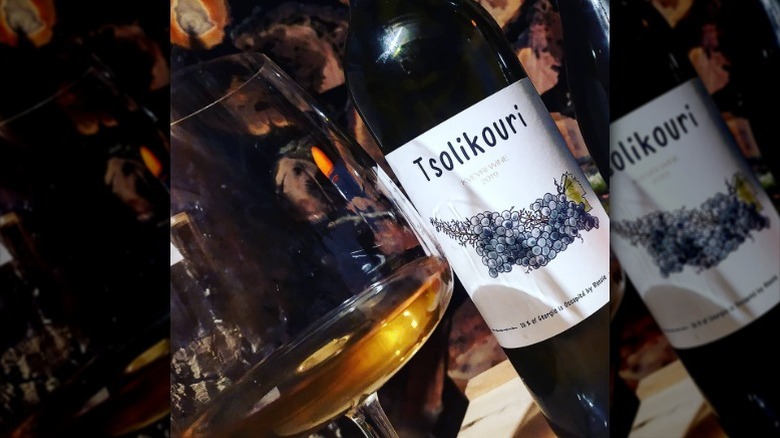
Tsolikouri is a crisp white grape variety primarily grown in the country of Georgia that yields anything from a medium-robust-bodied wine. Tsolikouri is also often sweet or semi-sweet, as its sun exposure increases the natural sugars, but it's bottled in blends or as a dry white, semi-sweet, or orange variety. Orange wines are produced when a white grape is fermented with its skins, giving it a deeper color and more flavor than traditional whites.
Whichever kind you pick, it will go beautifully with a wide range of foods. The sweeter versions can be a dessert wine, while semi-sweet, orange, or dry ones pair with fish, mushrooms, toasted nuts, aged cheeses, and spicy foods. Lemon-garlic chicken or flaky white fish with a cheese bread, such as Khachapuri, make a superb accompaniment for the wine, which typically costs between $14 and $40 per bottle.
Drinking a glass of Tsolikouri is like taking a step back in time. Georgia has one of the oldest and most diverse winemaking traditions in the world. There are over 500 indigenous grapes grown there, and evidence of wine production goes back more than 8,000 years. Even today, vintners in the country age their wines in amphoras, or traditional clay pots, which make wines like Tsolikouri close to what we believe people in the Stone Age were drinking.
Agiorgitiko (Greece)
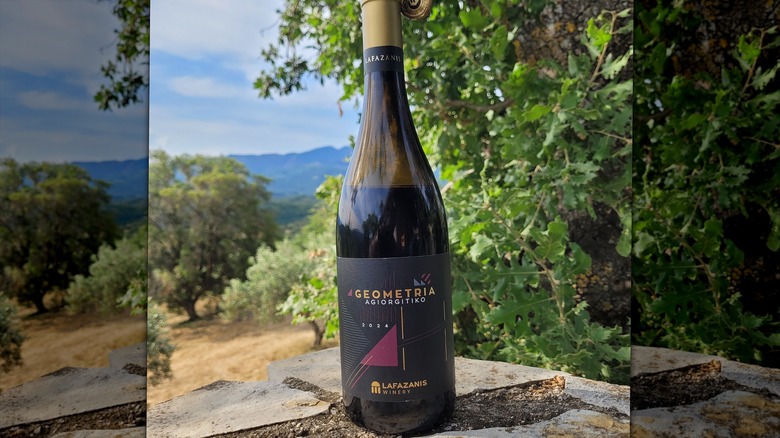
Agiorgitiko is one of the most widely grown red grape varieties in Greece. It's dry with medium acidity and strong tannins. Fans of merlot are likely to enjoy this red wine due to its deeply fruity flavors, including plum, blackberry, and raspberry. Notes of pepper and nutmeg also add a gentle warmth, which makes the wine great for pairing with spicy foods, tomatoes, and grilled or roasted meats. In fact, this is one of my favorite wines to serve at a party. It's wonderful with simple appetizers like bruschetta or caprese skewers with mozzarella, cherry tomatoes, and basil. And with a bottle starting at $11, it's not going to hurt your wallet to grab a a few for the gathering.
The grapes have a long history in Greece, and different regions have their own spins on the wine. Different varietals are aged in everything from oak to imported woods to give them a distinct taste. It lasts a decade or more in the bottle when stored properly and should be decanted before drinking. In Nemea, Agiorgitiko is called the "blood of Heracles," the Greek name of the mythological Hercules. Nemea is so proud of its wine that Agiorgitiko is the only grape that can be grown there, making this region's versions particularly prized by fans.
Öküzgözü (Turkey)
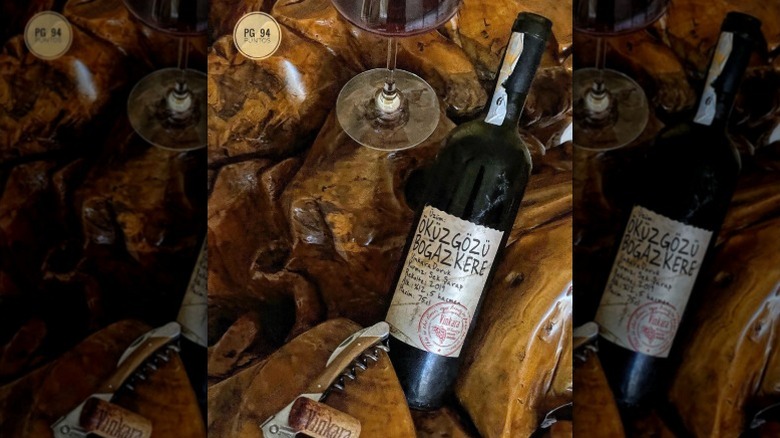
Öküzgözü is just one of the hundreds of types of grapes grown in the Republic of Turkey. This deeply red wine is sometimes compared to malbecs, merlots, and pinot noirs, and its vibrant flavor is excellent with roasted meats like duck. It also pairs with rich eggplant dishes, as well as citrus fruits and strong herbs. If you want to try it with a Turkish dish, manti is an excellent choice, although the pasta can be very time-consuming to make. If you want the same garlic flavor with a creamy sauce and ground lamb, a quicker version called kiymali garavolli is an incredible choice that gives you a taste of some of the best traditions the country has to offer.
The fruit-forward wine is made from black, large, and round clustered grapes often compared to ox or bull's eyes by locals — which, fittingly, Öküzgözü translates to. It's an acidic wine with a good bit of sweetness and low to medium tannins, so while it has a slight sharpness, it won't dry your mouth out. And, like the other wines on this list, it is a more economical choice than many better-known wine varieties. A bottle will cost you between $16 to $35, with Kavaklidere Ancyra Öküzgözü providing a tart, aromatic experience for around $21.
Avesso (Portugal)
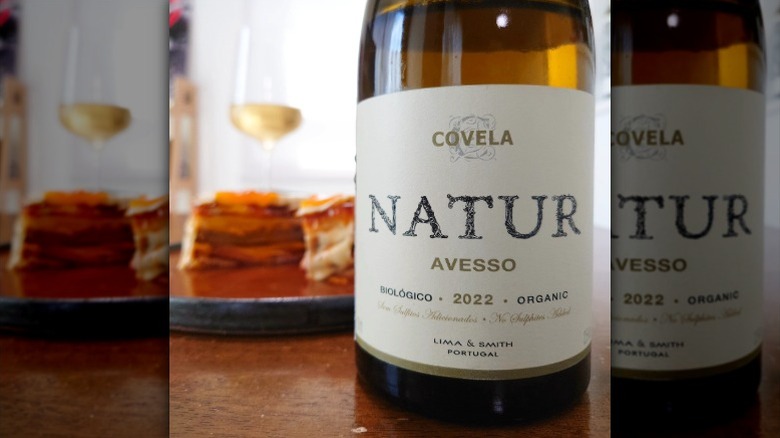
Avesso, an incredibly rare grape, is only grown on around 1,800 acres of land in Portugal. The grapes have very thin skins, which allows them to soak up sun and produce more natural sugars than other varieties. Those extra sugars increase the alcohol content when the grapes are fermented. That gives Avesso wines a kick that other wines produced in the Vinho Verde region don't have. It also might be what led to the name "Avesso" in the first place, as the word means "upside-down." Many of the other Vinho Verde grapes reach an ABV of 11.5%, but Avesso often has 13% or more, with a distinct medium to low acidity.
This white wine will be a hit among fans of sauvignon blancs. Avesso has prominent peach, nectarine, or even mango notes, depending on how much sun the grapes are exposed to. In the end, it's crisp, with a mineral finish, and pairs beautifully with shellfish. A good quality bottle generally runs between $16 and $40. One varietal I look for is Quinta de Santa Teresa Avesso for its strong taste of honey and citrus. It's perfect for a lighter dish, such as piri piri shrimp or lemon-sauced pastas.
Pineau d'Aunis (France)
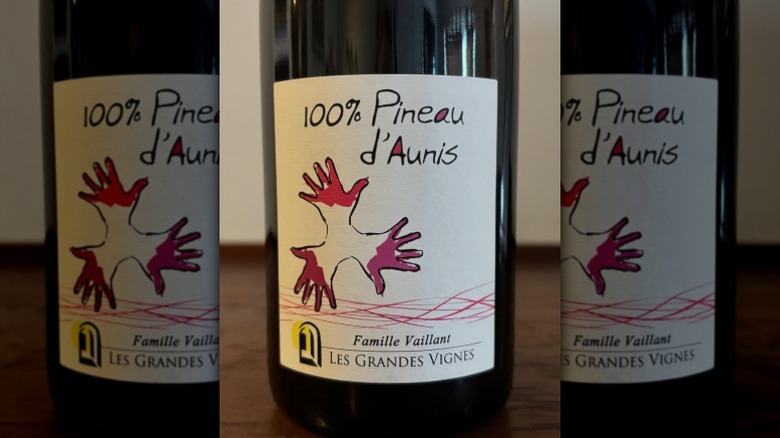
Pineau d'Aunis, one of the oldest grapes grown in France's Loire Valley, has a legacy stretching back to the 9th century, when it was prized by European royalty. Today, the grapes are often used in rosés and other blends, thanks to their natural pepperiness (and can go surprisingly well with spicy Taco Bell meals). But because this grape is exceptionally fragile, finding wines made with it can be tricky. Those willing to put in the work, however, will be rewarded with a light, fresh, aromatic wine containing just the right amount of sweetness and spice.
Also called chenin noir, Pineau d'Aunis has a fruit-forward character that's sometimes compared to pinot noir, although the latter won't pack the same punch. Pineau d'Aunis is a great food wine and pairs with everything from cheeses and truffles to mushrooms and light proteins like pork or poultry. For around $18, you can get a bottle of Vignoble Dinocheau Les Cots Touraine Rouge, a blended wine containing Pineau d'Aunis, chenin blanc, and rosé. I like to combine it with an herb-butter roasted chicken with garlic porcini mushrooms and shaved Manchego cheese for an incredible meal.
Torrontés (Argentina)
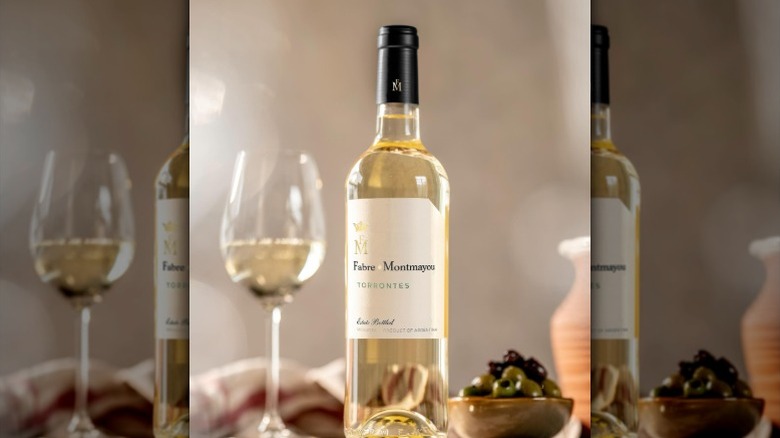
Argentina's favorite white wine costs around $15 a bottle. But that's only one reason to give Torrontés a try. Torrontés grapes are the result of a natural hybridization that occurred somewhere around the 1500s, and today, it's the grape most vineyards grow in the country. That's partly due to its popularity and partly because there are three varieties: Torrontés Riojano, Torrontés Sanjuanino, and Torrontés Mendocino. The Riojano is what you'll find most often, and for good reason.
Torrontés Riojano is a dry white wine that's often compared to riesling. Riojano's finish is preceded by floral and citrus notes and a mineral undercurrent. The wine is acidic but not overly so and is best served chilled. It will typically last three to five years in the bottle, though its sweet aroma and dry character can make it a bit confusing for beginners. For those who want the challenge, try pairing it with spicy foods, soft cheeses, roasted meats, and root vegetables. If you're interested in grabbing a bottle, El Esteco Extremos Torrontés is a low-priced pick that goes well with a citrus, chili, and herb-rubbed pork loin, thanks to its notes of stone fruits and citrus.
Furmint (Hungary/Germany)
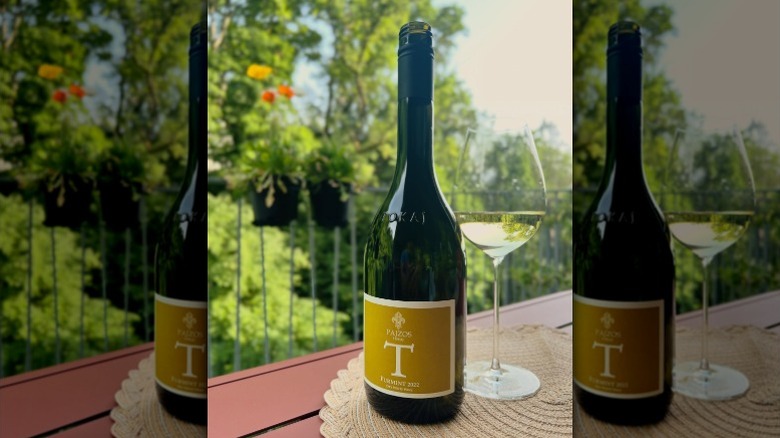
If you like chenin blancs, then Furmint just might be a new favorite. You'll find it as a varietal and in blends, with many good-quality bottles, such as Chateau Megyer Tokaji Furmint, which costs around $20. That makes this another economical choice for those wanting to try a bit before committing to pricier versions.
The wine is quite versatile, with vintners bottling both sweet and dry versions. Furmint is known for both acidity and minerality, and is great with seafood and spice, although the sweeter versions can be paired with various cheeses and fruits. To cover all the bases, you can try it with a great Southwestern-inspired salad with roasted corn, chipotle dressing, smoked goat cheese, and grilled chicken over arugula. It's a personal favorite that delivers incredible taste without too much time in the kitchen.
Furmint is currently grown across 10,000 acres in Hungary. The grapes have been cultivated in the Tokaj region for more than 400 years, making it an old variety that's gaining new ground. The traditional wines are long-lasting, with some varietals lasting upwards of a century. Furmint wines have a high acidity and notes of citrus fruits, honey, hazelnuts, and even smoke, thanks to the minerals they contain. How long the dry versions can last is up for debate because they're too new to really know yet. But sweeter varietals are often good for decades, so it'll depend on the variety you buy.