

10 Ways You Should Be Using Worcestershire Sauce Beyond Steak

The pronunciation of this rich, savory sauce is so contested that most people never bother to learn how to say it (WU-stuh-shur). In the same way, many people simply use Worcestershire sauce for red meat and never consider it anything more than a steakhouse staple. However, that oversight is costing cooks a quick, easy way to add depth, dimension, and umami to a variety of dishes.
Oddly enough, Worcestershire sauce was discovered in part by being overlooked. John Wheeley Lea and William Henry Perrins stumbled upon the recipe for the savory concoction in the 1830s. The initial batch they'd made was declared inedible and sealed into wooden barrels in the basement of the Worcester, England, pharmacy that they ran. Around 18 months later, one of the barrels was unsealed and sampled. What had been a salty, unpalatable mess had aged into a deeply savory, umami-rich sauce with a dark brown color and a sharp finish.
The duo named the sauce after the town that helped create it and began promoting it heavily. They advertised that the sauce could be used on almost every dish, and that it came from the favorite recipe of a local noblemen. While the latter claim could never be proven (but really, who could blame them for wanting to drum up publicity?), the first claim is easier to verify. A dash of the stuff can awaken your palate and complement unlikely flavors in things as diverse as stews, drinks, and roasted nuts.
Add umami depth to stews
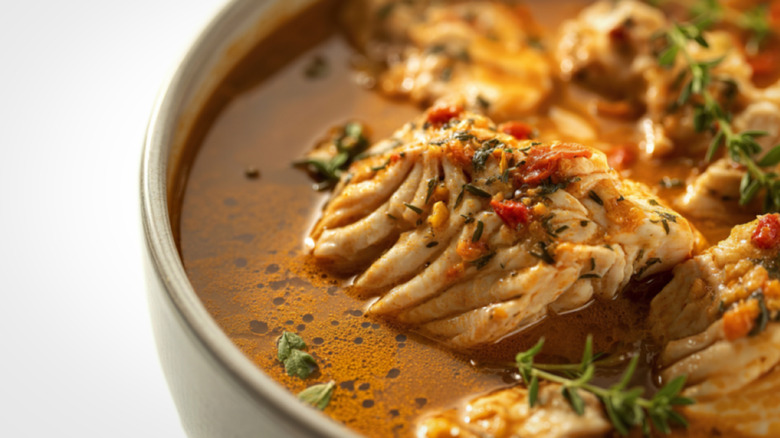
With just a bit of Worcestershire sauce, you can make stews, chili, and soups more flavorful. The concoction's complex acidity complements other ingredients while maintaining its own distinct presence in the mix. The version sold here in America also typically uses molasses as an ingredient, giving the sauce a hint of dark sugariness. That acid and sugar combo is what makes Worcestershire sauce such a powerful force in dishes that braise or simmer for hours. But that doesn't mean you need to add a lot of it to a recipe to make an impact. In fact, it's better not to. The condiment is particularly strong, so a little goes a long way. While Worcestershire sauce adds instant depth to your cooking, incorporating too much means you won't be able to taste anything else.
French onion soup benefits from a hit of the tangy sauce, which deepens its savory quality and highlights the natural sweetness of the cooked-down onions. Beef stews are also elevated by it, but try a splash of Worcestershire in fish-based soups, too. The anchovies in the sauce bump up umami-fishy flavors while sugar, chiles, and tamarind meld the dishes together.
Give marinades an almost smoky quality

Marinating meats, like hamburgers, with Worcestershire sauce is a great way to ensure a tasty meal. But don't stop there. Chicken, pork, and seafood can get an unexpected kick from it, as well. The rich, deep umami taste of this dark colored liquid brings depth to marinades, while the acidity from its vinegar helps tenderize the meat. Even a veggie burger can benefit from a dip in Worcestershire. The sauce will give the plant-based patty a rich, smoky, meat-like taste (but more on that later).
Whichever protein you choose to try a Worcestershire marinade on, there are a few tips for getting the best flavor from the condiment. Worcestershire has a complex taste that can enhance a variety of ingredients. Citrus is one of them. The acidity from the two works well together and helps break down the protein's fibers, making the meat more tender. Adding honey to the mix adds sweetness, but also complements the molasses and sugar in the Worcestershire sauce. Hot sauce, jalapeños, and chili powder are good additions to a Worcestershire marinade because they play up the subtle heat of the condiment. Mix and match these ingredients as you like to create tangy marinades that will wake up your taste buds.
Complement the savory dimensions of vinaigrettes
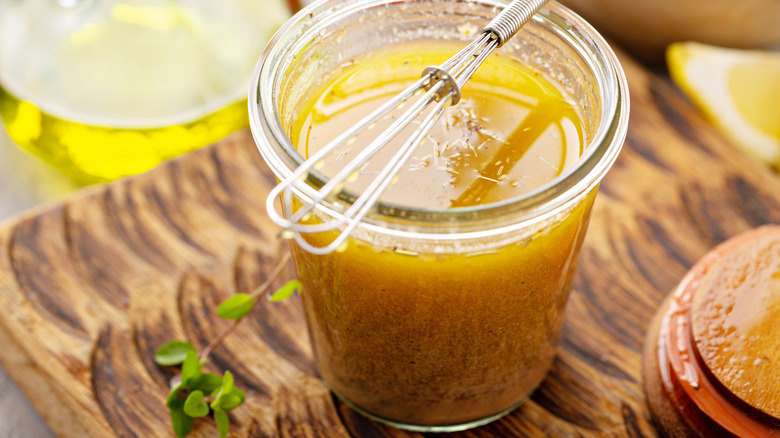
This sharp condiment is already an ingredient in Russian dressing recipes, providing a deep, savory taste. But that's far from the only way to brighten up a salad with it. One of Worcestershire's main ingredients is vinegar, so it's a perfect pairing with vinaigrettes. Adding a bit to Italian dressing gives extra dimension to the tangy concoction. You can also add Worcestershire to honey mustard or blue cheese dressings to easily up the flavor.
Although the pungent Worcestershire sauce is easy to overuse, that doesn't mean it can't serve as a base for a dressing of its own. The trick to making a Worcestershire sauce-based dressing is emulsion. Like with any vinaigrette, an ingredient has to act as a temporary bridge for the oil and water; otherwise, the two elements will remain separated. That bridging ingredient is called an emulsifier, and it's crucial to getting a creamy dressing. Mustard, mayonnaise, garlic, and egg yolks are among the most common emulsifiers in vinaigrettes. A classic vinaigrette ratio is three parts oil to one part vinegar, adding around 1 tablespoon of emulsifier per cup of dressing. Then, add a splash of Worcestershire before shaking vigorously, or using an immersion blender, to make a savory dressing and condiment customizable to your taste.
Complete a Bloody Mary mix

A Bloody Mary might be the most famous way to use Worcestershire sauce outside of steakhouses. But have you ever considered why the combination works so well? Part of it is the pungent sauce's acidity, and part of it is the sauce's saltiness, but mostly it's the way the Worcestershire balances spice without muting it. The sauce has chili pepper extract as an ingredient, so a hint of spice is expected. But what might not be expected is the way the slight heat, dark molasses, and briny depth meld with the sweetness of the tomato juice and sourness of the lemons. This complex drink becomes the perfect stage for flavor-filled tweaks, including hot sauce and bacon. In short, those few dashes of Worcestershire in a Bloody Mary mix tie the whole thing together.
Don't limit yourself to using Worcestershire sauce only in a traditional Bloody Mary — the drink has a variety of offshoots to try, too. The Bloody Caesar is a Canadian cousin to the classic Mary. The Caesar adds clam juice to the recipe, a surprisingly tasty move that complements Worcestershire's saltiness.
Spruce up the rim of a Michelada

Another use for Worcestershire sauce is the Michelada. This Mexican drink is a refreshing mixture of lager beer, salt, lime, hot sauce, Worcestershire, and either tomato or Clamato juice. The origins of the drink are hazy, but it's thought that ingredients like lime, hot sauce, and salt were used to cover the bitter taste of warm beer. The contrasting sour, salty, bitter, spicy, and acidic drink became popular as the Chelada. Later, Worcestershire and tomato juice were added as a nod to the Bloody Mary, changing the Chelada to a Michelada.
The drink became popular in the U.S. in the 2010s, as bars and stadiums began selling the beverage with and without elaborate garnishes, like shrimp skewers. Canned Micheladas and DIY kits appeared shortly after, letting everyone make the drink to their taste in the comfort of their home. Today, variations of the concoction use chipotle and habanero peppers for a kick, fish sauce for even more umami richness, or fruits, like mango, to balance the heat and bring some sweetness. Each of those selections benefits from a splash of the tangy and sharp Worcestershire sauce to highlight the drink's complexity.
Give vegetables a quick glaze for color and flavor

Worcestershire sauce has an earthy quality that's especially useful for bringing flavor to vegetables. Mushrooms, tomatoes, potatoes, and more gain a savory depth and deep color after being glazed with the sauce before roasting. Basting them with more of the sauce as they cook will result in even more browning and a more complex flavor. Roasting naturally brings out the sweetness in onions, garlic, carrots, and other vegetables. That sweetness pairs well with Worcestershire and another, more surprising, ingredient — vanilla. Worcestershire sauce, apple cider vinegar, mustard, and a dash of vanilla combine to become a marinade or grilling sauce for a variety of vegetables. Using the condiment in aioli makes an irresistible dipping sauce for vegetables, too.
Another way to use Worcestershire with vegetables is in casseroles. Something like a corn casserole can benefit from the rich sauce, highlighting the sweetness of the corn, the savoriness of the cornbread, and the creaminess of the dairy. Eggplant, zucchini, butternut squash, and pumpkins get a flavor glow-up from the condiment, too. Pumpkin or squash purees gain depth, while eggplant and zucchini take on briny and tangy characteristics.
Make gravies more savory
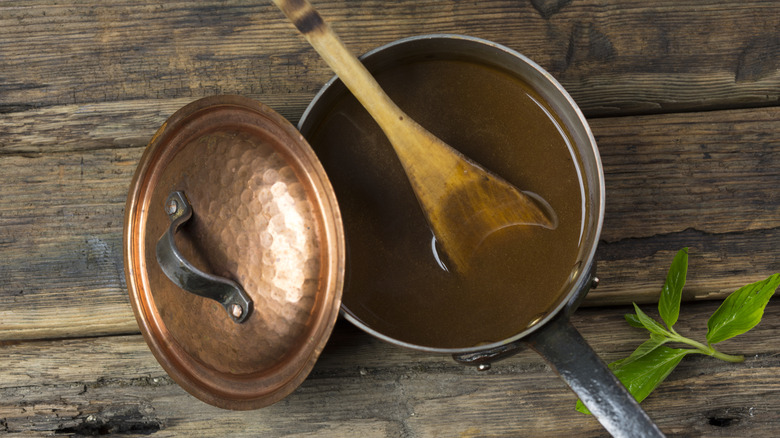
With Worcestershire sauce's reputation for well-rounded flavor, it's no wonder that brown and red gravies are enhanced by a few dashes or tablespoons of the condiment. Brown gravies, like au jus, are made with the leftover fats or drippings after the meat is cooked. Water, wine, stock, or other liquids are added to the pan to deglaze it, releasing the browned bits on the bottom for maximum flavor. To add richness, Worcestershire is incorporated into the gravy, granting the new sauce an instant boost of savoriness.
Red gravies, on the other hand, have a tomato base. Poured over biscuits or used as spaghetti sauce, red gravy is a classic part of many meals. Worcestershire works with these concoctions by playing up the tomato's sweetness while tempering its acidity. The condiment can also help fix tomato sauce that tastes metallic. Thanks to the anchovies in the Worcestershire, the sauce has a high level of glutamates, amino acids that trigger the umami sensation on our taste buds. Those glutamates trick the tongue into ignoring the metallic undertones of the gravy, giving you a quick way to save a pot of sauce that's been simmering all day.
Shake up standard dip recipes

You've probably noticed by now that Worcestershire sauce is the secret ingredient in dozens of recipes. Dips are no exception to that. French onion dips, for instance, usually have a splash of the sauce added as a way to enhance the onion's savory and sweet qualities. But other spreads don't get the same treatment, missing out on the unique combination of flavors Worcestershire brings. That's being rectified now, with guacamole and other condiments getting a quick upgrade from it.
Cream cheese dips do exceptionally well with a bit of Worcestershire added. The creamy, tangy cheese pairs perfectly with the sharp, spicy sauce to create a base for a wide range of flavors. For instance, French Quarter cheese dip combines cream cheese, grated onion, garlic, butter, mustard, pecans, brown sugar, and Worcestershire. The dip exemplifies how Worcestershire can tie ingredients together. The strong flavors of mustard, garlic, and onion highlight the savory aspect of the sauce, while pecans and brown sugar complement the sugars and molasses. Finally, the strong, pungent sauce combines with the creaminess of the cheese and butter to play up their tanginess.
Provide fish with an unexpected kick without risking overcooking
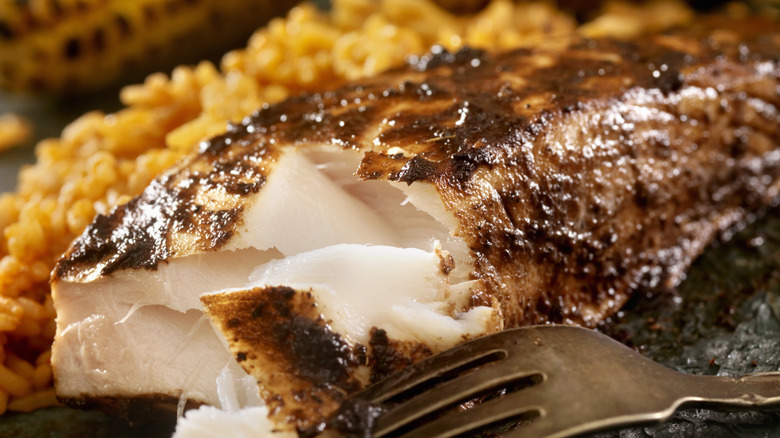
We talked about marinating proteins in Worcestershire earlier, so now let's talk about using the condiment specifically for fish. A variety of grilled fish gains a deep, smoky flavor from the condiment. Using a citrus marinade for fish is a tried-and-true way to cure the fish while imparting flavor. Just look at ceviche. Lemon or lime juices, along with salt, a bit of sugar, and possibly a few spices, take fresh fish from raw to lightly cooked, tangy, and refreshing. Adding a dash of umami-rich Worcestershire to a ceviche ups the complexity while complementing the flavors. You can also use Worcestershire sauce by itself or mixed with other condiments to brush onto baked or grilled fish.
Worcestershire is one in a long line of fish sauces. From ancient Rome to modern Southeast Asia, various fish sauces have been made for thousands of years. All of them have a deep umami quality and provide quick, rich flavor to whatever dish they encounter, thanks to the fermented fish they use as their base. In Worcestershire's case, anchovies are fermented in vinegar for up to 18 months to age the deep brown condiment. This creates the briny, tangy, and sharp notes that Worcestershire is known for.
Sprinkle on snacks to take flavor up a notch

Snacks are the ultimate way to use Worcestershire sauce. Try making things like savory cheddar cheese crackers with a little Worcestershire mixed in for depth and complexity. Use it to glaze spiced nuts before baking them in the oven to add a sharp, tangy flavor. Cheese balls take on extra dimensions with dried beef and Worcestershire at play.
But the ultimate Worcestershire-dependent snack is a good Welsh rarebit. You can impress your friends and use the bottle of Worcestershire sauce that's been on the fridge door for months — a win-win. To make a rarebit, you'll need a thick slice of bread, beer cheese, mustard, and, of course, Worcestershire sauce. The heated cheese sauce is poured over toasted bread and topped with chives, creating a savory dish that's perfect for a chilly day. And if you prefer a regular grilled cheese, Worcestershire can upgrade that, too.