

10 Burrata Cheese Substitutes Worth Buying
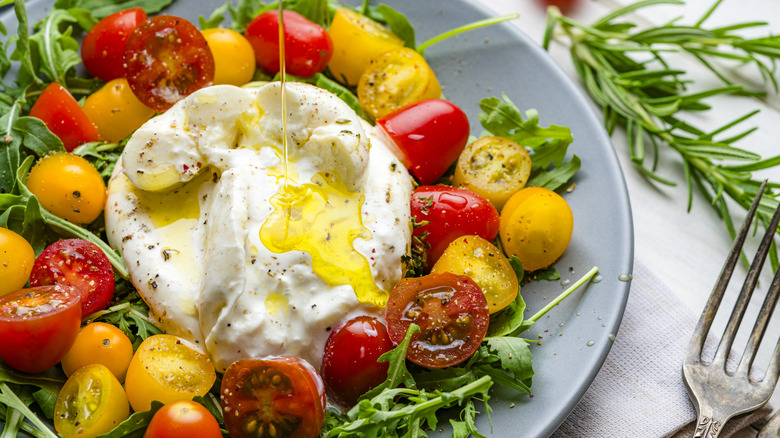
There's no cheese like burrata. Everything about it is indulgent: its clean, milky taste, its creamy texture, its dramatic presentation. If you're unfamiliar, picture a soup dumpling, but instead of a dough wrapper filled with meat and broth, imagine a thin mozzarella wrapper filled with cream-soaked shreds of ... wait for it ... more mozzarella! Amateur cheese lovers and fromage aficionados alike respect the brilliance of burrata. With a small incision, its mozzarella encasement bursts like an over-easy egg, creating a naturally creamy sauce or dressing.
But if burrata is such a gastronomic marvel, why look for any substitutes at all? It comes down to practicality. Burrata is frustratingly delicate, and any awkward jostle during transit risks piercing its fragile exterior. And like most other fresh, young cheeses, burrata only has a few days before its quality starts to diminish. That's why it's important to have some alternatives in your back pocket to bring out when fresh burrata is unavailable. Fortunately, we've got some, and we even enlisted the help of a couple of cheese experts – Emilio Mignucci, vice president of Di Bruno Bros., and Farideh Sadeghin, author of Cheesy – to identify some burrata substitutes that are actually worth buying.
Stracciatella
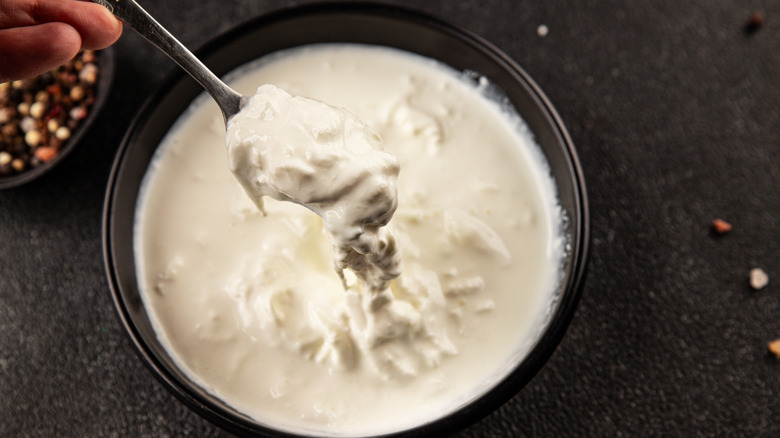
Stracciatella means "little rags" in Italian; however, this title can refer to any one of three dishes: a Roman egg drop-style soup, a gelato flavor, and, for our purposes, a decadent semi-solid mix of finely diced mozzarella and cream. Like many of the world's most prized gastronomic inventions, stracciatella cheese was created out of necessity. Mozzarella was originally sold as knots, not the balls or logs we know today. Unsold cheese was stripped or pulled into ribbons, like today's string cheese, and combined with fresh cream. What started as a thrifty innovation evolved into a completely novel cheese variety. Later, cheese makers began filling thin pouches of still-warm mozzarella with this luscious curd. The result was burrata.
Many dairy devotees would argue that stracciatella is the best part of the burrata, and it's hard to disagree. It's a near-identical stand-in, especially when spread on a crostini, added to pasta, or served alongside cured Italian meats. One drawback to stracciatella is that it's not easy to find at your local supermarket, partly because of its short shelf life, so you may have to venture to a specialty cheese store or gourmet Italian market to find a container. The only other disadvantage is that it doesn't deliver the same theatrics as slicing into a fresh burrata ball and watching the cream slowly cascade out. A small price to pay.
Fresh mozzarella
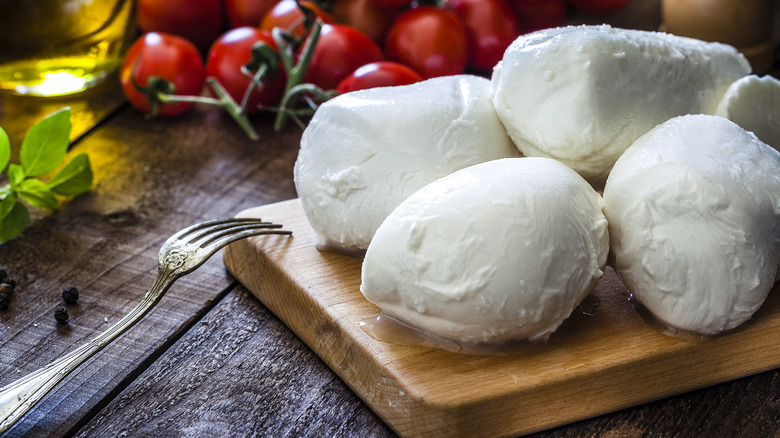
This is another obvious burrata substitute. (At the end of the day, burrata is just a thin mozzarella pouch filled with stracciatella, which, as mentioned above, is just more mozzarella!) If you've been lucky enough to enjoy a few balls of quality fresh mozzarella in your lifetime, then you know that this is a special cheese. A fresh ball is springy but soft, with just enough moisture to give the cheese some juiciness, but not so much that it's impossible to slice or cube. Flavor-wise, it should taste a lot like burrata, with an upfront presence of fresh cream supported by a mild saltiness and a nearly imperceptible whisper of pasture. Fresh mozzarella is worlds apart from low-moisture, overly-processed varieties common at most supermarkets, and the price — although not overly expensive — should reflect the quality.
But if you're craving that creamy, decadent burrata filling, Farideh Sadeghin says there's an easy way to use fresh mozzarella to recreate stracciatella at home. "I've heard of people tearing fresh mozzarella and mixing it with a tablespoon or so of heavy cream and a pinch of salt, then letting that sit for around 30 minutes to sort of replicate the gooey center you find in burrata," she says. Add a few scoops to a few slices of fresh mozzarella, then arrange on a plate surrounded by everything from cantaloupe to fresh tomatoes to radicchio.
Buffalo mozzarella
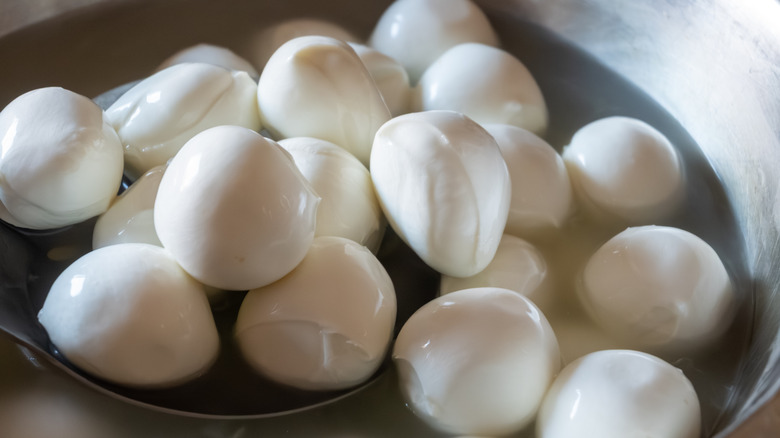
No, it's not just marketing — buffalo mozzarella is made from buffalo milk, though probably not the type of animal you're imagining. In the United States, when we hear the word "buffalo," we picture the big, furry, formidable American bison. In Italy, buffalo often refers to the smaller but still formidable Asian buffalo, also known as the water buffalo. Fresh buffalo mozzarella isn't as common as cow's milk mozzarella, and it's typically more expensive, especially if imported from overseas. Nonetheless, you should still seek it out if you want something that's simultaneously familiar yet special.
The secret to buffalo mozzarella is the fat content. Water buffalo don't yield as much milk as dairy cows. However, their milk contains a higher percentage of fat and milk solids, resulting in a richer, more unctuous mozzarella. This gives the cheese a luscious, custardy texture that's comparable to the cool creaminess of burrata. But the two cheeses diverge slightly in flavor. Buffalo mozzarella is rich and fatty, with subtle notes of earthiness and grass, whereas burrata delivers a more classic, clean milk flavor. That said, you can use the two interchangeably in most salads and pastas.
Ricotta
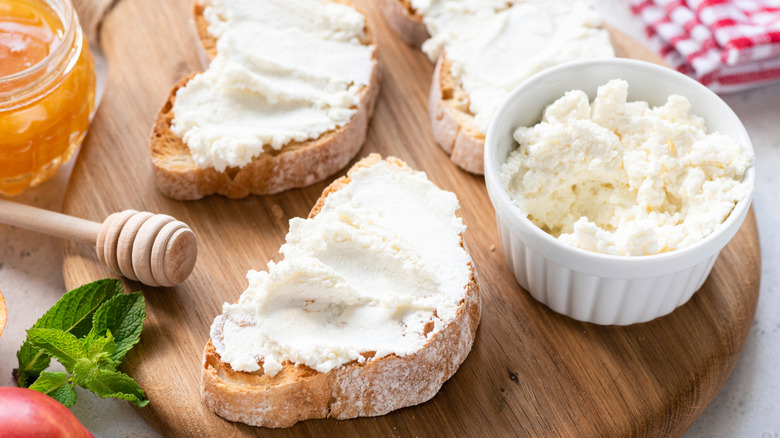
When it comes to mimicking burrata's creamy nature, few cheeses do it better than ricotta. While other cheeses require rennet or a boost of bacteria, ricotta is made through a process called acidification, which requires only milk, heat, and an acid like vinegar or lemon juice to create its fine, delicate curds. And since it's a young, unaged cheese, ricotta retains that simple milk flavor and doesn't develop the funky, meaty, sharp, or umami notes synonymous with aged or washed cheeses.
But ricotta is by no means simple, especially when made from different milks. "A sheep's milk ricotta is bigger and bolder than one made from cow's milk," Emilio Mignucci says. "It's fattier, with a pronounced barnyard flavor." This taste profile adds something extra to your plate, especially when you pair the ricotta with fresh vegetables or savory pasta. But the beauty of ricotta, regardless of the milk, is the malleability of its mild flavor. "Ricotta is a great vehicle because it takes on other flavors you want to put with it fairly easily," Mignucci adds. He recommends folding in fresh herbs, sun-dried tomatoes, truffle, or pesto, depending on if you want its flavor front-and-center or lingering in the background.
Robiola
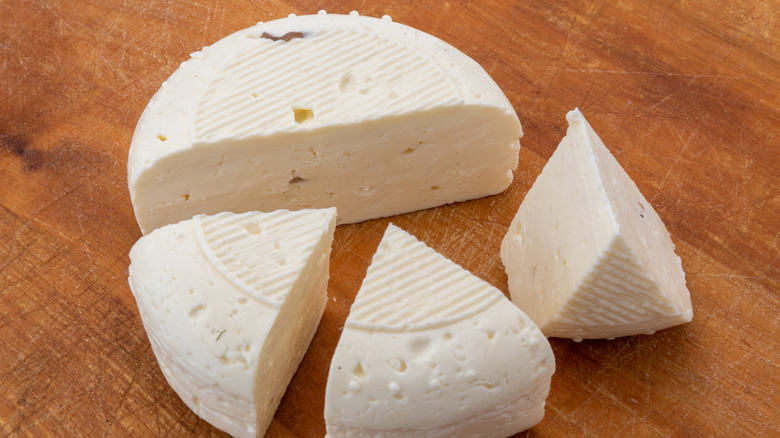
One of the more obscure cheeses on this list, robiola should be on your radar. It's hard to find at your average supermarket, but most Italian gourmet markets will carry it. So what makes this cheese worth pursuing? Robiola is a fresh and silky individually-wrapped Italian cheese. It's typically made from a combination of cow's and sheep's milk, giving it a clean, dairy-forward flavor, with a mild mushroom undertone and buttery mouthfeel. "A fresh and creamy cheese that's wonderful," Emilio Mignucci says. "It's another item that you can find in place of stracciatella."
A young robiola is white, pillowy, and clean-tasting, making it an excellent burrata substitute, but as it ages, the rind grows firmer, and it begins to look — and taste — more like a brie, an important insight to note when shopping for it. This cheese has a softer texture that's easier to spread on a crostini or focaccia. It's also great on a sandwich, paired with cured meats. Serving robiola with jam or fruit preserves is an excellent way to balance flavor and deliver a sandwich, salad, or cheese board that hits the trinity of sweet, savory, and salty.
Sheep's milk log
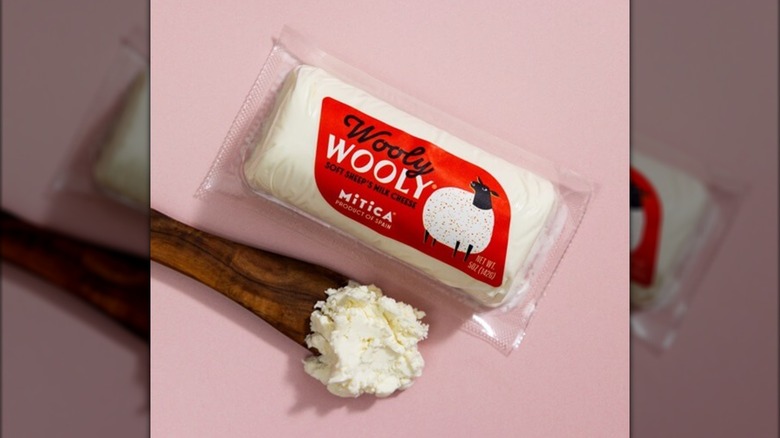
In the United States, cows outnumber sheep 16 to 1, which is likely part of the reason why sheep's milk cheese (and other products) are scarcer — and a bit underappreciated. But that just means you need to work a little harder to find them. And don't worry, your efforts will be rewarded. Compared to cows, sheep yield much less milk, but what they lack in volume they more than make up for in flavor. Sheep's milk has a higher fat content than milk from goats or cows, resulting in young cheeses that are fresh, smooth, and decadent, with an airy texture and a pale ivory color.
"It looks like goat logs," Emilio Mignucci points out, but sheep's milk cheese has clean tartness that's "very lactic, very unaged ... which is what you're looking for [in a burrata alternative]." The mild flavor pairs well with all sorts of salads, sandwiches, and fruits, but its soft, spreadable consistency is a natural fit for a hearty focaccia or toasted chunk of sourdough. The two downsides about this style of cheese are that it's perishable and somewhat difficult to come by. Mignucci adds that a few producers, like Wooly Wooly, make an excellent sheep's milk log that's more widely available.
Triple-cream brie
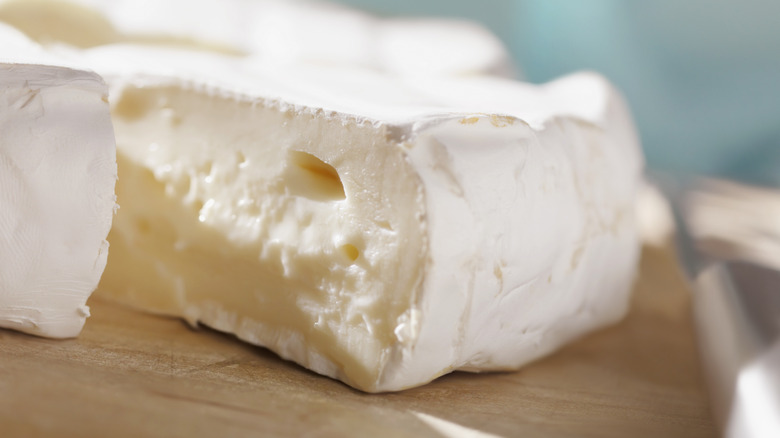
Brie is the people's cheese. It's approachable-yet-elevated, interesting without being overly pungent. Known for its soft, bloomy rind and sticky interior, a good brie can be the centerpiece of your cheese board, pairing well with salty meats, sweet jams, and crisp crackers. You can even wrap it in puff pastry and bake it to create a gooey crowd-pleasing appetizer.
But not all brie makes an equally good burrata substitute. A standard brie contains a minimum of 45% butterfat; a double-cream brie contains 60%, while a triple-cream brie only receives said designation if it contains a minimum of 75% butterfat. If you're looking for a burrata dupe, a good triple-cream brie is what you want. It's unctuous, rich, and literally oozing from its edible rind after you cut it. If your goal is to maximize the flow of fromage and mimic the a true burrata experience, bring the cheese to room temperature before making that first incision. While the textures are similar, a triple-cream brie has a much saltier finish. For this reason, pair it with underseasoned ingredients like bitter greens, doughy bread, and tart fresh fruit like raspberries and blueberries — not cured meats or pickled foods.
Mascarpone
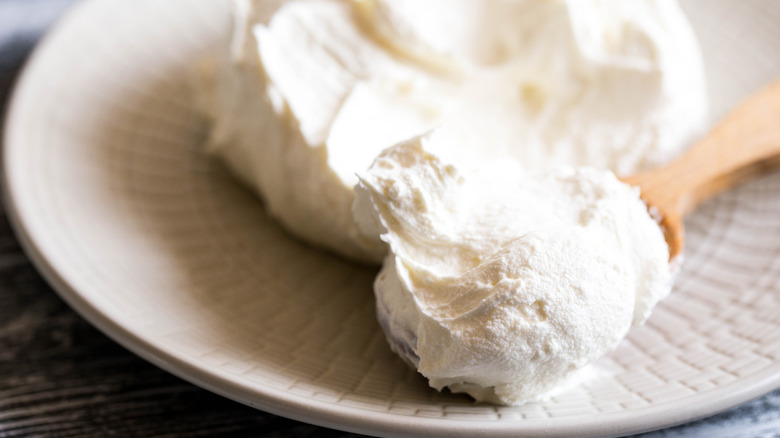
Some cheeses walk the line between savory and sweet. Mascarpone is one of them. Since they're both scoopable, acidified cheeses, people often compare ricotta and mascarpone. Although they share similarities, the two young cheeses differ in one important way: Ricotta is made from milk, and mascarpone is made from cream. This gives mascarpone a soft, whipped, cream cheese-like texture that's naturally smooth and velvety. With butterfat levels reaching up to 75%, this cheese is about as rich as a triple-cream brie.
When using mascarpone as a burrata substitute, you must first consider the final application. Obviously, this spreadable cheese doesn't have the springy bite of mozzarella, but its cream-forward flavor is a nice addition to any dish lacking fat. "It's a great substitute if you're making a pasta salad," Emilio Mignucci notes. As the mascarpone softens and melts, it coats the noodles with a glossy layer of cream. Its sweet, buttery flavor also makes it a good spread for sandwiches or a base for fresh tomatoes or room-temperature vegetables, but it really shines in desserts, like in mascarpone-stuffed poached apricots.
Full-fat cottage cheese
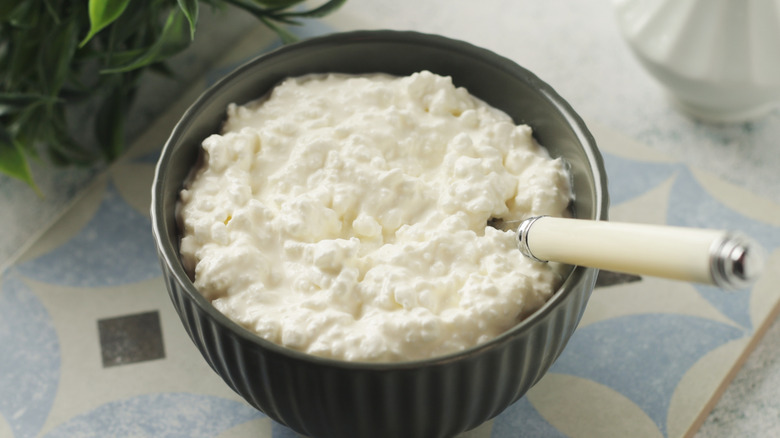
Its placement in the supermarket, typically next to the yogurt tubs, gives the impression that cottage cheese is in a different category than other acidified cheeses. And that's unfortunate, because this cheese is so much more than a nutritionally sound breakfast. Cottage cheese is similar to burrata in several ways. The curds are typically small and toothsome, and sit in a shallow milk bath, sort of like stracciatella. Flavor-wise, it can be a bit cheesier than burrata, with less of that clean dairy taste, but it's still relatively neutral, especially when paired with other ingredients.
Both burrata and cottage cheese do well with ingredients that benefit from extra fat and moisture, like fresh tomatoes, berries, melon, or roasted root vegetables. Burrata is typically served without much fuss — no sautéing, melting, or pan-frying, and the same goes for cottage cheese. It's more of a vessel that delivers moisture, richness, and an undercurrent of creaminess. Compared to lower-fat varieties, full-fat cottage cheese has a milder flavor that's less tangy, making it the closest substitute for a ball of burrata.
Camembert
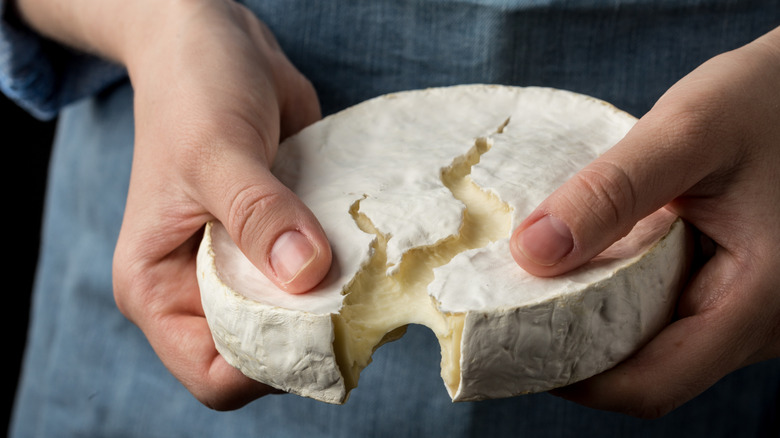
Burrata is a multi-purpose cheese, and in that regard, camembert is somewhat similar. Unlike a triple-cream brie, which is rich, salty, and luscious, a wedge of camembert is more texturally restrained, with a firmer body that holds together when sliced (though longer aging makes it a bit runnier). Cutting into the rind, you'll find an inside that's soft yet sticky. It won't ooze, but it will smush and spread with a little pressure from the back of your knife.
If you miss that creamy topping for your pizza or crostini, Farideh Sadeghin recommends camembert to "get that gooeyness that burrata offers." In terms of flavor, it's more pronounced than burrata, which can be a good thing depending on how you ultimately plan to use it. The mold that gives camembert its tender, edible rind also adds an array of tasting notes ranging from faintly mushroomy to mild allium, making it a terrific option for salads, sandwiches, and charcuterie boards — several of the more popular landing spots for burrata. But if you want to play around with your food, camembert takes well to all sorts of preparations: smoked, breaded and fried, or melted into a fondue.