

The 10 Best Ground Meat Shopping Tips
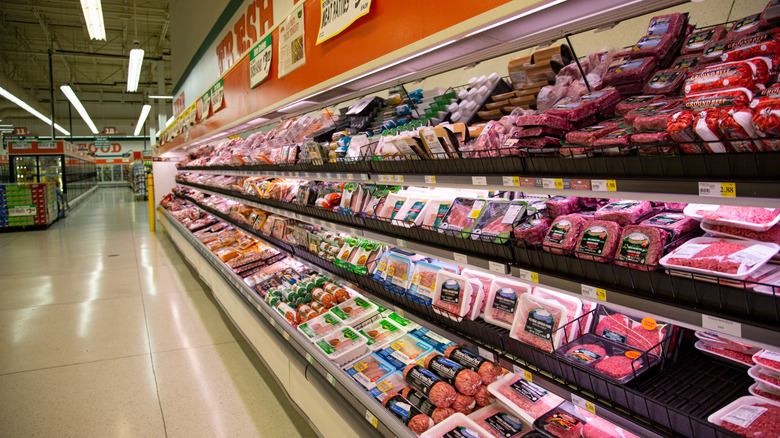
Whether it's beef, pork, or poultry, ground meat is a staple in kitchens across the United States, uniquely suited for dozens of dishes and cuisines. You can form it into patties, shape it into kebabs, pile it into lettuce wraps, sprinkle it over tofu, or mold it into meatloaves. But unlike steak, pork chops, or chicken breast, there's an underlying mysteriousness surrounding ground meat that can prevent shoppers from getting exactly what they want or need. While it may seem as straightforward as food can get, there's actually a lot to know about this ubiquitous source of protein.
When shopping for ground meat, you have to come prepared with a little knowledge and know-how. These featured tips will help you select the right meat for the right occasions. Most shoppers are probably familiar with the idea of lean-to-fat ratios, but does everyone know about grind size, modified atmospheric packaging, shrinkage, or a great short rib blend? These insights will not only allow you to get more bang for your buck, but they'll help you develop a greater appreciation for the product itself. So much thought, time, and planning go into each package of ground meat, and the more you know, the better your cooking will become.
Be mindful of grind size
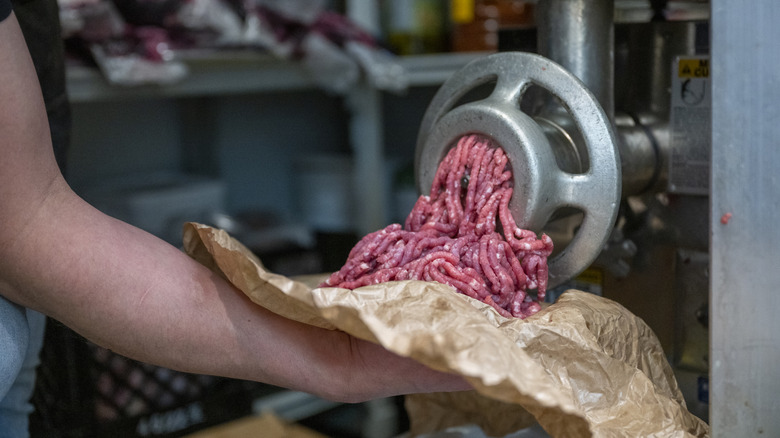
At first glance, ground meat may look the same, but those squiggly lines of extruded meat come in a variety of circumferences, primarily determined by grind size. At the end of a commercial meat grinder is a stationary plate with holes of various sizes through which the meat is extruded. Larger holes create a coarser grind; smaller holes make for finer, thinner strands of meat. This isn't just for aesthetics — grind size can affect the texture and durability of your final dish.
A finer grind breaks down completely, making it better for recipes that benefit from a smoother consistency, like meat sauce or lasagna. Finely ground meat also develops more myosin, a protein that serves as a natural binder and helps keep dishes like meatballs, dumpling filling, and meatloaf more or less glued together. This is best when density and structure, not juiciness, are the ultimate goal. Coarser grinds don't bind as easily, resulting in a heartier texture and more rustic appearance — think chunky Bolognese, stuffed peppers, or a meaty Sloppy Joe. If you want some bite to your chili or extra chew to your burger, go for a medium or coarse grind. Unlike lean-to-fat ratios or specific cuts, grind size is typically left off the package, so to identify a finer grind with just your eyeballs, look for meat that appears smooth and densely packed, with more uniform fat distribution.
Focus on fat percentage
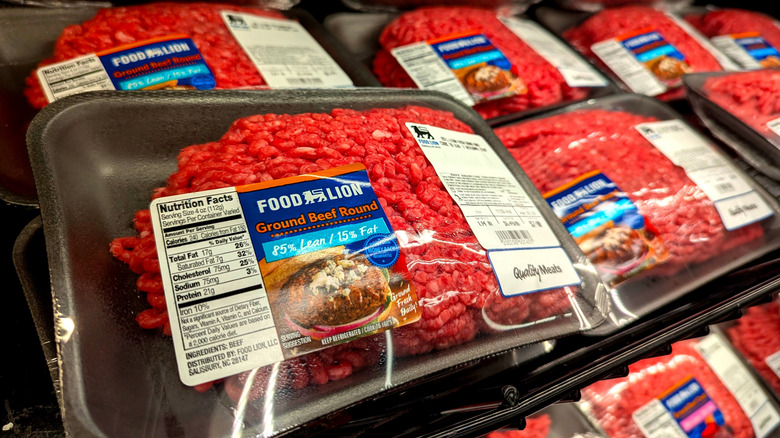
This is the most important detail to consider when purchasing ground meat. Presented as a two-number fraction, the lean-to-fat ratio tells you how much fat is in your meat relative to lean muscle. A meat's lean-to-fat ratio falls into three general categories: extra lean (10% to 15% fat), lean (15% to 20% fat), and high-fat (25%+); however, in packages of ground poultry, you can find meat containing as little as 1% fat. No ratio is necessarily superior to another; each combination has its own culinary advantages and drawbacks.
The ratio you choose should depend on the dish you're cooking. Lean meat is drier, chewier, and gives off less grease, making it better for sauces or chili where extra fat can be an issue, and for dishes that require tight cohesion, like meatballs or meatloaf. Since leaner blends often lack flavor and fat, cooks often blend in a proportion of fattier cuts to balance it out. Meat with a higher fat content (20% to 30%) is optimal for a grill or dry skillet — think taco meat, burgers, or a Cuban picadillo. As the fat renders, it coats the protein, giving you more time before the meat dries out completely and overcooks. Most professional cooks recommend an 80/20 blend for your standard backyard burger, but you should always experiment to find a ratio that works for you.
Avoid excess liquid in packaging
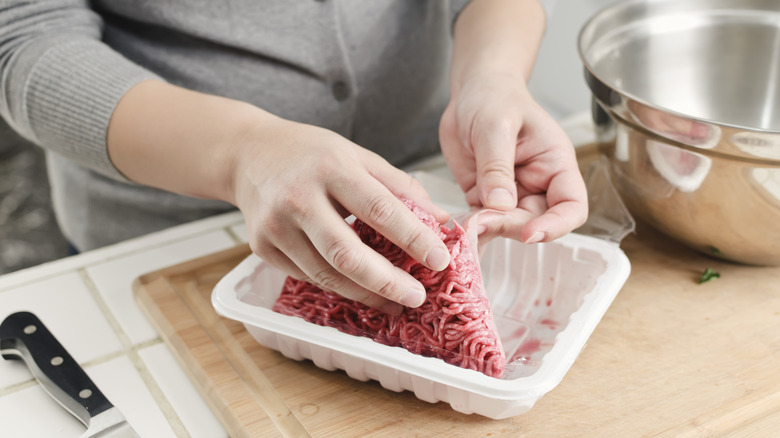
It's normal for ground meat to have a little extra moisture floating around, but too much liquid can indicate a quality issue. The meat industry has a word for this watery byproduct: meat-purge. So what is it exactly? It may look convincingly like blood, but the liquid you see emanating from your steak or ground beef is actually a mix of water and myoglobin, a protein that gives meat its reddish-purple hue. There are a few potential sources of excess liquid, most of them totally natural, while others — not so much.
Meat, like most of the body, is mostly water, which is what gives it its structure, texture, and juiciness. Over time, as the muscle fibers are cut, processed, and packaged, the water held within the cells is released and may pool towards the bottom of the package. Although this may be unappetizing to look at, it's not necessarily a quality issue. The bigger problem is when this moisture results from fluctuations in storage temperature. Continuous freezing, thawing, and temperature changes can increase purge and indicate a lack of freshness or over-handling. Another downside is that if too much moisture escapes the meat, it may dry out faster during cooking. That said, purveyors expect some purge, also known as drip or weep, which is why some ground meat includes a moisture-absorbent pad at the bottom of the package. Still, if deciding between two packages, buy the one that's drier.
Always check the use-by date
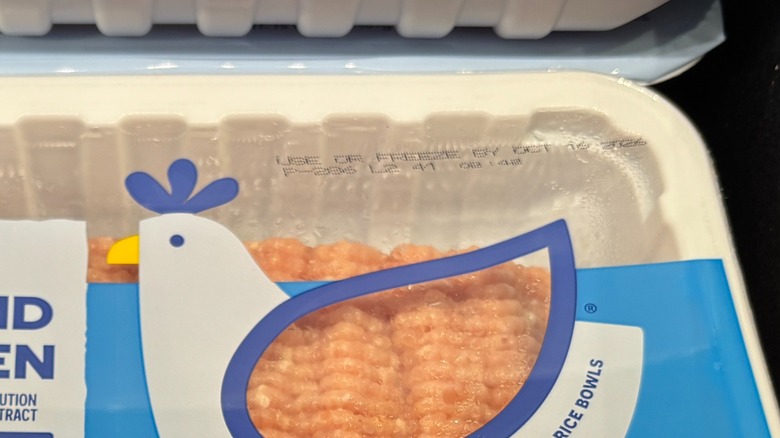
Sell-by and use-by dates cause a lot of confusion. And rightfully so; this system of categorization is far from intuitive. What you need to know, especially for meat, is that these dates measure food quality rather than food safety. That means, in most cases, you can eat meat a day or two past its use-by date, as long as you cook it to the proper internal temperature. Think of it more as a message from the manufacturer stating that they can't guarantee quality — taste, texture, color — past the date listed on the package.
Equally important as the sell-by date is the type of container it's stamped on. If you look through the refrigerated meat aisle in your supermarket, you'll see all different packaging options. These aren't just for display; they have a real purpose in preserving the quality and freshness of the ground meat inside. If a supermarket has an in-house butcher, it'll likely display its meat in foam trays covered with plastic wrap. Although the meat might be freshly ground, this packaging lets in the most oxygen, accelerating spoilage. Ground meat packaged by a central supplier is often sold in a plastic container covered with a plastic film called modified atmosphere packaging (MAP), which replaces the air inside the package with other gases to preserve the food more efficiently.
Use color to determine freshness (and fattiness)
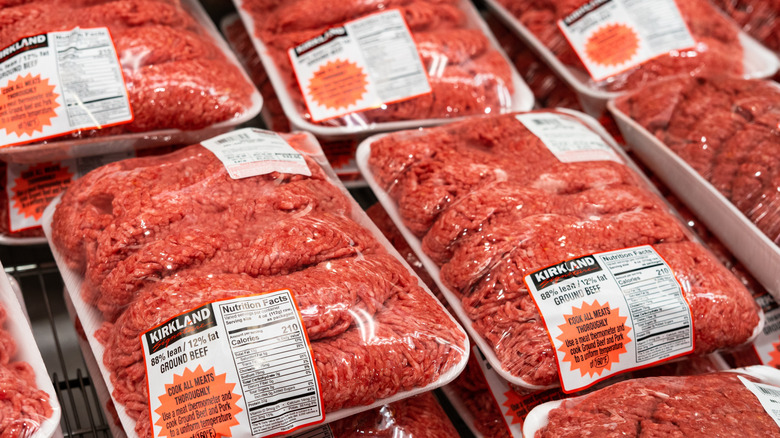
Besides a use-by date, color is one of the only indicators of freshness you can actually visualize. When buying ground beef, aim for a package that's bright red. As the meat ages, the red color will dull, eventually turning brown or gray-brown. Unfortunately, you can't rely on brightness alone. Suppliers can add a puff of gas, such as nitrogen or carbon dioxide, to help the meat maintain its color. Complicating matters further, beef that looks slightly discolored in the package may be fine after all. Oxygen exposure can cause meat to brown on the outside, while its interior may remain perfectly red or pink.
However, a meat's color communicates more than just freshness. A general rule is that beef that's pinker typically has a higher fat content. And speaking of fat, the tiny pellets should be either a clean white (if the cow is grain-fed) or a pale yellow (if its diet was mostly grass). These color tips also apply to poultry and pork. If you're buying ground chicken, lighter meat means a higher proportion of lean breast meat, while a darker or reddish color implies more dark meat. The most important color to watch out for is green, which implies the meat is moldy or spoiled.
Skip the pre-formed patties
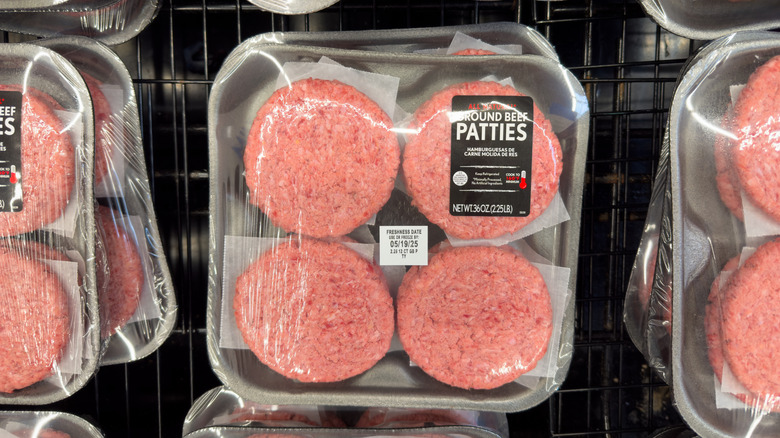
Maybe you're in a hurry; maybe you don't like the texture of raw meat; maybe you just got your nails done — whatever the reason, sometimes people simply don't want to go through the effort of flattening ground beef or chicken into a patty. But you'll be rewarded for the effort. Now, pre-formed patties aren't necessarily lower quality, but their very nature goes against much of the criteria that makes a good hamburger.
The first reason, and the most obvious, is that you can't control the size or thickness of your meat. Second, you don't always know the meat's blend or lean-to-fat ratio. But the main issue is how the patty is shaped and pressed. Many pre-formed patties are made by machine, not the soft, gentle touch of a human hand. The result is a densely compressed circle of ground meat, almost always beef, with a slightly chewy bite; far from the luscious, juicy burger we all expect. Much of this has to do with the juices or moisture being literally squeezed from the meat as it's flattened into a denser puck-like patty. However, pre-formed patties are easier to prepare and a definite time-saver, so if you go that route, just check the ingredient label to make sure there aren't added binders, seasonings, or any additional ingredients that will affect your final product.
If freezing, go for a vacuum-sealed package
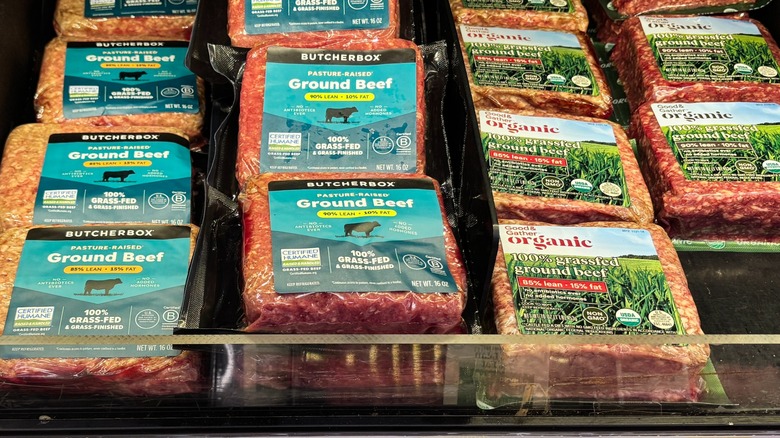
Sometimes when we're roaming the brightly lit aisles of the supermarket, our eyes are a little bigger than our stomachs. In these cases, it's common to freeze perishable proteins, like ground meat, to use later. But not all packaging is created equal. Your typical foam tray and plastic wrap are less competent at protecting your meat from moisture and subsequent freezer burn. Enter vacuum sealing. Although this technology is nothing new, it has only recently been applied to ground meat. The process removes excess oxygen — the primary source of spoilage — and creates an airtight seal that keeps the meat inside fresh.
Ground meat that's vacuum-sealed can last up to two weeks in the refrigerator and over a year in the freezer while maintaining its original taste, interior moisture, texture, and overall quality. And even if you don't plan on freezing it, vacuum-sealed meat retains more juiciness because none of the moisture can escape. And with convenient package sizes, this is a good option if you can find a price that's comparable to other conventionally packed ground meats.
Buy meat from the butcher counter
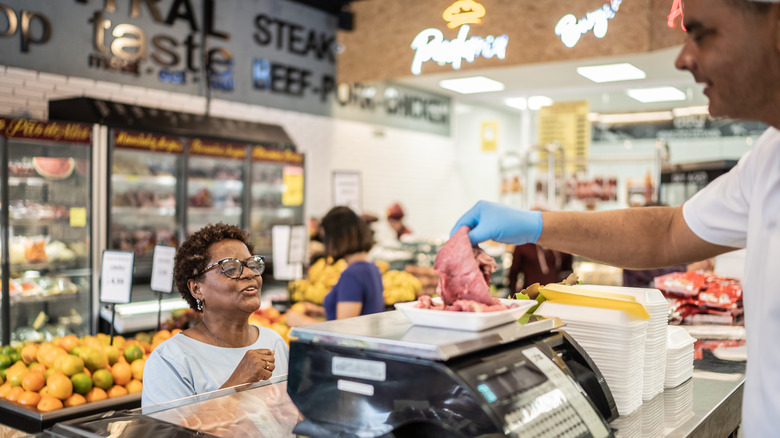
Buying meat from the butcher counter has several advantages, the most important being the expert knowledge of the person standing behind the display case. But beyond the service, a local butcher can deliver the exact meat, cut, or blend you want, a service that's especially important for ground meat. Unlike steaks or chops, ground meat is more ambiguous. For the reasons listed above — freshness, lean-to-fat ratios, grind size — you want to be as specific with your ground meat order as possible. Otherwise, you might end up with a product that doesn't fit your intended purpose.
And a butcher's expertise extends beyond the realm of the raw into the kingdom of the cooked. Even if you don't know exactly what grind you need for meatballs, Scotch eggs, stuffed cabbage, or a smoky Texas chili, an experienced butcher can point you in the right direction. And the more information you provide, the more they can help. Another obvious benefit is that your butcher can help you customize your blend based on many of the criteria described above. If you want a medium-coarse grind of sirloin, short rib, and chuck, your butcher can likely deliver, especially if you place your order ahead of time. Now, if you walk into your butcher completely clueless, you can't go wrong asking for an 80/20, medium grind of chuck for a reliable balance of fat and flavor.
Consider shrinkage and price-per-pound for the best value
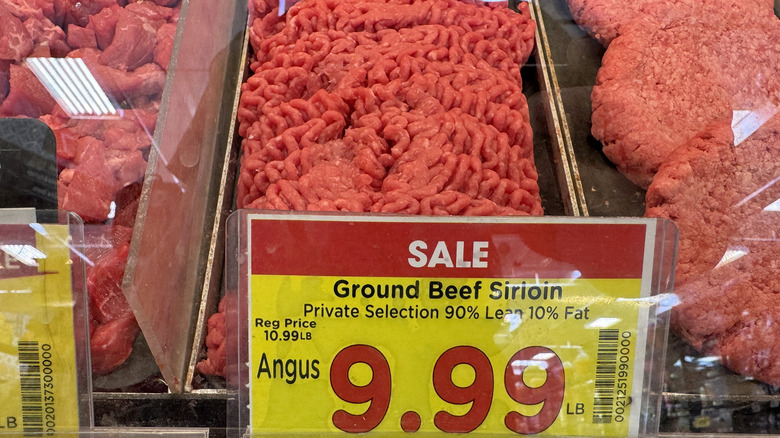
Supermarkets use all sorts of methods to shape your purchasing decisions. Ground meat is no different. It seems simple enough: The cheaper package is typically the better deal. Well, not quite. What matters most when buying any meat — ground beef, chicken breast, lamb chops — is the price per pound, not the price per package. Price differences can vary by geography or supermarket chain, but they mostly depend on the type of meat, cut, or lean-to-fat ratio. For example, ground meat with a higher lean-to-fat ratio, like beef sirloin or round, typically costs more per pound.
On the flip side, packages labeled simply "ground hamburger" are usually the cheapest option, often made from trimmings or leftover meat scraps. Another point to consider when buying ground meat is cook yield, or "shrinkage." This number refers to the post-cook weight of your meat. Ground meat with higher fat ratios tends to have lower cook yields as the fat renders during cooking, which can negate or at least reduce the initial price advantage of this lower-quality meat. Before purchasing, also consider the final application of your product. Ground chicken is a less expensive option with a neutral flavor, making it ideal for dishes like chili or a bright and herbaceous Thai larb salad. Burgers, on the other hand, are all about the meat, so you'll want a more precise lean-to-fat ratio, cut, and grind size.
Try a multi-meat blend
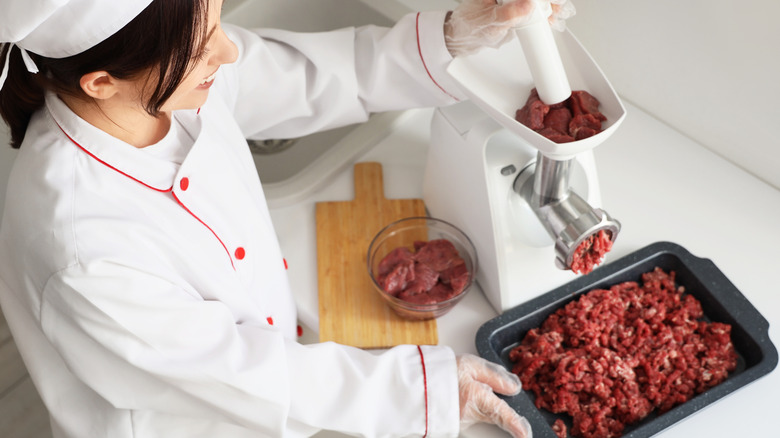
In this case, "multi-meat" refers to both a blend of meats from different animals (pork, veal, beef) as well as a mixture of different cuts of beef (sirloin, brisket, chuck) — sorry, poultry; there's not enough variety of cuts at your typical meat market, so the focus is on beef. Look for blends that combine both lean and fat cuts. Sirloin and brisket are firmer with more chew, while short rib, chuck, and oxtail are more decadent, with deep savory flavors and lingering notes of nuttiness. This creates a balanced texture and flavor profile that's ideal for burgers and grilled kebabs.
But sometimes you need meat from three different animals for a truly balanced bite. In most grocery stores and meat markets, you can find packages that combine pork, beef, and veal. These mixes are especially well-suited for dishes that need both a firm, cohesive texture and a smooth interior, like meatballs, meatloaf, or Salisbury steak. In this scenario, the beef provides taste and structure; the pork contributes fat and flavor; and the veal adds moisture and collagen, a natural binder that holds everything together.