

11 Simple Grilled Chicken Marinades You Need To Try
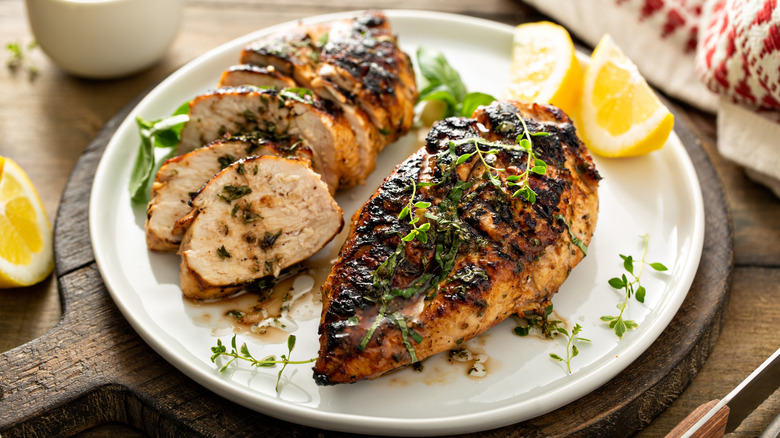
The secret to succulent grilled chicken is a balanced, well-formulated marinade. When you soak chicken — or any protein — in a combination of salt, fat, and acid, a sequence of chemical reactions takes place. Proteins break down, muscle fibers retain more moisture, and flavor compounds penetrate deeper into the meat. It's an elegant process, part art and part science, utilizing ingredients not only for taste but for function.
However, an equally critical component of the marination process is time. Contrary to popular belief, if you leave a pack of boneless chicken breasts or thighs soaking in an acid-heavy marinade in the fridge overnight, you will find the next day that the meat is not intensely flavored but instead unpleasantly soft and mushy. Sugary or oil-heavy marinades are more forgiving, as are bone-in thighs, legs, and wings. Still, it's best to avoid marinating any chicken pieces for too long.
The marinades featured below range from simple and effortless (a few glugs of Italian dressing) to slightly more demanding (a tahini emulsion), but none are too time-consuming, and all include some combination of salt, fat, and acid. That said, we're not baking a cake here, so feel free to modify any suggestion based on your preferences or personal cooking experience. But most importantly, let these serve as inspiration to prepare even more flavorful, unique, or unusual combinations to continuously elevate the quality and taste of your grilled chicken.
Use soy sauce and mustard for an all-purpose flavor
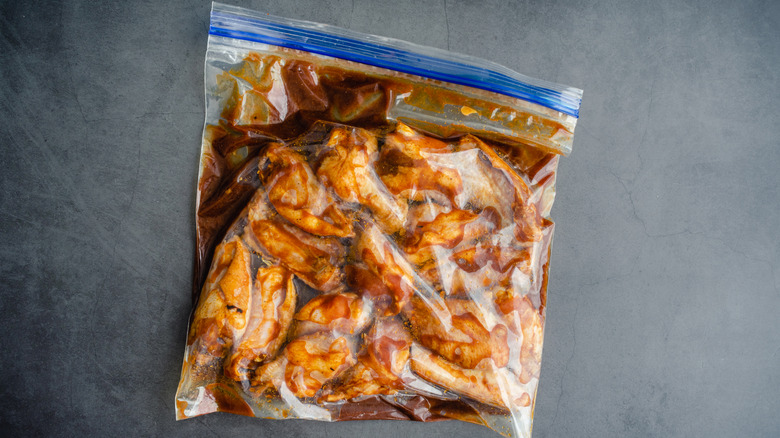
Any competent grill master knows that part of the job is making food that appeals to a crowd. And it's the marinade that typically sets the tone. Sure, you can try a bold blend of spices, oils, and fermented sauces, but sometimes it's best to go with a dependable flavor profile that's palatable to the masses.
This versatile, all-purpose marinade hits every necessary note. Soy sauce provides salt and depth, while the mustard, lemon, and fresh herbs contribute a balanced symphony of flavors. Nothing stands out as too bold or too bright or too sugary. Another nice thing about this marinade is that you don't have to use expensive olive oil. Any neutral oil will do just fine because its main purpose isn't to impart taste but to prevent burning and allow the other herbs and spices to shine. You may even want to shake in a few dashes of Worcestershire sauce for some extra tang. And although this recipe isn't particularly acid-heavy, you don't want to marinate your chicken for more than 4 hours; otherwise, you run the risk of the meat becoming mushy.
Upcycle leftover pickle juice for a briny bite
It may not seem so at times, but people still care about recycling, environmental conservation, and reuse. Upcycling was a popular food industry trend just a few years back, with small businesses creating products from spent brewer's grains, fruit and vegetable pulp, and "ugly" produce. Today, it has mellowed out a bit, but chefs and home cooks will always be on the lookout for creative uses for food items typically destined for the sink drain or refuse bin.
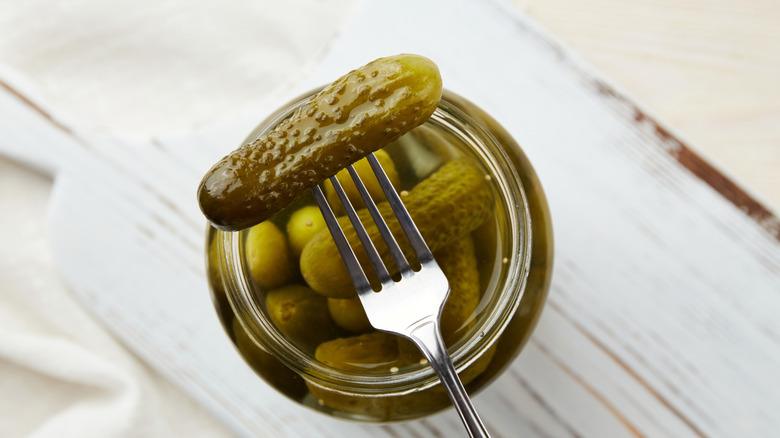
Pickle brine is an upcycler's dream, a terrific ingredient that's all things tangy, briny, and salty. Some people drink it for the electrolytes; others use it to chase a well shot of whiskey, but you can skip all that chugging and instead repurpose that pickle juice into a punchy marinade for your grilled chicken. Pickle brine is a natural marinade in itself. It contains both salt and vinegar, which help keep the meat tender and juicy while also flavoring it. If you have a good-tasting pickle juice in the fridge, then there's little need to doctor it up, but if you want some extra sweetness or acidity, you can add some sugar or vinegar. And while pickle juice is flavorful as is, don't be afraid to complement it with a little fresh garlic and dill.
Channel the Mediterranean with lemon juice, olive oil, and herbs
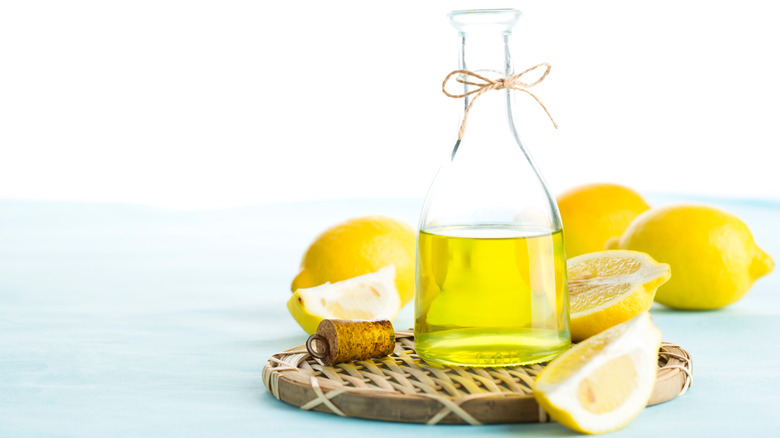
Pack your suitcase and take your chicken on a one-way trip to Mykonos with a Mediterranean-style marinade. This classic combination avoids overly salty or sweet ingredients, allowing the chicken's natural meatiness to shine.
The base of this type of marinade is a generous amount of olive oil, which not only keeps the meat from sticking to the grill but also helps facilitate consistent browning. And since most herbs and spices are fat-soluble, all of those desirable flavors and aromatic compounds end up coating the outside of the chicken instead of just settling to the bottom of your marination bag. Speaking of herbs and spices, both fresh and dried are fine; just consider sticking with traditional Greek flavors like oregano, dill, mint, and thyme. Lemon juice is also crucial, as it is to all Greek cooking, adding a bright citrusy finish to the grilled chicken.
When assembling your marinade, consider making some extra to use throughout the rest of your meal. This combination is a natural fit for roasted potato wedges, grilled seafood, or even a tomato, cucumber, and feta salad. For extra pop, add ingredients like mustard, red wine vinegar, or extra salt.
Go the quick-and-easy route with Italian dressing
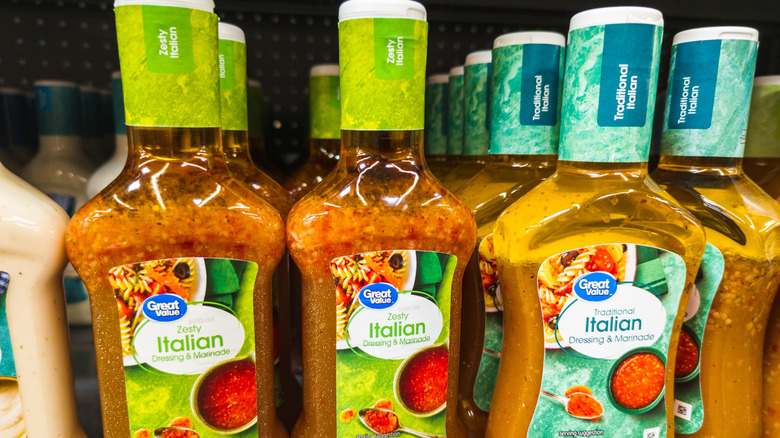
Besides being one of the best salad dressings at Trader Joe's, a few big glugs of Italian dressing can outshine even the most complex marinades. Look at the back of a bottle of standard supermarket Italian dressing, and you'll see that it has every ingredient necessary for a top-notch marinade: vinegar, oil, sugar, salt, spices, and even some helpful thickeners to keep everything smooth and pourable.
And as you probably already know, these ingredients help bring out the best in your grilled chicken, increasing moisture, preventing burning, and infusing the interior with saltiness. However, the best part of using Italian dressing is its convenience. You don't even need to dirty a dish. Just put your chicken in a resealable plastic bag and cover it with a few tablespoons of dressing. You can also use it on vegetables, like sliced eggplant, sweet onion, and bell peppers.
Another advantage is that the ratio of each ingredient within the dressing is already taken care of. This removes a lot of the guesswork and lets you focus more on preparing a selection of fancy-yet-affordable side dishes.
Recreate Korean barbecue using soy sauce, sesame, and brown sugar
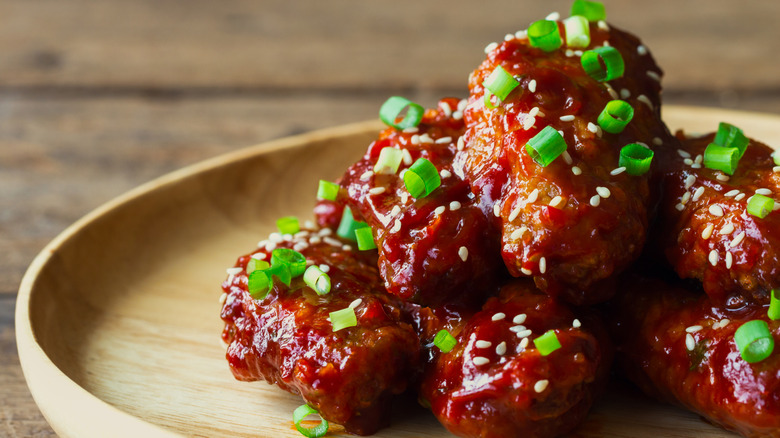
In recent years, Korean barbecue — along with boy bands and skincare — has exploded in popularity. But what differentiates this style of barbecue from all the others?
Well, it starts with an exquisitely balanced marinade. Before the meat hits the grill, it is bathed in some combination of soy sauce, sesame oil, scallions, and brown sugar. Many recipes will also include fresh garlic and ginger for an even more complex blend of flavors. However, of all these ingredients, it's the sesame oil and the brown sugar that do most of the heavy lifting, creating that sweet-and-savory toastiness most synonymous with Korean grilled meats.
While traditional Korean barbecue tends to focus on steak and pork, this marinade can easily be applied to chicken. Since it doesn't contain vinegar or citrus, the lower acid level means you can marinate your meats for a little longer before they get soft. Boneless chicken breasts and thighs can be safely marinated for 2 to 6 hours, while bone-in thighs, wings, and legs can withstand twice that time before the meat starts to lose texture.
Blend maple syrup and apple cider for the flavors of fall

Grilling is typically a summertime activity, but that doesn't mean you can't infuse a little bit of autumnal flair into your cooking. And what better way to do that than with a sweet and zesty fall-inspired marinade?
Maple syrup is the unquestioned star here. Smoky and deep, with a hint of burnt sugar, maple syrup is a powerhouse ingredient that not only imparts flavor but also creates a caramel coating around the meat. Apple cider, fresh ginger, and diced shallot are fun touches that reinforce the seasonal theme, while a high-heat oil helps prevent the sugary marinade from burning quickly. Still, when cooking, make sure to closely monitor your chicken to avoid over-charring the exterior. This particular recipe goes easy on the acid, only calling for a small splash of apple cider vinegar. This means you can safely marinate the chicken for more than a few hours without running the risk of it getting too soft.
Mix orange, allspice, and honey for a reimagined classic
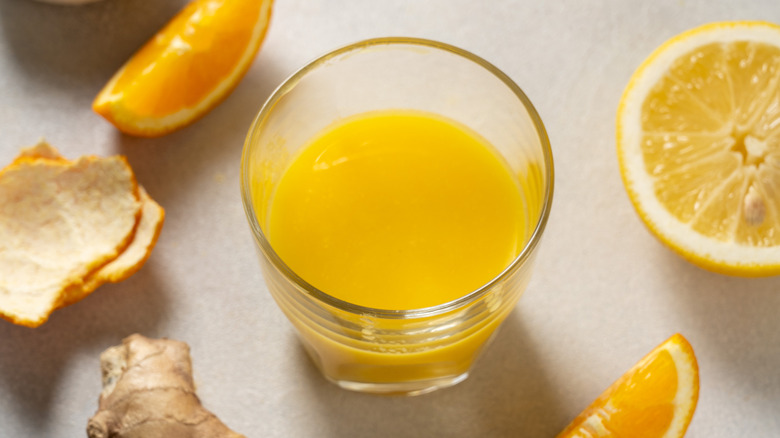
Whether it's orange chicken or duck à l'orange, the state fruit of Florida is an undeniable match for poultry. And why shouldn't these two get along? Orange juice is sweet and pronounced, tropical and citrusy, with a recognizable flavor that breathes new life into this notoriously neutral-tasting piece of meat. It does double duty, serving as the acidic component of the marinade.
Complementing the orange juice are allspice and cinnamon, two spices not common in most marinades. But they should be used more, giving the chicken a peppery warmth and woodsy aroma that's only enhanced after some time on the grill. A fat, like olive oil, is standard in most marinades, but here it punches above its weight class, helping the fat-soluble herbs and spices to burrow into the meat. If you want to push this marinade even further, you can add some fresh chile slices to counterbalance any sweetness, but this is based on your heat tolerance. Because of its unique flavor profile, this chicken would pair well with North African side dishes and condiments. A fluffy couscous, a platter of roasted carrots, or a refreshing tomato salad would make for a dazzling summery spread.
Keep things cool with yogurt and mint
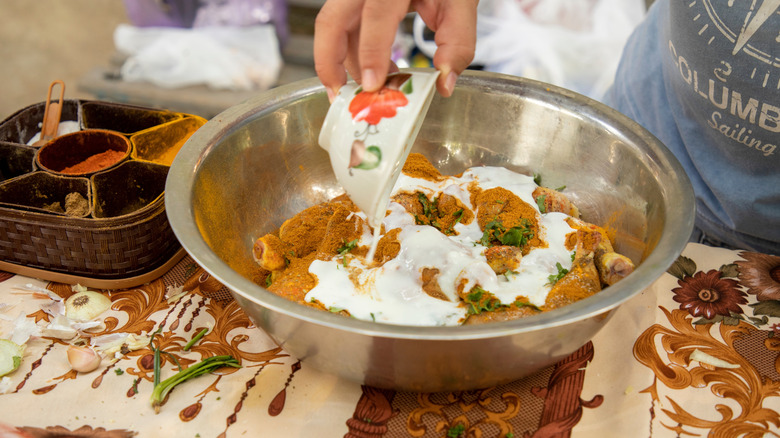
A yogurt marinade will change the way you grill not only chicken, but any protein. Common in Mediterranean, Middle Eastern, and Southeast Asian cuisines, this style of marination adds moisture, acid, and flavor with just one ingredient. The result is a rich and robust exterior paired with some of the juiciest meat you've ever tasted.
What sort of mystical properties does this thick, fermented dairy product possess? It's not magic, just good old-fashioned chemistry. The lactic acid naturally present in yogurt slowly weakens the protein structure, resulting in softer, more succulent meat. Lactic acid, compared to the acid found in vinegar or citrus, is a bit milder, enabling you to marinate your chicken for longer without running the risk of the outer flesh losing all its texture.
But beyond its acidity, a good whole-milk yogurt gives the meat a pleasant sour note that's particularly tasty with a bit of char. Just remember to balance the tang with some fresh mint, garlic, salt, or other additional spices. If you've ever had tandoori chicken or lamb, then you can already appreciate what a yogurt marinade can do.
Try something nutty with a toasty lemon tahini
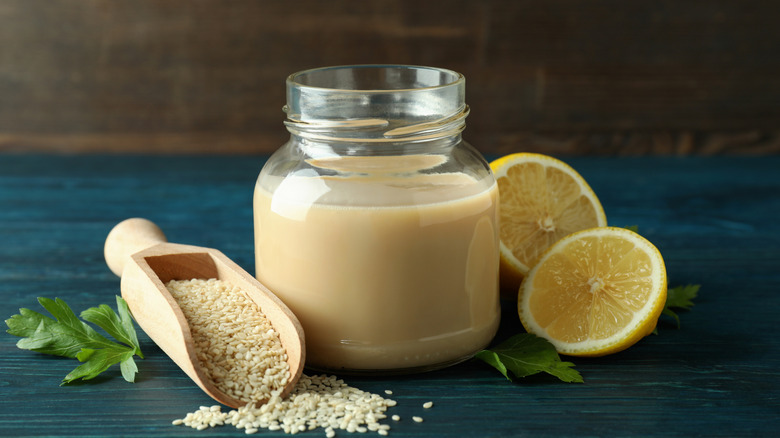
You don't typically find tahini, a ground sesame paste, in many marinades. But when you really think about it, there's no reason it shouldn't be more popular. This incredibly versatile ingredient, most common in Middle Eastern cuisine (but also appearing in North African, Mediterranean, and Chinese cooking) can be used in both savory and sweet applications, from cookies to noodles to your favorite store-bought hummus.
A tahini marinade delivers a nutty flavor and decadent unctuousness that's often missing in lean pieces of chicken. The one drawback to tahini is that it can be a bit tricky to work with. You want it to be a consistency that's velvety and pourable but not too watery. The best way to accomplish this is to scoop out a couple of tablespoons, getting as close to equal proportions of paste and oil as possible. The next step is to create an emulsion. To do this properly, slowly pour cold water into the tahini, stirring vigorously, until it forms a smooth, cream-colored paste. If it's still too thick and chalky, add a bit more water. Finish the tahini sauce with fresh lemon juice, salt, cumin, and some more olive oil so that it evenly coats the chicken.
Pair miso and honey for a sweet, umami punch
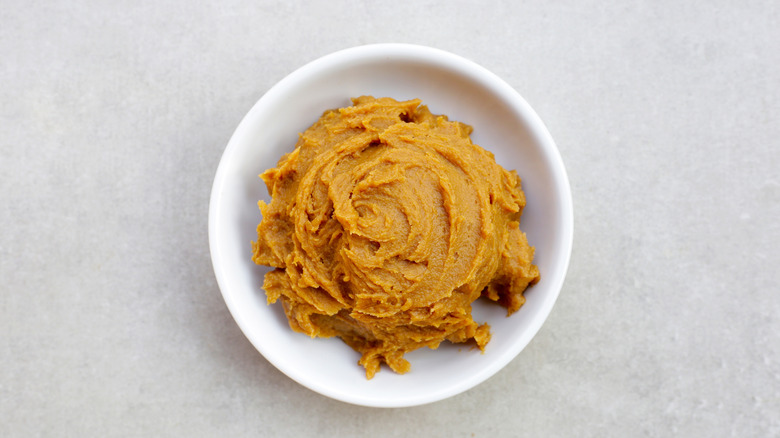
Miso is a fermented bean paste with hundreds of applications, from soups and sauces to noodles and glazes. They come in a few varieties, and in general, the darker the miso, the more potent the flavor, so you may want to start with something blonder in color. Although you'll get lots of umami and earthy notes, the most dominant taste is salt — perfect for a marinade. However, similar to tahini paste, miso needs to be worked a bit before it becomes pourable. Just dribble in a tablespoon or two of boiling water into a few tablespoons of miso paste and whisk until it becomes the consistency of thin caramel.
With your miso prepped, the fun can really begin. Taste a dab with your finger and allow the baritone of salt and umami to wash over you. This helps create a balanced marinade. Add aromatics like scallions, fresh ginger, and garlic before finishing with soy sauce and honey. Since this marinade isn't acid-forward, you can let the chicken relax in here for a few hours, but try to avoid the overnight marination just in case. This flavor profile pairs well with all types of vegetables: broccoli, bok choy, string beans, or even wilted cabbage, and a side of steamed rice.
Combine lemongrass and sambal for an essence of Southeast Asia
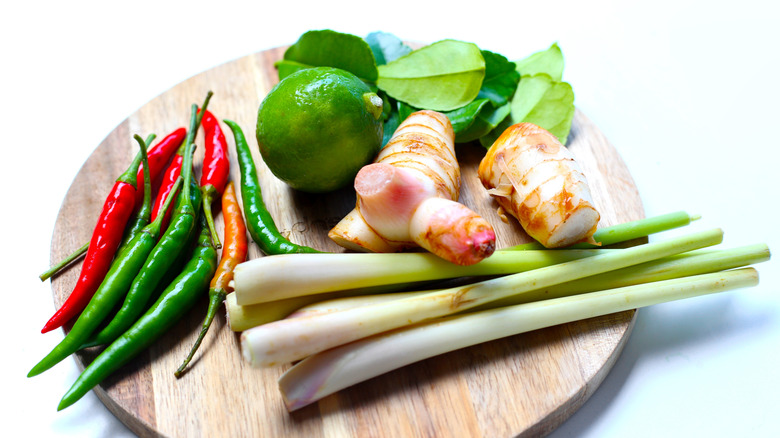
The flavor of lemongrass is hard to define. The woody plant, a mainstay in Vietnamese cuisine, imparts a cool, citrusy, slightly botanical note to soups and sauces. But it's also ideal for marinades, especially when paired with a spicy sambal and good floral honey. Just remember to give the stalks a few whacks with the back of your knife to unlock the flavor and aroma.
This is one of the few marinade combinations on this list with any heat. Sambal oelek is a bright and tangy hot sauce that's sharp but won't singe your taste buds. Fresh lime juice is your source of acid, and honey brings the sweetness. A few other ingredients, like soy sauce, olive oil, and fresh ginger, can complete the marinade and ensure the chicken stays juicy and moist after cooking. Grilled meat, particularly chicken and pork, is a common feature of Vietnamese menus, often served with a side of rice vermicelli noodles, bean sprouts, and a fresh herb salad.