

13 Classic Meals That Are 100 Years Old Or Older
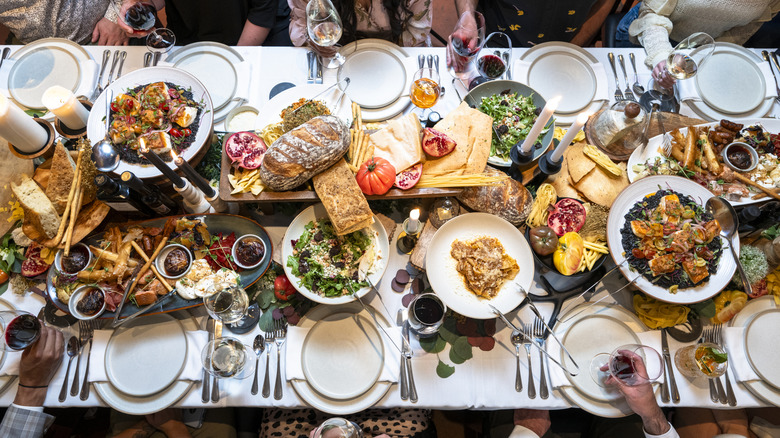
Like most countries in the Western Hemisphere, the United States is fairly young, at least the way we know it today. Much of our cuisine came about through the myriad communities that migrated or were brought here and mingled with Indigenous populations, who introduced these newcomers to ingredients like corn, beans, squash, and peppers. And that only really began to occur a few hundred years ago. As such, we may not have the culinary repertoire of countries like China or India, but that doesn't mean the U.S. is devoid of its own historic dishes. We may just need to dig a little deeper beyond the foods that have come to be associated with our nation.
American cuisine is much more than fast food and industrially processed snacks, and we have a wealth of delicious specialties that reflect the many people who have come together to form our modern cultural identity. Not all of them are brand-new inventions, either, and even fewer got their start at chain restaurants or in cans. In fact, a great number of our favorite meals require fresh, highly regional ingredients, along with formidable kitchen savvy, to prepare correctly. Below are several classic American meals that are a century old or even older.
Hamburgers have been around long before drive-thrus made them popular
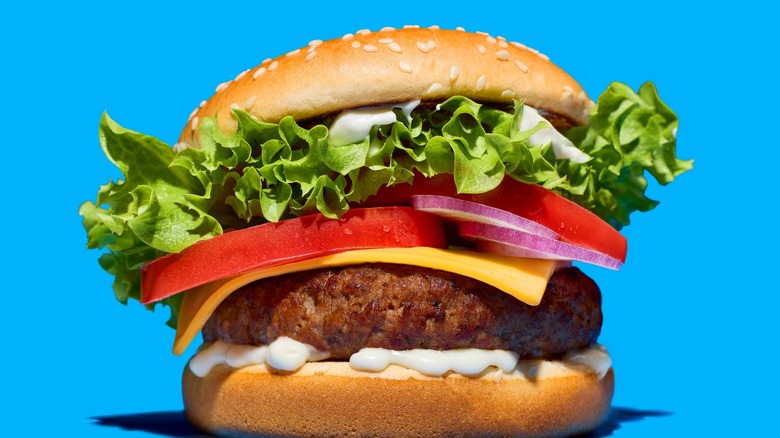
Ground meat patties appeared on tables well before Europeans arrived in the Americas and were initially documented in first-century Roman cuisine. However, they looked (and tasted) quite different from what we know today and included ingredients like pine nuts, wine, and garum, an ancient form of fish sauce. It wasn't until the late 1800s that the hamburger started appearing in the United States with far fewer Roman ingredients, and both New York and Wisconsin claim to be the birthplace of this American specialty.
A meeting of many cultures gave us jambalaya
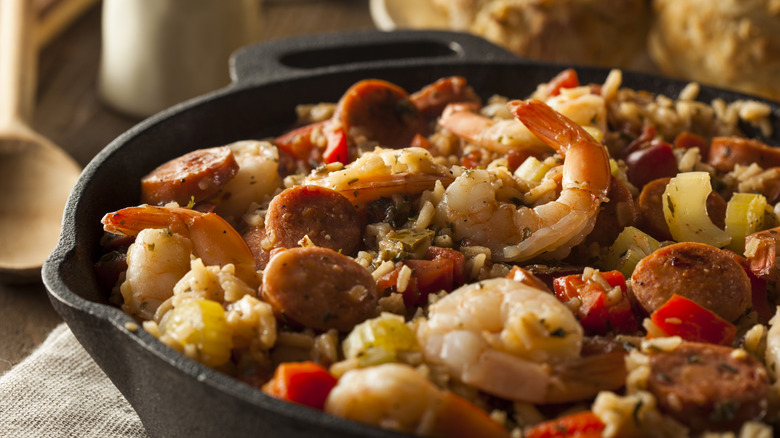
Jambalaya has arguably been part of southern Louisiana's food culture for nearly 200 years, but it was first recorded in a cookbook in 1878. It's a boldly seasoned rice dish cooked with meats and vegetables that is said to have been influenced by West African jollof rice and Spanish paella, both dishes belonging to peoples who either settled in or were forcibly brought to Louisiana. It also received French influence from the Cajun people who were exiled from Canada by the English, and the dish is closely tied to that community.
Black American cooks perfected mac and cheese's global journey
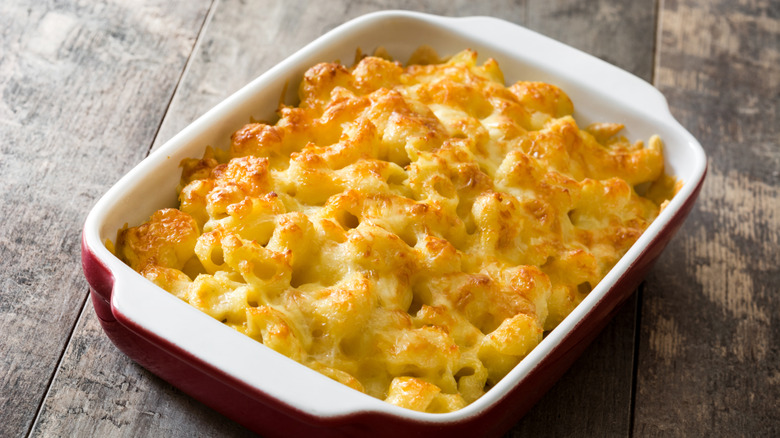
Some combination of noodles and dairy has existed in Europe since Roman times, but by the middle of the 1700s, a dish of pasta with grated cheese became popular in France. It was there that Thomas Jefferson and his enslaved chef, James Hemings, encountered the dish and brought it back to the United States in 1789. Black American cooks, especially women, perfected the recipe over the next 200 years, giving us what we know today as macaroni and cheese.
Chicken fried steak may be distantly related to an Austrian specialty
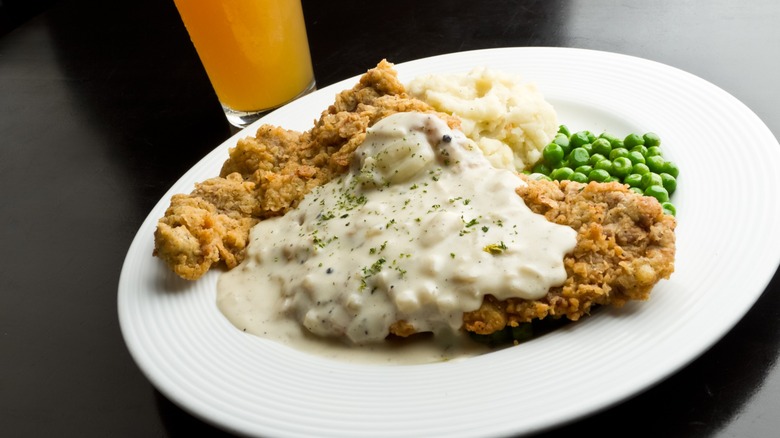
Chicken-fried steak is a dish closely tied to Texan food culture and consists of a thin cutlet of beef that's breaded and fried like fried chicken, hence the name. It was first mentioned in print in the Los Angeles Times in 1924, but it's said to have appeared in recipe books well before that. While some credit its invention to Jimmy Don Perkins at a cafe in Lamesa, Texas, in 1911, others attribute the dish to German settlers who took a recipe for schnitzel and adapted it to a product of the Lone Star State's longstanding cattle-ranching tradition.
Hoppin' John is a Southern New Year's tradition
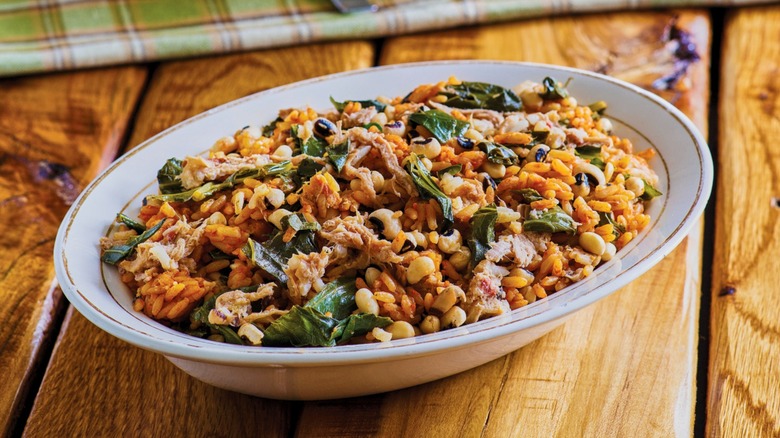
Hoppin' John is a dish that originated in the coastal parts of the Carolinas and has become closely associated with the cuisine of Charleston, South Carolina. It consists of rice cooked with black-eyed peas and bacon, and it first appeared in cookbooks around the 1840s. It's part of the region's repertoire of pilaus, or rice dishes, that are influenced by similar preparations from West Africa, like jollof rice. It has become a tradition to eat this dish to ring in the new year, as the peas resemble cowry shells, which were sometimes used as currency in West Africa.
Diverse cultural influences built the story of Kansas City-style barbecue
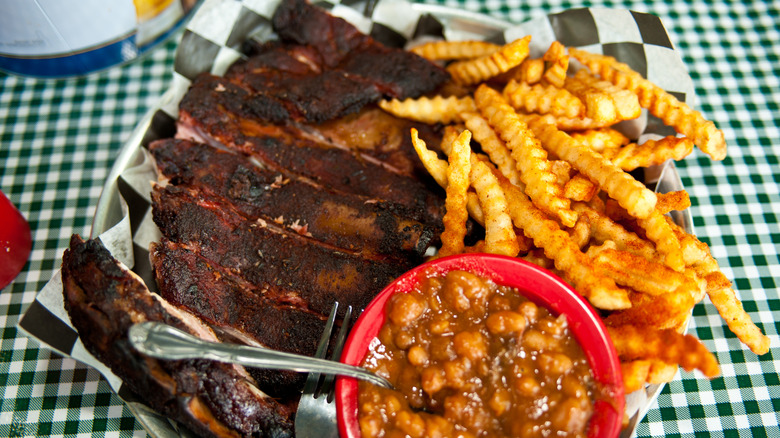
Barbecue's origins are much older than the United States and have been traced back to the Taíno people of the Caribbean. The Spanish conquistadors who first encountered the technique brought it to mainland North America, where it spread throughout the region and was greatly influenced by enslaved Africans, as well as other immigrant groups. Kansas City-style barbecue is actually attributed to one man, Henry Perry, who created it in the early 1900s. He used a blend of hickory and oak as fuel, cooked a wide variety of meats, employed a dry rub, and brushed on a spicy, vinegar-forward sauce. Over time, that evolved into the sweet, tomato-and-molasses sauce with a kick of black pepper that the city is known for today.
Chili may be as old as the peppers that give it its heat
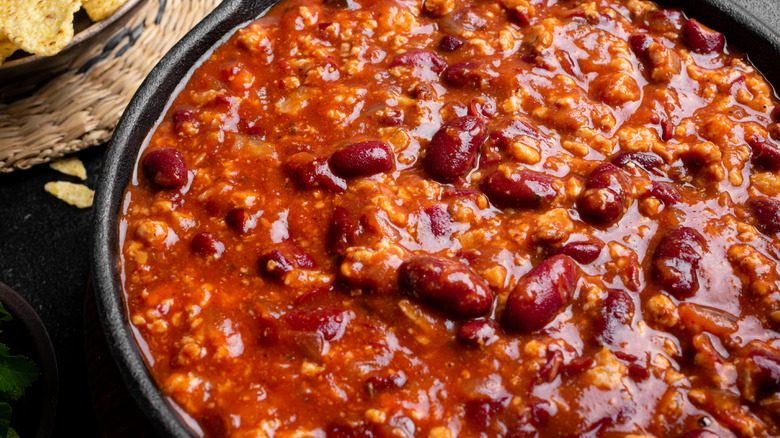
There are many stories that speculate on the origins of chili, from Spanish accounts of Aztecs boiling sacrificed humans to a nun who supposedly teleported from her convent and got the recipe from a Mexican tribe. The earliest recorded accounts of the dish we enjoy today date to the early 1800s and describe a sort of hash popular in San Antonio, Texas. Sources from a couple of decades later recount how it was a popular food that ranchers and gold prospectors took with them on the trail. What all these stories have in common is that the dish was largely influenced by Spanish settlers who combined their cooking techniques with Indigenous Mexican ingredients and methods.
Meatloaf has ancient Roman origins
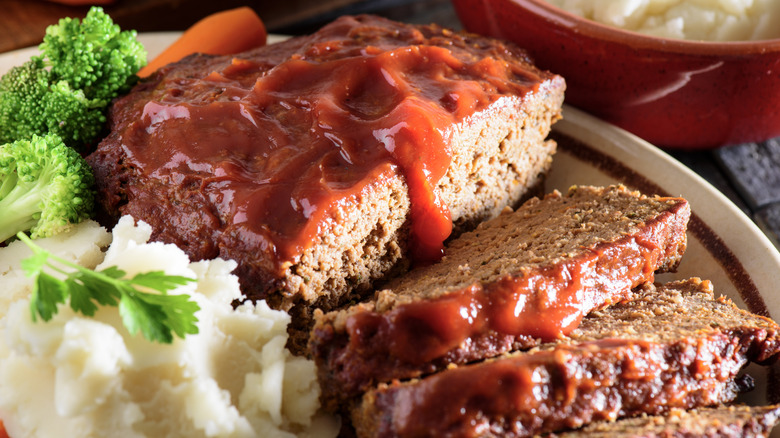
The first account of something resembling meatloaf comes from a Roman cookbook written sometime between A.D. 300 and 500 that included a recipe for minced meat and offal bound with bread. This preparation spread to Northern Europe, where it took on forms that are still popular today, before coming to North America with Dutch and German migrants. In the 1800s, it became a popular breakfast food in New England, and when commercially ground meat became available after the Industrial Revolution, meatloaf found its way onto American tables more regularly. While the dish originated more than 100 years ago, it didn't become America's favorite dinner until the Great Depression, when it became an economical way to stretch meat.
From squirrel to pork, Brunswick stew evolved over centuries
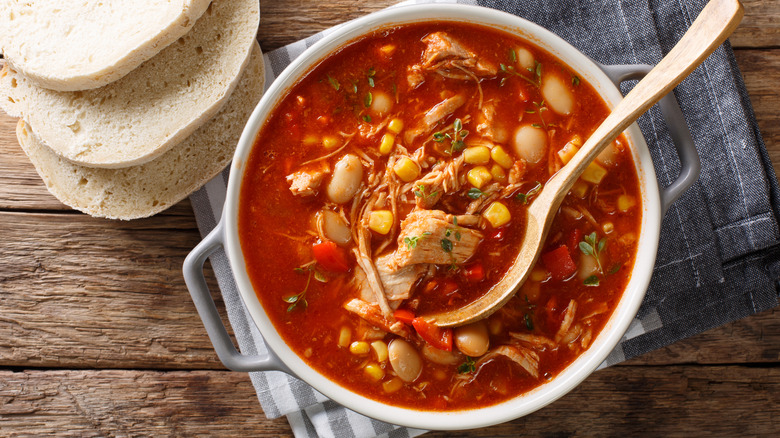
While there's a town called Brunswick in Georgia that claims to be the birthplace of Brunswick stew, many agree it actually got its start, and its name, in Brunswick County, Virginia, in 1828. A man named James Matthews is credited with its invention, although the original idea is said to have originated with Native American peoples who created a similar stew consisting of local game and Indigenous vegetables. The 1800s recipe included meats like squirrel, rabbit, or groundhog. Nowadays, it features meats like pork and chicken, along with potatoes, lima beans, and corn.
Eggs Benedict is a brunch classic with an upscale past

A classic breakfast, eggs Benedict was invented in New York City in the late 1800s. Two famous high-end establishments lay claim to being the first to top an English muffin with Canadian bacon, a poached egg, and hollandaise sauce: the Waldorf Hotel (now known as the Waldorf Astoria New York) and Delmonico's.
Oysters Rockefeller became a New Orleans culinary icon
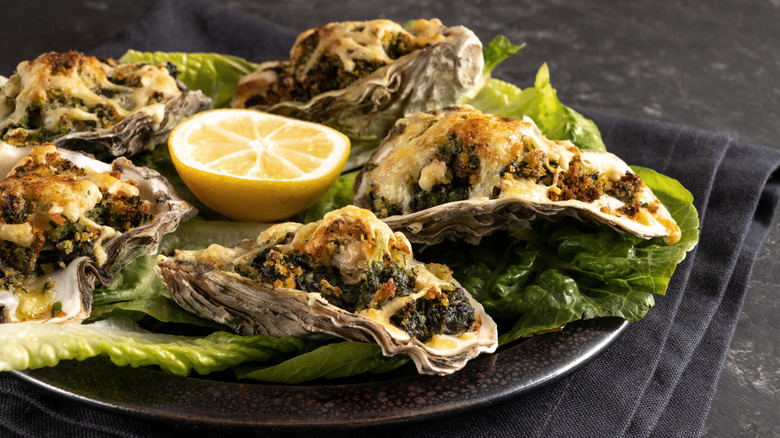
Antoine's in New Orleans is considered the oldest continuously family-run restaurant in the United States, and in 1899 it debuted oysters Rockefeller. Broiling the shellfish under a rich green sauce was novel for an era when most establishments served them raw. Named after America's first billionaire due to its decadent flavor, the dish is still served today alongside a commemorative postcard tracking your order's place in history.
Centuries of adaptation shaped the iconic Waldorf salad
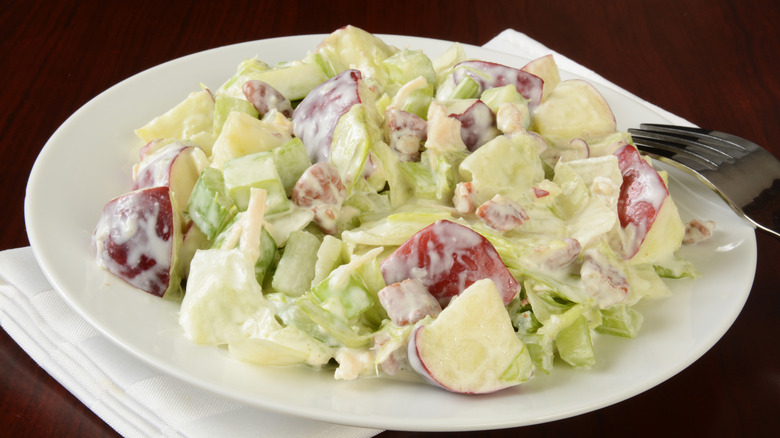
A man named Oscar Tschirsky invented Waldorf salad. It appeared on tables at the tony Waldorf Hotel in New York City in 1896 as a simple preparation of apples, celery, and mayonnaise, but the original recipe has evolved into countless variations over the years. Nowadays, you can find iterations that include chicken, grapes, walnuts, and blue cheese.
Southern flour and Appalachian roots built biscuits and gravy
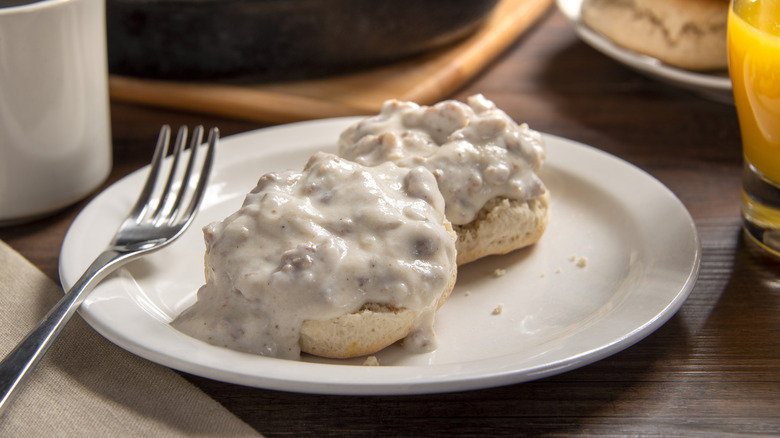
Biscuits have a long history in the United States, and the way they developed in the Southeast had a great deal to do with the type of wheat flour grown in the region, which had a lower gluten content that resulted in pillowy-soft, crumbly breads. Serving biscuits with sausage and milk gravy is said to have started in the 1800s around Appalachia as an affordable, filling meal, but its deliciousness helped it spread throughout the rest of the South. It's now a popular breakfast item, although it can be enjoyed any time.