

Think Twice Before Ordering These Irish Pub Foods And Drinks
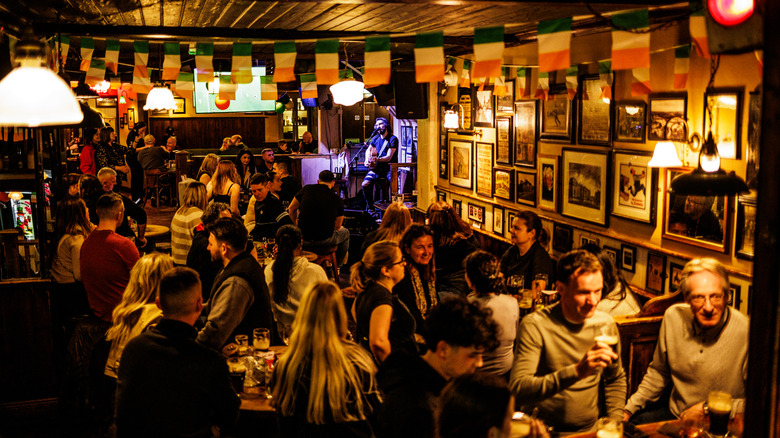
Dim, cozy lighting, traditional Celtic fiddle music coming from the corner, a boisterous atmosphere, a game of football (aka soccer) on the telly, and a pint of Guinness in your hand. That's the classic experience of an authentic Irish public house, or, as we know it, a pub. All over the United States and around the world, pub owners work hard to replicate the convivial vibe that authentic Irish pubs naturally create. Not fancy, just comfortable and welcoming — like a home away from home.
Traditional Irish music and company excluded, what really sets the Irish pub apart is its distinctive menu offerings, developed over time based on the ingredients available locally in that part of the world — potatoes, seafood, sheep, and dairy cows. The food is stick-to-your-ribs, hearty fare made with simple ingredients.
But like any food found in a foreign nation, those ingredients might also surprise you or even turn your stomach if you're not used to eating them (tripe, anyone?). And the "authentic" Irish food served at the pub in your American neighborhood might not be authentically Irish at all. Here are a few menu items you might find in such a pub that should give you pause before you order them — and even a few suggestions for alternatives.
1. Anything dyed green
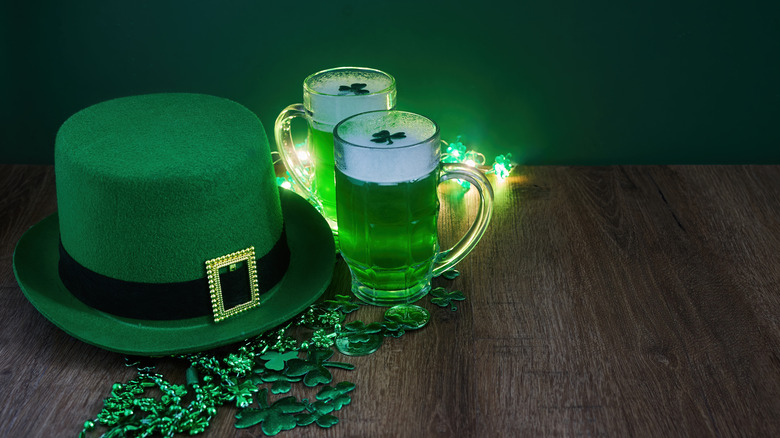
Americans love to drink green beer and eat green foods on St. Patrick's Day. It's no wonder — Americans invented it. Specifically, it was created in the Bronx, New York, in 1914 by an American doctor of Irish descent for a St. Patrick's Day celebration. But no one in Ireland would ever actually order green food or drinks. In fact, while we call the country The Emerald Isle, the color also carries unpleasant associations with the Irish Potato Famine, which occurred between 1845 and 1852.
During this period, a potato blight caused the starvation of about a million people and forced even more to leave Ireland for good. One outcome of this dark chapter in history was that the people who remained in Ireland during this time were forced to seek food in unexpected — and unpleasant — places. Many ate grass, and Irish lore says that many people's mouths were green when they died of malnutrition.
Green-dyed foods aren't often offensive to the Irish, but they certainly don't feel the need to add the emerald hue to their traditional foods for St. Patrick's Day. So if an authentic Irish pub experience is what you seek, skip the green beer and stick with a pint of Guinness — that's the classic.
2. Controversial Irish-themed cocktails
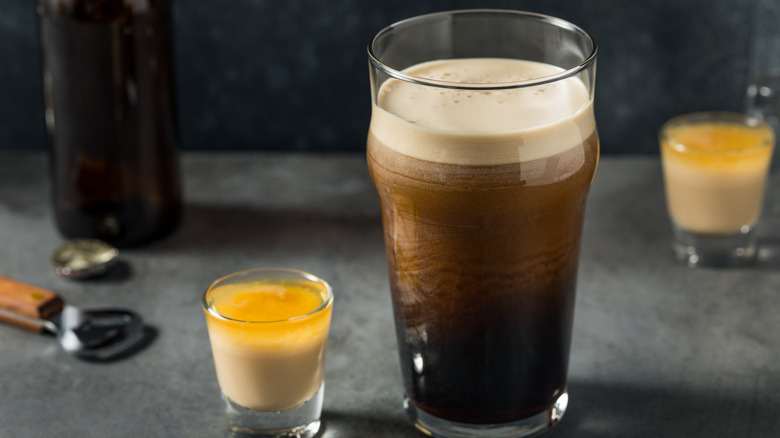
Anyone who has been to Ireland knows that its people are known for their warmth and friendliness. Duck into any Irish pub, whether you're in Dublin, Blarney, or Donegal, and you're likely to find a jovial atmosphere and a welcoming bartender who's glad to pour you a drink — as long as you avoid ordering a couple of controversial beverages: the Irish Car Bomb and the Black and Tan.
Similar to the Irish Potato Famine, the Troubles also spawned a few tasteless products. This period, between 1968 and 1998, was marked by violence as the Protestants in Northern Ireland, who wanted to remain part of the United Kingdom, fought the Catholics of the Republic of Ireland, who sought to unify them both as Ireland. It became a violent civil war that saw sniper attacks, bombings, street fighting, and internments without trials.
Thus, ordering an Irish Car Bomb — a combination of Guinness, Bailey's Irish cream, and whiskey — would be a bit like ordering a 9/11 cocktail, trivializing a period of national suffering. Some call it an Irish Slammer, but either way, it's best to just skip it. Similarly, a Black and Tan, which layers Guinness with Bass Ale, evokes the nickname once given to the British paramilitary force (in their khakis and dark shirts) that was brought in to suppress the Irish, who fought for independence in the 1920s. Call it a Half and Half, however, and you should be safe.
3. Meat stew
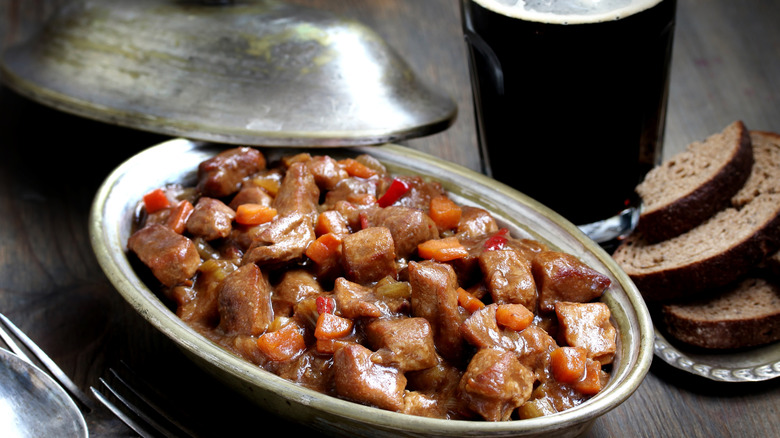
An Irish pub menu may list Irish stew, beef stew, or even Mulligan stew among its offerings, but they are not all the same thing — and ordering the wrong one could leave you disappointed. The critical component of a traditional Irish stew is mutton (and sometimes lamb), which is sheep meat. It also contains that beloved Irish staple, the potato, and root vegetables such as onions and carrots, and parsley. There might even be a touch of Guinness in there. It's simple and speaks to the heart of Ireland and its agrarian roots. Created in the 1800s, Irish stew became a national dish that celebrates the nation's livestock, produce, and traditions; plus, it's warming — perfect for those cold, damp Irish days.
Beef stew, on the other hand, may contain potatoes, parsley, and other vegetables, but the beef isn't the traditional choice for Irish stew. If you prefer to avoid lamb or mutton, be sure to ask which meat the stew contains. If you're looking for the more traditional Irish dish, however, opt for the version made with lamb or mutton.
If you're familiar with golf, you know that a "do-over" is called a mulligan — and the same anything-goes spirit inspired the Mulligan stew, created during the Great Depression. It was designed to make the most of whatever leftover ingredients were on hand. It might be made with beef, or even canned corned beef, along with canned vegetables and, in some versions, ketchup.
4. Corned beef and cabbage
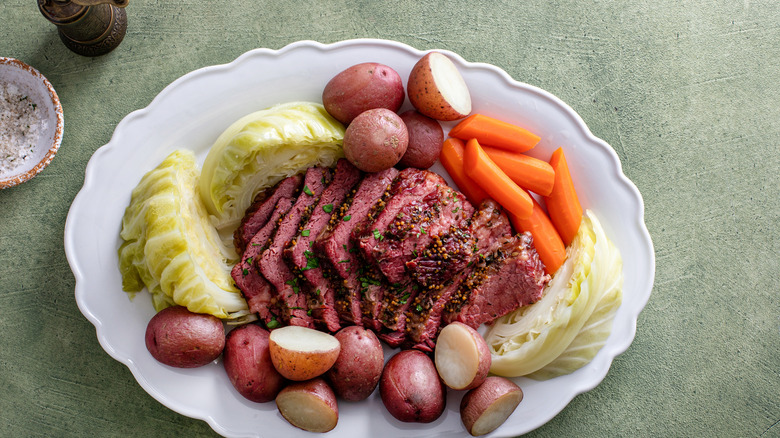
You've probably either made or been served corned beef and cabbage in celebration of St. Patrick's Day, or just about any Irish-themed event. While many Americans think it's a classic Irish dish, it's not actually a traditional meal in Ireland. So how did it become so closely associated with Irish cuisine in the first place?
Like people in other countries, the Irish once considered cows sacred. They were valued primarily for the milk they produced and were rarely slaughtered, except when they became too old to work the fields or no longer provided milk. As a result, the meat was less than desirable, so to preserve its quality and enhance its flavor, the beef was salted. The British made beef popular and dubbed salt beef "corned." Today, the terms corned beef and salt beef are used interchangeably, though corned beef is often seasoned with spices such as peppercorns and cloves.
However, England's harsh oppression in Ireland meant that even though beef was increasingly prized, the Irish couldn't afford it. Ireland's awkward relationship with beef and its corned cousin means that corned beef is simply not a delicacy enjoyed by the Irish today. In fact, pork has been, and still remains, much more popular. You're more likely to find bacon and cabbage in an authentic Irish pub than you are corned beef.
5. Bacon and cabbage
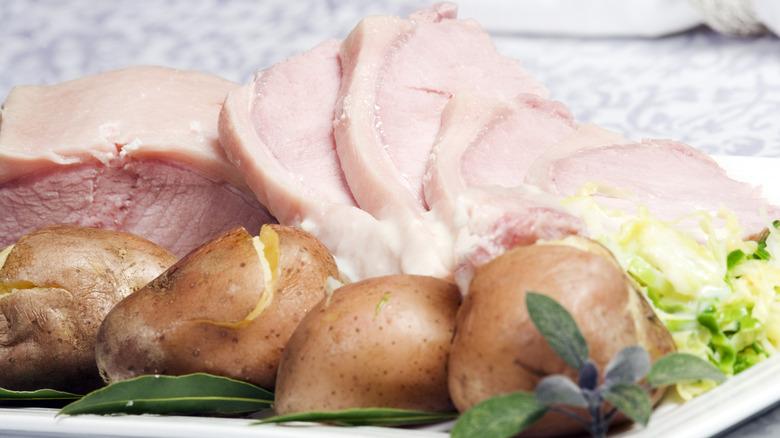
About that bacon: forget what you know about the thin, crispy, exceedingly salty bacon served here in the States next to your eggs or in your BLT. When you find bacon — also known as rashers — in Ireland, it's going to look and taste different, so think twice before you order it, because your expectations may not align with reality.
First, let's talk fat. In America, bacon is pulled from the belly and tends to contain equal proportions of fat and meat, whereas in Ireland, bacon is almost all meat. It's pulled from the back of the pig and includes both belly and loin, so it's tender and flavorful. It's also not smoked. The resulting rashers are much milder in flavor, thicker, and meatier — similar to Canadian bacon.
Also, while we Americans tend to pan fry, broil, or bake our bacon to produce the crisp, salty side dish we're used to, the Irish are just as likely to boil theirs. (Don't knock it until you try it.) The traditional preparation usually involves simmering the meat in boiling water with cabbage — and often with potatoes, carrots, and aromatic herbs such as bay leaves or thyme — for up to two hours to tenderize it. The inspiration for New England boiled dinner, bacon and cabbage is a true Irish pub classic worth trying.
6. Seafood
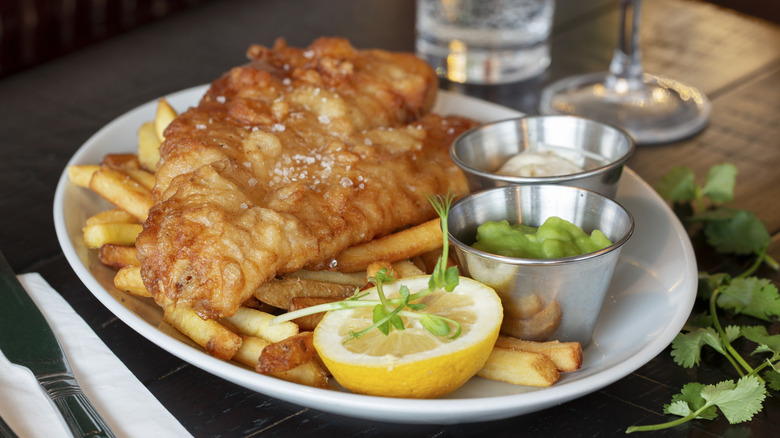
Ireland has more than 4,600 miles of coastline, so it's reasonable to assume that Irish pubs and restaurants would feature delicious, fresh seafood on their menus. Unfortunately, that hasn't always been the case. Even during the Potato Famine, many people either went hungry or relied on humble dishes like sausage or cabbage stews rather than turning to the sea for sustenance. Over time, this helped create the mistaken belief that Ireland lacked quality seafood, fueling jokes about the nation's food and unfairly shaping its culinary reputation. After all, Ireland is known for Guinness, shepherd's pie, corned beef, and sausage... but seafood? Not so much.
Too many Irish-style pubs around the world serve frozen, subpar seafood and try to call it authentic — but don't be fooled. In recent years, Ireland has enjoyed somewhat of a culinary renaissance, with many chefs sourcing ingredients locally and, thankfully, demanding fresh, sustainably caught seafood for their dishes.
When I say "think twice," I mean this: Before you order your Irish pub's fish and chips, seafood chowder, or mussels, be sure you check whether the seafood is fresh, just as it should be on The Emerald Isle — especially if you're actually in Ireland. And speaking of fish and chips, be sure you choose the right type of fish. In Ireland, it's likely to be cod, haddock, or pollock. And the chowder? Look for salmon, pollock, mussels, and Dublin Bay prawns, all harvested sustainably off the Irish coast.
7. Irish nachos
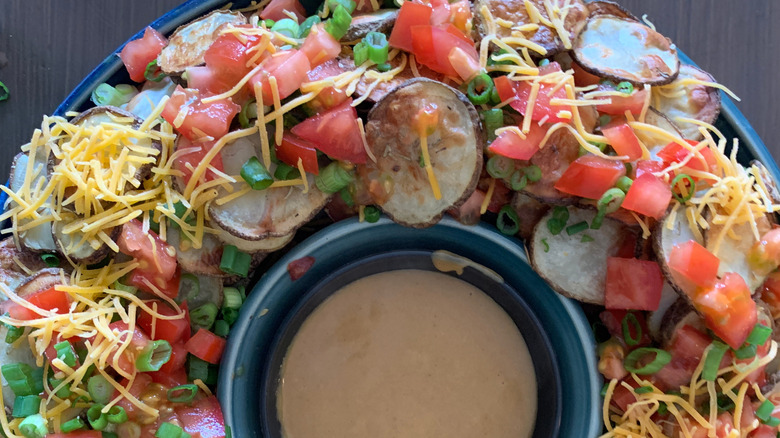
It probably doesn't surprise you to learn that Irish nachos aren't, well, Irish. They're a modern invention of American pubs, called Irish purely because their base is waffle-cut or thinly sliced fried potatoes instead of corn tortilla chips. The fries are then generously topped with cheddar cheese, sour cream, chopped bacon (or sometimes corned beef), scallions, tomatoes, and jalapeno peppers.
That's not to say they aren't delicious — even the Irish have conceded as much online. But if you have a hankering for a salty, potatoey snack and want to have an authentic Irish pub experience, nix the Irish nachos from your order and stick with a spice bag — a traditional Irish pub snack featuring French fries (or chips, as they say across the Atlantic), onions, peppers, garlic, and even fried chicken, all tossed in seasonings such as MSG or even chili flakes or curry sauce, then served in a small paper bag for easy transport.
8. Jameson whiskey
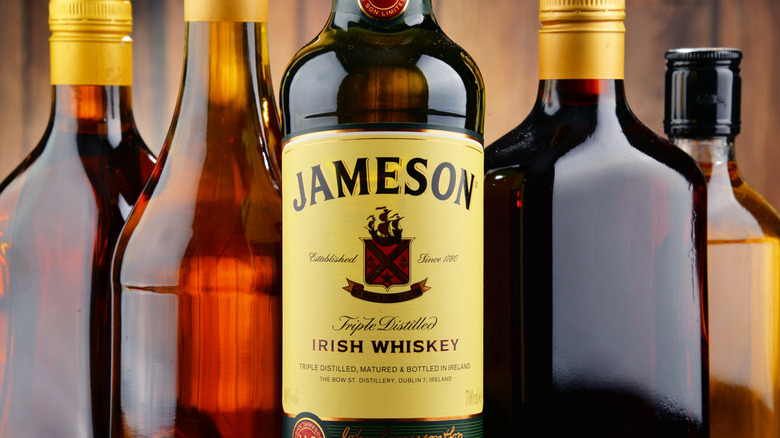
I know what you're about to say: "What could be a more authentically Irish pub beverage than Jameson Irish whiskey? What is there to think twice about?" First, you're right. In fact, most Americans, when planning to order Irish whiskey, will opt for Jameson. It's certainly the best-known and most easily recognized Irish whiskey in the world; about 10.7 million cases are sold each year globally.
But you're mistaken if you think there's just one — several varieties fall under the Jameson label. In addition to Jameson Original, you can also find Jameson Black Barrel, Crested, Caskmates, Orange, Triple Triple, and others. More importantly, there are many other beloved, highly rated Irish whiskey brands out there, and you're doing a disservice to yourself — and the Irish whiskey industry — to overlook them.
One of these, Redbreast, a single pot still whiskey created over a century ago, consistently earns top marks from Irish whiskey aficionados. Other well-regarded whiskies include Tullamore Dew, Bushmills (specifically the 21-year-old), Teeling Single Grain from Ireland's newest distillery, and Midleton Very Rare. So when you belly up to the bar at an Irish pub — particularly if you're in Ireland — ask your bartender to recommend what's really good at the moment. Bonus points if you drink it the true Irish way: either neat (aka straight up) or with water, but either way, no ice.
9. Black or white pudding
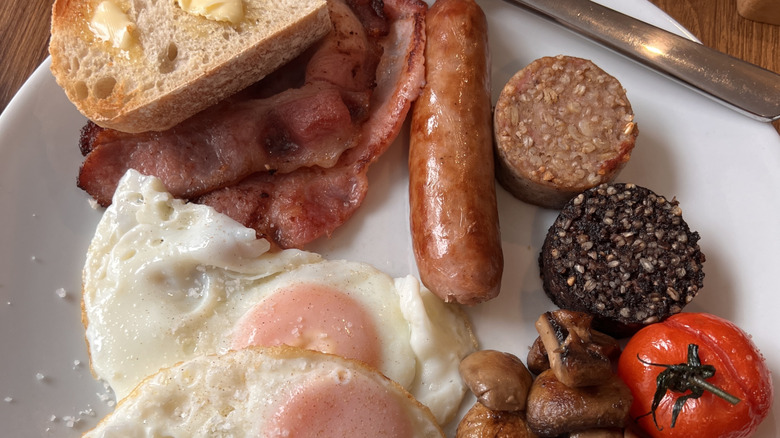
In the States, pudding is a creamy, sweet dessert. Elsewhere, however, it's not. In fact, in Ireland, you will get a rude awakening if you order black or white pudding for breakfast, hoping to start your day with a sweet treat.
A true Irish breakfast — also called a full Irish or an Irish fry-up — is the iconic way to begin your day in Ireland. It typically includes a collection of hearty, filling, greasy foods: eggs, bacon (rashers), grilled tomatoes, sautéed mushrooms, toast or soda bread, and grilled black and white pudding. And by black and white, we don't mean chocolate and vanilla.
Across the pond, pudding can either mean any dessert, as it does in the UK, or a type of sausage in Ireland. Specifically, white pudding is a mashup of suet or fat, oatmeal, breadcrumbs, spices, and beef or pork liver, all inside a sausage casing. Add blood to it, and you get black pudding, sometimes called blood pudding or blood sausage. That said, both taste better than you might expect, but it's worth pausing for a moment before you order them.
10. Dublin coddle
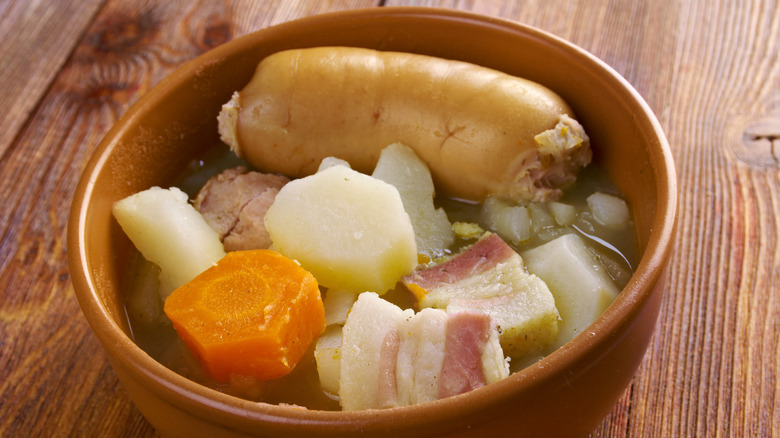
The Dublin coddle is one of those dishes that's beloved by the Irish but elicits wrinkled noses from others. It's a boiled sausage and potato stew, which on the surface sounds inoffensive. However, Reddit reviewers say appalling things about it — comparing the appearance of the sausage to certain male body parts and suggesting "them vegan lads might have a point!" The consensus is that it's an acquired taste, and many Irish natives love it simply because they grew up with it.
Coddle is a comfort food, a peasant's dish developed as a catch-all for random leftover sausages, bacon, potatoes, vegetables, and seasonings. Everything is tossed into a pot and boiled for hours, and it can be quite delicious if done well, for example, by sautéing the ingredients first. However, it frequently looks unappetizing. The sausages, far from crispy, are boiled, appearing whitish and limp, creating a texture many find unappetizing.
11. Shepherd's pie
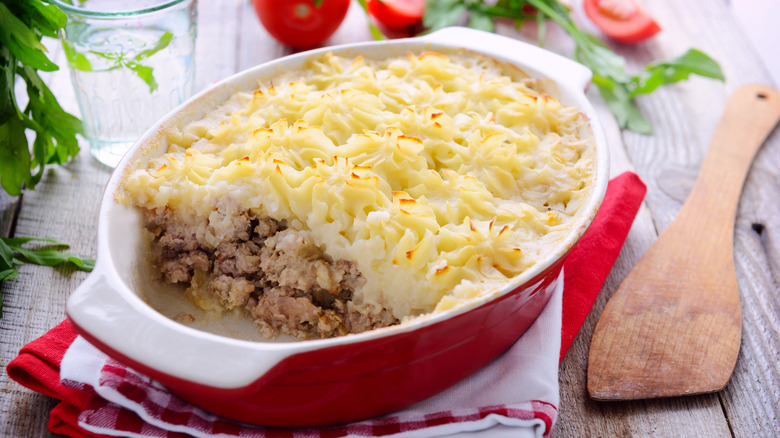
You may have sensed a recurring theme in many of these dishes — hearty comfort foods made by combining inexpensive ingredients in a pot or pan and cooking them all together for a long time. The Irish have mastered these cozy dishes because, throughout history, they often had to. And what may be the king of them all is the shepherd's pie.
Chances are, any Irish pub you find yourself in will have it on the menu. But if it's a real, authentic Irish shepherd's pie, it's made with ground or minced lamb, cooked with onions, carrots, peas, and seasonings. The ingredients are then placed in a casserole, cast-iron, or pie pan and topped with mashed potatoes and lots of butter (seriously, a lot of butter, if it's Irish). Some places put mushrooms in their versions, but that isn't traditional.
If there's beef in it, it's called a cottage pie, not a shepherd's pie, and is generally considered a more British version of the dish. If you have a strong preference for one meat or the other, be sure you check what's in it before you order. Americans, in particular, frequently confuse the two. Another common misunderstanding is the word "pie" itself — a true shepherd's pie (or cottage pie) doesn't have a pastry crust. If yours does, you're eating a pot pie instead.
12. Methodology

The intent of this roundup isn't to suggest that you avoid any of these foods, but rather to encourage you to think twice and understand what you're getting before ordering from an Irish pub menu. Pubs and their offerings vary widely depending on where you are, who runs them, their access to quality ingredients, and their clientele, making it difficult to determine what's authentically Irish and what isn't. To help draw those distinctions, I've considered what Irish people — as well as travelers in Ireland — have said about these dishes, alongside my own experiences in the country. Together, they've helped shape a general consensus about what you can realistically expect and what may be worth skipping.