

10 Underrated Fillings For Omelets
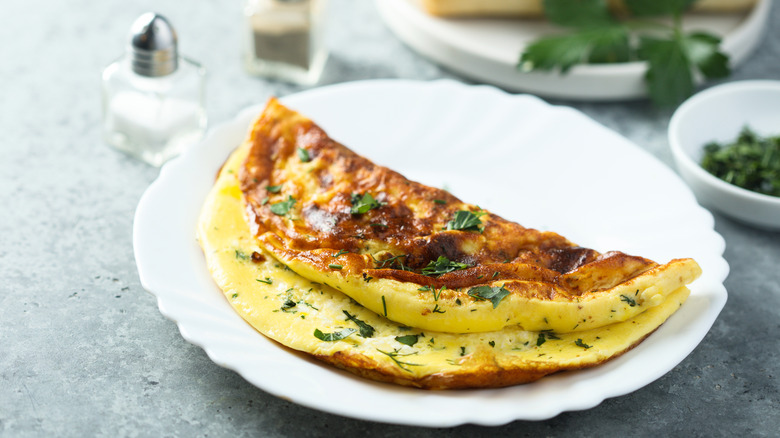
Omelets sometimes get a bad reputation as stodgy relics of breakfasts past. And if you've ever had an overcooked, rubbery half-moon of eggs, ham, and cheese, you might be inclined to agree. But the truth is that omelets are things of beauty when prepared correctly. The eggs are light and serve as a neutral base for whatever fillings you add to them.
As you might imagine, those fillings vary depending on where you are in the world. In Spain, potatoes are typically included (we'll get to those shortly), while cooks in the Philippines commonly incorporate eggplant. French omelettes, different spelling and all, take a more minimalist approach with herbs and butter only. And while American diner menus seem to constrict your options to specific meats, cheeses, and veggies, the only limit on what you put into an omelet is your own flavor preferences.
If you've been wanting to try something different or even just find new ways to use up leftovers, we've got some underrated additions to an omelet any day of the week. These are ingredients that we feel deserve more love and consideration when it comes to omelet-making. Some of them even take the dish from brunch to dinner in a delicious flash. Let's get cracking.
Fried rice

Omurice is a Japanese dish that's grown popular in the U.S. as well. It consists of an omelet laid over fried rice and topped with ketchup or a variety of other sauces. It's a tasty way to use up leftovers in a hurry. Of course, you can create your own take on the dish, with customized fried rice and sauces folded inside the omelet, American-style. Omurice tends to have two styles that come down to texture preference — either very thin or thicker and runnier. Why not experiment with both to find your ideal version? And if you're going for the more American-style fried rice omelet, thicker will probably work better for incorporating the rice into the egg mixture and ensure it holds up.
If you don't have a whisk on hand, you can also try your hand at making the omelet with chopsticks. The utensils are an all-purpose powerhouse of a kitchen tool. They can flip different foods and stir soups and noodles in addition to whisking eggs. They also come in several sizes, with smaller ones for eating and longer ones for cooking.
Potatoes
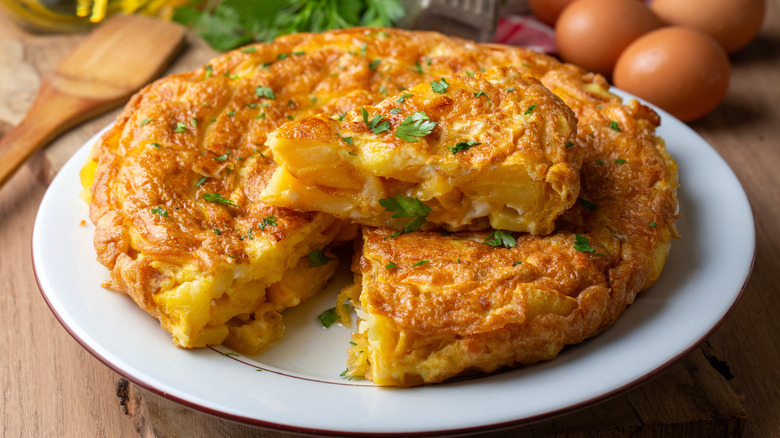
As you already know, spuds are a popular omelet filling in Spain. In a typical tortilla Espanola potatoes (either sliced or cubed) and onions are par-cooked before a mixture of eggs and salt is added. The omelet is fried on one side before being flipped and added back to the pan to finish cooking. It depends on the cook's preference if the dish will be thick or thin, but either way, the inside will be custardy, thanks to the soft eggs and potatoes.
Your potato incorporation doesn't have to stop there, though. You can also use home fries, french fries, or even whipped mashed potatoes in your omelet. But perhaps our favorite way is by reverse-engineering a potato omelet. It involves placing thin layer of potato slices in the bottom of a pan before the egg mixture is added. The entire thing is cooked through before the reverse omelet is folded in half, with a crispy potato shell on the outside and soft eggs inside.
Seafood
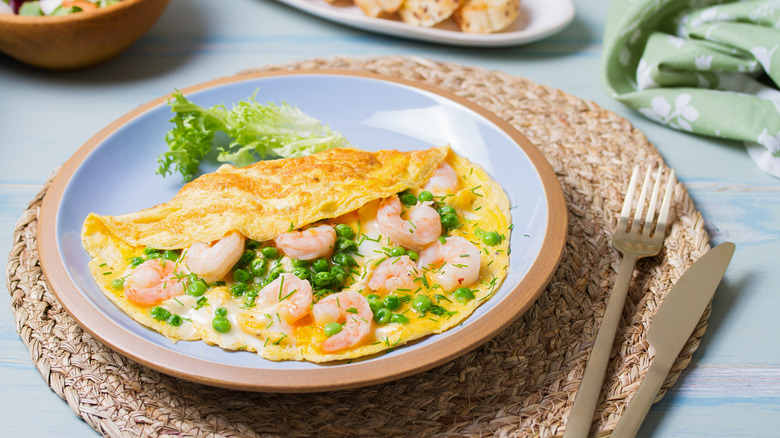
Seafood omelets might not sound like a top choice, but they are some of the most incredible versions of the dish. Adding ingredients like Cajun shrimp, boiled or sauteed crab, or scallops adds an unexpected savory element with natural sweetness. More briny items, like oysters, are also popular, and Taiwan's oyster omelet is a beloved street food and night market classic served with sweet chili sauce, scallions, and Chinese greens. The dish is a testament to balancing flavors, with the delicate eggs serving as a base for savory, bitter, sweet, and spicy.
One of the most famous versions of a seafood omelet involves salmon and cream cheese. Normally, the ingredients would accompany scrambled eggs, but as an omelet filling, the creaminess of the cheese and smokiness of the fish combine to take the treat to the next level. You can add capers and thinly shaved red onion on top if you want a fresh (and bread-free) take on a traditional bagel.
Barbecue pork
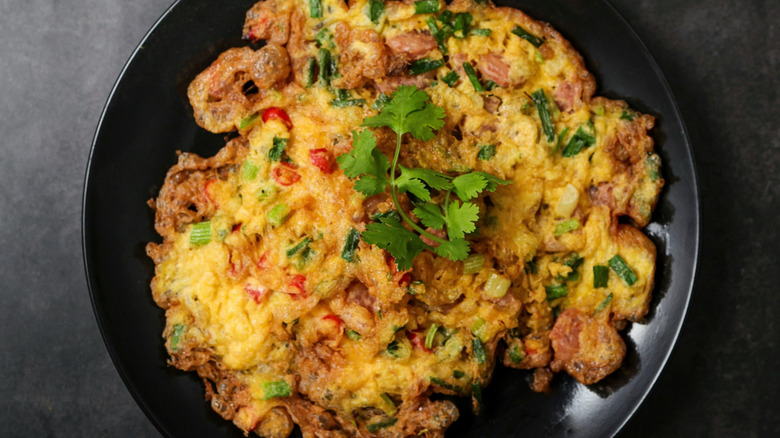
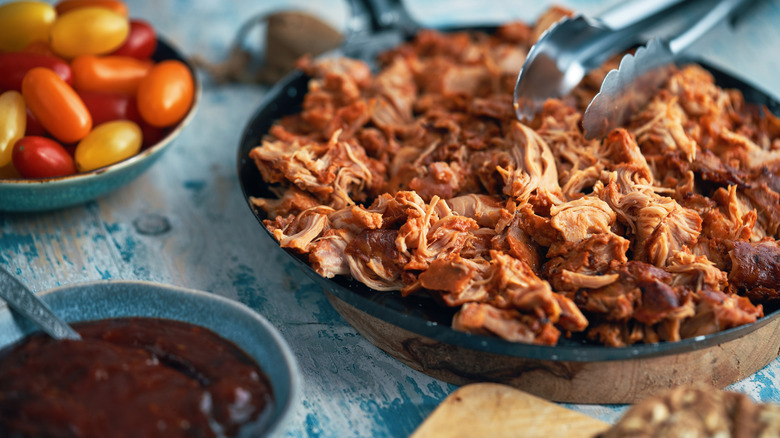
Even on a list of underrated omelet fillings, pulled pork might be among the most underrated of all. I mean, who considers barbecue pork as an omelet filling in the first place?! But whether you like it as a saucy barbecue style or as a traditional Cajun cochon de lait, adding pulled pork with white cheddar or smoked gouda to your next omelet will both satisfy your stomach and wake up your taste buds. For those not familiar with cochon de lait, the meal was originally made with a suckling pig. The pork is slow-roasted with garlic and spices for several hours until it's tender and easily shredded.
If you don't want to heat the kitchen by throwing a pork loin in the oven, using a slow cooker to make pulled pork (and other meaty meals) is a great option. Both pork butt and pork shoulder are great choices, although the butt is fattier. When cooked low and slow, the fat will render out, leaving a soft meat perfect for shredding before it fills an omelet, imbuing the eggs with all that rich flavor.
Buffalo chicken
Many health-conscious people are paying attention to their protein intake at the moment. The nutrient-based trend encompasses meat and plant-based options, so omelet fillings like buffalo chicken can be made with either. Shredded chicken, hot sauce, and cream cheese melt into eggs, creating a high-protein breakfast option that lets you use up the rest of a rotisserie chicken or buffalo dip. If you've never shredded chicken before, it only takes a few minutes, whether you use two forks or a hand mixer.
If you want to make the chicken yourself, poaching it with a bit of lemon will give it a subtle taste that melds well with other flavors. If you prefer to save time, you can buy pre-shredded cooked chicken or break down a rotisserie bird yourself. When pulling the chicken, try to do it when it's still a little warm, to make the process easier and faster overall.
Apples
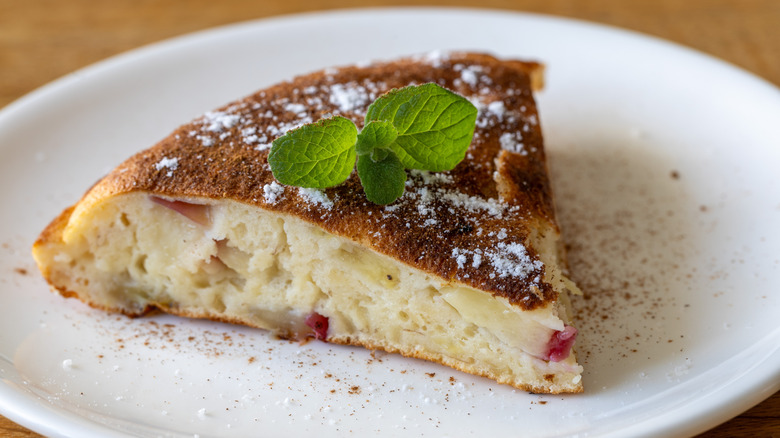
Apple omelets, or at least something resembling them, have been around a lot longer than you might think. First mentioned in 1615 in John Murrell's "A New Booke of Cookerie," the recipe for "apple pufs" combined apples, spices, and a little sugar with beaten eggs before they were cooked. The result was somewhere between a light cake and a Spanish tortilla. Today, spiced apples, cheddar, and bacon is an incredible combination that carries on Murrell's centuries-long legacy, whether you use the original recipe or adapt the filling for an American-style omelet.
Combining sweet and savory ingredients, like apples and sharp cheddar, tends to bring out the best in both. They complement each other and highlight the other's complexity. Here, the eggs act as a neutral base for the stronger flavors, while binding them together with a custardy center.
If you'd rather use the items for an American-style omelet, first add your egg mixture to a pre-heated pan and let the edges set. Lift up the edges just enough to tilt some of the uncooked egg under the cooked portion. When the egg begins to set, add the thinly sliced apples, cheese, and cooked bacon to the center before warming them through and folding the omelet over. Tip it out onto your plate, and enjoy the (historical) fruit of your efforts.
Chorizo
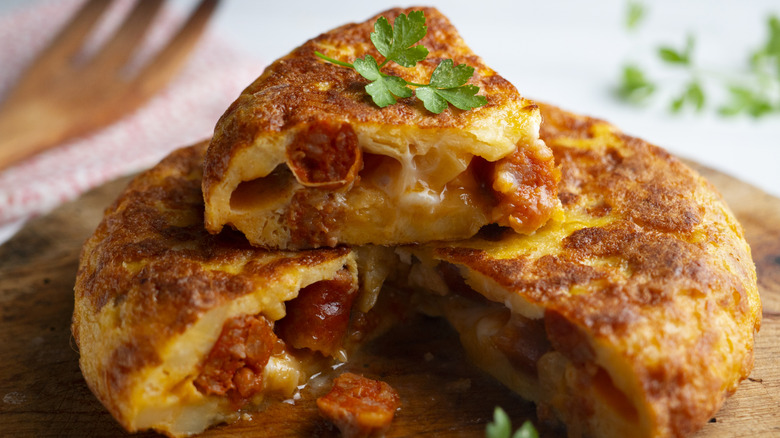
Instead of using breakfast sausage, try chorizo in your omelets instead. The cured meat is easy to slice or crumble and pan-fry before turning it into a hearty omelet filling. And there are quite a few varieties to choose from. Spanish and Mexican chorizos are the most famous, but many Latin countries, such as Argentina and Paraguay, have their own versions as well. The recipes vary widely, but garlic and spices are often included.
In fact, garlic is one of the things that unites Spanish and Mexican chorizos. Otherwise, the two are quite different. The Spanish type is smoked, and the Mexican type is cured in an acidic environment with chiles and vinegar. The differences in flavor are stark, giving you more tastes to try in your omelet fillings. The Spanish variety is easy to slice and add to the eggs as is, while the Mexican kind can be crumbled and fried into crispy, savory pieces before joining cheese and veggies in the dish.
Miso
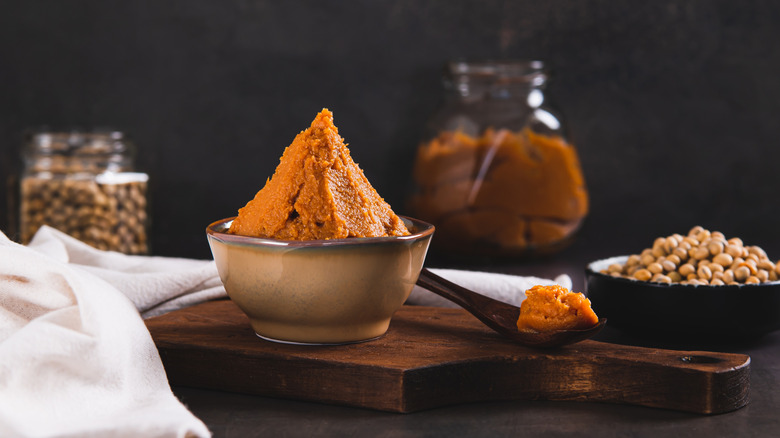
Using miso paste directly in an omelet or in miso butter to cook it will add a spectacular depth of flavor. There are a variety of miso pastes, with some being strong, salty, umami, or spicy. Others, like white miso, are less pronounced, but still bring a burst of flavor to the eggs. Adding hot sauce or sriracha along with miso creates a hot, savory mixture to complement the eggs, either by themselves or with other meats and cheeses.
Miso is made from fermented soybean paste, and even the mildest will have a salty taste. Because of this, it's best to only use a little miso – around a teaspoon — with your eggs to avoid them being overwhelmed by the paste. Depending on the miso you use, ingredients like herbs, shrimp, or pork can be excellent accompaniments in the eggs. Items with a bit of heat, like hot sauce or salsa, are good additions to the paste, too.
Mushroom medley

Mushrooms might seem a bit too common to qualify as "underrated," but that all depends on which kind you use. While your average diner menu might feature cremini or portobello — which makes sense, as they both take on flavor well without overwhelming the eggs — other kinds can possess delicate flavors of their own or be very meaty. Some are even both. Whatever quality you prefer, there are a myriad of varieties to provide it.
Enoki mushrooms have long, slender stems, small caps, and grow in tight clusters. They have a delicate taste on their own but are often used as a vegan substitute for fried chicken after being battered and fried. Oyster and chanterelle mushrooms are also great options for omelets because they're easy to find and more flavorful than regular button mushrooms. The fungi can be sliced, diced, halved, or used whole in a variety of omelets, no matter the style. And nothing's stopping you from working in all three, or more, into the same omelet. Just remember to clean your mushrooms well before adding them to the egg mixture, or you can end up with bits of dirt in your beautiful meal.
Pork belly

This is one of the ultimate ways to add a savory bite to your omelets. Pork belly is rich and fatty, so you don't have to add much to get the tongue-coating goodness from the meat. Pork belly can also be rubbed with spices or marinated before cooking to up the flavor factor. Because pork belly is sold fresh and uncured, it takes on any flavors you rub or marinate it with. However, the meat is delicious when prepared simply, too.
In Japan, a traditional omelet called tonpeiyaki is made with pork belly and cabbage. The meat is pan-fried without much seasoning and added to shredded cabbage and green onion. The filling is cooked in the middle of the egg mixture before the set edges are folded over it. A tasty, umami-rich sauce made of ketchup and Worcestershire, soy, and oyster sauces is drizzled over the top of the omelet with Kewpie mayo and nori flakes. The result is a savory dish with a variety of textures for your next meal.