

10 Of America's Oldest Chain Restaurants Still Serving Food
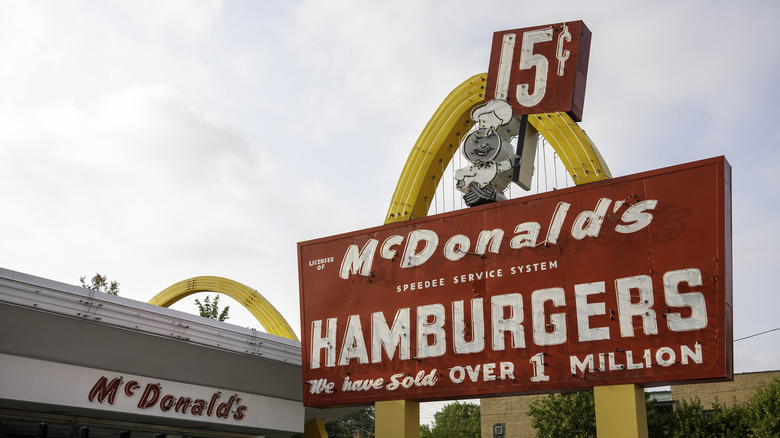
Long before there were chain restaurants on every corner and delivery apps were the norm, a handful of small restaurants were shaping the landscape for what American fast food service would become. These chains offered more than a quick and convenient meal; they were revolutionizing the field with classic menus and standardized kitchen practices. Many of these restaurants got their start when cars were just becoming mainstream and dining out felt like a luxury. Fast and casual dining opened up the world of dining out and made it more accessible for the everyman to get a quick bite.
These restaurants are admirable not only for their techniques but also for their staying power. They've been able to remain open for generations and are still growing and serving customers today. While thousands of restaurants have come and gone over the past century, a certain few have thrived. In almost every case, these restaurants have adapted with the times, developing modern menus and marketing practices which allowed them to evolve while still holding on to the core principles — and dishes — they were built on. Let's take a closer look at some of these American food stalwarts.
A&W
A&W Restaurants traces its roots back to 1919, further than almost any chain in the United States. Not only is the restaurant older than many other U.S. chains, but it is also literally older than sliced bread (a fact the company loves to share). A&W began as a humble roadside root beer stand run by Roy W. Allen in Lodi, California. After partnering with Frank Wright, the two franchised and became a widespread chain selling burgers and their signature frosty mugs of root beer.
The brand's drive-in defined early car service dining long before the drive-thru became popular. Brightly-dressed carhops would take your order and bring your food right to your car window, revolutionizing the process of casual dining. Part of what makes A&W so remarkable is its longevity. Hundreds of chains have opened and closed their doors in the time that A&W has been around, but A&W remains ever popular with its signature colors, branding, and food choices, also offering perks to its customers like a hefty senior discount. With almost 600 locations nationwide, this restaurant does not seem to be going anywhere.
White Castle
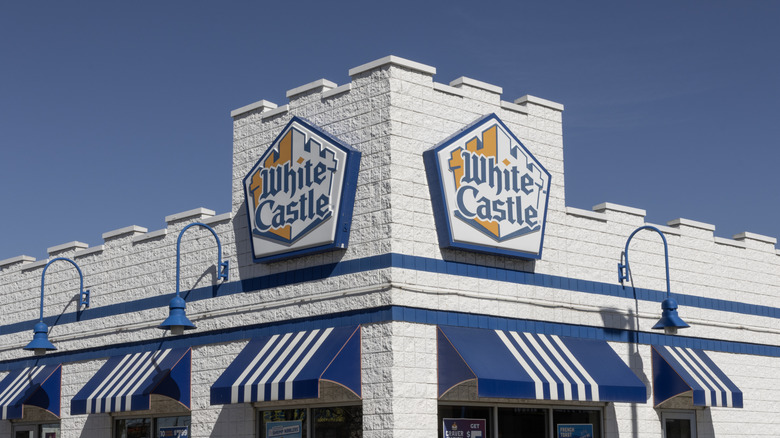
White Castle credits itself as the "first fast-food hamburger chain in the world." Opened in 1921 in Wichita, Kansas, Billy Ingram and Walt Anderson helped standardize safe and uniform food preparation during a time when many Americans were wary of ground beef. Upton Sinclair had recently published "The Jungle," a book detailing the unsanitary conditions of meat-packing establishments and the food industry in general. Eating anywhere not in your own kitchen could be a big risk.
White Castle emphasized cleanliness and was as transparent as possible about how its food was stored and prepared. The company pioneered many practices that are now standard in the food service industry, including open kitchens and assembly line cooking. White Castle later introduced takeout-friendly packaging and its tagline became "Selling 'em by the sack." In another incredible innovation, White Castle was also the first chain to start serving French fries with burgers. Thanks to its clean restaurants and constant revolutionizing of the fast-food industry, White Castle remains open in hundreds of locations with millions of loyal fans.
KFC
In 1930, Harland Sanders –- aka The Colonel — bought a roadside motel in Corbin, Kentucky, and started selling homemade fried chicken to weary travelers. He perfected a blend of 11 herbs and spices and a cooking method until he felt his recipe was as good as it could get. In the early 1950s, he sold his roadside motel and opened the first KFC franchise in Salt Lake City, where staples like the bucket of fried chicken were born. Sanders began traveling around in his signature white suit and convinced other entrepreneurs to open KFC restaurants around the country. This helped the brand expand quickly.
KFC has been able to keep its doors open for so long due to several reasons, one being branding. Years after his death, Sanders himself is a walking marketing symbol, with his bright white suit and southern accent. KFC has adapted its menu to changing tastes and modernized its methods while still keeping the classic menu items and original recipe in rotation. Colonel Sanders might not have been able to visualize a Famous Bowl or Double Down sandwich when he first started the chain, but that's what progress gets you.
Dairy Queen
In 1938, John Fremont McCullough and his son Alex developed a new soft-serve ice cream formula that created a smoother texture than traditional ice cream. Sherb Noble sold the formula in his ice cream parlor and moved more than 1,600 servings of the stuff on day one. Shortly thereafter, he and the McCulloughs opened the very first Dairy Queen in 1940 in Joliet, Illinois. Dairy Queen quickly expanded across the Midwest, becoming the go-to spot for soft serve. Dairy Queen has gone through a series of marketing phases, including the adoption and dropping of several different slogans.
Dairy Queen paired nostalgia with innovation. Older generations are catered to with classics like DQ cones, sundaes, and hot dogs, while newer items like Blizzards are geared toward a younger crowd. Dairy Queen also franchised early, opening restaurants across the United States and Canada as early as the 1950s. The smaller restaurant size helps the chain feel local, keeping which has helped keep it in business even in smaller cities and outside of metropolitan areas for more than 80 years.
McDonald's
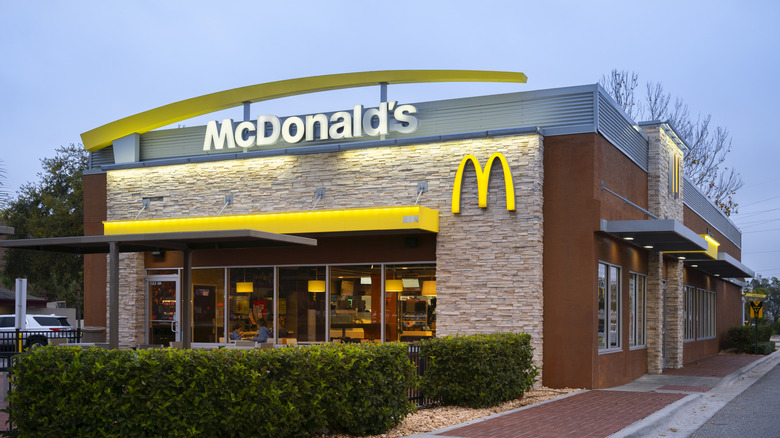
McDonald's, the country's largest fast food chain, began as a single restaurant in San Bernardino, California. This standalone restaurant, opened by brothers Richard and Mac McDonald, was called "McDonald's Famous Barbecue," serving a selection of barbecue food items. The major breakthrough came when the brothers introduced their Speedee Service System, a streamlined kitchen process designed take advantage of the restaurant's top-selling item — hamburgers — and deliver food quickly and cheaply to as many customers as possible in the service window. This process laid the groundwork for modern fast food service.
Ray Kroc noticed the brothers' success with this process and helped them franchise the business, eventually acquiring the company's rights in 1961. The rest, as they say, is history. McDonald's original limited menu gradually expanded with items like milkshakes, french fries, and the brand's signature breakfast menu. Eventually, Big Macs, Happy Meals, and several other McDonald's staples became cultural icons, and the company's golden arches became one of the most recognizable symbols on the planet.
In-N-Out Burger
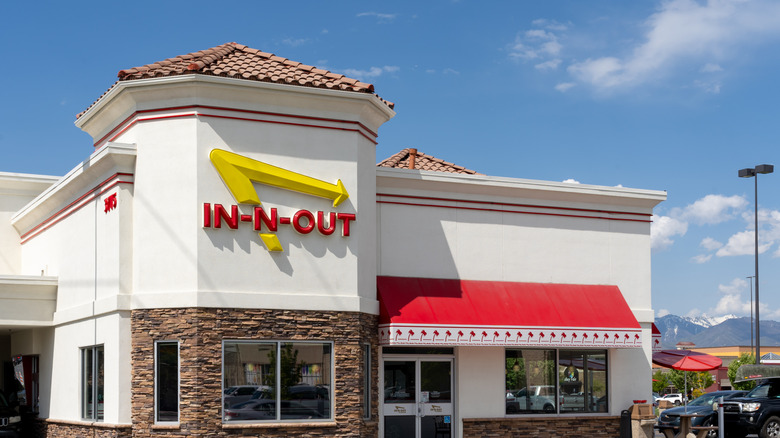
After the husband-and-wife duo Harry and Esther Snyder opened In-N-Out Burger in 1948, it became the California's first drive-thru hamburger stand. This was a revolution in postwar America, now that more and more Americans owned cars. They could order and receive their food right from the comfort of their front seat, and fast food dining had never been easier. Harry Snyder prioritized fresh ingredients, shopping at local vegetable and meat markets in the early hours of the morning before the restaurant opened.
Unlike other fast food chains, In-N-Out grew slowly instead of franchising quickly across the country. This slow growth helped the staff maintain a strict standard of quality control and keep the business family-owned. The chain sports a relatively simple menu, sticking to the same burgers, fries, and milkshakes that it's been serving for decades, with some minor variations (and some iconic secret menu items, of course).
Burger King
Burger King opened in 1954 in Miami, Florida, initially under the name Insta-Burger King. Founders James McLamore and David Edgerton studied successful burger chains like McDonald's and applied what they learned to their own restaurant. In 1957, Edgerton invented a new way to grill the restaurant's burgers, called flame-broiling. This allowed the burgers to get a smoky flavor fast without compromising quality. This new cooking method led to Burger King skyrocketing in popularity.
Through the years, Burger King built a fan base through bold marketing (such as its beloved mascot) and direct competition with other burger chains. It branched out with chicken items on its menu and awarded cardboard crowns with children's meals. Branding has helped keep this chain relevant, and now over 11 million people visit a Burger King every day across the globe. The chain operates nationally, as well as in over 100 countries worldwide.
Denny's
Denny's began in 1953 as a small donut stand called Danny's Donuts in Lakewood, California. Harold Butler and Richard Jezak, founders of Danny's Donuts, expanded the shop into a full diner, selling coffee and breakfast and eventually changing the name to Denny's to avoid confusion with another nearby restaurant. The restaurant quickly gained popularity thanks to its round-the-clock hours and extensive breakfast menu. Folks would not only stop in for an early morning meal, but for late-night snacks as well.
In 1967, Denny's went international, opening a franchise in Mexico. From there, growth was astronomical. By 1981, Denny's had more than 1,000 restaurants, with menu items such as the Grand Slam becoming popular nationwide. Denny's has been able to continue growing thanks to affordability initiatives and value menus. A simple, quality breakfast is a staple for many people dining out, and Denny's has perfected the art of good food done affordably.
Nathan's
Nathan's Famous dates all the way back to 1916, when Polish immigrant Nathan Handwerker opened a nickel hotdog stand on Coney Island in Brooklyn. His low prices allowed him to undercut competitors, and his wife's secret spice mix kept customers coming back for more hot dogs. The stand had a great location and grew thanks to word-of-mouth from tourists and locals alike.
This must-visit destination soon grew into a franchise. Nathan's wasn't just a hot dog stand; there were traditions that were associated with the brand, such as the much-anticipated hot dog eating contest that's still held annually on the Fourth of July. Nathan's brand became an icon, and these hot dogs were soon distributed in grocery stores nationwide. In early 2026, the brand was sold to Smithfield Foods for $450 million, which has vowed to continue the contest and maintain its original Coney Island location, which still operates to this day.
Krystal
Krystal opened during the Great Depression in 1932. Founders Rody Davenport and J. Glenn Sherill were inspired by the small burgers sold at White Castle and created their own spinoff burger recipe. The founders were also inspired by cleanliness, which helped inspire the name of the restaurants: a play on "crystal-clear," or "crystal-clean." Dining out during this period could feel risky, so the restaurant's clean, white interior and simple menu put customers at ease and made them feel safe.
Krystal grew from its origin point in Chattanooga, Tennessee and spread across the Southeast. This chain became a regional favorite known for its burgers, hush puppies, and late-night hours. Krystal has not become as widely franchised as other chains like McDonald's or Burger King, but it is hugely popular in the regions where stores are set up, still boasting 267 locations as of this writing. This chain's nearly 100-year run is a testament to the staying power of a good, simple menu. for nearly 100 years nine decades of other restaurants coming and going is a testament to the quality of a good, simple menu (particularly one filled with burgers, chili, fries, and tots).