

10 Unexpected Ways To Use Lemons In Everyday Cooking

Few people haven't experienced the face-scrunching effect of tasting a particularly sour lemon product. Some people love it and seek out the sourest stuff they can find. Others don't care for the saliva-producing sensation. Whether you love or hate a lemon's sour taste, there's no denying that lemons are one of the most versatile ingredients in the kitchen.
The nation has been steadily consuming more lemons over the past few decades, with the retail availability of lemons per capita having doubled between 2000 and 2022. There are plenty of reasons for that. These tiny powerhouses of vitamins and citric acid can brighten a drink as easily as clean a counter. A lemon's sourness wakes up the palate, adds dimension to dishes, and complements sweet things. And there are a myriad of ways to cook with the flesh, peel, oil, and lemon as a whole. Costco has affordable options next time you need a bag, which might be soon, because here are ways you might not have tried using lemons before.
Deglaze pans with preserved lemons

Fans of Moroccan cuisine will be familiar with preserved lemons. These fermented wonders are packed in salt to stave off bacteria and mold. After a few months, the resulting lemons are tangy and complex, with every part able to be used in cooking. The curing process softens the rind and mellows the pith, allowing them to be added to marinades, sauces, and more as they are. A bit of the fermented brine is a great way to deglaze a pan while adding a sharp, salty flavor to the scraped-up brown bits. Just be sure you're not deglazing a pan made of a reactive metal, such as copper, cast iron, or aluminum. The citric acid can react with those surfaces, discoloring your cookware and potentially causing the metals to leach into your food.
Preserved lemons are versatile, and only a little can lift a dish's flavor profile. Using preserved rinds in lemonade or as a garnish for desserts adds a briny tanginess to the otherwise sweet treats. The lemons also give vegetables, like potatoes, an acidic zing. But adding some preserved lemon to shrimp pastas creates an unforgettable combination of tastes and textures.
Stir fermented lemons into compound butter
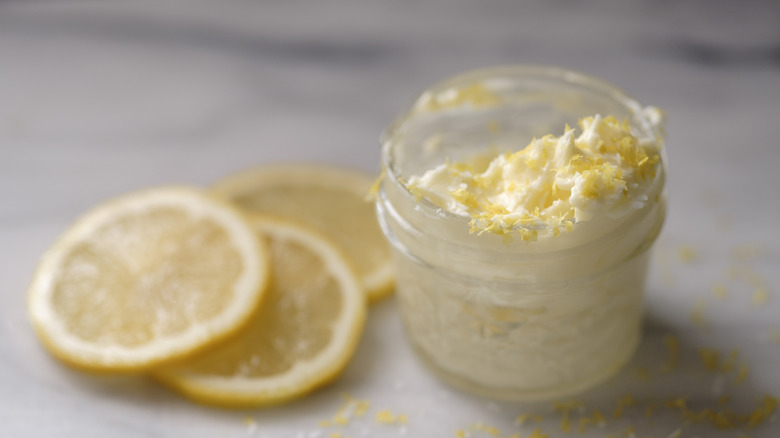
Salt-cured lemons aren't the only way to preserve the citrus fruit. Fermented lemons are a close cousin, where the intense salt packing method of preserved lemons is replaced by lemons being covered in their own juice, as well as a bit of salt. The result is bright, tangy lemons that instantly up the savoriness of a dish that you don't have to wash the extra salt off. Instead, the citric acid combines with the brine, letting the lemons ferment in as little as two weeks, as opposed to the months it takes salt-cured lemons. These fermented lemons can be used in soups, stews, or anywhere preserved lemons would be needed.
Try chopping some fermented lemons finely and incorporating them into butter for a tasty topper to fish, toast, and more. The creaminess of the butter melds with the briny, sour lemons to create a tangy spread for toast, scones, fish, or steaks. And a bit of the brine can add a salty burst to vinaigrettes or cocktails.
Infuse syrups with lemon peel

Sour and sweet are a classic flavor pairing. The two complement and balance each other. One of the applications where this partnership shines brightest is in oleo saccharum, or lemon peel syrup. Long used by bartenders to brighten up a cocktail, you can use it in your kitchen for coffee, sauces, soups, and more.
Making the syrup is simple. Weigh the peel or zest from one or more lemons, and add the same amount of sugar. Crush the two together with a muddler or the bottom of a glass until the peel starts to release its oils. You can also use a food processor to speed up the process. Cover the mixture and leave it to macerate for one hour or up to 24 hours, stirring occasionally. The sugar encourages the lemon's oils to leave the fruit, letting the sugar soak up the liquid. The result is a thick, sticky syrup that you'll strain the remaining solids from, leaving a silky, flavor enhancer for drinks and desserts.
Rim a cocktail glass with lemon salt
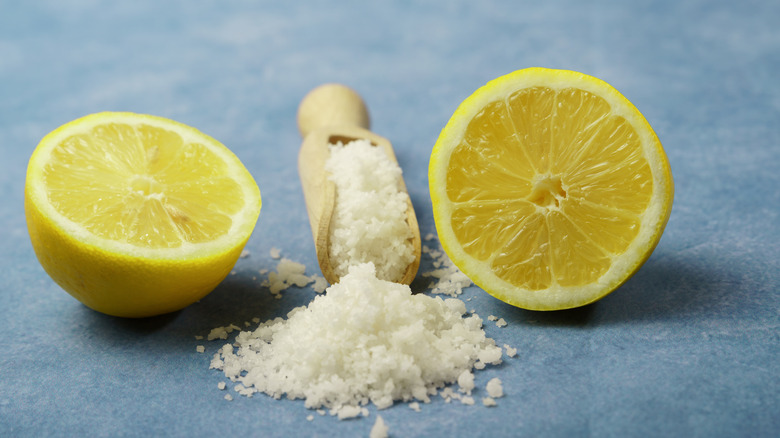
Lemons and salt are a versatile pair. For instance, when you mix lemon zest into salt, the two work together to create a flavored seasoning that immediately wakes up your taste buds. According to flavor scientist Gary Beauchamp, Ph.D., of the Monell Chemical Senses Center, salt suppresses bitterness, allowing sweetness to be enhanced. In lemon salt's case, the salt tempers the bitterness of the lemon peel, while drawing out its oil. This provides balance and flavor for both.
To make lemon salt, celebrity chef Gordon Ramsey recommends using coarse salt. Not only does coarse Kosher or sea salt have more flavor than table salt, but coarse salt is irregularly shaped and dissolves on contact with heat. Crushing lemon zest with the chunky salt lets the salt bond with the citrus oils through pressure and friction, creating a uniformly salty, sour, and tangy finishing salt for food and drinks. The lemon salt can be stored in an airtight container for up to two weeks.
Mix grilled lemons into drinks and salad dressings

Charring or grilling lemons isn't just to intensify their color or produce striking grill marks. Instead, exposing the lemons to high heat caramelizes their sugars and adds a deeply smoky flavor. That mix of smoky, sweet, and savory makes grilled or charred lemons perfect for a salad or sandwich. You can use thick slices of lemon on the grill as a bed for fish or delicate meats. This imparts a citrus taste to the meat while the lemons cook. This gives you a quick two-for-one flavor boost.
The charred citrus fruit is also delicious in grilled lemonade. Cooking the lemons on a traditional grill or in a grill pan softens them, making them easier to juice and providing more of the liquid. The smoky juice is then mixed into a delectable lemonade. Adding a thin layer of sugar to the grilling lemons adds more color and depth of flavor as it caramelizes along with the lemon's natural sugars. Another way to use charred lemons is in salad dressings. The sweet, smoky slices and juice can be incorporated into a vinaigrette or creamy dressing for a serious bump in flavor.
Use lemon juice to acidify pasta water

There are many ways to reduce pasta's stickiness — using plenty of water, stirring frequently, and adding a little lemon juice. If you haven't heard of the last one, it's not surprising. This trick has been overshadowed by the idea that putting oil in the water will keep the pasta from clumping. But all it really does is prevent sauce from clinging to the pasta by reducing the starchiness of the noodles being pulled through it. But with lemons, the juice or powdered citric acid reduces the pH of the cooking water, making it more difficult for the starchy pasta to clump together, while keeping those same starches sticky enough for your sauce to cling to it.
When it comes to adding lemon juice to the water, bottled lemon juice offers consistent acidity, unlike freshly squeezed, which can vary. However, for dishes like pasta al limone, using fresh juice in the sauce adds tartness without the extra preservatives many bottled juices have. A good general rule for deciding when to use bottled or fresh is whether or not the dish will be cooked with the lemon juice in it. If the answer is yes, like in jam making, then bottled is the way to go. The difference in taste after cooking is rarely noticeable, and the consistent acidity ensures things like jellies set up properly. If the dish or drink uses lemon juice without extra heating, the fresh stuff will taste better because it hasn't had a chance to oxidize the way bottled juices can.
Incorporate dried lemons into salads

Drying, or dehydrating, lemons increases their 'lemony-ness', thanks to their limonoids, or the compounds that make citrus fruits taste bitter. With the extra water and much of the sugar and acid removed during dehydration, the remaining limonoids can shine. These small packets of flavors complement a variety of dishes and drinks. Dried lemons can be used as a tasty garnish for desserts or powdered and used as a seasoning. They can also take a more prominent role in dishes like fresh salads, where their strong taste and crunchy texture can complement bitter greens, creamy sauces, or vinaigrette dressings. Dried lemons are often used in tea blends, and you can use them to make your own custom tea or add them to a cocktail for an extra flavor boost.
If dried lemons aren't easily found in your area, you can dry lemon slices at home in your air fryer. The multi-hour process uses low heat to slowly evaporate water from the slices, leaving light pieces of powerful citric goodness. Try sprinkling the slices with spices before or during dehydration to give your recipes a personalized touch of flavor.
Temper the sweetness of icings

Lemon's sourness makes it the perfect accompaniment to sugar. Many royal icings use lemon juice as the liquid component. This balances the sweetness of powdered sugar and provides a surprising tanginess. Confectioners often use a bit of lemon juice while making caramels to prevent the treat from crystallizing. The combination works so well because of the way citric acid breaks down sugars into their simplest form. This keeps excess crystals from forming and turning the caramel grainy. It also keeps icings and frostings from becoming cloyingly sweet by adding a bit of sourness and depth.
To take your lemon desserts even farther, you can combine maple syrup, a lemon, and your choice of fruit to make an easy citrus sorbet. The maple syrup adds a rich, caramel-like sweetness to the icy treat. Another easy recipe is for three-ingredient lemon mousse. This takes lemon juice, evaporated milk, and condensed milk and creates a refreshing, creamy dessert that's thickened by the reaction between citric acid and the fat in condensed milk.
Try fried lemon slices on a burger
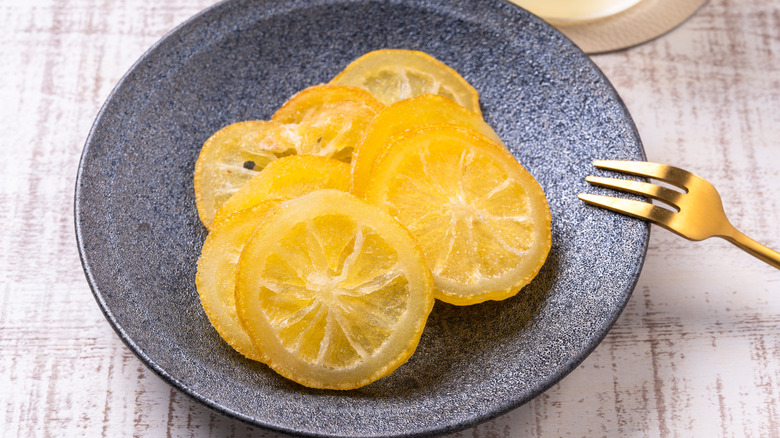
While charring lemons caramelizes their sugars, bringing out their natural sweetness, frying lemons breaks down their pith and peel, making them a chewy, rich, and delicious way to add unexpected flavor to dishes. Lemons are sliced thin and fried in olive oil for three to five minutes, before being sprinkled with salt, pepper, or any other seasonings you'd like.
The result is a crunchy slice with a less acidic lemony flavor. A slice or two is a textured, tasty topping on a burger or sandwich. You can even add them to salads as slices or strips. Another reason to try this method is the leftover oil. The olive oil that the lemon is fried in can be strained and saved as a flavored oil you can use anywhere you'd use plain olive oil. Try a drizzle on pizza or ice cream for a truly delectable experience.
Prepare chicken with lemon curd

Lemon's versatility in savory dishes can't be overstated. Not only does it add flavor and brightness to a meal, but citric acid also tenderizes meat by breaking down the proteins in muscle fibers. Using the juice in a marinade isn't the only way to transfer those acids into the meat, either. So doing something a bit unexpected, like slathering a roasting chicken with lemon curd, doesn't just add flavor to the meat, it also helps tenderize and moisturize it. Even more, the added sugar from the curd will caramelize while cooking, adding a sweetness that can help crisp and char the chicken's skin for an umami-filled experience.
If you don't have a jar of the thick, bright yellow condiment, it's not hard to make in around 30 minutes. The curd is great on toast, scones, ice cream, and cakes. You can also use it to top a burger or add zing to a drink. Or, try lemon curd's closest relative, lemon cream. Lemon cream is another thick, glossy sauce that uses cooked lemon juice, but with whipping cream added. This version uses less sugar, making it ideal for pairing with earthy or pungent ingredients like fish sauce, garlic, or mustard.