

8 Classic Soda Fountain Treats You Hardly See Anymore
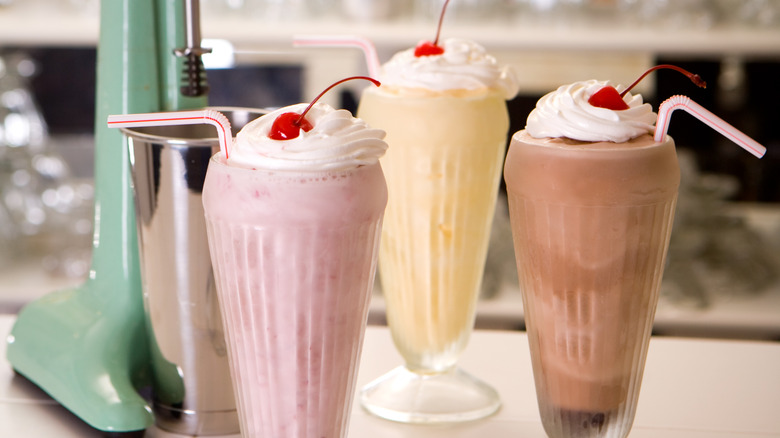
Throughout the early 1900s, soda fountains were a familiar sight in countless communities, offering both ice cream treats and carbonated creations. Often dwelling inside pharmacies and drugstores or alongside apothecaries, these early establishments touted their treats as healthy refreshments. Yet the allure of these sweet offerings grew beyond physical wellness.
As prohibition dominated the 1920s, soda fountains arose as gathering places, replacing saloons and offering out-of-work bartenders a new opportunity to utilize their skills. A variety of stunning treats and delectable drinks emerged, with so-called "soda jerks" providing an array of show-stopping novelties to folks of all ages and tastes.
Yet by the 1970s, the era of the soda fountain seemed to be over. As fast food, bottled soft drinks, and more commercialized ice cream options arose in American culture, the soda fountain and its assortment of drinks and desserts began to vanish. As such, many soda fountain treats soon began to fade from memory, disappearing from menus and minds across the country, save for the odd retro-themed shop. But not all are lost to the sands of time. Lets take a moment to travel back to the past and explore some of these nostalgic treats, from ice cream creations that have been forgotten to sensational beverages you've likely never heard of.
Egg cream
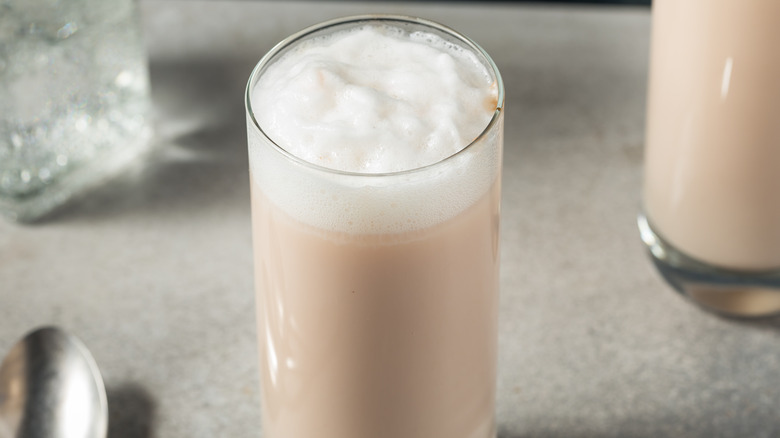
Egg cream sodas were a popular treat in the New York region for many years before fading from existence. Made from milk, chocolate syrup, and seltzer whipped into a frothy mixture, most egg creams actually contained no egg. Who invented the egg cream remains a bit of a mystery, but there are a few theories as to its origins.
One of the earliest dates the egg cream back to 1890 to a candy store on the Lower East side of New York City. Here, it is claimed Louis Auster created the egg cream using his signature chocolate syrup recipe that still remains a secret to this day. As the story goes, it earned its name due to its frothy texture, which echoed beaten egg whites.
Another tale dates the egg cream to the 1920s, to a man called Hymie Bell. According to his Nephew Daniel Bell, his Uncle Hymie pioneered this iconic Big Apple beverage, crafting his creation from chocolate syrup, seltzer, cream, and egg yolks. However, he was forced to omit the eggs later due to their rising cost during the Depression.
The drink is still occasionally found in some New York establishments as a throwback, where Fox's-U-Bet's chocolate syrup is classically used. Still, you won't find any versions using egg today due to the risk of salmonella bacteria in raw eggs leading to food poisoning.
Lime rickey
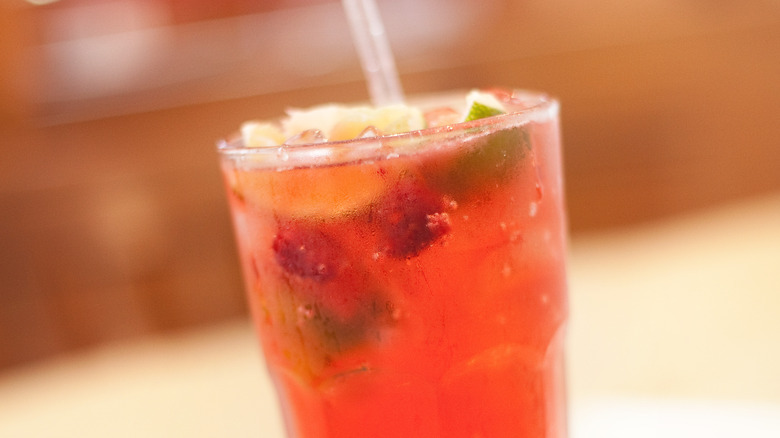
Named due to its similarity to its alcoholic cousin, the rickey, the lime rickey rose to popularity during the days of prohibition. Concocted from lime juice, seltzer, and syrup, it had a stronger bite than other fountain drinks that made it a preferred treat for adults. In many ways, the lime rickey was one of America's first mocktails, enjoyed by many people at the local soda fountain in the 1920s who found themselves unable to indulge in stronger beverages.
Regional variations sometimes included adding sweeter flavors to the mix. In New England, raspberry was a regular addition; in New York, the Cherry Lime Rickey was all the rage. Sadly, the Lime Rickey began to vanish with the emergence of home refrigeration and the rise of packaged sodas. Although some tried to bottle this beverage along with sodas like ginger ale and cola, it never took off the same way. Still, the Lime Rickey has experienced a small resurgence as a mocktail of late.
Chocolate Coke
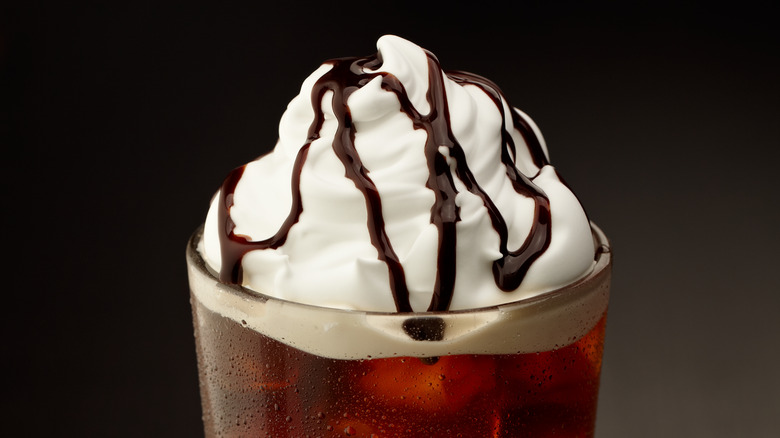
Chocolate Cokes were another retro treat once enjoyed in soda fountains across the nation. Made from Coca-Cola and chocolate syrup, this nostalgic drink combined a fizzy tang with sweetness often topped with a delightful swirl of whipped cream. Other folks relished the combination of Coca-Cola and ice cream, sometimes blended with cherry and vanilla flavoring. Such drinks were often treasured treats for kids and teens after school.
Interestingly, the history of this classic beverage is closely intertwined with that of the soda fountain. First invented in 1886, Coca-Cola was the creation of pharmacist John Pemberton. Made from a syrup which used coca leaf extract and caffeine derived from kola nuts, it was named Coca Kola before switching to Coca-Cola as a marketing move.
First sold at a soda fountain in an Atlanta pharmacy, sales for Coca-Cola's first year were only $50 — a loss for the business. Only a year later, Pemberton sold the formula to Asa Candler, whose savvy marketing tactics led to the product's increased syrup sales in the 1890s and meteoric rise in America, allowing it to find its way into soda fountains throughout the country.
Phosphate sodas
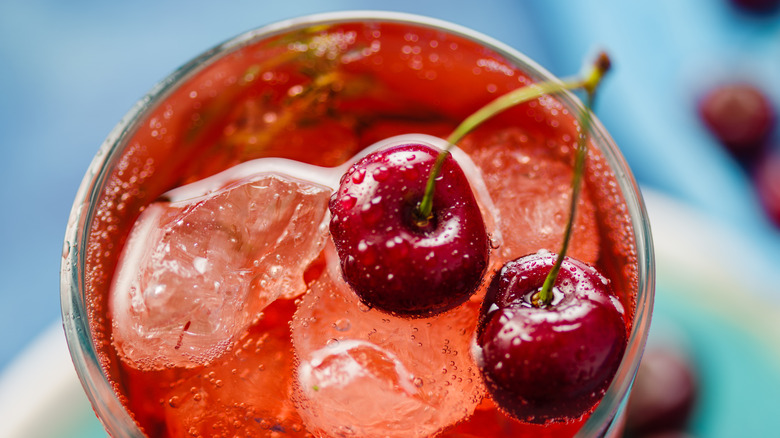
Those who frequented soda fountains back in their heyday could order a variety of phosphate beverages, from cherry phosphates to chocolate phosphates. Crafted from soda, a bit of acid phosphate, and syrup, these drinks were a perfect blend of sweet and sour.
Believed to address a variety of ailments at the time, acid phosphates were initially added to sugar and water to treat common maladies like indigestion, headaches, and even exhaustion, as old advertisements vouched they alleviated. While such claims were largely unfounded, the combination worked in many soda fountain treats as acid phosphate helped to balance out the sweetness of such drinks, contributing to their popularity.
Cherry phosphate was one of the most popular treats in the 1920s. However, the chocolate phosphate, made from high-quality chocolate syrup, stood as a close second. Acid phosphate acts as a perfect ingredient to add a little bite of sour to a drink without the strong citrusy flavors of lemon or lime, which would potentially ruin a drink like the chocolate phosphate. While it seems to have vanished from sodas, it's had a bit of a comeback on the cocktail scene, heralded for adding a puckery counterweight to sweeter cocktails.
Purple cow
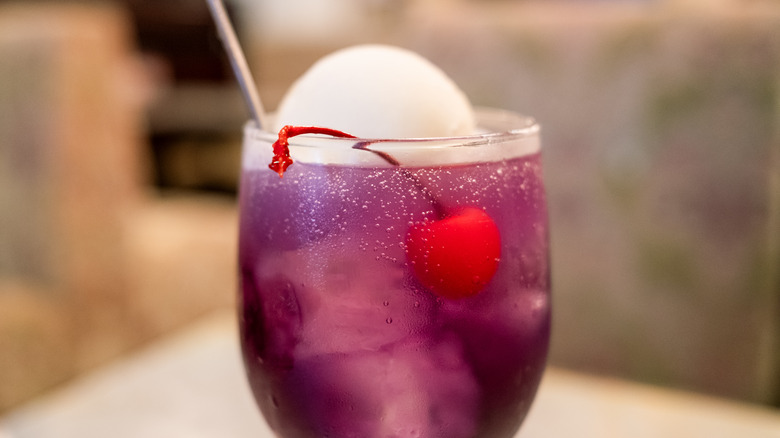
While the root beer float might still be around, the purple cow has been largely forgotten. Made from grape soda and vanilla ice cream, this soda fountain treat once delighted many an eager child in the 1930s. Why the strange name for this bygone beverage? It's likely the purple referred to the color of the soda, and the cow to dairy.
But the purple cow was far from the only float around; these inventive treats held an assortment of unique flavors that have since been erased. A pink cow was made with strawberry soda and vanilla ice cream. Meanwhile, a Hoboken included pineapple syrup, soda water, and chocolate ice cream, while a Boston Cooler consisted of vanilla ice cream and ginger ale. Yet, it's likely all these derivations originate from one invention: the root beer float.
Although multiple folks have claimed to have invented the root beer float, many believe it originated with Frank J. Wisner in 1893 as he sought out a new way to serve root beer to his customers. Supposedly, he topped the dark soda with a scoop of ice cream, advertising his creation as a black cow. In other versions of the story, it garnered its name after the snow-covered Cow Mountain in Colorado, which inspired him after he saw the moon shining on the mountain like a scoop of ice cream.
However, other sources cite the root beer float might actually be the creation of Robert Green in Philadelphia, who started serving ice cream with sodas when he ran out of regular cream in 1876. No matter the true creator, it's interesting how this single float lives on despite its many other incarnations being left behind. All things considered, the true mystery here might not be who invented the classic float, but why these other flavors have been lost to the past.
Malted milkshakes
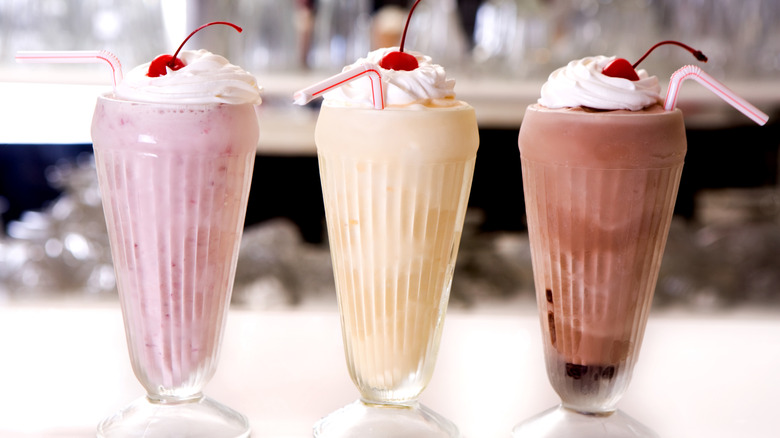
Although more often associated with old-fashioned malt shops that served burgers and sundaes, the malted milkshake also made appearances in many soda fountains decades ago. Distinguished from a traditional milkshake by the addition of malt powder or malt syrup, these dairy-based drinks were popularized with the invention of malted milk powder, touted in the 1900s for its health benefits and dense caloric content.
As with many of these old-fashioned soda fountain treats, the inventor of the malted milkshake remains debated. Still, many associate its rise in popularity with Walgreens employee Pop Coulson in the 1920s. He used Horlick's malted milk, a few scoops of ice cream, and a topping of whipped cream to craft a treat filled with nutty flavors and toasted malt characteristics.
Although Horlick's malted milk existed since 1873, it makes sense that this malty treat caught on in the 1920s and 1930s, as prohibition shifted the community focus from saloons to soda fountains and the Great Depression rendered affordable yet filling foods a priority. It declined with other soda fountain treats alongside the arrival of fast food in the 1970s, resulting in many soda fountains closing their doors to be replaced by ice cream offerings at more commercial establishments. These days, malt flavors seem relegated to treats like Whoppers candy and beer rather than milkshakes.
Banana split
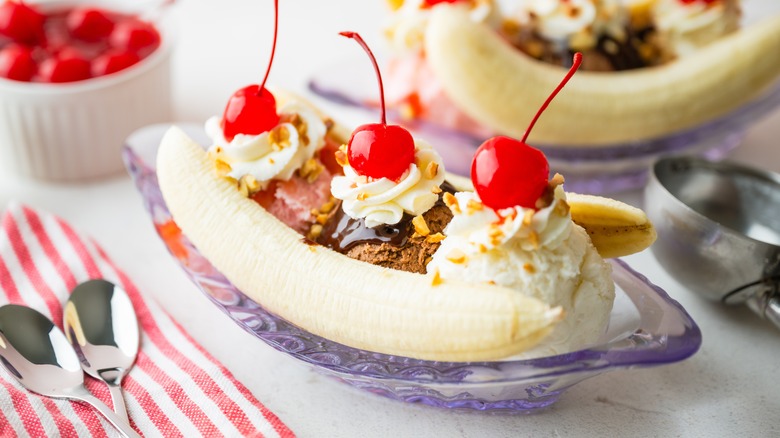
Unlike other soda fountain offerings, the banana split remains a treat that hasn't disappeared completely, but has instead become exceptionally rare to find. A mountainous sundae consisting of a banana split down the center, which cushioned several scoops of ice cream (classically a scoop of chocolate, strawberry, and vanilla), it was then followed with several sauces. Traditionally, this included pineapple, chocolate, and strawberry sauce further adorned with nuts, whipped cream, and cherries. Yet there were regional variations. In Wilmington, Ohio, crushed pineapple was also added, whereas in Boston, just two scoops of vanilla ice cream were used topped with peaches.
Still, most consider Latrobe, Pennsylvania as the birthplace of the banana split. It was here that pharmacist apprentice David Strickler crafted the whopping sauce-laden creation in 1904 at Tassel's Pharmacy, where he also acted as a soda jerk. For decades the banana split ruled the dessert scene, solidifying itself as an American staple at Walgreens lunch counters. It remained a beloved treat until the 1950s, when tantalizing new ice cream flavors started to crop up and an era of health-conscious diets began to take shape.
Unlike other old-fashioned desserts, the banana split has not completely faded from existence. In Latrobe, thousands flock every year to its annual Great American Banana Split Celebration held in August, honoring this iconic foodstuff and its inventor.
Moxie soda
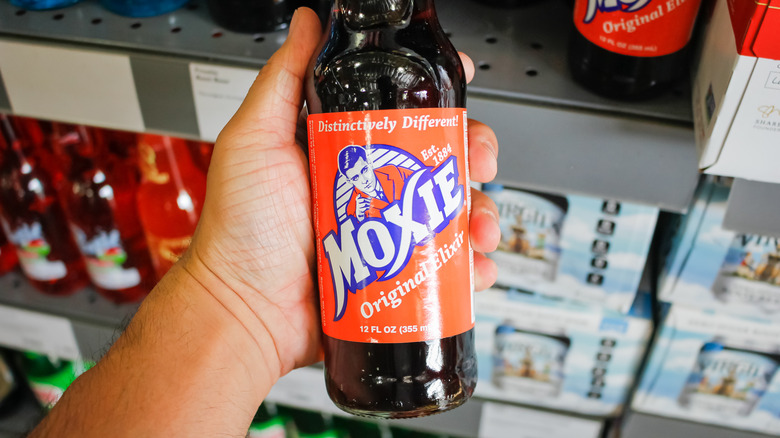
Invented in the 1880s, Moxie soda was initially promoted to address a range of health conditions from insanity to paralysis, as many early soft drinks did. Moxie came about when its creator, Dr. Augustin Thompson intended to fashion an all-purpose tonic for medicinal use. In 1876, he concocted a syrup using gentian root extract, naming it Moxie Nerve Food. In 1884, he added soda water to the mix, and the Moxie soft drink was born.
First marketed for wellness and vitality before dropping its medical claims in the early 1900s, Moxie holds the title as one of the first bottled sodas manufactured in the U.S. A drink so popular it actually outsold Coca Cola in 1920, its success was largely due to its advertising, which declined during the Depression. Bottled as well as offered in the form of a soda fountain syrup, it was known for its distinctly medicinal taste.
But Moxie leaned into its assertive flavor. Marketing slogans included phrases like, "It's the drink for those who are at all particular," along with "What this country needs is plenty of Moxie," leading the soda name to enter the dictionary as a synonym for spirit and vim. Other creative advertising campaigns included eight-foot bottles being carted by horses and trucks around the country by Moxie Men. Yet these audacious advertising attempts all stopped with the onset of the Great Depression, leaving Coke and Pepsi to dominate the market.
Subsequent years led to further decline until the beverage became a regional one. Appointed as the official state soft drink of Maine in 2005, Moxie continues to be sold today — although its fan base has significantly shrunk. Still occasionally found in the New England area, it remains yet another old-school soft drink considered by most as a relic of the past, similar to countless soda fountain treats of yore.