

7 Ways You Never Thought To Cook With Mayo
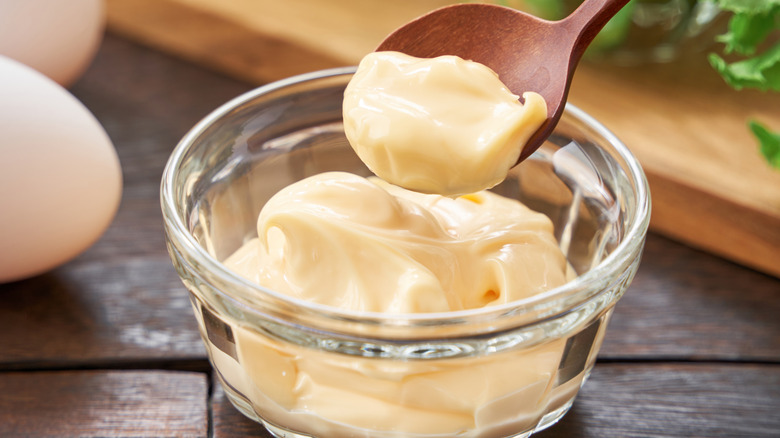
Most folks have a jar of mayonnaise somewhere in their fridge. Despite its ubiquity, it's ingredient that has been somewhat pigeonholed in modern American culinary thinking. What do you do with mayo besides spread it on a club sandwich and call it a day? You could make your own, sure, but that doesn't solve the problem of its perceived limited versatility in the kitchen.
As it turns out, though, mayo doesn't lack versatility at all. There are numerous ways you can cook with mayo that may make it one of the best and most under-utilized secret ingredients ever. Baking, side dishes, ingenious new sandwich techniques, and more are all at your fingertips with a jar of mayo on the countertop. It's creamy, savory flavor can enhance foods you never thought possible and even transform the way you cook. Here are just a few of the ways you never knew you could use this underappreciated condiment.
Mix it into cake batter
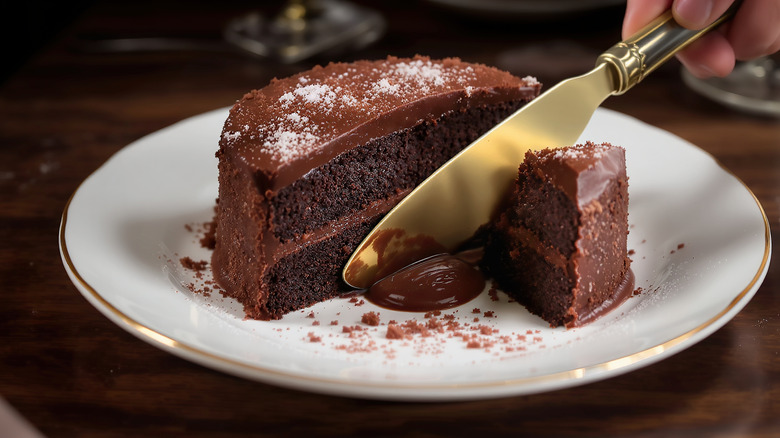
At first glance, adding mayo to your chocolate cake batter might seem like an obvious way to absolutely ruin the batter and whatever party you intended to celebrate. Yet it's secretly one of the best things you can do for your cake if done correctly.
At its core, mayonnaise is just an emulsion of oil and egg yolks, sometimes with a little edge of lemon or vinegar to sharpen it. All that fat means mayo can offer your cake batter a lot of extra hydration and enrichment, and a much less greasy texture. According to David Davidov of The Cooking Foodie, ⅓ cup of mayo to your batter in place of ½ cup of oil can moisten even the driest of boxed cake mixes. If you're making a cake from scratch, like in a Texas sheet cake, you can replace the buttercream or the sour cream with mayo; the result is slightly denser chocolate cake with an almost brownie-like texture.
As with all secret cooking techniques you never thought of before, mayo in cake batter must be used carefully. Too much mayo and it'll end up too dense and won't rise properly.
Make your ramen luxurious
Japanese cuisine really enjoys mayonnaise. It makes one of the best condiments in the world in Kewpie Mayo and has even made novelty drinking mayonnaise a thing. (The latter apparently tastes like savory milkshake, if you were curious.)
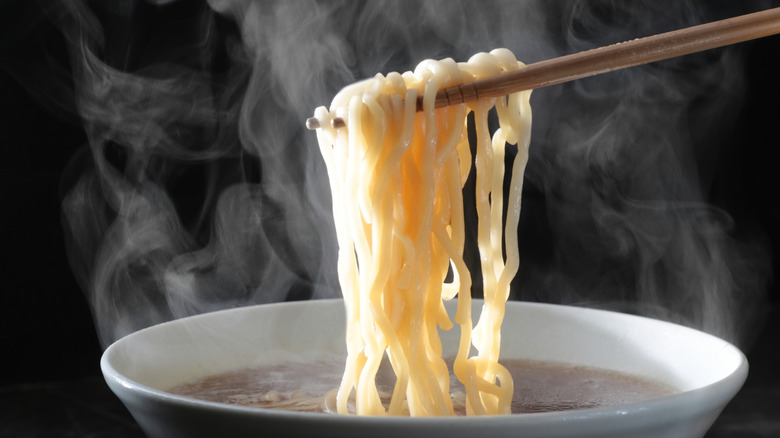
More to the point, mayonnaise (Kewpie or otherwise, although the former is preferable) can transform a staple snack from Japan — the humble instant ramen — into something you never thought possible: a decadent meal. All you need to do is add about a tablespoon of the mayo to the noodles when you add the flavor packet. Stir and be amazed at the extra creaminess and burst of umami goodness. Just remember that the more water you mix the mayo, the thinner the resulting soup. Alternatively, you can add the mayo to the seasonings separately to make a sauce, or even make a tempered mayo/egg sauce that really ups the texture.
Crisp up your grilled cheese

Everyone knows the recipe for grilled cheese sandwiches: Butter the outside, cheese on the inside, get the pan hot, and make a melty, gooey, crispy golden-brown sandwich. It's as close to Cooking 101 as you can imagine. But what if there's a way to make this iconic sandwich even better?
The secret to the crispiest is to swap the butter for mayo. Mayo is easier to spread than non-softened butter, making for a more even color your eventual lunch. Better yet, mayo has a higher smoke point than butter or even clarified butter. That means you can turn up the heat when frying up the sandwich, which results in a crispier bread that doesn't sacrifice the fluffy interior. The egg yolk in the mayo also deepens that iconic color and the condiment contributes a light tanginess to the sandwich that butter doesn't provide. And if you miss the butter, don't worry. You can always add it to the inside of the bread with the cheese before frying to get the best of both worlds. One caveat: Avoid low-fat mayonnaise for this technique.
Use it as a marinade

Cooking meats with mayonnaise might seem like madness. But its one of the ways mayo can reach beyond its condiment status. It has the ability to add color and flavor in your cooking from start to finish, especially with chicken and steak.
Mayo makes chicken skin extra crispy thank to heightening the Maillard reaction in the sugars and proteins. This gives the chicken a deep "roasty" flavor that tantalizes and entices. That same effect is also why a coating of mayo on your steak can result in a gorgeous and delicious sear.
Mayo also has the added benefit of actually adhering to the meats, which more than most oils can say. As a result, the effects of the emulsion actually register to your eyes and tastebuds rather than sliding off. Even better, mayo adds extra fat to the meat as it cooks and traps in moisture. Chicken often loses its own fat in the cooking process, so end up with more melt-in-your-mouth poultry.
Keep fish from sticking to your pan

Mayo's secret versatility in cooking is myriad, but one of the best is perhaps one of the most ignored. Remember how much your fish sticks to the grill or the pan? With mayo, that problem is now gone.
It's mayo's power, as an emulsion, to actually stick to the flesh of the fish that gives it the edge. Oil just trickles away, which is why no amount of oil on the pan or the grill ever seems to stop fish from sticking. But mayo stays true and holds on, and thus protects the fish from sticking while also granting a crispier exterior. Better yet, because mayo doesn't have that strong of a flavor, it can be used as a base for other seasonings. At worst, it'll add a little lemon flavor to the fish, which is hardly a problem. Oh, and of course mayo will add richness and moisture to the fish, making the seafood so much more scrumptious.
Work it into your mashed potatoes
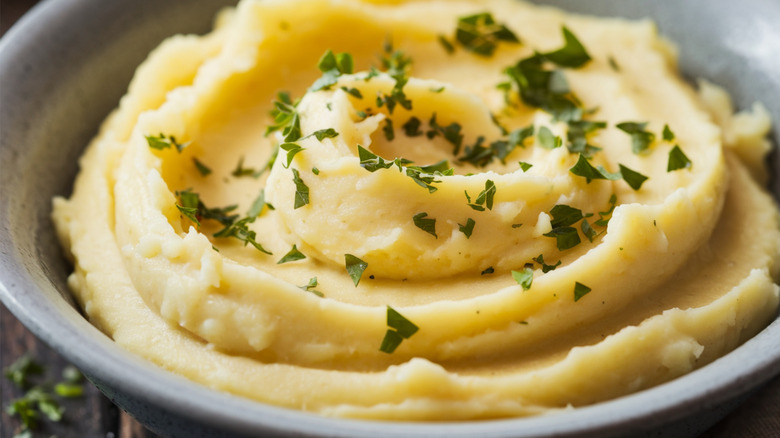
If we're being honest with ourselves, mashed potatoes are little more than potatoes and butter. You can add all kinds of seasonings and ingredients to it, but of all the ways to cook mashed potatoes, pretty much always come down to potatoes and butter.
Then again, you may never have thought to add mayo to your mashed potatoes. The results might astound you. Instead of solidifying in the fridge, your newly mayo-infused mashed potatoes will stay smooth and creamy. That's because butter hardens in the cold while mayo does not, you mashed potatoes stay fresh for longer even when stored properly. As long as you don't use a seasoned mayo, anyone tasting your potatoes will hardly notice a difference, and if you're worried about losing that classic buttery goodness, you can always split the difference and replace only half the butter with mayo. Or you could pull the full amount in of both. It's mashed potatoes, after all — a little indulgence is called for.
Pair it with peanut butter for a throwback sandwich
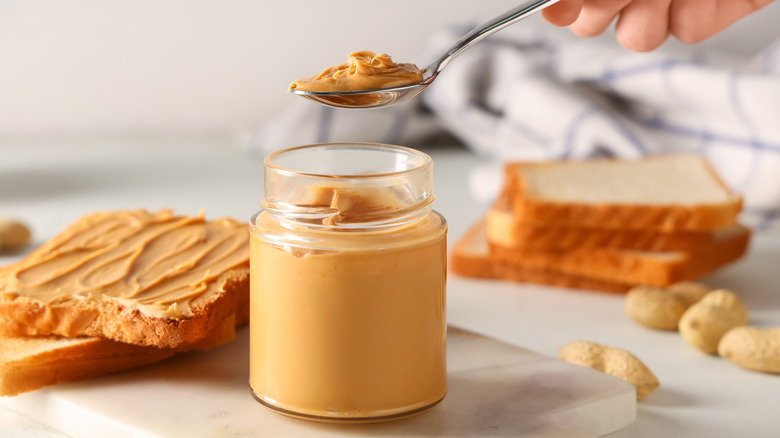
Okay, admittedly, this one feels less like cooking and more like a dare you never thought of. But of all the ways to enhance a sandwich with mayo, this might be one of the most unexpectedly delicious.
Peanut butter and mayo sandwiches trace their origins back to the Great Depression, when calorie-rich, affordable, and shelf-stable foods were in very high demand. While obviously the combo is nowhere near as popular as it once was, it's hung around for a few reasons. One is that the addition of mayo actually makes the peanut butter easier to spread, to the joy of anyone who has ripped their bread while trying to make lunch. The flavor combination also isn't as repulsive as their components suggest; it fact, it's been described as light and tangy, with a slight funk and a very distinct texture. You don't need a lot of mayo either, just a little to make the resulting spread smooth and tasty. Could this throwback sandwich make it into your lunch rotation? Hey, don't knock it until you try it!