

Forget Bland Buttered Noodles. Try These 10 Pasta Upgrades.
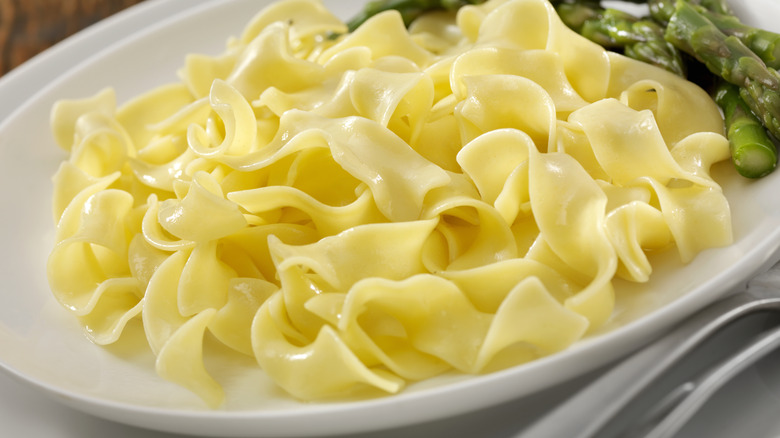
We'd wager that most home cooks have, at some point, thrown a pat of semi-soft butter into a pot of plain, boiled pasta, stirred it around, then dumped it into a bowl and called it good for the night. We sure have. But over the years, we've learned how to make that simple, quick pasta dinner into something really satisfying. There's nothing like tucking into a hearty, comforting bowl of pasta for any night of the week, especially when there are so many ways to indulge your tastebuds without lost of fancy cooking. The smallest tips can turn a "this will do" meal into a big "yes, please" meal that you may even want to make again for friends and family.
These simple pasta cooking upgrades will make you forget you ever settled for bland buttered noodles. We've come up with amazing tips that any home cook can handle, even on the busiest of nights. From cooking techniques to ingredient swaps, each is an easy way to elevate uninspired pasta into a dish worth repeating.
1. Skip water and go for broth
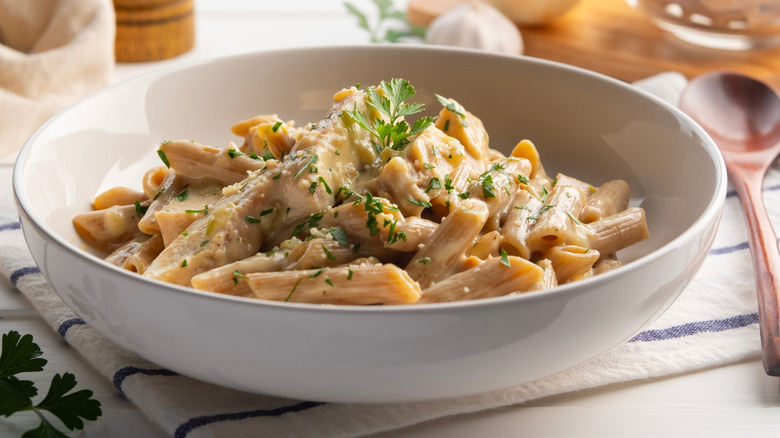
The bare minimum ingredients for making pasta are liquid and noodles (though we might argue salt should be among those requirements). When you're looking to quickly and easily elevate the dish, start with those main ingredients. Pasta cooks through rehydration to create the texture we all know and love. But who said that only pure water could do that job?
By infusing the water or other liquids to create a flavorful bath for the dry noodles to cook in, the pasta will also take on those flavors. A simple switch is stock or broth. Chicken, beef, veggie, or any other you like (try mushroom broth for an amazing flavor!) can deliver a very savory, soup-like taste to the pasta, but that shouldn't limit us to classic chicken noodle alone. Reinvent the flavor combo by using shredded rotisserie chicken, fresh herbs, and a quick homemade or upgraded Alfredo sauce.
Or, infuse the boiling water with flavor. Citrus, spices, hearty herbs, alliums like onions or garlic, vinegars and chiles are just some of the ways the pasta water can be elevated and deliver a unique flavor to the pasta as it cooks. If there's one thing we absolutely don't want you to forget, though, it's the salt. Always thoroughly salt the pasta cooking liquid, or use a well-salted liquid in place of water.
2. Use the cooking liquid and even simple butter tastes better
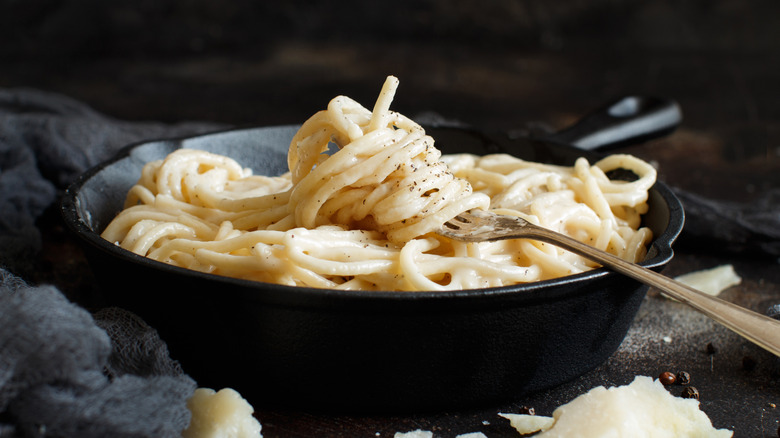
Every home cook should learn and remember this one essential pasta cooking tip: Always reserve some of the pasta's cooking liquid. As pasta cooks the starches drift off into the water, and, if the water is well-seasoned with the bare minimum of salt, it becomes a perfect finishing liquid for almost all pasta sauces. This simple starchy, salty water is actually the secret in a famous Italian pasta dish that's known for its delicious simplicity, cacio e pepe.
When pasta is finished cooking to al dente, or with a slight bite left in it, scoop out some water before draining it and setting it aside. Don't rinse the pasta. We want the starches that are left on the pasta for the same reason we want that pasta water: clingy, perfect sauce. How much you'll need depends on the recipe, sometimes it's just a splash, sometimes it makes a big part of the base sauce.
For the simplest way to see what we mean, melt butter (or oil of choice) in a pan, then once it's hot add in a few splashes of pasta water and the pasta. It should be enough water to lightly simmer. Toss the pasta gently, until the sauce has reduced and coated the noodles with tasty, buttery love. The starches in the liquid help it turn into a creamy sauce that will cling, and usually, no added salt is necessary.
3. Finish cooking pasta in a sauce
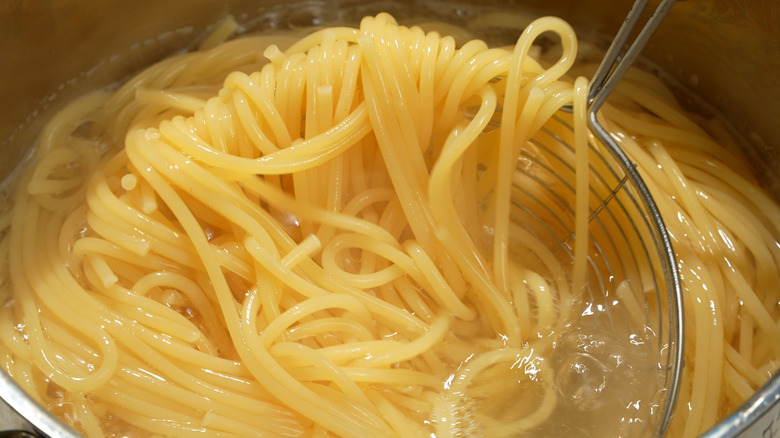
The way pasta cooks via rehydration means that letting the last liquid it absorbs be from a well-seasoned sauce is a quick and easy way to make the actual noodles taste their best. The key is to recognize that al dente point in the pasta cooking process. Al dente means "to the tooth," but what it actually refers to is the slight bite or chew that remains at the center of pasta (or rice) when it's almost, but not completely, finished cooking.
Ideally pasta is served when still slightly al dente, so learn the cooking times for your pasta to avoid mushy overcooked noodles, and pull them two to three minutes before that point to finish the pasta in a sauce. Save some of the pasta water, but then add the undercooked noodles directly to the sauce you're serving it with, whether that's Alfredo, tomato, or a butter-based sauce.
We often add a splash or two of cooking liquid to help loosen the sauce enough to allow the pasta to finish cooking without over reducing. After a few minutes, when the pasta is cooked to perfection and the sauce has reduced to your liking, you'll taste the work you put into the sauce in every bite of pasta.
4. Don't melt butter, brown it
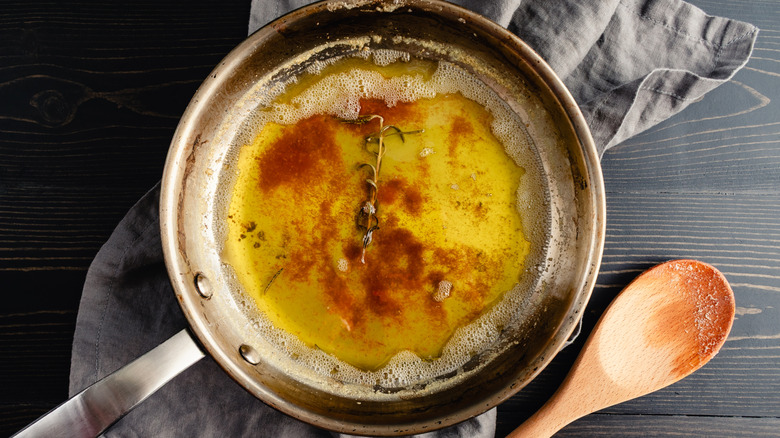
One of our favorite ways to elevate simple buttered noodles is a deceptively simple one. It tastes so fancy it almost feels like cheating, but it's a technique that's perfect for the next time butter is all you've got on hand. Butter contains a lovely amount of milk solids, a combination of proteins and sugars, that when applied to heat, will brown and change the creamy flavor of plain butter into a toasted, nutty flavor that elevates tons of recipes from chocolate chip cookies to, you guessed it, pasta. The steps are easier than you think, but there are some key tips we want to share.
First, low and slow is best for beginners, and stainless steel or other light colored pans are ideal so you can see the butter change from pale to golden brown. Second, pay attention! It happens in just minutes. After the butter melts and foams, the milk solids will begin to brown and the butter will darken. Finished brown butter is a deeply golden color and smells nutty — pull it from the heat then. Waiting too long will burn the milk solids and leave you with a bitter result.
Then, just toss your mostly cooked pasta into the brown butter with a few splashes of pasta water until coated and glossy. We recommend you finish with a salty, aged cheese like pecorino Romano.
5. Try different oils for different flavor
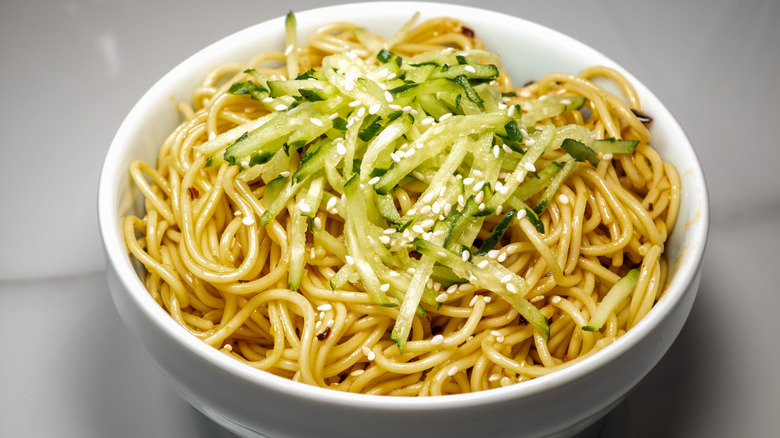
We've been giving butter a whole lot of attention, but, truthfully, we imagine there's a lot of cooks out there that swear that oil is the way to go. We can get behind that. Oil brings its own array of potential flavors and textures to the table when paired with pasta, and many of those are top-notch eats in our book.
Pairing a well-cooked noodle with a high-quality, extra virgin olive oil, adding shaved parmesan and maybe a dollop of pesto is fairly close to perfection in a bite. And there's nothing better than a well made bowl of cold cucumber chile noodles on a hot day, especially when made with a nicely toasted sesame oil and shared with friends at a cookout.
But there are more oils and infusions beyond the obvious ones that are fun to experiment with. Garlic and chili-infused oils are potential base flavors for Italian, Asian, or Mediterranean inspired recipes with the right added ingredients. Check out the infused and gourmet oils at your next grocery outing to see what jumps out at you, that wild mushroom and sage olive oil tucked at the end of the shelf might just be yours and your pasta's new best friend.
6. Throw in garlic, cheese, or sweetness
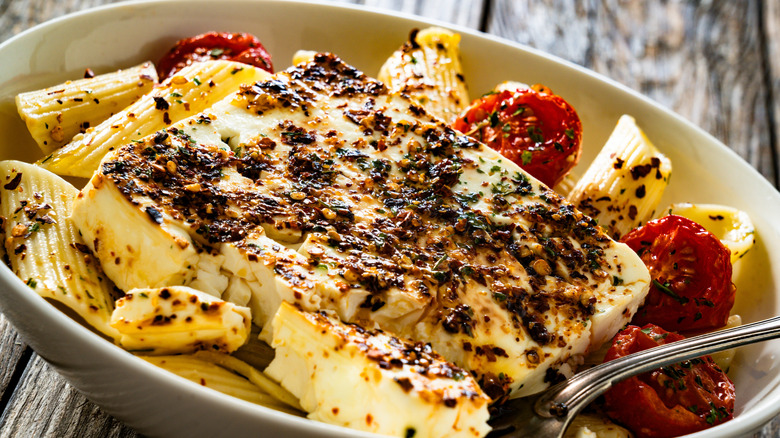
Let's talk about the all important toppings, shall we? Whether you're a lover of simple melted butter, a fan of toasted brown butter, or prefer an oil-based sauce, every single one of those can benefit from the right add-ins or finishing drizzles.
The easiest among them is garlic, whether it's freshly sliced or minced, or roasted and melted into the sauce. Onions add a universally delicious and versatile flavor base, but adding fried or crispy onions, or fresh green onions are unique alternatives. Toasted sesame seeds and pickled vegetables, lemon zest and seasoned breadcrumbs, and grated parmesan with crispy pancetta are just a few other delectable pairings we recommend you try.
For the more adventurous souls, think of pasta as a blank slate. Oven roasted tomatoes tossed with feta and pasta then drizzled with a thickened balsamic is an indulgently sweet and savory meal. Another fun drizzle we recommend? Honey. Drizzle a nice honey for sweetness over pasta with add-ins like melted brie, bacon, and toasted nuts, or add hot honey to pasta with garlic and sausage or bacon, and you'll wonder why it took you so long to try it.
7. Let tomatoes burst to become sauce and flavor
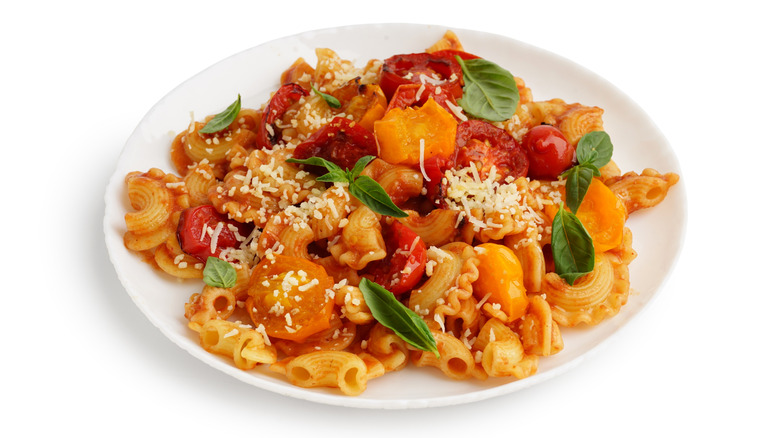
Cherry tomatoes are one of those ingredients that goes so well with pasta that all you really need in addition to make magic is salt and fat. We specify cherry, or any small snacking tomato, for a few reasons. They're not as meaty as bigger tomatoes and tend to have a more concentrated sweet flavor. When they burst in a hot pan, the juice melds with the fat to create a lusciously creamy tomato infused sauce, without creating that thick, cooked tomato texture.
The trick is the balance of fat to tomatoes. Pour several tablespoons in a large pan and add in the tomatoes, so each is sort of simmering in a shallow bath of fat. Cook over low, stirring, until they start to burst. Stir, seasoning with salt, until the oil and tomatoes become a light sauce. At this point, customize as you like. Keep it simple by adding in pasta and a splash or two of the pasta water, or experiment with additions like fresh clams or sautéed greens. We like a bit of freshly chopped basil and a few passes of parmesan over a cheese grater to finish it off.
8. Toast the pasta before cooking
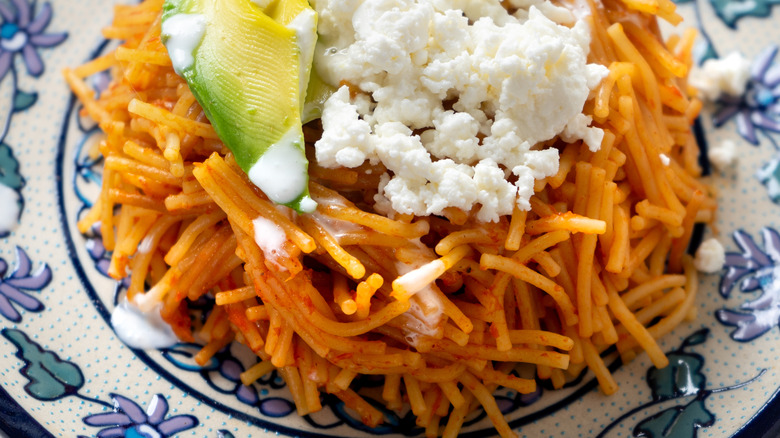
Toasting is one of those underutilized tricks in the kitchen in our experience. It's the secret to making nuts taste better, it can make white chocolate and butter into a nutty, roasted gourmet experience, and it's the first step in making iconic dishes like risotto and fideo. Fideo is a traditional Mexican noodle dish that can be served as a soup or pasta, but the secret to its flavor and texture is one you can borrow whether it's Mexican cuisine for dinner or not.
The key is using hot fat and a small, thin pasta that can be coated, stirred, and toasted evenly before it's boiled or finished cooking. Fideo, the dish, uses a type of pasta that the recipe takes its name from fideo, a small thin noodle that might remind you of broken angel hair pasta — which is exactly what you can use. Other options include orzo, a rice shaped small pasta, or ditali, tiny little circles of pasta. Toast in butter or oil (adding onions or garlic is a great idea) until the edges have taken on some translucency. Then, pour in hot, well-seasoned water or liquid and bring to a boil, cooking as usual. The pasta will retain a different, firmer texture and you'll be surprised how that simple step can change the whole flavor of a simple butter pasta.
9. Cook then fry for a crispy texture
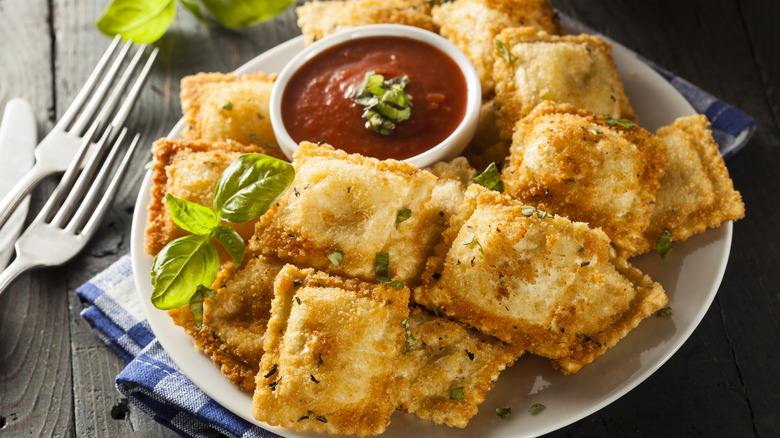
There's no reason that pasta has to be done just because it's boiled. In fact, putting it through a second cooking process might change your mind about the proper texture of pasta forever. Fried pasta is so good we might prefer it to other crispy snacks like chips and fries when it's available, and it's not all that complicated to do. The technique is as simple as this: Pasta needs to be pre-cooked and drained free of water, then placed in hot fat to get crispy.
A quick pan fry in butter is so effective and tasty for pastas like gnocchi or penne. It'll deliver a crispy buttery edge that is delicious when tossed with butter and salt. Alternatively, deep fat frying can transform the entire texture into a crispy, crunchy chip that can be eaten as-is, or used as a vessel for other things. One of our favorite varieties to make is crispy toasted ravioli. The crispy edges, creamy filling, and ideally a nice marinara or pesto to dip in, makes a spectacular appetizer or snack that won't last long. Deep frying is also a great way to use up leftover pasta, like farfalle or bowties, which can be used as a scoop for dips or as a vessel for toppings like cheese, chutneys, or even bruschetta.
10. Wok your pasta into stir-fried perfection
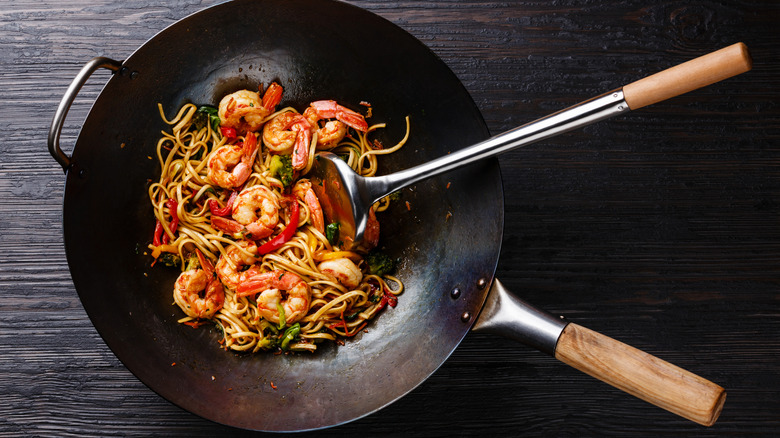
The high heat and quick cooking ability of a wok can transform plain leftover spaghetti into stir-fried heaven and it can bring together simple sauces faster than you'll may believe because the high heat can reduce, crisp, or coat with great efficiency. If you don't have a wok or a special burner that provides the traditional high concentrated heat, don't worry. Your home stove and sturdy cast iron pan are capable of stepping up to the high heat task.
The key is quick cooking over very high heat. For stir-fry recipes, heat up oil with a high smoke point then toss and cook veggies, proteins if desired, and pre-cooked pasta. Finish with a sweet or soy based sauce at the end. For simple pasta dishes like aglio e olio or cacio e pepe, garlic will cook in seconds, and the pasta water and butter will coat to a creamy perfection as soon as you begin tossing it with the cooked pasta. It can also bring together prepared sauces and hot pasta so fast and effortlessly that you may never go back to waiting on a big old stock pot to simmer and reduce ever again.