

9 Old-School Gardening Hacks That Never Made Sense
Every gardener has heard at least a few pieces of advice that seem to get passed from one generation to the next without anyone stopping to ask whether they actually work. Maybe your grandparents swore by burying rusty nails next to hydrangeas, or a neighbor insisted that sprinkling baking soda on every houseplant would solve any fungal problem. Gardening is full of traditions, and while many time-tested techniques have earned their reputation, others have survived simply because they've been repeated for decades.
Modern gardening research has given us a much better look into healthy plants and how their soil and ecosystems actually function. We can now prove that some of the most trusted tips of years' past are incredibly outdated, or never really worked in the first place. Some of these hacks are just plain useless, but others could do real harm to your garden. Even simple mistakes can hurt your plants, so make sure you do your research before trying out that time-trusted gardening hack this growing season.
1. Using repurposed wood for garden beds
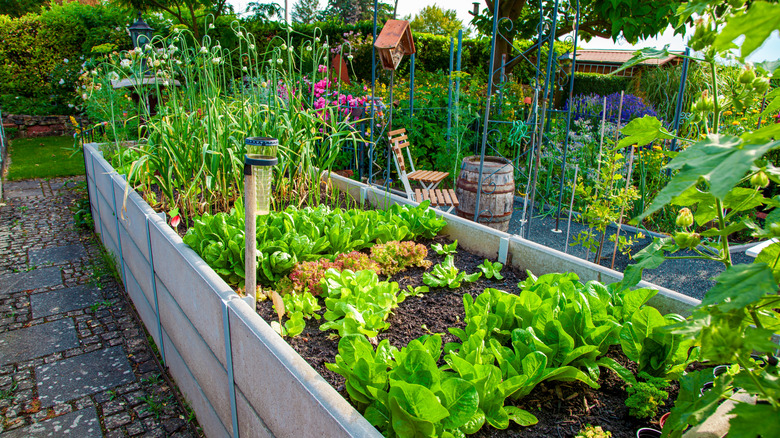
Repurposing materials such as wood and railroad ties for your DIY garden beds can be an economical move. It saves money, keeps old materials out of landfills, and gives the beds a rustic look straight out of a garden Pinterest board. But, grabbing any old lumber you find can have consequences for your plants. Unless you know exactly where the wood came from and which chemicals were used to treat it, you're exposing yourself to potential toxins and carcinogens. The appeal of planting your own food is understandable — many veggies are cheaper to grow yourself — you just want to make sure you're doing it safely.
Creosote is one of the most prevalent chemicals used to treat industrial materials, so it's likely to be found on things like railroad ties and certain wood. Creosote is considered a potential carcinogen by the EPA, is incredibly toxic, and can leach into your produce. This can cause long-term negative effects if you eat anything from a garden with contaminated soil. This does not mean all repurposed wood is unsuitable for garden beds; residential lumber produced recently is very different from industrial lumber produced decades ago. If you're building a bed for edible plants, make sure you know where you're sourcing the wood from. Having a good idea of what the wood may have been treated with is much more important than scoring a bargain.
2. Cutting back perennials when the season ends
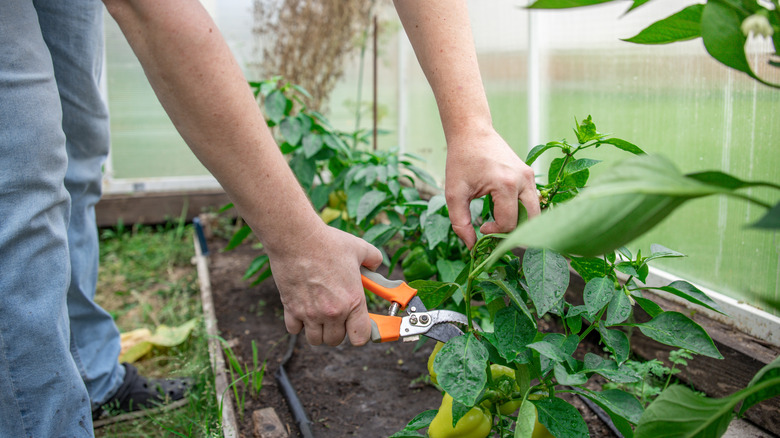
When winter started to settle in, it was a habit for generations to cut almost everything in your garden to the ground. Once the first frost arrived, many people whipped out the pruning shears and mercilessly took to the perennials. People wanted neat and tidy garden beds to put to sleep for the season. However, this is not altogether necessary. The idea that every perennial must be cut back in the fall prioritizes a perfectly manicured garden over some of the ecological benefits those supposedly messy plants can provide. Depending on the plant, leaving stems, flower heads, and other growth standing through the colder months may actually be the better choice.
Flowers can contain seeds that provide food for birds, and pollinators can spread those seeds around. Hollow stems can provide shelter to insects in the winter; the same insects, like wasps, that will aid your plants in the spring. Of course, diseased plants must always be removed, and some plants may benefit from an autumn cleanup. There are very few plants that must be cut back in the fall, and you can at least resist the urge to pick up your shears until the first couple of frosts have passed.
3. Putting baking soda in your garden or compost
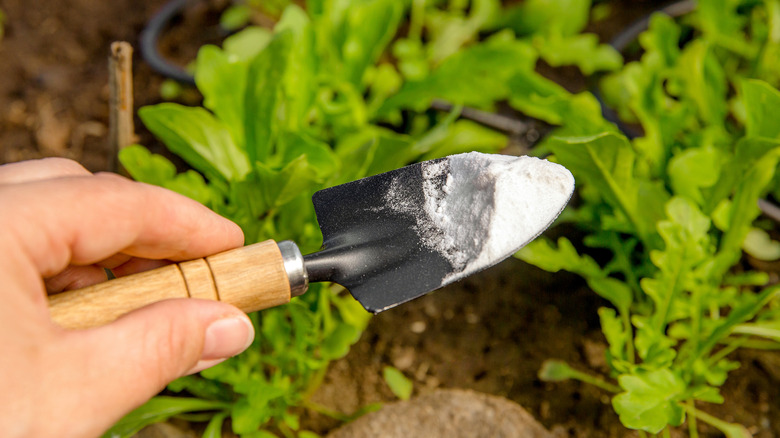
Baking soda has indeed become an all-purpose, around the house jack of all trades, used for cleaning, scrubbing, deodorizing, and many other DIY projects, but this doesn't mean it's going to be a cure-all in your garden. Gardening advice dating back decades has recommended baking soda for everything from changing soil pH to eliminating fungus to improving compost. Unfortunately, baking soda is not a catch-all solution for garden problems. Baking soda is sodium bicarbonate, and the sodium portion of that name is worth paying attention to before adding it indiscriminately to soil.
Plants need a balanced growing environment, and excess sodium can interfere with soil and plant health. Repeated applications of baking soda may allow sodium to accumulate, particularly if a gardener is following a homemade remedy without understanding the concentration or the underlying problem. Putting it in your compost may prove unsuccessful as well. Compost piles are their own unique ecosystems powered by delicately balanced microorganisms, moisture, oxygen, and other materials. Adding random ingredients to this mix may be detrimental to your pile. Baking soda may have limited, carefully controlled applications in certain garden situations, but that is very different from treating it as a harmless Band-Aid for all issues.
4. Watering plants at night
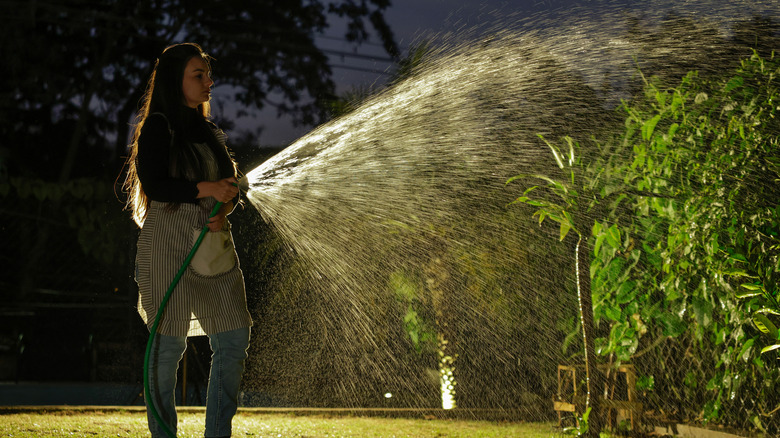
After a hot summer day, heading outside with the hose can feel like the perfect time to water the garden. The temperature is cooler, you are less likely to lose water immediately to evaporation, and you do not have to drag yourself out of bed early in the morning. But, the habit of watering at night comes with potential downsides. Moisture can linger on leaves when the air temperature is cooler, creating the perfect environment for fungal and bacterial diseases as well as pests, like slugs.
Your garden isn't a lost cause if you occasionally water after sunset; it's not a Gremlin. In fact, a thirsty plant that is wilting in dry soil should not be forced to wait until morning simply because the clock says it's nighttime. The bigger issue is watering at night and drenching the plant's leaves instead of applying moisture directly to the soil. Early morning is generally a better time because plants can take up water before the hottest part of the day, while any wet foliage has time to dry. If you can only water in the evening, make sure to avoid unnecessary moisture on the leaves and aim for the roots so the whole garden isn't dripping wet until sunrise.
5. Raking up all your leaves
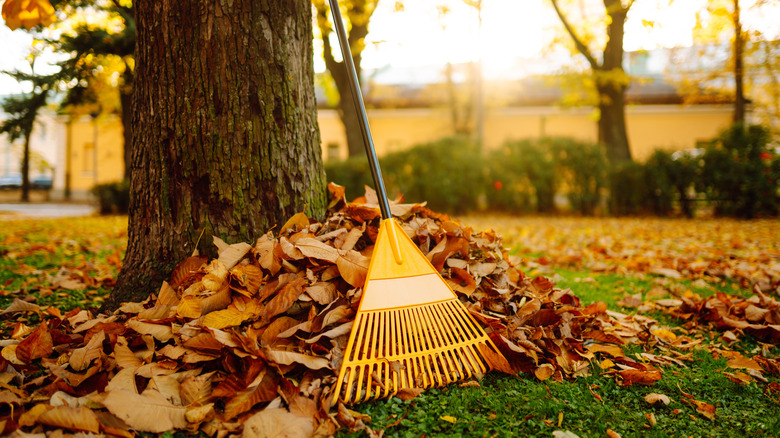
A tradition that still holds over from decades past is the perfectly raked lawn in the fall. For years, a respectable fall yard was supposed to look as though no deciduous tree had ever existed nearby. Homeowners spent entire weekends raking leaves into enormous piles, stuffing them into bags, and hauling them away, only to repeat the process the very next weekend. While thick layers of whole leaves should not necessarily be allowed to smother a lawn indefinitely, the idea that every fallen leaf must immediately disappear wastes a surprisingly useful garden resource. Those leaves exist in your environment for a reason, and in many cases, they can continue to benefit after they hit the ground.
Fallen leaves can be used to mulch garden beds, where they help protect soil and eventually break down into valuable organic matter. They can also provide habitats for insects, making your lawn a more environmentally friendly space overall. The goal isn't to let your yard disappear under feet of fallen leaves; instead, rethink the assumption that the leaves are trash. Since the trees have already done the work of creating organic matter, use as much of it as you can for the benefit of your plants and environment.
6. Keeping your lawn in pristine condition

The perfectly manicured lawn has been seen as a status symbol for as long as people have had lawns. Every blade of grass should be the same height, the grass is perfectly green, and there are definitely no weeds to speak of. Maintaining this appearance is an outdated ideal that home gardeners should work to push out of the mainstream. Not only does the perfect lawn require an absurd amount of weeding, fertilizing, watering, and grooming to maintain, but eliminating natural flowering plants and other vegetation can harm the ecosystem around your home. Killing fragrant plants and edible shrubs could mean you miss out on seeing birds and other wildlife in your yard.
Allowing clover or wildflowers to grow in your lawn can benefit local wildlife by providing food for animals and shelter for insects. Reducing the use of herbicides may result in a few more weeds than you're used to, but the chemicals in many herbicides are harmful to lots of creatures, including your pets. The old-school idea of a flawless lawn was largely an aesthetic preference rather than an ecological advantage, and it's wiser to treat your yard as a living system rather than an outdoor carpet. There is plenty of room between a completely overgrown lawn and one that's kept up with military precision.
7. Adding Epsom salts to your soil
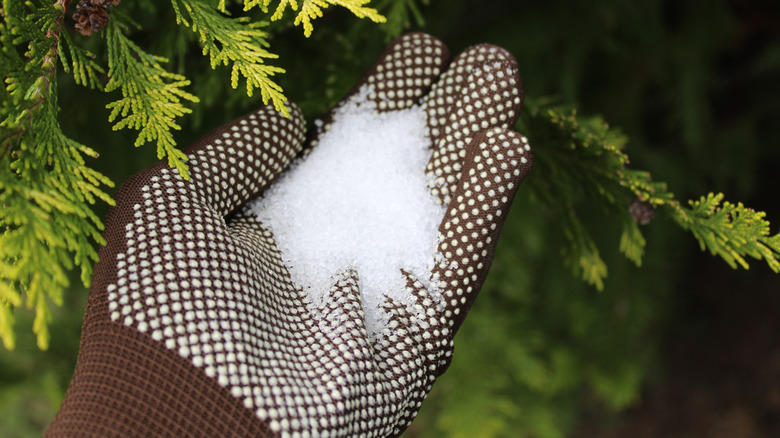
According to garden remedies of yore, Epsom salts aren't just for bath time. Legend says that they're great for tomatoes, peppers, roses, and any other plant that needs a little TLC, reporting that the added salts will help produce greener leaves and larger fruit and flowers. In reality, Epsom salt is magnesium sulfate, meaning it supplies magnesium and sulfur. Those are plant nutrients, but providing more of a nutrient is only helpful when the soil or plant actually needs it.
A true magnesium deficiency can definitely affect plant growth, and it's appropriate to intervene in that situation. The problem is assuming every struggling tomato plant is asking for magnesium. Plants can look unhealthy for a multitude of reasons, including too much or too little water, disease, soil pH, or other nutrient deficiencies. Adding magnesium without confirming a deficiency does not solve those problems and may contribute to nutrient imbalances in the soil. Rather than treating Epsom salt as a universal plant vitamin, gardeners should determine what is actually happening below the surface. Adding more of a nutrient is not always better, and incorporating ingredients into your plants without being certain can do more harm than good. Adding something organic, like a handful of veggie scraps, to your soil can do much more than cups of Epsom salts.
8. Burying rusty nails in your soil
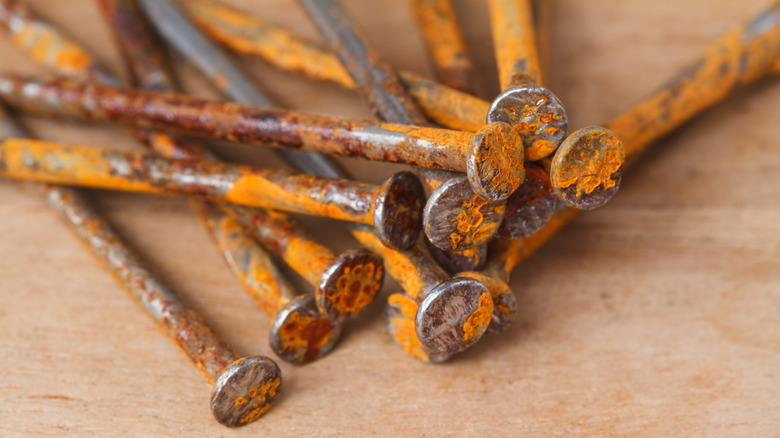
Here's a classic wives' tale: Bury rusty nails in the soil beneath your plants, and the nails will supply the plants with all the iron they need. Some gardeners have even claimed that rusty screws can change the color of hydrangeas, but flower color in certain hydrangeas is primarily connected to soil pH and aluminum availability, so there's no evidence to support this. People have made similar claims about pennies, stating that they'll introduce copper into the soil. Unfortunately, this too is a myth. Plant nutrition is considerably more complicated than placing a piece of metal in the ground and waiting for the plant to absorb it.
Iron availability is strongly affected by soil conditions. Many plants may show signs of iron deficiency even when iron is present because their roots are unable to access it. Adding rusty metal does not address this, as it does nothing to help the plant absorb the nutrient. A soil test should be your first task at the sign of an unhealthy plant, not risking tetanus by shoving a bunch of screws in with your tomatoes. Soil science aside, there are obvious logistical risks of procuring rusty, dangerous metal and handling it more than necessary. In this case, it's best to save your nails for construction projects and stick to soil testing to find out what your plants actually need.
9. Planting by the moon
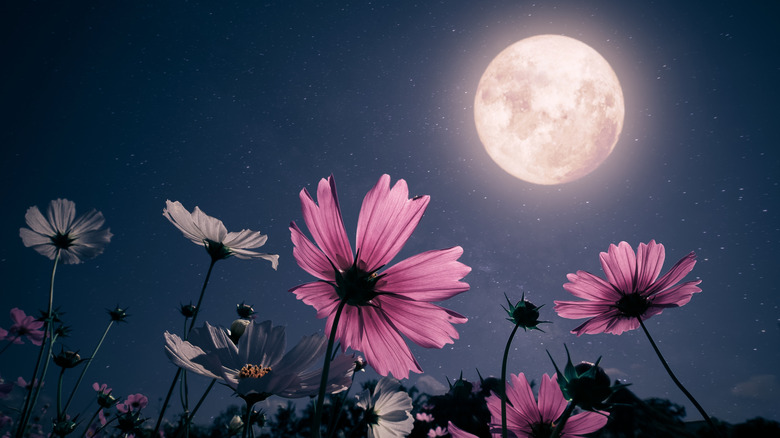
The practice of planting based on the phases of the moon is one of the longest-standing agricultural traditions. This idea is based on using lunar phases to determine when to sow, transplant, or harvest different crops. Different systems offer different instructions, but many suggest planting certain above-ground crops during the waxing moon and root crops during the waning moon. This process has been passed down for generations, and, while many people believe in its effectiveness wholeheartedly, there is not much scientific evidence to back it up.
The moon certainly affects Earth in measurable ways, most famously through ocean tides, but translating that influence into a dependable planting schedule is another matter. There is not much information, scientifically speaking, on whether following lunar phases produces healthier plants or larger harvests. Seeds and plants respond to factors such as soil temperature, moisture, light, weather, and the requirements of the individual species, so waiting for a particular moon phase while ignoring perfectly good planting weather may not be in your best interest. There is nothing inherently wrong with planting by the moon if you enjoy the tradition, and for some gardeners, rituals are part of the pleasure of growing food. However, it's important not to confuse a centuries-old custom with guaranteed gardening success.