

These 20 Beginner Gardening Mistakes Can Ruin Your Harvest Before You Know It
If you've ever thought about starting your own garden, now is the time. While it can be intimidating to think about everything involved in the process, there's no need to worry. We've got your gardening questions covered. From growing cucumbers indoors to finding the most underrated vegetables to grow to preparing your garden for cooler weather, it all pays off in a big way when you get to gather your first harvest.
Whether you live on acreage or in a tiny apartment, growing your own garden is rewarding. It can help relieve stress, bring a sense of accomplishment, and, if you're growing food, potentially cut down on the grocery bills. But, before you can pick your flowers, fruits, and veggies, there are some common mistakes you'll need to avoid. These tips can help you get the best harvests from your indoor or outdoor garden, whether it's your first growing season or your tenth.
1. Planting too many types of plants
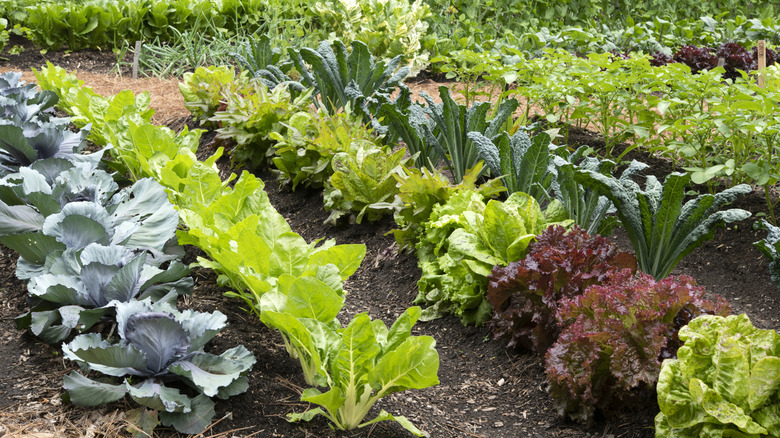
It's tempting to go overboard in the first few years of planting as the gardening bug sets in. Things like cherry tomatoes, beets, potatoes, and more are go-to plants, thanks to their largely hands-off approach. But, even easy-to-grow vegetables take work to understand. That's why starting with too many types of plants can be overwhelming. Overplanting also comes with the risk of overcrowding the plot, pot, or bed, leading to weak plants (but more on that later).
To get the most out of your first year of gardening, pick a few fruits or vegetables to experiment with. Focusing on a few types of plants lets the new grower do research on what the plant needs to thrive, including the type of soil, drainage, and spacing requirements. As counterintuitive as it might sound, this approach will likely give you a better harvest. You can keep a closer eye on the plants, ensuring they're healthy, which will help them produce more and higher-quality foods.
2. Using too much space
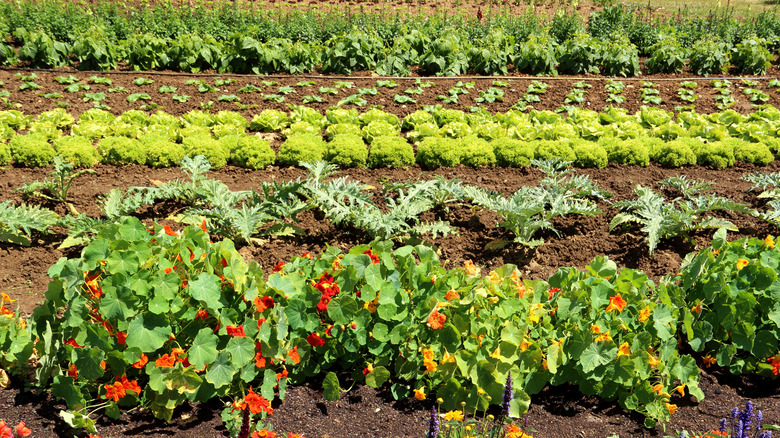
Even if you have a large amount of land to work with, starting on too big a plot will quickly become overwhelming. Preparing the soil and then tending to the plants becomes much harder the larger the patch is. So, to keep your first few harvests manageable, start with a small garden plot, or better yet, with small containers to get used to what the plant needs.
Part of the joy of gardening is getting to see things grow as a reward for hard work. Instead of planting as many different varieties as you can, focusing on a select few plants or a small plot can give just as much satisfaction as the plant matures and begins producing food. It also makes the harvest more manageable as the gardener learns how to preserve any extra produce.
3. Failing to know the type of soil
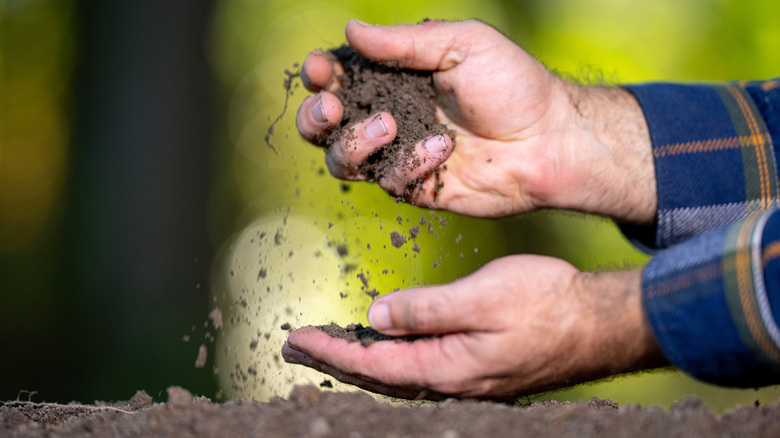
Testing to see what minerals are in your soil and what you'll need to introduce is incredibly important to a good harvest. It also sets you up for success in the future when you'll need to start rotating crops to keep the soil in good condition. But, what does soil need to be fertile, anyway?
Organic matter, good drainage, the pH, and texture all play a part. If the pH is too high or too low, it won't support the plants. Poor drainage will cause the plants to lose oxygen as the roots drown, and the wrong texture comes from too much sand or clay in the dirt. Organic matter holds moisture, which helps keep the soil from eroding.
4. Not knowing when to plant
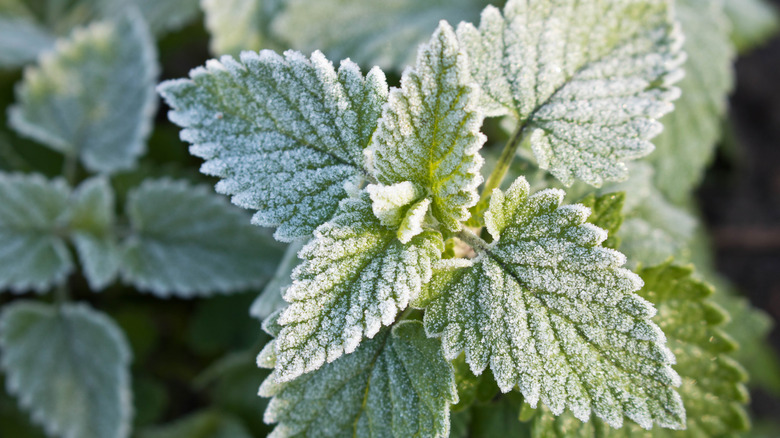
Planting too early or too late will keep you from having a great harvest. Cold snaps can easily take out young plants, while waiting too long won't allow the plant time to grow properly. Finding out when the first and last frost dates for your area are predicted will help gardeners protect plants for the winter and prepare plants for the spring. Fruit trees are generally planted in cooler weather, and many vegetables fare better when transplanted in warmer weather.
Some gardeners also use phenology, the science of life cycles in nature, to know when to plant. More than old wives' tales, phenology lets people use cues from other plants, like dogwood trees or dandelions flowering, to start seedlings or transfer them. This approach relies more on nature than the calendar, which can be helpful in unpredictable climates.
5. Planting too close together
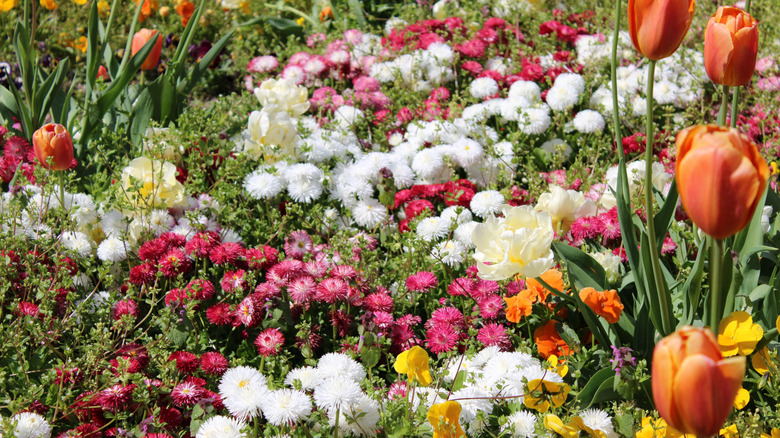
Crowding your plants together will prevent you from having a great crop. The plants will fight for resources, like nutrients, sunlight, and water, which will either make them not grow to their full potential or possibly kill some of them. Sick and weak plants attract pests as they wilt, and the crowding can create a humid environment under the canopy that's a breeding ground for diseases.
Not only will the garden suffer if plants are too close together, but harvesting will be unnecessarily difficult. Crowded plants can hide fruit and vegetables that are ripe, and wet conditions will rot the produce before you can get to it. So, even though it might seem like planting more will give you more food, the odds of the plants not having enough resources to thrive are high.
6. Neglecting to label the plants
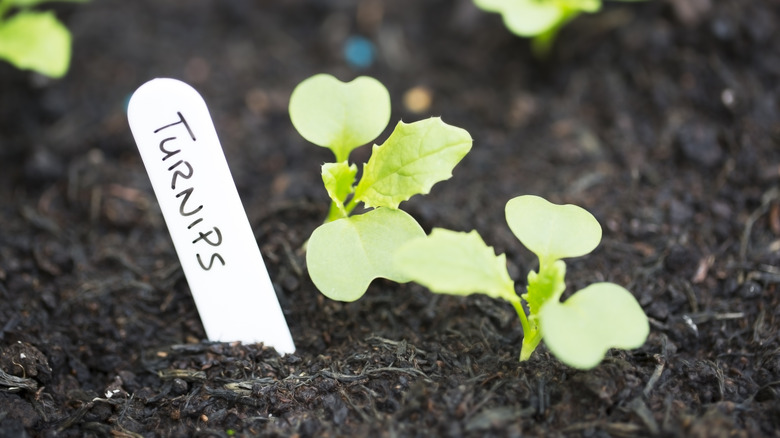
Maturing plants can look very similar to each other. So, labeling makes finding what you're looking for much easier, especially if the garden has a variety of plants mixed together. Being able to keep track of which plant is where is important so each one can get the proper care. Labeling also lets you know if a plant failed to come up and stops you from guessing which fruit or vegetable you really liked.
There are lots of ways to make plant markers, ranging from something as simple as a popsicle stick to as elaborate as a labeling machine. If you want something you can use year after year, copper or other metal markers are a good choice. Even a painted rock or glass bottle can be a reminder.
7. Forgetting to check your grow zone
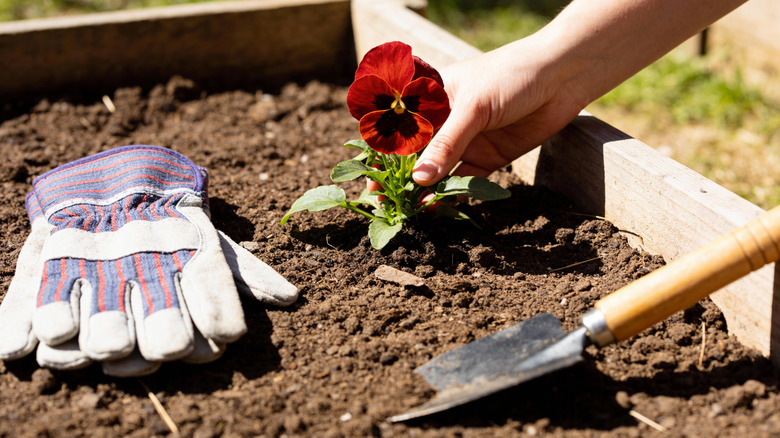
There are several different growing zones in the US, marking areas with different amounts of sunlight, humidity, and rainfall. Called plant hardiness zones, the areas are based on average winter temperatures, so gardeners can find plants likely to survive the cold months. The zones don't indicate how a plant will do in drought or extreme heat, however, so be sure the plants you want are adaptable to where you live.
Local nurseries will know about the soil and growing conditions in your area. Take advantage of their knowledge when asking about what grows well in the area. The shops can also give tips for the specific plants you buy.
8. Neglecting fertilizing properly
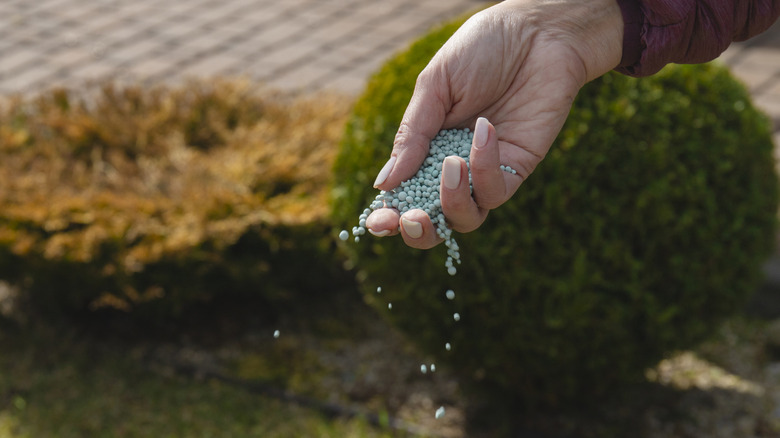
Fertilizing your garden is essential to keep the soil healthy, but using the wrong type or amount can kill the crop. To know what to use, you'll need to know how fertile the soil already is. Testing the soil, usually through a kit found at plant nurseries or garden supply stores, will tell you what nutrients are present, the pH level, and more.
After determining what nutrients the soil needs, the gardener will have to decide if they want to use organic, inorganic, liquid, or pellet fertilizers. Pellets are good to use when planting, and liquids help transplants survive. But, ultimately, as long as the plant gets the type and amount of nutrition it needs, the deliver method doesn't matter.
9. Not protecting against bugs and diseases
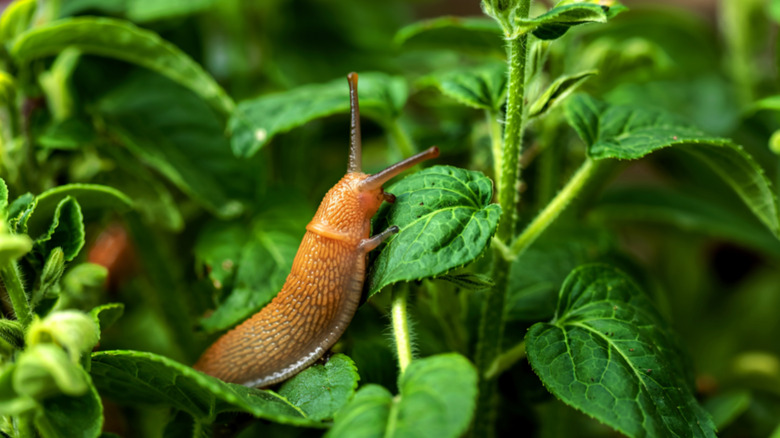
Forgetting to treat your garden for pests and disease will guarantee a bad harvest. While pesticides will kill every bug in your garden, good and bad, using more natural methods treats the cause of pest infestation. Encouraging natural predators, such as ladybugs and frogs, will get rid of insects without chemicals. You can also mix plant types to keep insects from flocking to a particular row of fruits and veggies.
Using a "trap crop" keeps bugs away from your harvest by sacrificing one type of plant for the food you want to keep, Steve Corcoran, the CEO of Lawn Love, explained to Food Republic. For instance, planting blue Hubbard squash next to winter squash will keep the latter safe, while the former is eaten by squash bugs or vine borers.
10. Failing to choose a spot with enough sun
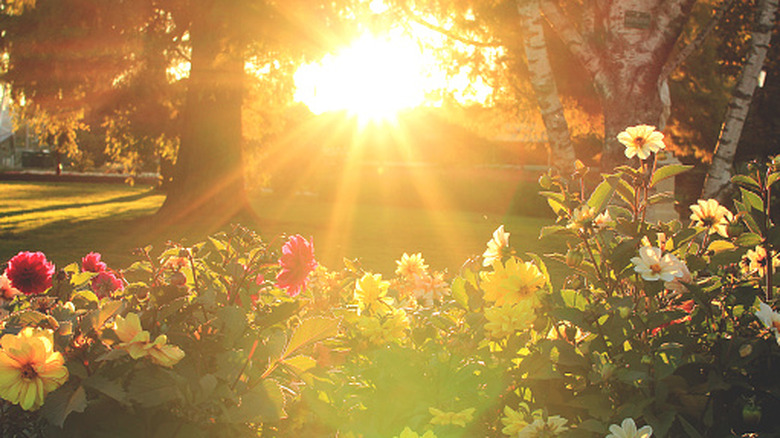
Many plants need between 6 and 8 hours of sunlight a day to grow properly, so you'll have to choose a spot where that's possible. When you're looking for your first garden plot, observe which areas of your yard or apartment are sunniest for the longest. Check to be sure there aren't too many shadows in the area throughout the day, and if you have a place where the sun hits for at least 8 hours, you've found the right spot.
If you don't have an area that gets that much light, you can still grow things. Leafy greens only need 3 to 4 hours of sunlight, and some varieties can grow in partial shade. If you can get 5 to 6 hours of sunlight, root vegetables, like carrots, can do well.
11. Starting with the wrong plants
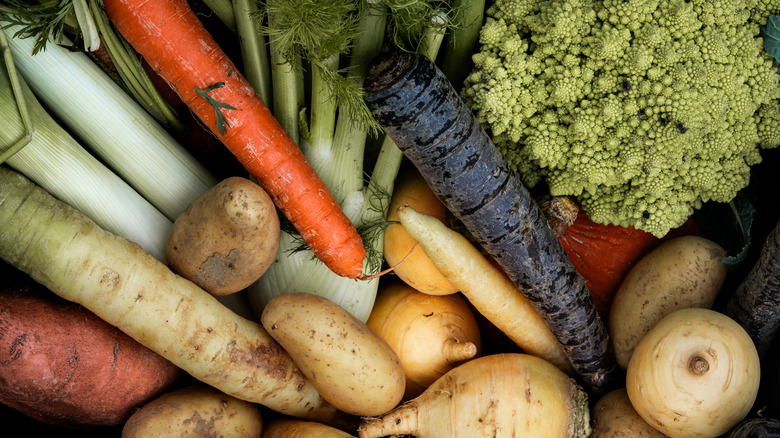
Starting with plants that need high levels of care may just put you off gardening. It's a good idea to plant lower-maintenance fruits and vegetables for the first few growing seasons in your new garden. This allows you time to get used to preparing and fertilizing the soil, as well as to learn how to sprout seedlings and transfer them.
Martha Stewart suggests trying lettuce as a new gardener because it does well in sun and shade. You can harvest whole heads or a few leaves at a time. Kale can also be harvested in stages to keep the plant growing, says Tammy Sons, the CEO of TN Nursery. Sons also notes that the plant can be grown in a large container, making it an attractive vegetable for a first-timer.
12. Overwatering
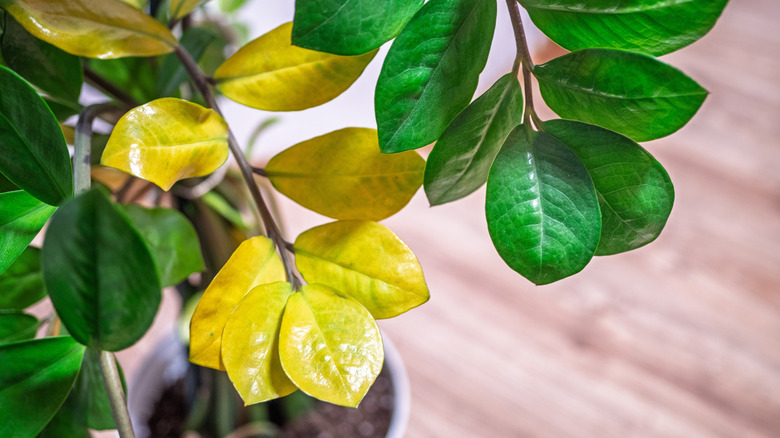
Overwatering is just as bad as underwatering, with the unfortunate side effect of damaging the ground that's being oversaturated. It's not only more easily eroded, but roots will rot from too much water. It can attract disease, fungi, and mold, and also cause structural damage to a raised or wooden bed.
To avoid overwatering, you have to know the signs to look for. Yellowing leaves are often an early sign of oversaturated soil, while dropping leaves are a sure sign the plant can't get enough oxygen through the roots. Wilting may or may not indicate overwatering because plants can temporarily wilt under the hot sun. Wait to see if the plant recovers as it gets cooler to avoid damaging it.
13. Forgetting the mulch
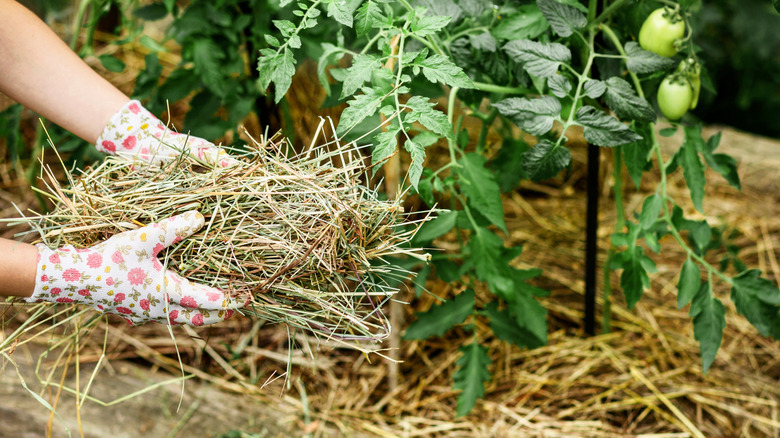
There are many different types of mulch, such as bark, wood chips, hay, and even mushroom compost. It's used in thin layers to help keep weeds at bay and protect the plant's roots. Mulch also helps keep the soil beneath it moist and adds nutrients as it breaks down. It keeps the soil cool, too, which helps you not have to water as much.
You don't have to go farther than your local plant nursery for a bag of premade mulch. But, if you prefer to stick closer to home, used coffee grounds make a good mulch, according to Seedtime's director of brand advancement and farmer, Luke Hammond. So do leaves and pine needles, which are free to gather depending on where you live.
14. Not having the right tools
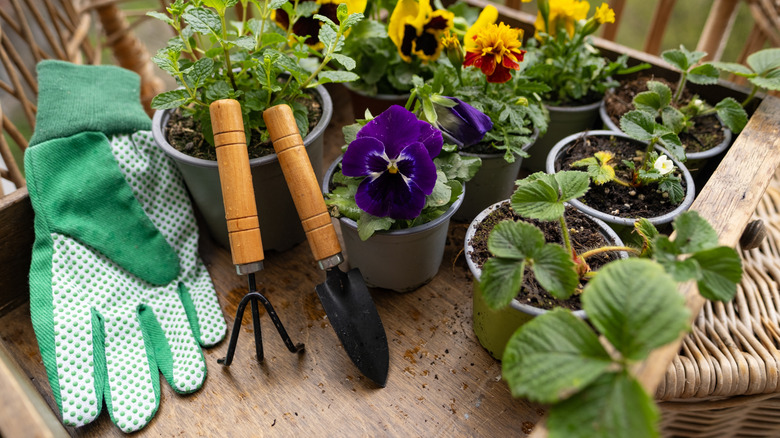
Neglecting to have the proper gloves and gardening tools will hurt your hands, knees, and back. Combined with the difficulty of moving soil without them, the process quickly becomes overwhelming. Luckily, garden tools are readily available. Depending on the size of your garden and the growing method, you might not even need many of them for a successful harvest.
A few essential tools include gloves to protect your hands, pruners or shears to trim plants, and a trowel for potting and planting. You'll need a watering can or hose to keep your crops hydrated, and a hand rake helps loosen soil or remove weeds. If you're using a larger garden plot or raised bed, a shovel or spade will help to move larger amounts of soil.
15. Neglecting to use pots to grow produce
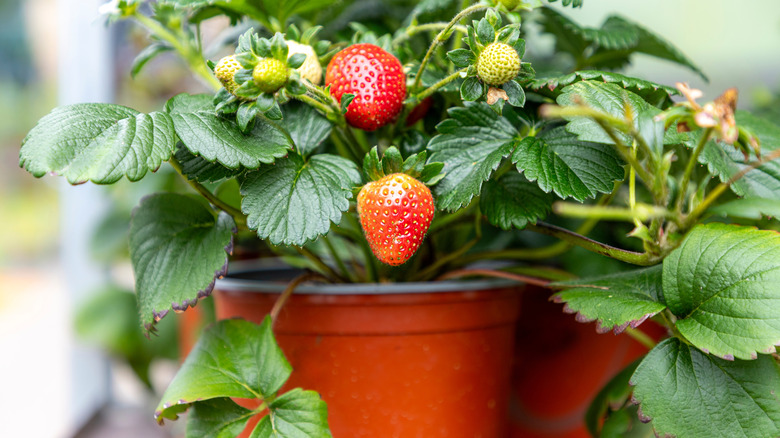
If you're in a small space, using pots to grow potatoes, tomatoes, and even dwarf fruit trees is a great solution. Planters come in all shapes and sizes, making finding one to fit your available space that much easier. You can even start the seedlings in an egg carton for a cheap, biodegradable alternative to plastic seed trays. Things like mustard or radish micro greens won't even need to be transferred, as they grow well in shallow soil, according to Michael Clarke, the founder of Yardwork.
For plants that need more room, a 6- to 9-inch deep pot is perfect for shallow roots. Things with more moderate roots will need a container between 12 and 18 inches deep, and long-rooted plants, like tomatoes, should have a pot around 24 inches deep to keep them from becoming root-bound.
16. Forgetting to use vertical space
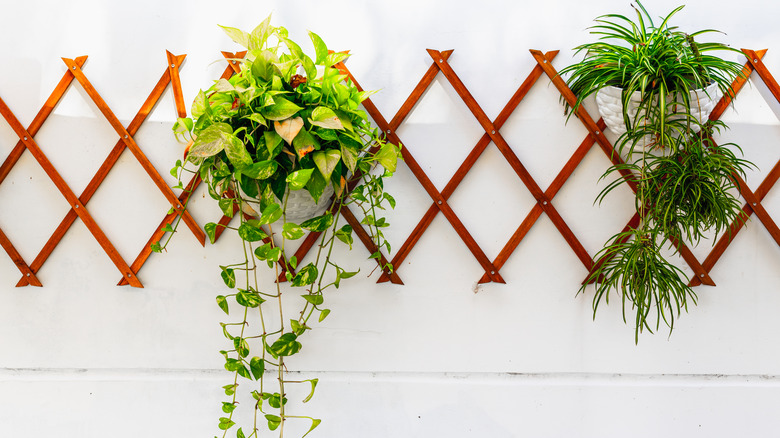
This is a great option for both small and large spaces. Growing plants vertically with trellises, nets, stakes, or hanging planters gives you more room to work with and lets vines have something to grab onto. Plants like melons, tomatoes, peas, and beans have long shoots or "runners" that can grow upward to keep the produce off the ground. This helps the food not rot as easily, as it isn't in contact with damp soil. The increased airflow also helps prevent some diseases.
Tomatoes, in particular, need something to grow on, so stakes and cages are often used. Many varieties of tomato plants don't stop getting bigger, and without support, will bend over or break. To help prevent this, slings to hold the fruit up can be made from strips of cloth or plastic bags.
17. Not using a raised bed
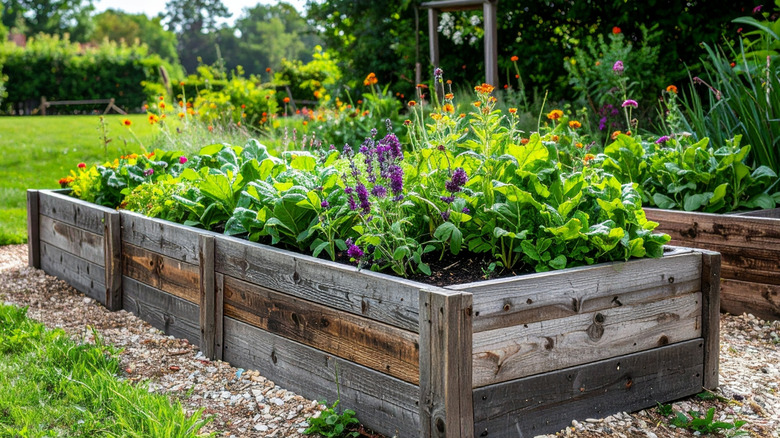
First-time gardeners might not consider using a raised bed, but these containers are a space- and back-saving way to grow plants in a confined space. The beds help keep soil from being compacted because no one is walking on it, which helps with drainage. They also let you create the mix of soils you want from scratch, so you can have beds with different soil types for various types of plants.
Raised beds can be any size you like and are perfect for growing fruits and vegetables in unexpected places. For instance, if you live in an apartment with a balcony or rooftop access, raised beds are a great way to grow your own herbs. The beds also increase crop yield by letting you plant closer together than you could in single rows.
18. Waiting too long to start harvesting
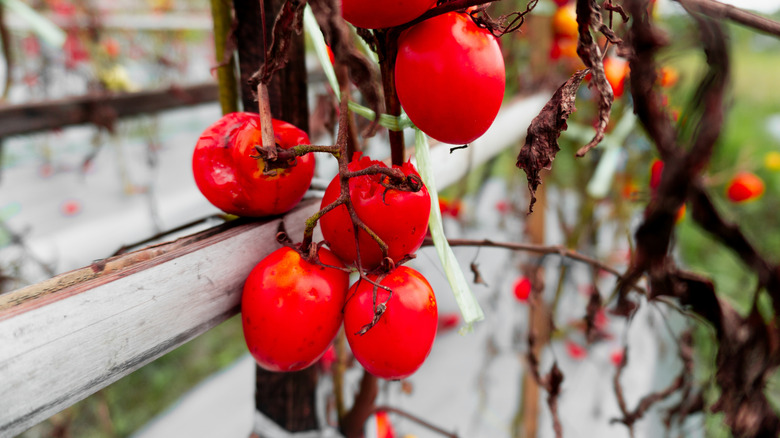
When your plants begin to make ripe fruits and vegetables, it's best to pick them to keep the plant producing. It also keeps the foods from rotting on the vine. When Food Republic spoke with Luke Hammond, the director of Seedtime brand advancement, he noted that leaving fruit and vegetables to overripen makes them softer as cell walls break down and more bitter as sugars turn into starches. Not only is it a shame you don't get to eat the item, but it's also a waste of all your hard work.
To avoid the problem entirely, check the plants daily once they start producing. This lets you keep an eye on them to ensure disease and pests aren't setting in. It also lets you grab the items at the peak of their ripeness for the best taste and texture.
19. Failing to create proper drainage
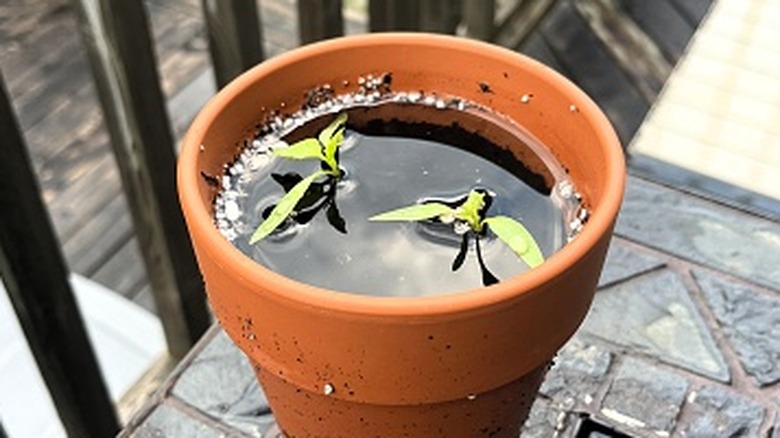
Whether you've got plants growing directly in the soil, a raised bed, or a smaller container, water has to be channeled away, or the roots will rot. When planting in a pot, make sure it has holes at the bottom. If the pot doesn't have openings, it's best to use it for plants that can tolerate wet conditions.
But, no matter what you're planting in, the soil itself is the biggest indicator of how water will drain. High amounts of clay will hold water, while sandy soil lets water filter through quickly. A combination of the two, called loam, keeps moisture levels up while letting extra water drain. To check your soil, dig a hole around one foot deep and fill it with water. If the hole empties in between 4 and 12 hours, the drainage is ideal.
20. Neglecting to buy a planting calendar
Planting calendars or guides are a handy way to keep growing zones, planting tips, and harvesting times in one place. Arguably, the most famous one is the Old Farmer's Almanac, which has been published for more than 200 years and was the brainchild of founding father Benjamin Franklin. But, whichever one you use, the calendars all provide vital information for farmers and gardeners.
For starters, you can easily find your growing zone with a planting guide, which will also have important dates, such as when the last frost in your area is expected. This tells gardeners when to start planting and how long a growing season they're likely to have. Many of the calendars also incorporate the moon's phases into the guide, with below-ground plants being planted while the moon gets smaller and above-ground plants being planted as the moon grows.