

5 Foods That Are Cheaper To Grow Yourself Than Buy
We may receive a commission on purchases made from links.
Fruits and vegetables make up a big chunk of the weekly food shop, and lately, their prices are getting harder to ignore at the checkout. Costs are creeping up, and for anyone looking to keep to a budget, it might be worth skipping the fruit and vegetable aisle altogether. We're not suggesting a boycott — instead, we recommend growing them yourself. From spring onions to tomatoes, homegrown produce is easier than it sounds, and a small investment in seeds can produce a huge amount of food.
For the purpose of this article, it makes sense to skip anything that will test your patience. Sure, a fully grown avocado tree is a great way to have your avo toast costs covered indefinitely, but it's not exactly practical. Grow one from a seed, and you could be waiting over a decade for fruit. Even grafted trees take years to pay off. Faster growers like strawberries, leafy greens, and herbs are much more practical options. They're quick, produce high yields, and are oftentimes perennials, meaning that they can be harvested year after year.
The plants on this list are also all beginner-friendly to grow, but where you live shapes everything. For instance, strawberry plants are going to have very different requirements if you sow them in sunny California versus colder northern climates. That's where the USDA Plant Hardiness Zone comes in handy. Figure out which zone you live in, and you'll easily be able to find the unique conditions required to grow your crops. This will tell you the best time to sow your seeds, transplant seedlings, and expect harvests. It also helps you choose plant varieties that are more likely to thrive in your local conditions, which can greatly improve their yield and quality.
A herb garden is an excellent investment for your kitchen
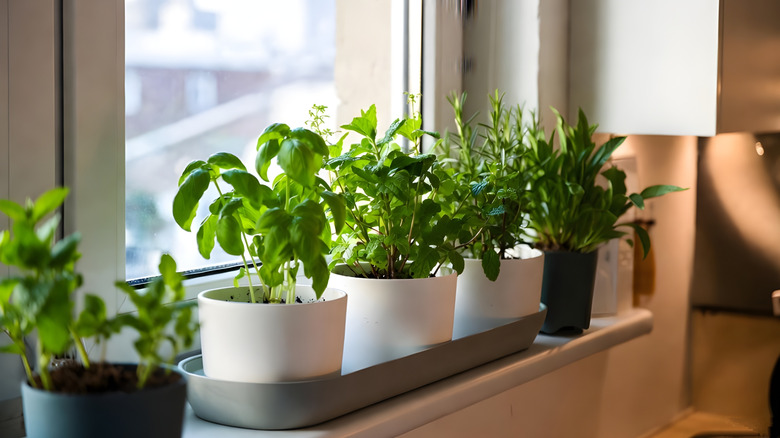
Herbs are a kitchen essential. But if you're looking to save some cash, skip the grocery store and grow them yourself. Let's compare the price of store-bought versus homegrown basil: At Target, a half-ounce pack of basil will set you back $2. That's not bad, but a pack of seeds generally costs the same price, and you're going to get a much higher yield than just half an ounce. A single, well-maintained basil plant can produce roughly 13 ounces of fresh leaves. On top of that, each seed pack typically contains hundreds of seeds.
Beyond price, a helpful way to determine value for money is longevity. When you buy herbs in the grocery store, most will last in the refrigerator for a week (sometimes longer if they're hardy). This creates pressure to use them before they spoil. But if you plant them yourself, they're available whenever you need them, and as they were harvested earlier, they'll keep for much longer. Some herbs — like rosemary, oregano, and thyme — are perennials, and regrow each year. This means they don't need to be replanted, so a one-time investment can provide years of yields with proper care.
For the best results, we recommend starting your herb garden indoors — perhaps a sunny spot in your kitchen (ideally with several hours of direct light, or a grow light if needed). Some commonly used herbs — like basil and cilantro — are highly sensitive to cold conditions and don't survive winter. Once summer rolls in, simply move the pot outside. If you're intent on building an outdoor herb garden, it's best to stick to hardy, woody varieties like rosemary, thyme, and sage. These tend to be more tolerant of harsh conditions.
There's endless uses for tomatoes in the kitchen
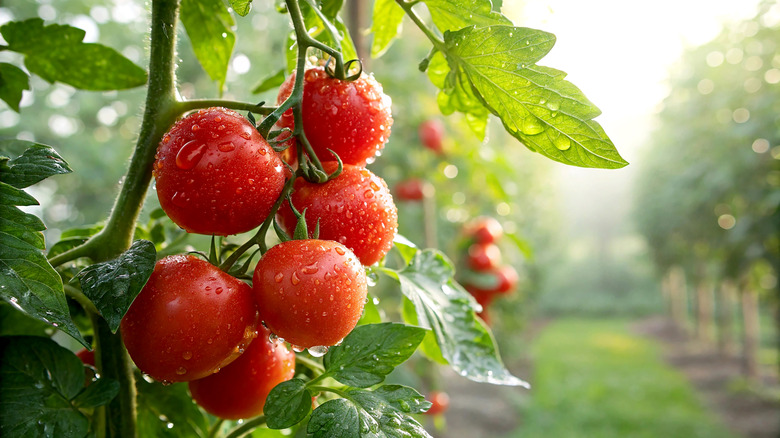
Tomatoes are one of the world's most popular foods, beloved for both their tangy flavor and versatility. But while a standard pack of cherry tomatoes (around 10 to 12 ounces) typically ranges between $3 to $5, growing them at home can be much more economical over time. While a pack of seeds will set you back $2, just one healthy plant can produce several pounds of fruit. Although they're best grown in summer, you can extend their shelf-life for months and save even more money on tomato-based products by converting your harvest into jarred sauces, canning them, or making a concentrated paste.
Growing tomatoes at home is easy. It's best to plant your seeds indoors around six weeks before your last expected frost date. They're highly sensitive to the cold, so they should only be moved outside once nighttime temperatures are above 50 degrees Fahrenheit. Once you've planted your seeds, place them in a warm, bright spot and keep the soil consistently moist. If you plan to move them outdoors, gradually acclimate the plants through a process called "hardening off." Just place them outside for a few hours each day and gradually increase their exposure. After that, they can be planted in a sunny outdoor spot with well-draining soil. Maintain regular watering and good sunlight, and you'll know they're ready for harvest when their final color begins to develop.
In temperate regions where frost develops, they're grown as annuals and need to be replanted each year. However, in their native climates, they behave like perennials. This is why regions with mild, Mediterranean-style climates – like certain parts of California – are particularly well-suited for tomato cultivation.
Skip hefty strawberry prices by growing them yourself
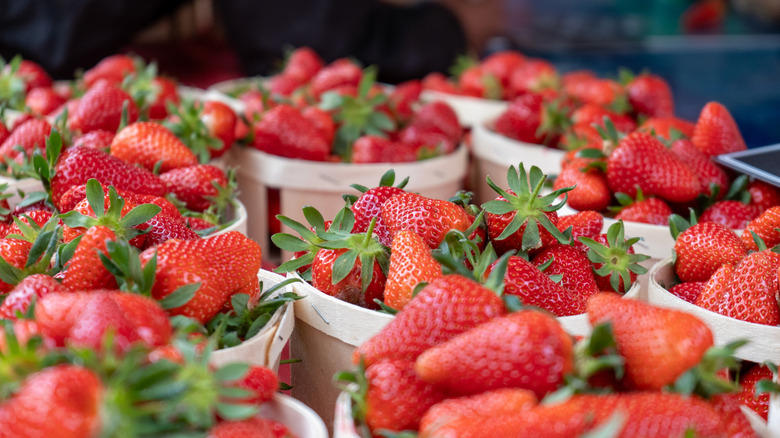
Sweet, juicy, and undeniably gorgeous, strawberries are a favorite for many. However, regular buyers have likely noticed increasing prices. Data from Agronometrics showed that strawberry prices were 33% higher at the end of 2025 compared to the year before. Prices also fluctuate seasonally, tending to be cheapest in spring and summer and more expensive out of season. In general, a standard 16-ounce container will cost around $3 to $5 at many grocery stores. The catch, however, is that strawberries spoil quickly unless they're frozen or used within a few days. If you like having a regular supply, you're going to have to buy them pretty regularly, and the costs can quickly add up.
To get more value over time, growing your own strawberries can be a smart alternative. For example, "bare root" strawberry plants typically cost much less than potted varieties. While this is higher than your standard box, strawberries are perennials in many climates, meaning the plants produce fruits for multiple years, provided they're well-maintained. A healthy plant can yield roughly one pound of strawberries per season, so eventually, growing your own can offer meaningful savings compared to repeatedly buying fresh packs.
Strawberries are simple to grow at home. We recommend starting with either bare-root plants or young starters and planting them in well-draining soil. They are sun-lovers and need around six to eight hours of direct sunlight daily. Another benefit of strawberries is that most varieties will start producing fruit in the first season, with peak yields typically occurring around a year after planting.
One spring onion could last you weeks
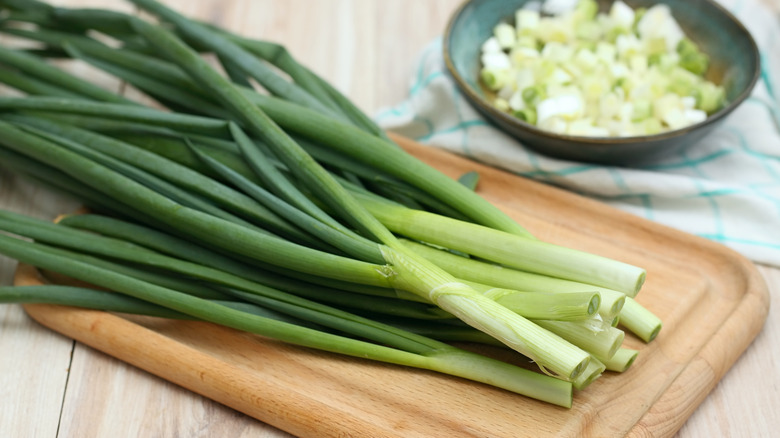
Spring onions are a staple in many Asian dishes. The green tops add a fresh, vibrant garnish, while the white base can be infused in oil for a rich, savory finish. They're also one of the easiest vegetables to grow at home, making them a cost-effective alternative to buying them regularly.
At the grocery store, spring onions are relatively inexpensive, typically costing around $1 to $2 per bunch. Still, growing them at home can stretch your money further. One of the simplest methods is regrowing scraps. Just save half an inch of the white root ends and place them in a glass of water or a pot of soil. They regrow quickly and are often ready to use within a week. You can repeat this process a few times, although growth may slow with each cycle.
If you're looking for higher yields, growing from seed is another option. A packet of seeds (often containing a few hundred) costs roughly $3 and can produce a huge number of plants. Since grocery stores sell spring onions in bunches of around eight or nine, growing your own can yield far more for essentially the same price. They also grow relatively quickly, typically taking around eight to 12 weeks from sowing to harvest. If you opt for seedlings or transplants from a local nursery, you can cut this time down by several weeks.
Skip slimy salad bags and grow your own leafy greens
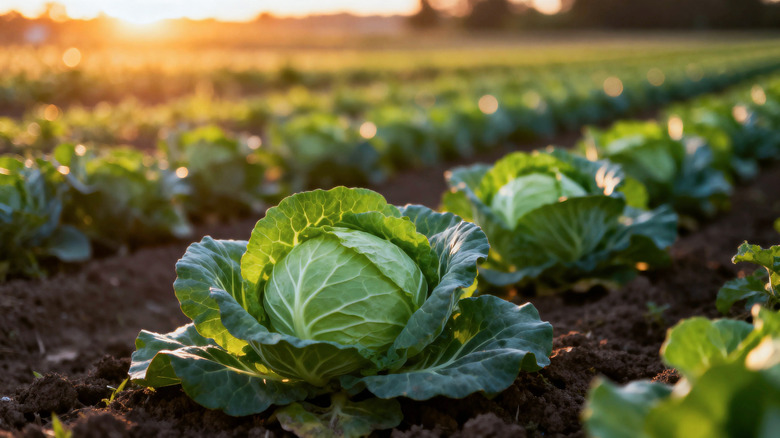
When we say leafy greens, we mean classic salad bulkers like lettuce, kale, spinach, and cabbage. They're great to incorporate into your weekly food shop, and contain a whole host of vitamins, minerals, and antioxidants. However, you might find that growing them yourself is much more cost-effective. For example, a 16-ounce bag of chopped kale costs around $3 to $4, but at Walmart, a bag of 22 Lettuce and Salad Greens Seeds Varieties will set you back $22. At face value, this is much more expensive. But looking at the bigger picture, the huge volume of produce these seeds produce will quickly cover the difference. You can, however, also buy single packs of individual seeds, like Burpee Bibb, for less than $2.
Aside from being more cost-effective, growing your own leafy greens at home is also more functional. For starters, unless you want to splash out multiple different varieties, the most budget-friendly way to boost a salad is by purchasing a pre-made mix. Often, certain varieties like spinach and kale also come bagged. The issue, however, is that leafy greens are primarily made up of water, and when they're chopped and bagged, they release this moisture, which creates the perfect environment for mold and bacteria to thrive. That's why salad bags often end up as a brown, slimy mess.
Leafy greens are pretty beginner-friendly. Some greens, like arugula, can be harvested in as little as three to four weeks. You also don't need to harvest the whole head, and you can cut the outer leaves, so the center will continue to produce new growth. However, you might want to look into creative pest control solutions like sea salt, as leafy greens are a favorite of slugs and snails.