

8 Mistakes You're Making With Overnight Oats
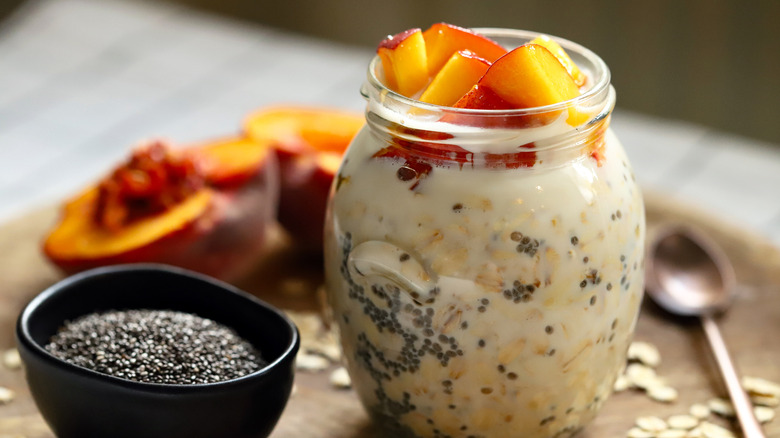
Overnight oats have been a trendy morning food since the mid-2010s, and they were even a staple of Princess Diana's breakfast table in the 1990s, but their history goes further back than that. The dish can trace its origins back to the early 1900s invention of muesli by Swiss physician Maximilian Bircher-Benner as a gentle, nutritious, apple-based meal for hospital patients. Over the next century or so, muesli evolved to take many forms, including the dish we now call overnight oats. That is the real beauty of it: adaptability. The dish is a meal-prep gift, and the only limitation is your imagination.
That said, there are still some crucial things to know about overnight oats to get the best results — potential pitfalls to avoid, possibilities to try, and combinations to unlock your new favorite flavors. To help, we've put together this list of mistakes to avoid in order to help get the most out of your overnight oats.
1. Using the wrong kind of oats
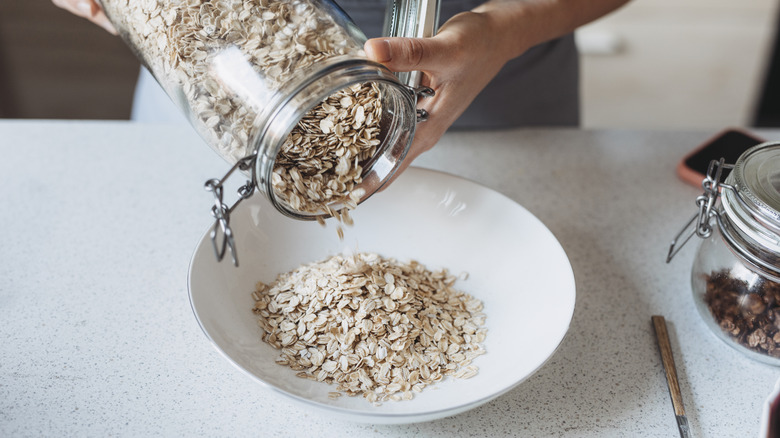
If you find yourself in a pinch, any kind of oat can technically be used for overnight oats. But be warned: The decision you make will have a major impact on the texture you end up with. Outside of oat groats, steel-cut oats are the least-processed of the mass-produced oat varietals, a key difference between steel cut and rolled oats. Because they haven't been treated as much as other oats, they will remain stiff when you go to take your first bite, even if you increase the soaking time. Giving them a quick cook beforehand can help mitigate this issue if you choose to go this route.
On the opposite side of the spectrum, using the thinner, smaller quick oats is a good way to end up with a less-than-appealing pile of oat pulp. The same process that allows them to cook fast will cause them to over-absorb liquid and become mushy. You're already setting them aside to rest until morning, so there's no need to rush things.
The best type of oats for overnight oats, therefore, is the middle ground option: rolled oats. These steamed and flattened grains are perfect for absorbing liquid in such a way that they become creamy rather than soggy. When you're looking for that rich, comforting texture, rolled oats are the way to go.
2. Not mixing types of oats for a texture upgrade
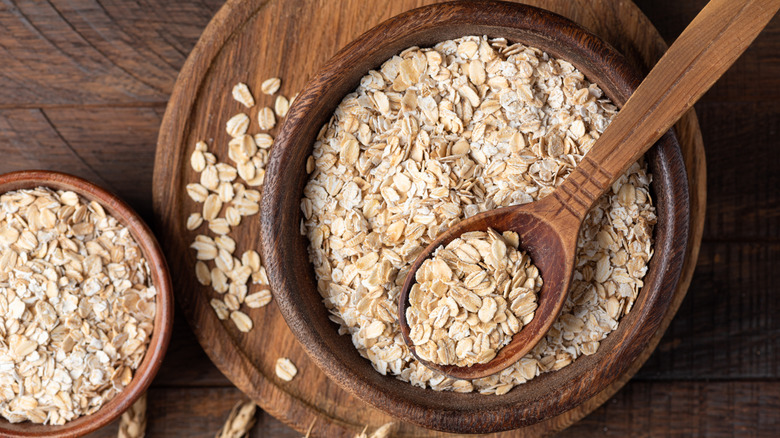
While steel-cut and quick-cook oats might not be suited to serve as the base of your overnight oats, it's not time to chuck them to the curb just yet. Some of the most common complaints about the dish on Reddit revolve around dissatisfying texture, so if rolled oats alone aren't cutting it for you, it could be worth experimenting with a mixture of oat types.
Mixing equal parts rolled oats and quick-cook oats can yield a result that is extra creamy while not sacrificing the overall structural integrity of the dish. On the flip side, for those who find oats uncomfortably mushy even in the best of times, repurposing a time-honored oatmeal trick by mixing in some steel-cut oats with your rolled oats can create a pleasant textural combination with just the right amount of resistance in every bite.
While quick oats don't offer much diversity of taste, steel-cut oats contain a naturally warm, nutty flavor that can be a perfect complement to some of the more popular ingredients found in overnight oats.
3. Using water instead of milk
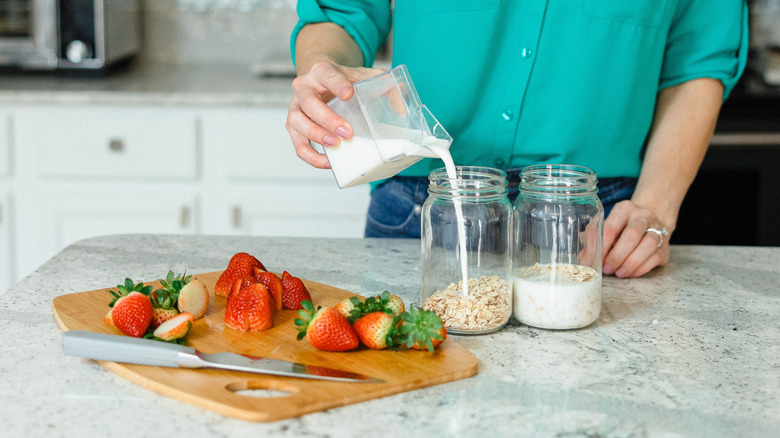
We're not here to yuck anyone's yum. If water in your overnight oats sparks joy, we love that for you. There are plenty of delicious recipes, including add-ins like berries, chia seeds, and maple syrup, that go nicely with water. However, if you find yourself dissatisfied with the result, there's an easy way to create a more luxurious flavor base. Milk will give a touch of sweetness in addition to providing a more velvety texture, and it's a good source of added protein to get you out the door.
Lactose avoiders need not fret, either. Non-dairy milks are perfect for this dish and offer a wide range of options depending on the flavor and texture profile you're going for. As you begin experimenting, it's best to start with unsweetened non-dairy milk, so that you can control the overall sweetness of the dish.
Perhaps unsurprisingly, oat milk is perfect for overnight oats, providing a reasonable facsimile of a dairy milk texture while amplifying the, well, oatiness of it all. Almond milk can bring out the natural nutty flavor of the oats and is a great choice for those who might want a slightly thinner consistency. Soy milk can be a good source of added protein, though some say it imparts an unusual flavor.
Overnight oats are also a clever way to use coconut milk, providing a light, tropical flavor that can pair well with a number of different fruits and toppings. However, because coconut milk is on the sweeter side, be careful with fruit that breaks down too sweetly, such as bananas.
4. Forgetting the ideal oats-to-liquid ratio
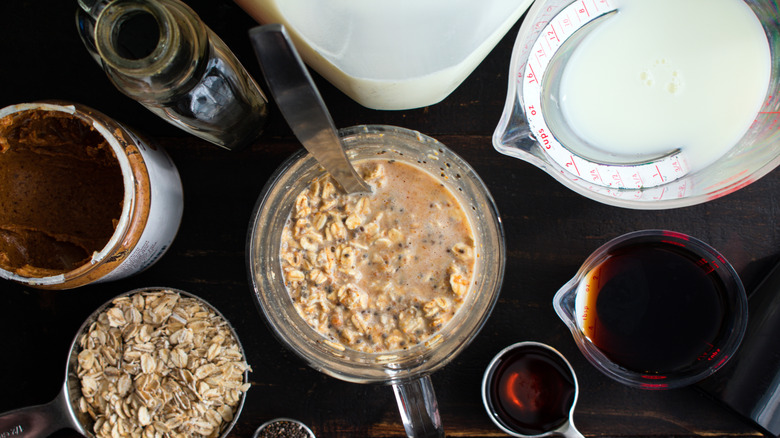
As readers may have surmised, with a dish as delicate and easily impacted as overnight oats, getting the right consistency is the difference between a hearty, nourishing meal and a morning of gloopy disappointment. That's why internalizing the ideal liquid-to-oats ratio is crucial. Luckily, it's an easy one to remember: 1-to-1.
Equal parts milk and oats should give you a strong foundation for the breakfast you're trying to build, but as with most other overnight oats tips, there's plenty of wiggle room. If you prefer an outcome that's thicker and more porridgy, experiment with cutting out some of the liquid. If you'd rather have a lighter, more runny final product — you guessed it, add a splash more, and build up from there.
The final ratio will also be impacted by the ingredients you plan to add. Chia seeds, for example, are an infamous liquid absorber, so if you plan to add them, consider a ratio of ½ cup oats to ⅔ cup milk to 1 tablespoon of chia seeds.
5. Neglecting Greek yogurt for a protein boost
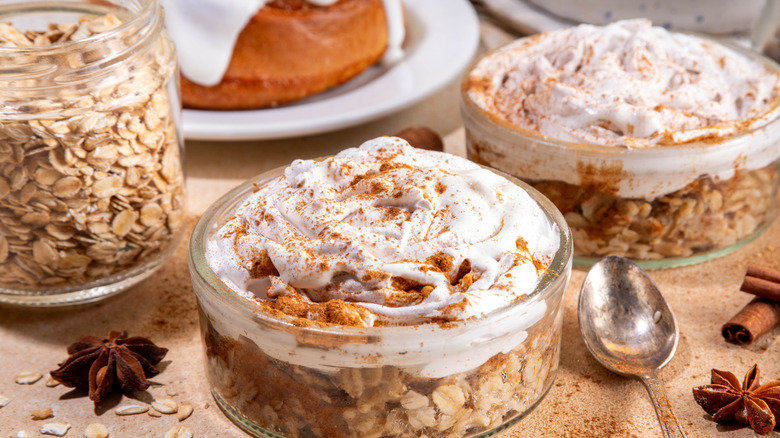
Oats may seem like a back-burner food source in the age of protein-maxxing, but they actually can be used as an easy opportunity to unite these two popular food trends. Greek yogurt is a quick source of breakfast protein, and it also happens to be a delicious accent to any number of overnight oats recipes.
Greek yogurt offers nearly double the amount of protein as regular yogurt and around triple the amount as dairy-based milk. It also helps enhance the natural silky creaminess of overnight oats, making it the ideal secret ingredient to really kick things up a notch.
Don't think of this as a substitute for your liquid ingredients. If you're using ½ cup of oats, try adding ¼ cup of Greek yogurt, mixing the two (and any other add-ins you plan on using) before incorporating the liquid, and setting the mixture to rest in the fridge overnight.
6. Not taking advantage of the customization options
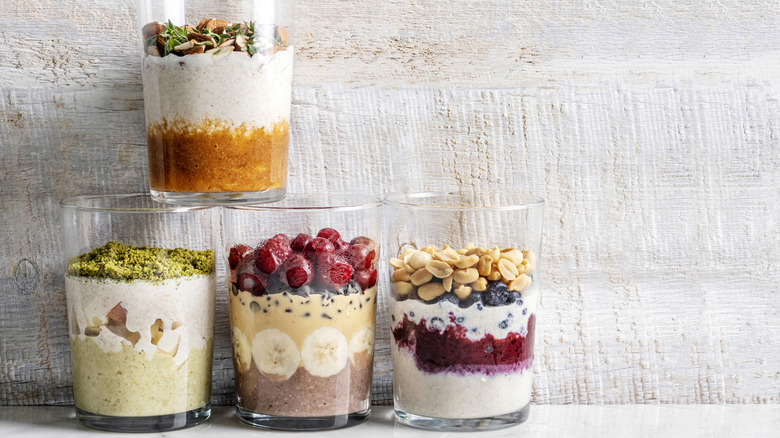
There are really no barriers to what you can do with overnight oats to fit your flavor profile. There are classic combinations like apple cinnamon, chocolate strawberry, and mango coconut, but this is an opportunity to look beyond the basic.
Chia and flax seeds become soft and sweet while adding numerous nutritional benefits when included with overnight oats. Chia seeds are also a hydration powerhouse that can help you start your day on the right foot. Hemp seeds can add protein and valuable fatty acids while not adversely impacting the texture. As little as 1 teaspoon of moringa powder can impart an earthy, slightly bitter flavor, help settle the stomach, and add a dose of vitamins.
If the Greek yogurt still doesn't provide enough protein, add your protein powder of choice to the mixture. We recommend chocolate because, let's face it, who doesn't want an excuse to start the day with a generous amount of chocolate?
If you want the pick-me-up of chocolate without the sugar, you can even try substituting some of your milk for cold brew — just make sure you choose the right flavors to accent this ultimate breakfast concoction. Staying on the beverage theme, take inspiration from boba shops and try adding boba pearls to your oats.
7. Ignoring the specific needs of different toppings
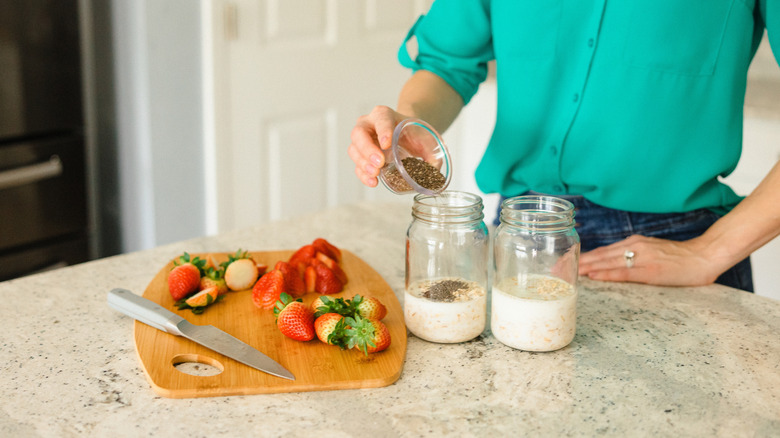
Alas, even a dish as simple and ready to set-and-forget as overnight oats requires a bit of technique. Once you have your desired ingredients, it's important to understand what steps to take to avoid disaster and embrace deliciousness.
Some dry ingredients are prone to clumping. To avoid unpleasant globs of chia seeds and protein powder, mix them well with the rest of the ingredients, then give a final stir after 10 minutes in the fridge. If you're trying matcha overnight oats with coconut milk, consider blending the tea powder with the liquid until smooth.
The order in which you add ingredients can also determine the outcome of the final product. Softer fruits like berries and bananas can get overly squishy if left to absorb liquid overnight, which might not make for an appetizing morning. Similarly, if you add nuts overnight, they may lose that crunch that you were envisioning when you added them. Adding these right before you're ready to eat them can make a world of difference.
8. Not experimenting with savory flavors
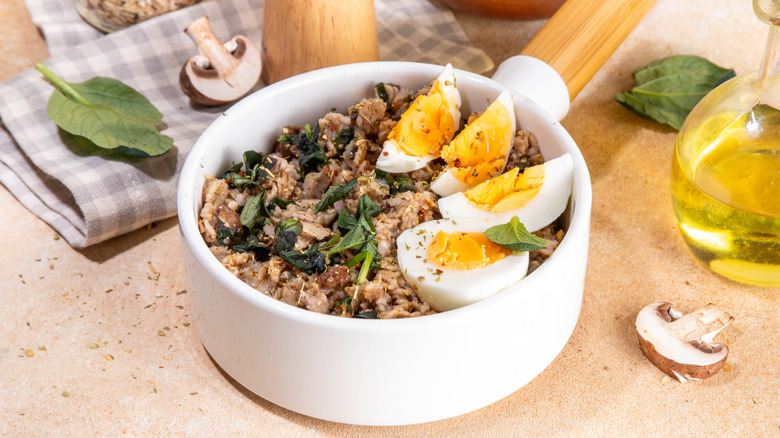
For one last bit of flavor experimentation, ditch the berries, the sweeteners, and the chocolate, and try a savory bowl of overnight oats. This concept might require a bit more preparation, but it pays off in a big way. Try adding chipotle mayonnaise to your oat/milk/yogurt/combination before refrigerating it overnight. In the morning, heat up bacon, frozen corn, and cherry tomatoes, and enjoy a new twist on a familiar classic.
You can also make soft-boiled eggs and sauté greens such as kale or spinach ahead of time. Then, when you're ready to eat, add them to the prepared oats with your hot sauce of choice. This allows the already-versatile dish to gain some meal flexibility, as it could just as easily be a low-effort lunch. You can eat it hot or cold; while it may seem strange to eat this combination cold, once you get used to it, it's a lovely change of pace from the usual oatmeal flavors.
If you want to stay mostly sweet but add a savory touch, spicy jelly is an ingredient that elevates overnight oats as easily as PB&Js. After all, what breakfast isn't improved by the inclusion of chipotle peppers?