

9 Best Types Of Beers To Pair With Your Steak
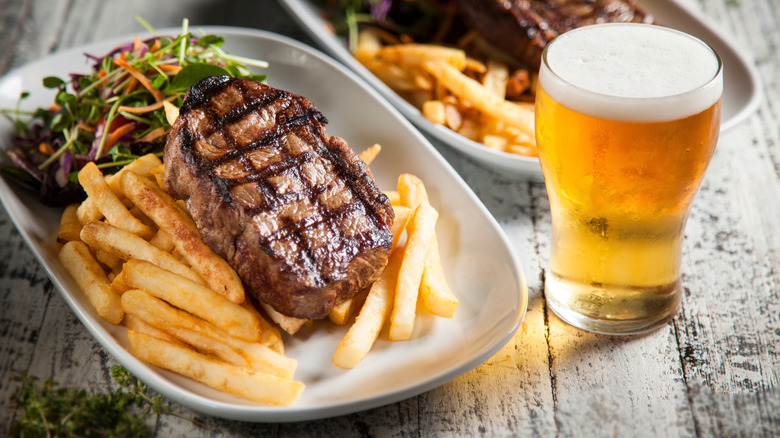
So you've salted, seared, basted, rested, and given that steak everything it needs to shine. It's juicy, crusty, and ready for its big debut. But even the best steak shouldn't have to shuffle into dinner all on its own. It needs a drink beside it. Steakhouse lore has trained us to believe that a structured red wine can charm just about any cut: A dry, tannic bottle for a big, fatty ribeye; something softer, lighter, or slightly fruity for leaner, more delicate cuts. But that's a huge steak myth, right up there with using the finger test for doneness.
It's time to consider an alternative: beer. Wine may be steak's old faithful, but it doesn't always know what to do with steak's rowdier side — smoke, char, spice. Beer, on the other hand, brings a much heftier arsenal. Its bubbles rinse the palate between bites, its bitterness cuts, and its dry finish keeps fattier steaks from cloying the palate. It also fits right in at a backyard barbecue.
That said, steak-and-beer pairing isn't a free-for-all. A ribeye, a filet, and a skirt steak are not all looking for the same drinking buddy. To spare you the trial-and-error spiral, we've rounded up the best beers to flatter your cut.
Dark lagers
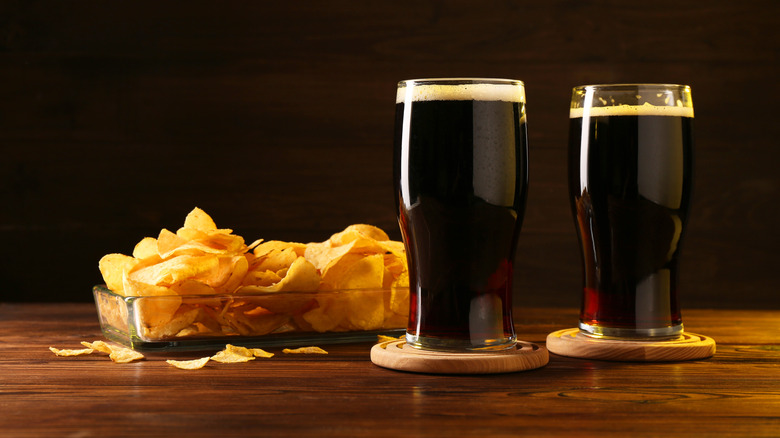
Folks see a black beer and imagine stout or porter heft. But dark lagers are pretty chill guys, approachable enough that they could even be a gateway beer. Their main selling point is toastiness, which dunkels and schwarzbiers get from dark and kilned malts. They've also got a pretty tidy profile, finishing clean and dry, and without the heaviness typical of stouts and porters. Carbonation is on the lighter side and hop character is restrained, usually offering just a peep of floral or spicy notes. It's enough to be perceptible, but miles away from dominating the beer.
Because dark lagers have such prominent toasty cues, they make fast friends with grilled steaks, which are perfectly complemented by the browned, toasty, caramel-like notes in the beer. Also, don't be fooled just because they lack the kind of heft a good stout or porter brings to the table. They can absolutely handle hearty cuts like New York strip or skirt steak, especially pan-seared preparations, where they bring toasty warmth and a slight lift that works really well when you want the steak's browned notes to linger a little.
Try pairing a dark lager with something spicy like pepper-crusted steak. It gives the spice room to come through without tainting it with IPA-level bitterness. You can absolutely bring sauces into the mix, but keep them on the savory side. Something savory and earthy like Mexican mole will work far better than anything overly sweet.
Porters
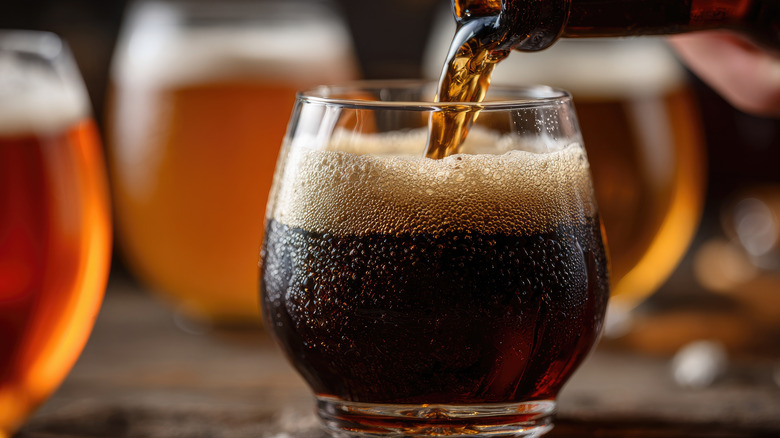
There's something about a good porter that begs for a charred steak. Porters are deeply malt-driven. English versions, built on rich kilned base malts, can be maltier than their American cousins, which often lean on cleaner pale base malts.
That's part of what makes porters some of the best beers for grilling season. The beer's nutty, dark fruit, chocolatey, and roasty notes latch onto seared or grilled beef with almost suspicious enthusiasm. All that malt can intimidate delicate cuts like filet mignon, but it goes gangbusters with beefier cuts like ribeye and hanger steak, where you need a beer with enough muscle to hold its own. And, of course, porter's nuttiness can be downright lovely with the strip side of a porterhouse, which tends to bring more roast-friendly beefiness. These beers also unlikely to clash with barbecue sauce, the deep chocolate notes playing nicely with the tangy, smoky, sweetness of anything from an easy three-ingredient homemade sauce to something richer like a Tandoori barbecue sauce.
Hop character varies depending on the porter, but it's typically restrained enough not to bury the malty profile. But even subdued under all that creamy malt, the hops can lend earthy or floral notes, which can be useful in steak preparations involving herbs, black pepper, mushrooms, or garlic. And while not as crisp as a pilsner, porters have enough hop bitterness and carbonation to stop rich preparations from lingering too long on the palate.
Saisons
Sometimes you want the steakhouse-coded polish of a porter or stout with your steak. But a little adventure never hurt anyone, and if you're willing to wander somewhere more rustic, saison is where beer starts getting fun. These farmhouse-style ales are heavily carbonated — almost Champagne-like — so they're excellent company when your cut is on the fatty side. They don't bring the malty heft of a stout or porter, so they won't do much to draw out the crusty, toasty notes of a hard sear. But you can absolutely count on them for a little brightness to contrast loud umami-heavy or mineral rich cuts like hanger, skirt, or flank steak. They're also right at home with lean, delicate cuts like filet mignon, bringing in some fruity brightness.
Saisons are also a sharp move for aromatic steak preparations – think black pepper, thyme, rosemary, or an herby chimichurri. Saison's effervescent brightness and earthy, peppery hop character can light up those herbs and spices beautifully, pushing them front and center. Steak can also get a little lighter on its feet when a good saison gets in the mix. Unlike porter or stout, which can tread heavier on the palate, saison tends to move through briskly, thanks to its high attenuation and lighter mouthfeel. That makes it a great match for mouth-coating preparations that need a little help leaving the palate. Its high carbonation and dry finish also come in handy here, so definitely reach for one when you want to keep things crisp, clean, and ready for the next bite.
Brown ales
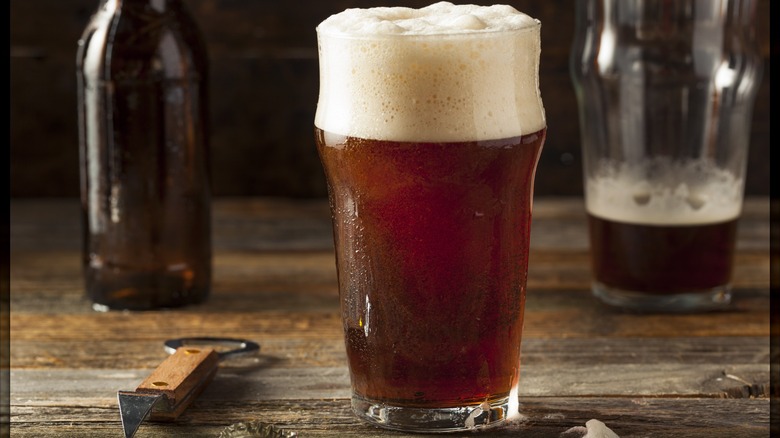
Saisons, porters, and stouts might feel like the more considered choices for pairing with steak, but sometimes you need something laid-back that doesn't assert itself too much and still delivers the goods. This is where a brown ale would serve you well. While other steak-friendly beers are eager to make a splash, brown ales dip their toes in everything, hitting subtle but decent notes all the way through.
They're malt-driven, but not aggressively so. Rather than the heavy cocoa and roast notes you get with a porter, their malt profile is toasty, slightly chocolatey, maybe even nutty. This makes brown ales a real marvel when you need to bring out the toasty notes in the crust just a tad. They're great for steak burgers and sandwiches, melding almost seamlessly with toasted bread, browned beef, onions, mustard, and cheese.
Brown ales are also perfectly capable of withstanding the weight of a ribeye or New York strip. And because their malt profile is so restrained, they're less likely to beat these cuts into submission the way something more malt-heavy might.
Hop character varies, but it's typically dialed back. American versions can lean a little floral or citrusy, while their British cousins tend to stay firmly malt-centric. Both still deliver the nutty charm you want from a good brown ale, but American brown ales usually have a little more hop and malt muscle to stand up to fat, sear, and char, making them a near-perfect choice for barbecued steak.
Bitters
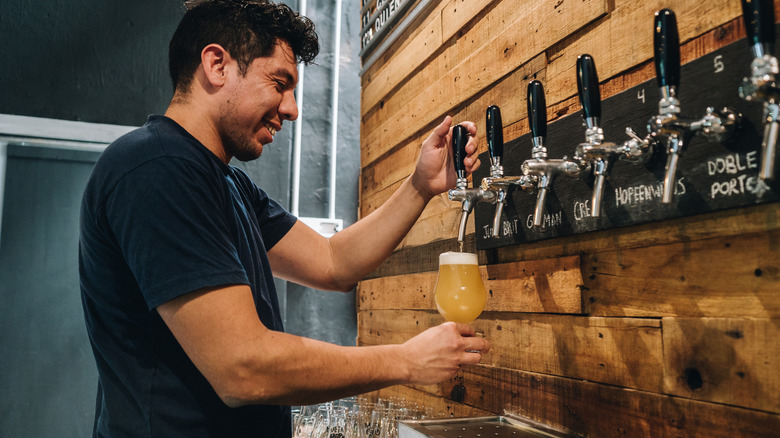
The name here does a little more talking than it probably should. Bitters are pretty breezy beers, more about balance than face-puckering bitterness. They're built on relatively subtle malts like amber, pale ale, or crystal, so they bring lightly toasty, bready, or biscuity notes rather than the deep chocolate-and-coffee drama of darker beers.
That makes them surprisingly approachable alongside steak, especially something pan-seared. The toasty notes will compliment a seared crust nicely. You'll really enjoy them with easy, pubby preparations like steak burgers or browned beef, where the crusty beef and toasted bread get a neat little lift from the beer's light caramel and bready notes.
Despite the name, bitterness is balanced nicely with malt profile. You won't miss it, but it's unlikely to take over the beer enough to make it undrinkable. The hop character here leans floral, lightly fruity, earthy; it's more perceptible in strong bitters than ordinary or best bitters. This gives them a quiet bridge to herby steak preparations. Definitely consider a bitter when you need to amp up the flavor in a steak made with rosemary, black pepper, or tarragon.
Carbonation is also on the lighter side with bitters, so don't expect them to rinse out your palate the way a busy pilsner might. Do, however, anticipate being lightly and adequately refreshed between bites. This subtlety makes them ideal for when you want to linger around your food a little. You'll enjoy them with something light like a medium rare steak, less with fatty, mouth-coating preparations.
Pale ales
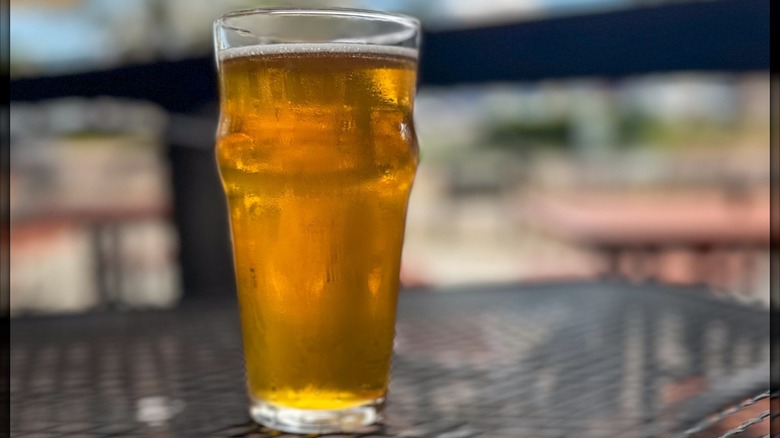
Malt-heavy beers are great for when you want to brag about how well you've seared your steak. But sometimes you want your aromatics front and center. That's when a good pale ale can come to your rescue. Pale ales are pretty hoppy, often leaning floral, citrusy, piney, or even a little spicy. These notes can really liven up bold preparations.
A good pale ale or IPA will work wonders with heavily herbed steak, especially if you've thrown some coriander, cumin, or, better yet, curry into the mix. You can also count on it if you prefer a little sauce to boost your steak. It'll play nicely with something rich, creamy, and well-herbed, like béarnaise sauce. The hops will add an extra zing to the spice while the restrained body and smooth finish help hurry things along on the palate.
Pale ales are not all made the same, of course, so you've got plenty to pick from depending on the cut and what you prefer to highlight. A hazy IPA will serve you well with rich, well-marbled cuts like ribeye; its bitterness and hop character helping cleanse the palate between bites. Unlike a classic American pale ale, a hazy IPA also has a much fuller body, so it's able to go toe-to-toe with beefier cuts and is unlikely to be intimidated by the juicy burst of medium-rare flavor. A British pale ale or IPA, meanwhile, brings a touch more malt flavor than the rest of the pale ale family, so reach for one if you'd like to highlight the crust in something like a steak burger or seared sirloin.
Stouts
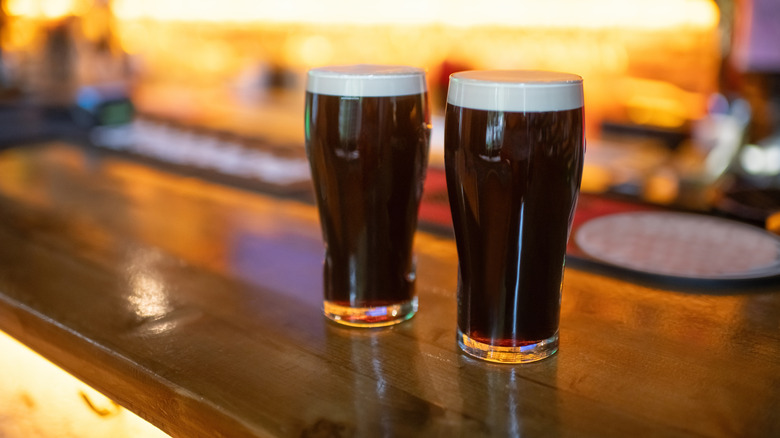
Some beers are great for enjoying steak in a more laid-back way, but when you're sitting in a dimly lit steakhouse, you want something a little more assertive to mark the occasion. That's where a good stout falls into step. Built from roasted grain, stouts bring plenty of roast to the party, often carrying dark chocolate or coffee notes. They work with broiled or grilled steak, as the charred and browned notes are heavily amplified by the beer's roasty edge.
Stouts are strongly malt-driven, yes, but not every one is laden with the stuff. An Irish stout, for instance, doesn't carry quite the same heft as an imperial or American. Try it when you want something for beefy but leaner cuts like porterhouse, shell steak, or skirt steak.
You want to be extra careful with malt-heavy, full-bodied stouts. They bring a lot of backbone and can easily drown your entire dish in malt, cream, and bitterness. These are best saved for cuts that can take a heavier punch. Hanger steak, for instance, is pretty unlikely to be overpowered by a big American stout.
Creamier, fruitier oatmeal stouts, on the other hand, work well with spiced preparations. Their earthy oatmeal smoothness can blend beautifully with herby seasonings, while the sweeter finish can help soften chile heat (though don't expect a stout to save you from an aggressively peppered dish). They're a little lighter and less malt-driven, so you might be able to get away with pairing them with a delicate cut like filet mignon, though it might help if the dish is on the saucier side.
Pilsners
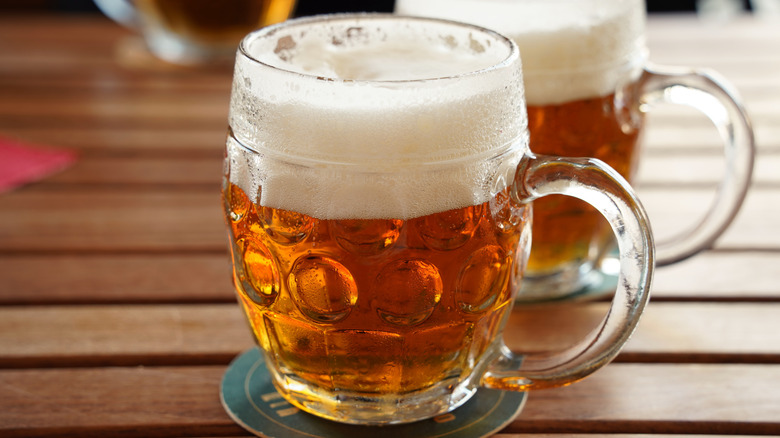
Sometimes you want to linger over your steak and let all those rich, browned notes roll around. That's when a heavy, malt-forward beer like a porter or stout makes sense. But a ribeye or butter-basted strip can get obnoxiously mouth-coating when paired with something full-bodied, roasty, and creamy. This is where a good pilsner enters the conversation. Brewed from pilsner malt, pilsners are crisp, clean, and almost snappy. Their carbonation is pretty high, giving them a startlingly effective ability to cut through richness, fat, and salt.
You'll really enjoy pilsners with rich, well-marbled cuts like ribeye or New York strip, especially when you need a proper palate rinse between bites so the richness doesn't wear you out. And, of course, something crisp and clean works with leaner cuts like sirloin or filet mignon, lending brightness and snap without burying the beef. A Czech or Bohemian pils will also work pretty well if you really can't bear to give up tasting the crust. They tend to lean a little maltier with lightly toasted, honeyed, or biscuit-like notes, which can give those browned edges a respectful little nod.
Amber ales
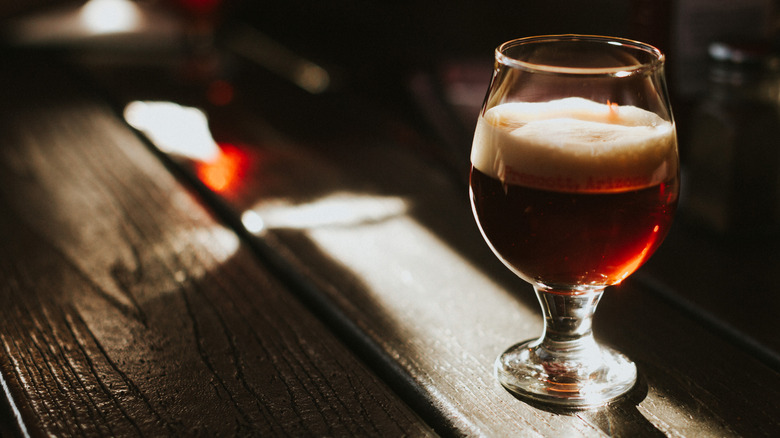
You've got your stouts and porters for richness and body and your IPAs for aromatics and crispness. But what if you don't really want to stray too far in either direction? Well, say hello to the humble amber ale. These beers bring restraint and harmony. They're built on pale ale malts, which give them caramelized, toasty notes that can amplify the roast and char of a steak without shoving the whole thing into cloying territory.
But amber ales are not all malt and body. They may not give you the full bubble-fireworks display of a pilsner, but they still carry enough carbonation to give your palate a nice lift between bites. You'll especially enjoy them with juicy, moderately tender cuts like T-bone or prime rib, where the balance in the meat lines up beautifully with the balance in the beer.
That balance also makes them really versatile. They're a safe bet for a lavish steakhouse dinner and won't look out of place with dim lighting and heavy cutlery. But they're just as comfortable pulling up a lawn chair at a backyard cookout or keeping you company through a solo Tuesday-night steak dinner.
And though there are times when steak sauces just don't make sense, an amber ale won't make you regret loving them anyway. It'll go particularly well with something lightly spicy and creamy like toum, but you can absolutely try it with hot sauce.