

13 Biggest Mistakes You Can Make With Your Convection Oven
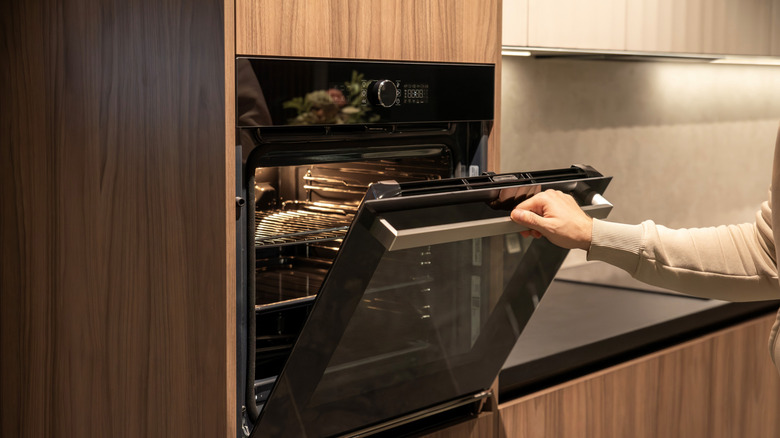
Air fryers might have well and truly taken oven the golden crispity-crunchity game, but, before they came onboard, there was another marvel of airflow engineering ruling the roost: Convection ovens.
Now, these might look like your standard oven, but don't let the copycat exterior fool you. Convection ovens operate on a completely different principle. Instead of letting heat lounge around the oven cavity, they whip it around, creating a sort of wind tunnel effect that strips down the lazy little buffer of cool air that would normally slow down surface cooking. This means bye bye oven hot spots and hello vegetables that come out looking like they've been kissed by fire.
But, before you dash to the store to splurge on one, there is a bit of a learning curve involved. Sure, you can carry over some of the skills you use for conventional ovens, however, because their mode of operation is a tinge different, you might need to change your step quite a bit. To sway you the right way, we've rounded up a few of the biggest mistakes folks make with these bad boys, so you can breeze right through cooking with one.
1. Forgetting to lower the temperature
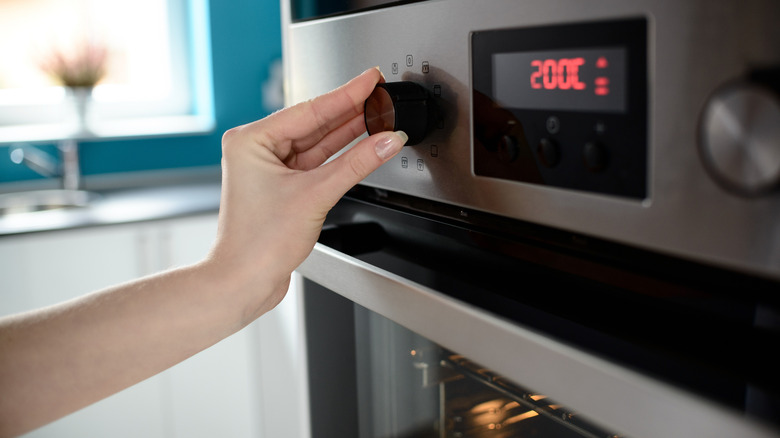
Switching from a conventional oven to convection is not really the straight swap you might think it is, and the best — and perhaps most humbling — way to find that out is by carrying over the temperature settings you'd use for the former to the latter. Because convection ovens are built to hustle air around your food, rather than simply envelop it, temperatures can get extremely aggressive. Where that tangles things up is that recipes typically have conventional ovens in mind, so going strictly by the book can quickly end with you overcooking, or, in the worst cases, completely singeing your food.
The stakes are especially high with baked goods and vegetables, which can go dry, leathery, and over-browned at the edges while the middle is still very much a work in progress. To get around this, most manufacturers recommend dropping the recipe temperature by about 25 degrees Fahrenheit. Of course, this isn't a take-it-or-leave-it kind of rule. When set to convection-bake, many brands will default to lower temperatures and cooking times, so it's important to check your user manual before you accidentally double-adjust and send things into lukewarm territory.
2. Crowding the pan
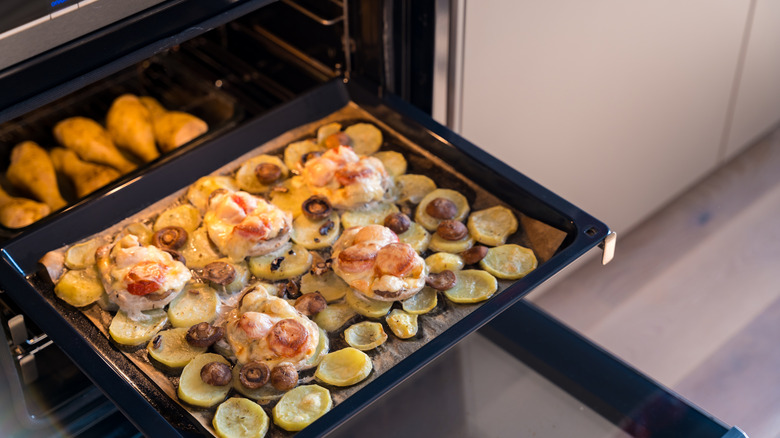
Like with other cooking methods, how you arrange food in a convection oven plays a huge part in how a recipe will pan out. Crowding is, of course, one of the biggest non-starters. Convection ovens rely on steady airflow to really strut their stuff, so you need enough space between pieces of food so hot air doesn't have to elbow its way in. Pack everything too densely, and you create little food traffic jams where air can barely get through, cutting down the amount of convective heat you have to work with. That slows surface moisture loss, which means less browning and crisping.
Things get especially dicey with water-heavy vegetables, like eggplant, mushrooms, and zucchini. Because these tend to dump a lot of moisture into the pan, crowding them can trap liquid in place, causing them to steam rather than crisp up. Skin-on poultry is also likely to have a pretty tough go of it in a crowded pan, since rendered fat can pool around the pieces, turning the skin flabby and gray instead of crisp and golden.
Heat uniformity is also completely derailed when you crowd the pan. Uneven airflow can cause some parts of the oven to run hotter than others, which flies in the face of what convection ovens are supposed to do: Foster more even heat distribution. As a result, you might end up having to rotate your pan a lot more to get an even cook.
3. Not rotating your pans
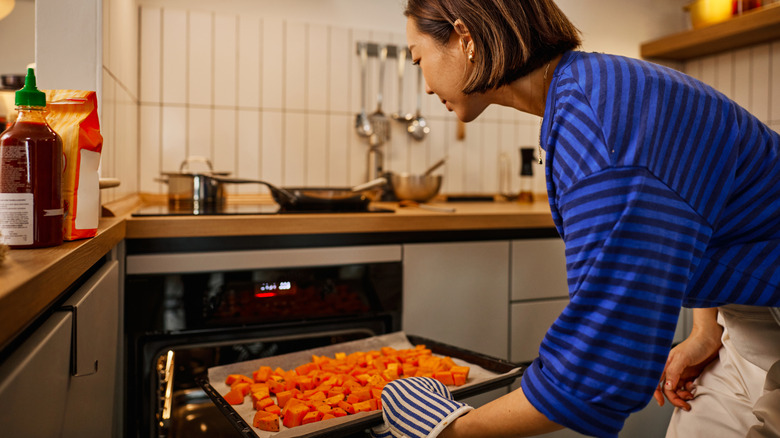
The general understanding is that convection ovens solve an age-old conventional oven problem: Uneven heat distribution. But, despite everything you might have heard, one of the biggest oven mistakes you can make is assuming heat distribution in a convection oven is even to a fault. Factors like oven geometry, airflow design, and heating-tube positioning can affect airflow patterns, and, ergo, how evenly heat is distributed in the oven cavity. That's why it's especially important to rotate your pans at least once during the baking cycle. This way, no part of your food spends the entire cook time trapped in the oven's hottest air lane or sulking in a low velocity dead zone.
The extent of vigilance, of course, varies from dish to dish. Cookies, crackers, scones, and other pastries that depend on even browning are especially vulnerable, and may need a quick switch to even out browning. Also at risk are foods that need even crispiness — think fries, potatoes, tater tots, chicken wings, and breaded frozen foods. If some patches get more moving hot air than others, you can end up with a mishmash of crispy, firm goodness, and soggy, floppy nastiness. Dense casseroles, braises, and lasagnas are a little less sensitive, since even surface browning and all-over crisping aren't exactly their main draw.
4. Stacking too many trays at once
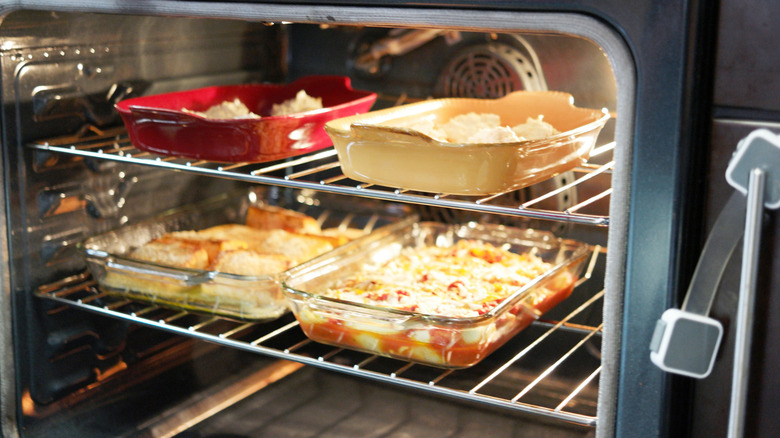
One of the marvels — and perhaps the biggest draw — of convection ovens is that they make multi-batch cooking possible. So, it's easy to assume it's basically a free-for-all: Stack in as many trays as the thing can hold, however you want, then walk away feeling smugly efficient. But, loading a convection oven properly isn't quite that unceremonious.
Stacking too many trays at once can create a sort of awning effect, where the upper trays shield the lower guys from heat and airflow, while the lower trays disrupt air moving upward. Food loaded at the top can end up with pale, almost raw bottoms, while food stacked at the bottom can come out partially burnt underneath and chalk-pale on top
Of course, you can manually compensate by rotating your pans frenetically. But, that can end up being counterproductive, since you'll have to open the oven door multiple times, disrupting the temperature, lengthening your cook time, and giving yourself an unnecessary upper-body workout. Your best bet is to stagger the positioning of your pans so none sits directly on top of another. As a general rule of thumb, manufacturers recommend leaving a couple inches between pans to encourage airflow and even out heat distribution.
5. Opening the door too often

Much as you'd like to, you really can't avoid opening the oven door during a cook, especially a long one. But, whether you're swapping racks, basting, checking for doneness, or simply unable to cope with the idea of leaving your food unsupervised, it's important to keep those peeks to a minimum. Each time you open the door, a rush of hot air escapes, which some sources say can tank the internal temperature by as much as 50°F. Convection ovens are especially touchy here, since many models respond by cutting the fan — and sometimes the heating elements — the second you leave the door hanging open.
Your oven will, of course, need time to recover from temperature dips. This lag time can throw off timing and leaving you guesstimating exactly when your food is done; a surefire way to end up over- or undercooking it. Doneness isn't the only thing you've got to worry about, though. Baked goods with delicate structures, like cakes, muffins, and popovers, are pretty vulnerable to temperature shifts since they require a steady supply of heat to rise and set properly. A sudden temperature drop can, for instance, cause a sunken cake or interfere with browning enough to leave you with patchy, uneven color. And, let's not forget that ovens can really push up your utility bill. Unless you're Scrooge McDuck, your wallet won't appreciate you letting paid-for hot air leak out every two minutes.
6. Skipping the food thermometer
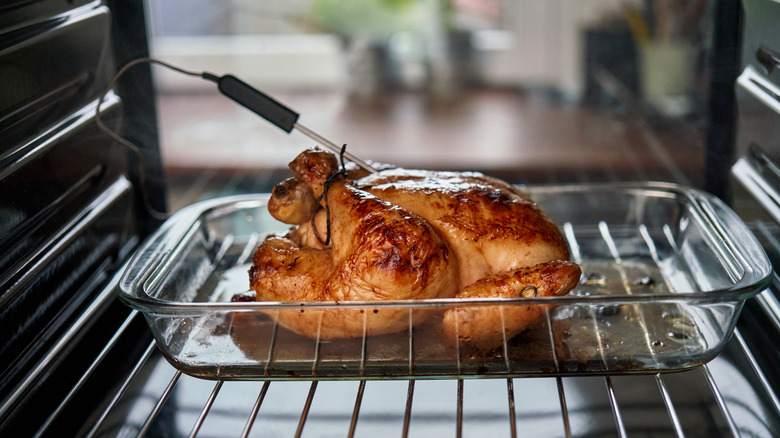
Everybody's got their own doneness ritual. For some folks, a quick squint through the oven door is enough to decide whether dinner is ready to join society. That may fly in a conventional oven, where surface browning tends to happen more gradually and often keeps rough pace with the interior. But, when it comes to convection ovens, appearances can be deeply deceptive.
All that swirling air in the oven cavity is great at stripping moisture from the surface, creating prime conditions for the Maillard reaction to really strut its stuff. The interior of your food, on the other hand, still relies on heat transfer through the old-fashioned way: Conduction. That means the surface can look fully brown, crisped, and ready for plating while the middle is still miles away from catching up.
That's why you really can't skip using a food thermometer with convection ovens. This is non-negotiable for meat and poultry, where hitting the right internal temperature can be the difference between a savory dinner and food poisoning clad up as one. You also don't want to freestyle it with foods that keep cooking after they leave the oven. Large roasts and casseroles can coast upward in temperature as they rest, and without a well-calibrated food thermometer, you might not realize you've overshot until dinner is well and truly overcooked.
7. Using the wrong types of pans
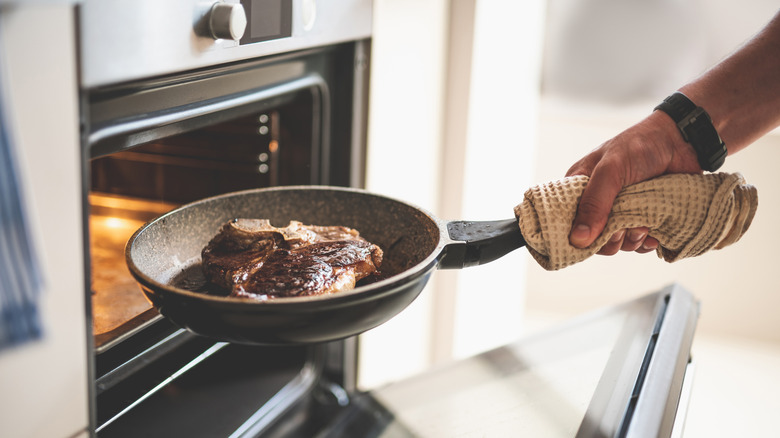
Equipment matters whether you're muscling a large roast into the oven. And, sure, you've probably figured out which pans play nicely with your conventional oven. But, if you're trying to get the most out of convection, the ball game changes a little. Since airflow is what gives food that convection glow, your pans need to leave enough room for hot air to sashay through.
That means high-walled pans are mostly out of the question, especially if you're chasing deep browning. Opt instead for low-sided or flat sheet pans to encourage airflow. You've also got to steer away from solid pans if crisping is top of the agenda, or you might end up with food that looks perfectly crisp on top but limp and flabby on the bottom. Instead, go for perforated trays, oven baskets, or, if those are inaccessible, a wire rack set over a sheet pan.
Pan geometry is, of course, not the only thing you've got to keep in check. Material and color also play a huge role in how your food ultimately pans out. Dark-colored pans are heat magnets, which makes them handy for foods that need deep browning and crisping. Shiny, bright, and smooth pans reflect radiant heat, making them a better go-to for foods that need just a hint of browning, like cakes, cookies, and small pastries. Glassware and stoneware, meanwhile, retain heat, so save them for dishes where slow, steady, or carryover heating is the main point.
8. Not cleaning often
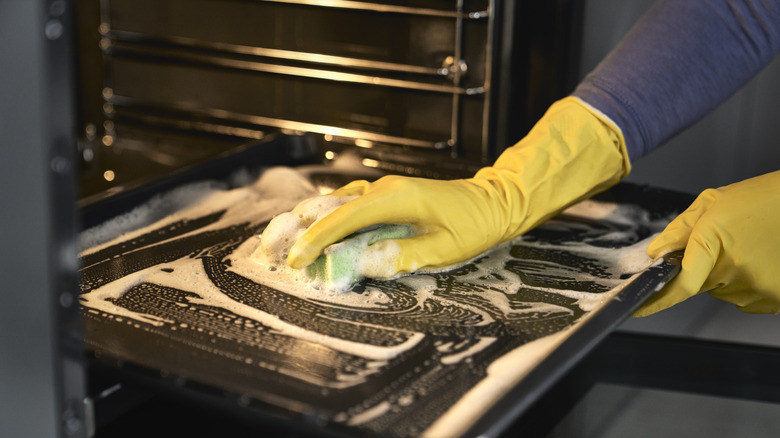
Convection ovens may be on the sturdier side of kitchen appliances, but even they aren't immune to the slow march of time. Moving parts degrade, performance slips, and ultimately that new-appliance aura wears off. But, if your oven is losing its edge only months after purchase, you may be making arguably the biggest mistake you can make with a convection oven — or really any kitchen appliance: Not cleaning it often enough. How often is good enough? Most manufacturers recommend a deep clean every three months, but if your oven is pulling serious kitchen duty, don't make it wait that long.
Why should you do it? Left alone, grease can accumulate inside the oven cavity, and considering how aggressive the temperatures get in there, that's a pretty efficient way to start a fire on your next cook. Even if things don't get that dramatic, built-up grease and grime can smoke when heated, releasing stale, burnt odors that might end up seeping into your food. A greasy oven can also take longer to heat up, dragging out preheat and cook times while quietly beefing up your utility bill. And, good luck trying to optimize airflow in an oven that's basically a nesting doll of old dinners. Grease buildup can block vents and slow air movement, creating hot and cold spots that lead to patchy browning and wishy-washy roasting.
9. Cooking the wrong foods

Convection ovens are a marvel of efficiency, sure, but even they aren't faultless. They're great for foods that thrive on surface browning and crispiness — think roasted vegetables, skin-on poultry, fries, and tots — but, they're a lot less friendly with foods that need gentle, sustained heat. Soufflés, custards, and cheesecakes are among the riskiest foods to cook with a convection oven. All that swirling heat can disturb their rise, dry out the surface too early, and distort the texture.
Cakes, especially those with delicate layers, also need a little finesse to get out of a convection oven in one piece. The blast of hot air can, at the very least, toughen up the crust — or, at worst, cause the edges to rise and set faster than the center, leading to doming. A convection oven is also a bad bet for uncovered casseroles, braises, and really any other foods that need moisture retention, since one of the first things it does is strip away the moist exterior around the food. And, since these types of foods often require solid pans with high walls, they're likely to cook up pretty patchy in a convection oven. Blasted with heat, the walls of the pan can cook the exterior faster than the interior, giving you a mish-mash of overcooked and undercooked bits.
10. Not preheating the oven
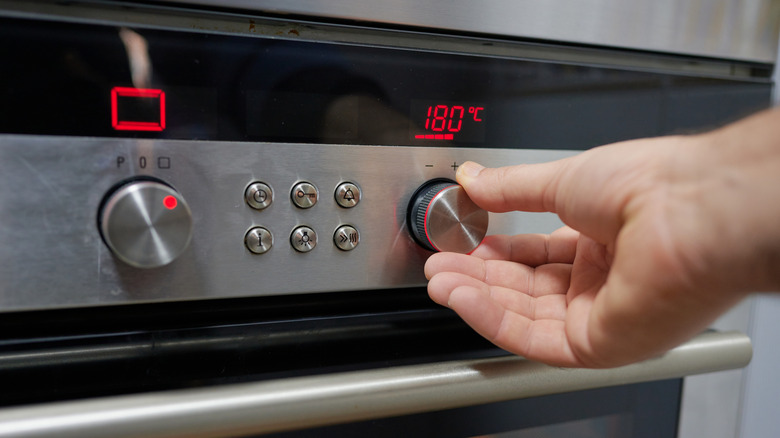
Sometimes you really don't have the patience to stand around while the oven drags itself up to temperature. It's tempting to just press the power button, toss the food in there, and let vibes handle the logistics. The temptation is even stronger with convection ovens, since they can ramp up pretty quickly once the power comes on. But, don't fall for it. The fan might be huffing hot air, but the walls, racks, and overall cavity still need time to get fully settled.
Preheating is especially non-negotiable for baked goods. These rely on a very specific heat and mass transfer process. Starting out in a cold oven may, for instance, cause cake batter not to rise at the intended pace, giving you a dense, chewy result. Bread also gets a little finicky when you don't preheat. Dough expansion and crust formation are pretty time-sensitive, and if the heat supply drags on, you might end up with a heavy crust and stunted oven spring.
Braises, covered casseroles, and stews might let you go scot-free since the moisture is doing most of the work. But, if you're trying out a new recipe, it's best to give the oven its preheat time. Starting out in a cold oven means a chunk of the listed cook time goes to warm-up, so you might end up guesstimating doneness, rather than knowing for sure.
11. Not adjusting cooking time
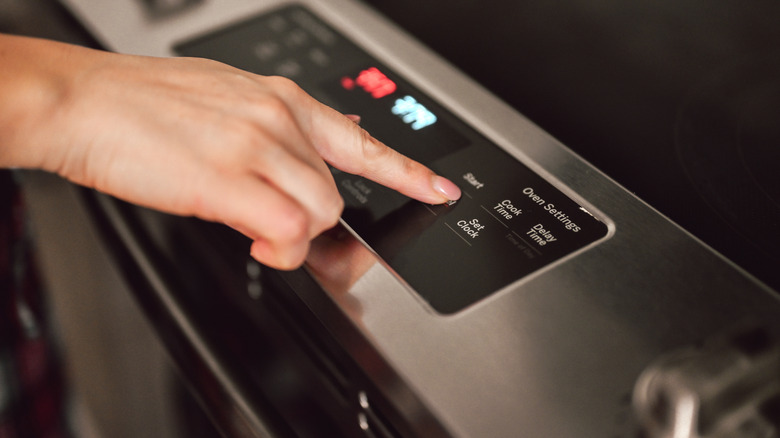
Conventional ovens tend to drag out cook time because they rely completely on plain old radiation and natural convection to cook your food. Convection ovens, on the other hand, get an extra oomph from the fan, which ramps up surface browning and heat conduction to the interior. This means if you stick too closely to the listed time, you might end up with food that's a little charred and overcooked.
Experts often recommend reducing cooking time by about 25%, especially for foods that require precise timing, such as cookies, muffins, cakes, biscuits, and crackers. Recipe timing should also be adjusted for delicate proteins, like lean fish, which can dry out quickly when subjected to convection's more aggressive heat. Roasted vegetables, tots, and breaded frozen foods also shouldn't stay in a convection oven longer than necessary, as they can turn from crispy and golden to dry and scorched.
Of course, this isn't a cardinal rule. A roast, for instance, doesn't require as much time tweaking, but you should still check for doneness a lot earlier than you normally would so you don't end up shooting past the window of doneness. Covered casseroles and braises also don't require quite as much vigilance. The liquid and lid tend to blunt surface drying, so they're less likely to succumb to a few extra minutes in the oven.
12. Blocking the fan, vents, and rack openings
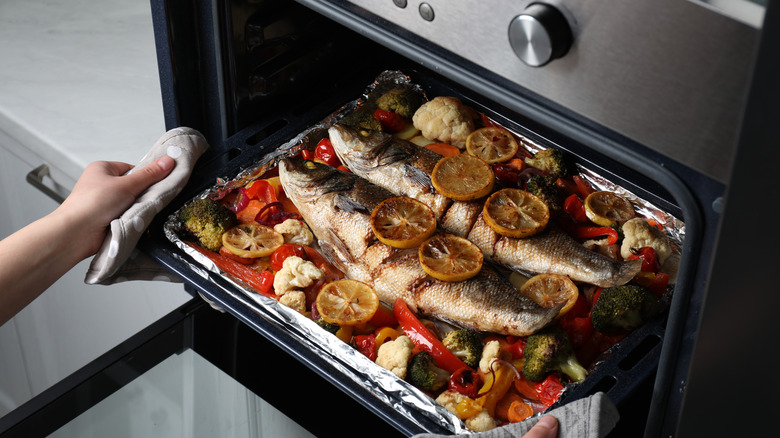
A convection oven might be one of the more straightforward appliances in your kitchen, but it' inner workings aren't quite that breezy. There are a lot of moving parts here; the fan, the vents, the heating elements. This ensemble depends on continuous, uninterrupted airflow, so you've got to make sure you're not actively working against it.
That means, no matter how desperately you want those cookies ready, you can't use a sheet pan that covers the entire rack. This can disrupt airflow inside the oven cavity, leading to patchy browning and longer cook times. You've also got to let the fan do its job, which means cookware shouldn't be parked so close that it blocks the airflow. Same goes for the vent: It needs room to breathe. Otherwise, hot air can get trapped inside, which might mess with temperature control and chip away at your oven's lifespan.
13. Using the same settings for every food
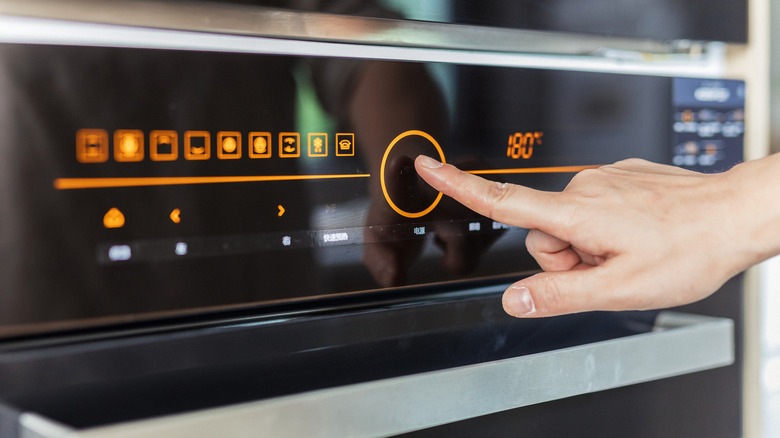
You've got plenty of options to play with when using a convection oven, as these bad boys usually come loaded with a whole roster of tricks. But, you've got to know which setting works best for a particular type of food. Convection roast, for instance, plays beautifully with foods that like big heat, bold browning, and crisping; think roasted vegetables, poultry, or heavy roasts. But, it's a pretty bad bet for foods that need a gentler hand, like cookies, pies, and pastries.
Convection broil, on the other hand, generates a lot of topside heat, so don't use it for delicate foods that dry out quickly. Some ovens also come with an air fry setting, which can send rough blasts of hot air through the cavity; great for crisping chicken, but horrible for foods with loose, fragile toppings, like shredded cheese, streusel, or finely chopped nuts.