

10 Mistakes To Avoid With Your Cast-Iron Skillet
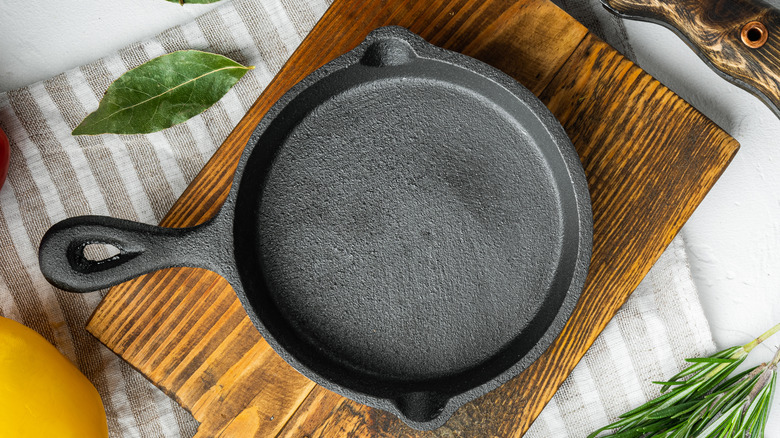
Cast iron is one of the most beloved and misunderstood of all the metals used for cooking. The metal is long-lasting, retains heat well, and forms a non-stick surface when seasoned properly. It also rusts easily, takes a long time to heat up and cool down, and can become sticky if not seasoned well. Because of all this, some cooks think it's too fussy for everyday use or too hard to care for in general. Luckily, the truth is that the cookware is much less difficult to use than the misconceptions would have you believe, although there is a learning curve if this is your first cast-iron cookware.
These tips will help you skip some of the most common mistakes people make when using a cast-iron skillet. You can practice by using your cast-iron cookware to make everything from paninis to pizza, classic Salisbury steak, pancakes with a beautiful crust, or burgers with the perfect sear. Before you know it, the cast-iron skillet just might be your new favorite pan to reach for.
1. Not washing and seasoning the pan before the first use
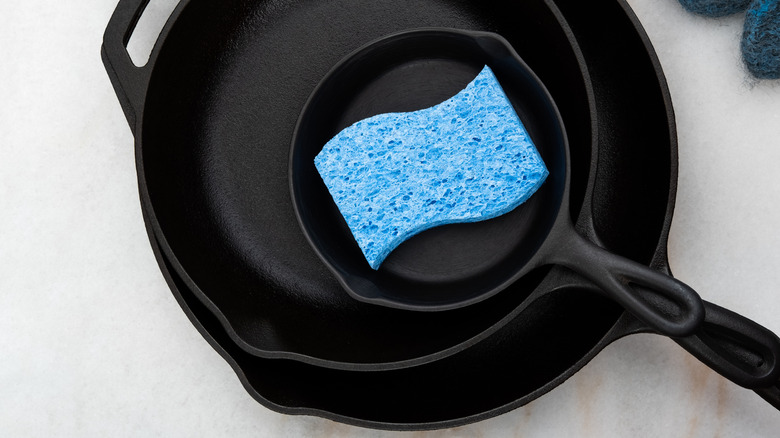
Today's cast iron often comes pre-seasoned. But even that factory-fresh layer of protection for the metal can be improved by giving the new pan a good wash and a light seasoning prior to the first use. While washing the pan might sound like you'll be washing away the coating, you'll actually be giving it a refresh. Cast iron is porous, so as smooth as the surface of that new skillet may look, it's pebbled and filled with pockets waiting to trap food if they aren't sealed with oil properly. That's where seasoning comes in.
Thin layers of oil build up over time to form a coated surface that becomes virtually nonstick when preheated. To season the skillet for the first time, preheat the oven to 450 F, with a rack in the middle. After washing and thoroughly drying the pan, use a small amount of a neutral oil, like grapeseed, and spread it over the entire skillet with a paper towel.
After the skillet is coated in a very thin layer of oil, place it upside down in the oven on the middle rack for around an hour. When the hour's up, don't open the oven door quite yet. Allowing the skillet to cool down in the oven for around 15 to 20 minutes will help the oil to solidify into a layer of seasoning. If the skillet is sticky after is cools, you can repeat the baking part of the process to remove the extra oil.
2. Not drying the pan thoroughly
Cast iron's uneven, porous surface is unprotected without its layers of seasoning, and the bare iron is susceptible to rusting, as even a little water can seep into the surface's openings. Combined with oxygen, the water forms rusty spots on the metal, causing unsightly areas that can leave your food tasting less-than-ideal. To avoid your skillet forming any of those spots, completely dry it with a dishcloth after each wash. You can then put the skillet in a still-warm oven or place the skillet on a lit stove burner for a few minutes to complete the process.
If you have an older skillet, don't despair if it has a few rusty spots. The right tools, a little elbow grease, and some time will have it looking new again. But more on that later. For now, know that rust on cast-iron is far from the end of the cookware. And by ensuring the iron is carefully dried after each use, the odds of rust forming are low, making this a problem that's easy to sidestep.
3. Forgetting to preheat the skillet
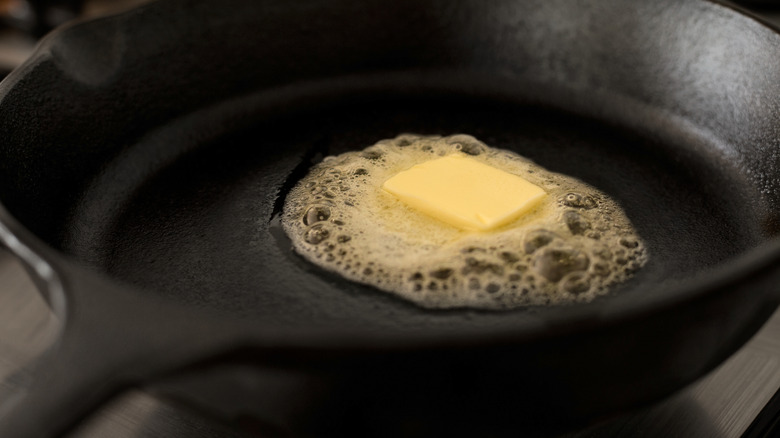
Preheating is essential for cast-iron cookware. Slowly allowing the skillet to reach cooking temperature protects the iron from cracking due to the thermal shock that happens when a cold pan is placed into or onto high heat. Not preheating cast iron also means that the porous surface soaks up oil, develops cold spots, and makes food stick when protein gets caught and cooked into microscopic holes on the skillet's surface. That negates the purpose of using cast iron, so a good preheat is a necessity when using the cookware.
To successfully preheat your skillet, put it in a cold oven and heat the oven to 400 F or 500 F, depending on whether you want to cook a meal as usual or sear a steak. Preheating to 400 F before putting the hot pan on a lit burner or adding oil to cook will ensure the entire skillet is evenly heated, with no cold or hot spots. Heating the pan to 500 F before moving it to a burner lets you create an incredible sear on steaks, burgers, and pork chops.
A preheated pan is also great for baking bread or making a deep-dish pizza. Just remember to remove the skillet from the oven a few minutes earlier than usual to keep the bottom and edges from burning. Don't worry about the middle not cooking through because the residual heat from the cast iron will finish the dish with no problem.
4. Cranking the heat too high for everyday cooking
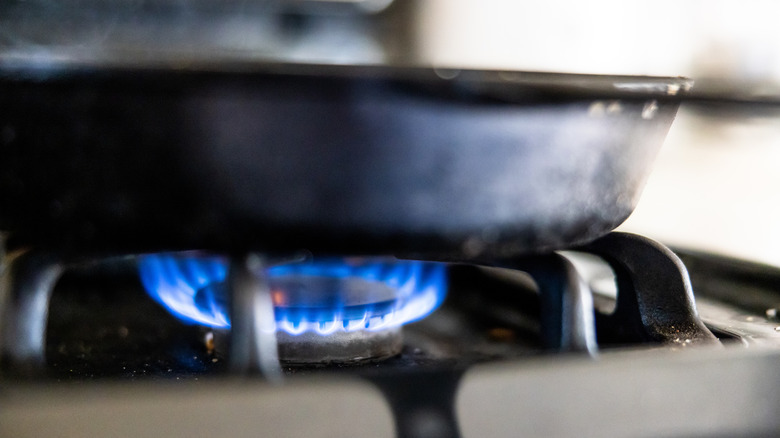
Cast iron is incredibly durable and retains heat at a consistent temperature throughout cooking. But unless you want to get a great sear, using cast iron over very high heat will only burn your meal. Actually, because the metal is so good at holding heat, it helps to turn down the burner a bit after pre-heating to avoid overcooking.
Cast iron radiates heat off its surface at a greater rate than other kinds of cookware, a property called heat emissivity. That extra heat conducting from the surface of the skillet into the food cooks the ingredients faster and can easily burn the meal over a too-high flame. The cook can be burned easily, too, so be sure to use an oven mitt or pot holder when handling a skillet. Even after you expect it to be cooled, the cookware's ability to retain heat can surprise you.
5. Not using the skillet often enough
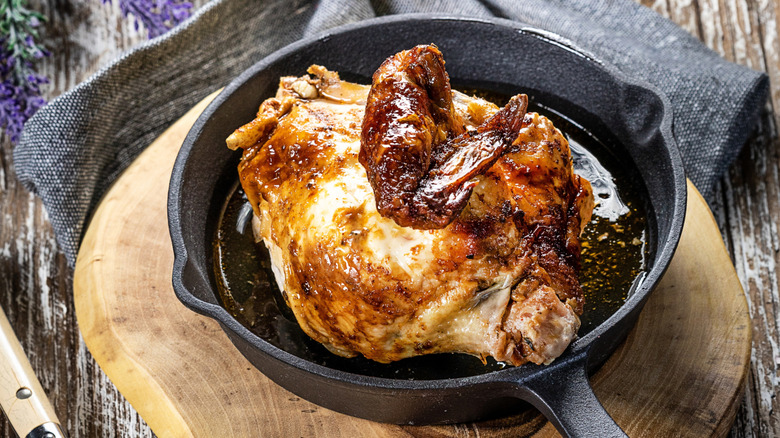
Ultimately, the amount of time it takes a new skillet to go from having food stick on it to having eggs slide out with ease depends on the care you take when repeatedly seasoning it and how often you use the cookware. Cast iron's heavy nature makes it sturdy enough to be used daily, and heating it properly helps keep it from cracking, ensuring you'll have it for years to come.
One of the best ways to keep cast iron well seasoned is to keep it in your regular cooking rotation. Over time, using the cookware lets it build up a thick protective coating as oil adheres to the surface in a process called polymerization.The layers of oil essentially become non-stick or plastic-like, but only after the pan has been heated properly. No matter how well seasoned a skillet is, starting food in a cold one is going to make it stick.
6. Forgetting to re-season the skillet
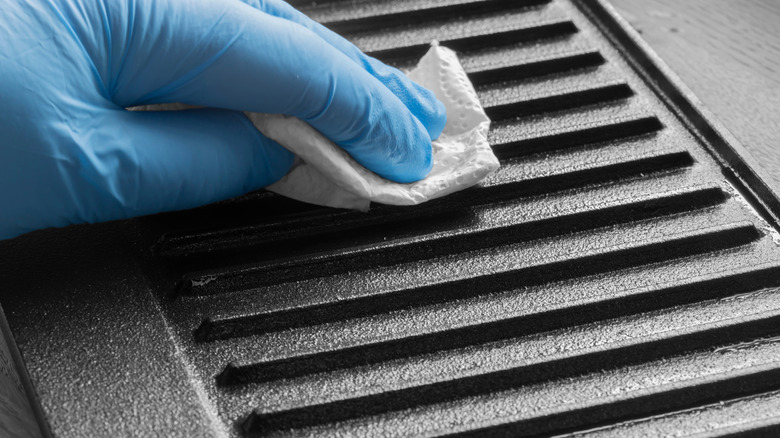
Nothing lasts forever, so while a good skillet will build up seasoning over time, part of that process is re-oiling and repeating the process often to help create the nonstick layers. To keep your pan in good condition, wipe food residue out of it when the pan is still warm, but not hot. Wash the pan, dry it thoroughly, and wipe it down with a bit of neutral oil, like flaxseed. Just like seasoning the skillet before the first use, heat the oven to 450 F and bake the pan upside down for an hour.
You can line the bottom of the oven with foil or place a rimmed baking sheet on a rack below the pan to catch the extra oil. This will keep the oil from accidentally starting a fire or just causing an unpleasant smell in the kitchen. If you have a kitchen fan or can open a window during the seasoning process, it helps keep smells down and a constant airflow through the area in case of any smoke from rouge drips.
7. Using the wrong types of fat to season the skillet
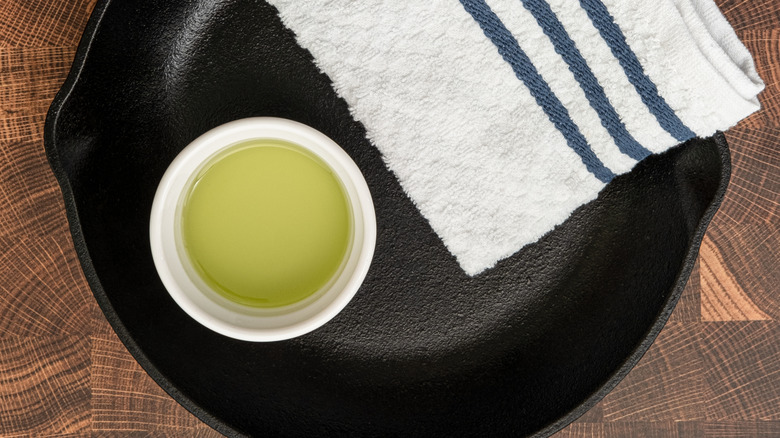
When seasoning cast-iron cookware, it can be tempting to reach for the first oil you have handy. But that would be a mistake. Animal fats, like butter or bacon grease, can overheat and break down in cast iron, causing an unpleasantly gummy layer to form on the metal's surface. Those oils' low smoke points also make them susceptible to heavily smoking up the kitchen while you sauté or pan-fry. Canola and olive oils can go rancid, causing the seasoning to impart unpleasant flavors into the foods those oils come in contact with during cooking.
To avoid those pitfalls, always use an oil with a high smoke point, such as grapeseed oil, to treat your pan during seasoning. Grapeseed oil in particular forms a hard layer when it polymerizes on the cast iron's surface. Any unsaturated fat will work well, as unsaturated fat breaks down efficiently under heat. Its molecules stack together to form the non-stick layer and protect the iron from rusting.
8. Cooking highly acidic foods in it
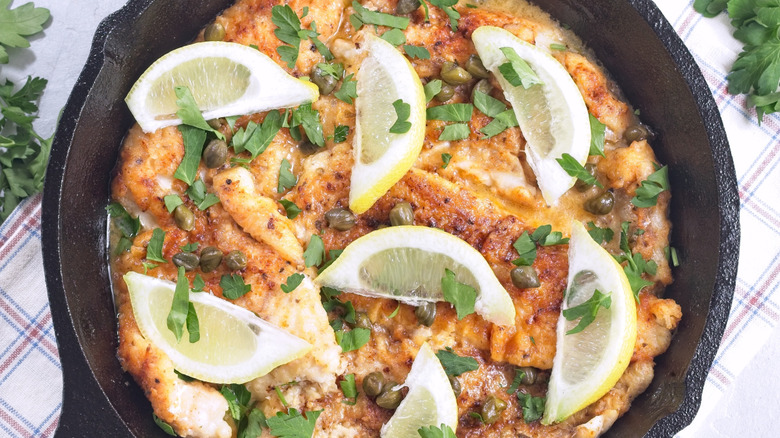
Acidic foods are a tricky thing in cast iron. While some say that simmering things like tomato sauce will break down the seasoning and leach metal into the meal, the truth is more complicated. Cast iron is a reactive metal, meaning that acid can interact with the cookware and break down the metal. This releases a small amount of iron into the food, giving it a slightly metallic taste. But acid will only interact with the iron if there isn't a protective layer of seasoning on the skillet.
And here's where it gets tricky. An older or improperly seasoned pan can have bits of bare metal or flaking bits on the surface. A simple scrub with steel wool and a re-seasoning with grapeseed oil will fix the problem quickly. But cooking with highly acidic ingredients for more than 30 to 45 minutes can damage the iron, even with a good amount of seasoning. Ultimately, whether or not to use acidic ingredients is up to the cook. Limiting the time those things spend in the skillet and ensuring the cast iron is in good condition is the best way to keep any acids from causing you to re-season the cookware before you want to.
9. Being afraid to use soap on it
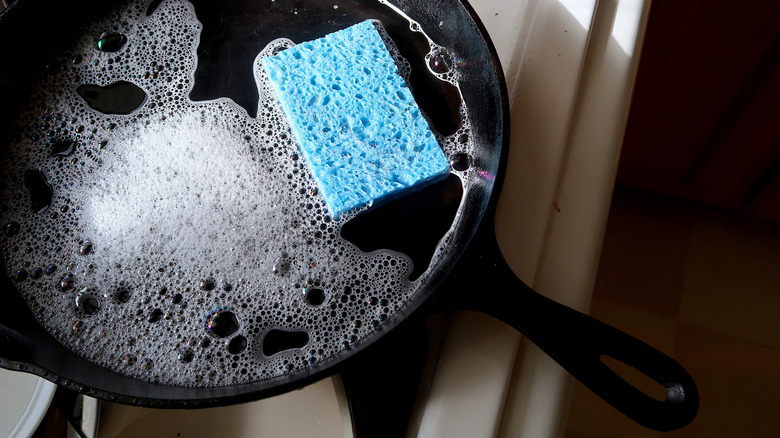
People don't commonly use soap on cast iron. This is primarily because, in the past, soap was made with much harsher ingredients, such as lye, that would strip the protective coating away. But with today's gentle dish soaps, cleaning a skillet with dried-on food on it with a bit of soap, hot water, and a gentle abrasive like baking soda, salt, or a chainmail scrubber can remove the food without damaging the iron's seasoning. Just be sure the cookware isn't submerged in water for very long, because soaking cast iron will damage the metal, causing it to rust.
When you're choosing a dish soap to use on your skillet, an unscented, gentle variety will work best on the iron. A detergent without perfume or scent will prevent any unpleasant flavor transfers from happening between the soap and the pan. A gentle dish detergent won't accidentally damage your seasoning and can be used to clean the pan as often as you cook with it.
10. Abandoning a rusty skillet
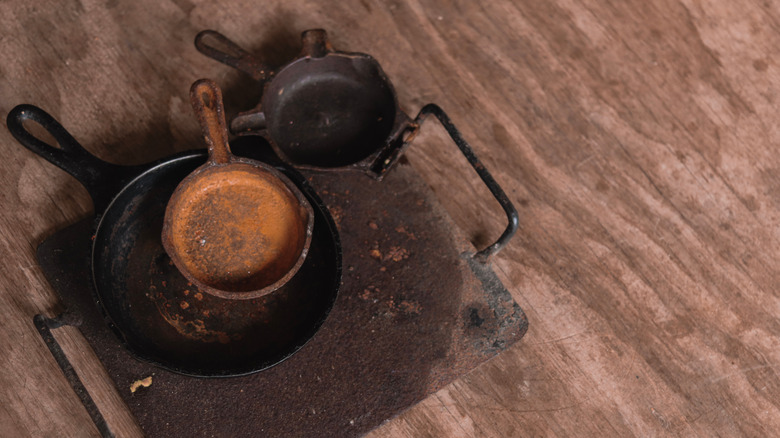
Cast iron is an incredibly durable and long-lasting choice for cookware. The skillets and pots can survive for generations, thanks to being made of the heavy molded metal. However, the material is notoriously porous and rusts easily if it isn't regularly maintained. If you've found or inherited a rusty cast-iron skillet, it can be a bit daunting to try to restore it. Don't despair, though. Unless the iron is damaged or has considerable layers of rust, you can clean a skillet with spots at home. A bit of lemon, coarse salt, steel wool, and some elbow grease can remove the rust before you re-season the pan.
If there are only a few rust spots on the cookware, you can use salt and a lemon to scrub them away. The salt is a gentle abrasive that interacts with the acidic lemon juice to break down the rust and remove it. If the rust is in a layer or in very large spots, steel wool can take the seasoning off the cookware's surface before you wash and oil the skillet to re-season it.