

The 7 Best Dollar Tree Food Shopping Tips
There is often debate on which dollar store is the best. Dollar Tree is often at the center of this conversation. Whether you are looking to find unique snacks or pick up everyday essentials, Dollar Tree offers a wide variety of products. You would think shopping here would be straightforward, with everything just being a bargain, but it's a bit more complicated than that. The chain's business model focuses on selling household staples like groceries, kitchen supplies, and electronics. Most items are typically priced at $1.25, but you shouldn't find anything exceeding $5. The reason Dollar Tree can keep these prices in this range is due to tactics like stocking foods closer to expiration, rotating inventory, mini-sizing, and other cost-cutting tricks.
If you're not aware of these factors, it can harm your shopping experience. You might waste time looking for an item that is no longer in stock, have food spoil before you cook it, or realize you are not truly saving money on a deal due to shrinkflation. The point of shopping at Dollar Tree is to save money. This guide will break down seven tips that will help you get the best bang for your buck while prioritizing the best offerings at Dollar Tree.
Check expiration and best-by dates on Dollar Tree foods
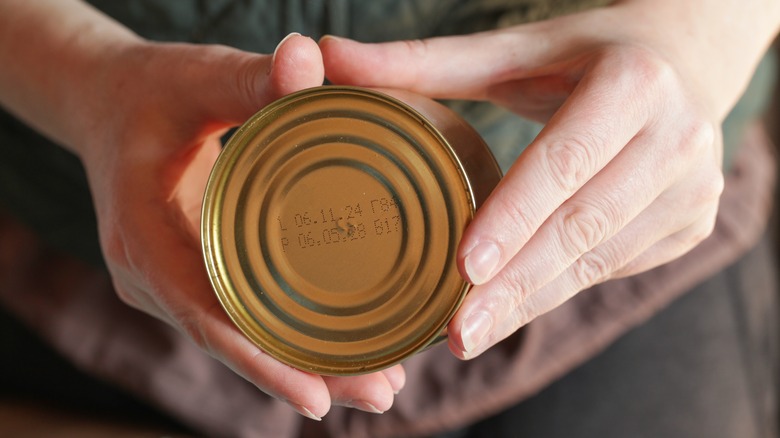
One of the ways that Dollar Tree keeps prices low is by purchasing food items closer to their expiration. Along with this, employees can be inconsistent in rotating non-priority products. Both of these factors contribute to aging stock remaining on shelves for longer than it should. In a notable case, locations in Chicago were fined for selling baby formula that was six months past its expiration date and medicine that was a year past its expiration date.
Not all food in Dollar Tree is actively molding, but always be cautious. When you find something that catches your attention, take a moment to check the expiration date before tossing it in your cart, especially for items on sale. Usually, as items come closer to their sell-by dates, Dollar Tree will add markdowns to get them off the shelves.
Buying expired food beats the point of shopping at Dollar Tree. You go here to get a bargain; buying something spoiled is a literal waste of money. If you notice an item is near its expiration date, look for another box behind it, as fresher stock tends to be pushed to the back. You can also be aware of the use-by date to avoid letting it sit in your pantry, and prepare it before it goes bad.
Stock up on spices and seasonings for value

Even though Dollar Tree's food catalog can be close to its expiration date, and the store does not sell fresh produce, non-perishable items are its strong suit. You can find real value here, especially when you start looking at the spice and seasoning section. Nearly all of Dollar Tree's seasonings are priced at $1.25, making them competitive and usually cheaper than even other budget-friendly retailers. For your basic seasoning needs like salt, pepper, garlic powder, onion powder, chili flakes, and paprika, you will find a quality offering whose price-to-quantity ratio is hard to beat.
Stocking up your pantry with Dollar Tree spices is a reliable way to maximize savings. These items have a long shelf life, so the usual concerns of expiration are not a worry. If you are an active chef who frequently goes through seasonings, grabbing a spice or two on your trips to Dollar Tree can be a good way to ensure your seasoning cabinet is always stocked and your shopping budget is well-stretched.
Stocking your pantry with Dollar Tree spices and refilling items as they run out is one of the most reliable ways to maximize savings. These products have long shelf lives, so the usual concerns about expiration aren't an issue here. If you cook often and go through seasonings quickly, grabbing these essentials at Dollar Tree can stretch your budget without sacrificing the basics your kitchen needs.
Use cashback apps and manufacturer coupons to maximize savings

Most shoppers believe that simply shopping at Dollar Tree means you are getting the lowest possible price. This isn't the entire truth. Many people overlook additional opportunities to further stretch their budget. Combining the bargain prices of Dollar Tree with outside tools allows you to maximize savings.
Cashback apps are an easy way to add extra savings. Platforms like Ibotta and Fetch let you claim rewards and cash back by uploading your receipts. They are both partnered with Dollar Tree, and though specific promotions may vary, users can still find select offers and general cashback opportunities. Over time, the cash back can add up and even pay for an entire trip on its own.
Another tactic is using manufacturer coupons. Many shoppers don't believe Dollar Tree accepts coupons because it does not print any of its own. This is a misconception. The general rule of thumb is that if the coupon comes directly from the product's manufacturer, you can use it on eligible products.
Compare the price per unit to ensure you are truly getting a bargain

Shrinkflation is one of the trickiest aspects of Dollar Tree. The store typically offers products at a set $1.25 price point, but the quantity inside the package may not be worth what you would pay triple for at a grocery store. Shrinkflation keeps the sticker price the same while quietly reducing the amount you get, which can make some items look like a deal even when the cost per unit is higher than buying in bulk elsewhere.
Before grabbing something just because it's $1.25 and thinking it's a deal, take a moment to compare the price per ounce, per sheet, or per serving with what you'd pay at major supermarkets. Some quick calculations can show whether or not you're actually saving or simply paying more for less. Being intentional with unit prices ensures you walk away with real value instead of falling for the illusion of a bargain.
Be flexible because items are inconsistent across stores

Dollar Tree's inventory can be quite unpredictable. One location can be stocked to the brim one day, and the other can be picked dry. You can then go another day, and the roles have switched. This inconsistency means that Dollar Tree is not the best store for when you need a certain item on demand.
A workaround is to always have a backup item in mind when shopping. Going in only wanting a certain brand of ketchup or candy can leave you disappointed. Knowing alternatives prevents headaches and saves time. Some shoppers even rotate between Dollar Trees to cut down on this altogether. They do this to find the one that is the most consistently stocked to their liking, or just to be exposed to the widest variety of options. Having a flexible mindset goes a long way toward making the most of what the store has to offer.
Grab extra when you find worthwhile Dollar Tree items

Because of how frequently Dollar Tree rotates items, it's common to find a great item on one trip and see it gone on the next. This constant rotation is what helps keep the prices low, but it also means that when you find something you genuinely like, it's worthwhile to stock up. When something stands out, assume it won't be there next week and plan accordingly. If you like a particular item and don't want to miss out on it on your next grocery haul, grab a couple to make sure they last, especially if you find yourself at the store after a restocking.
Use this approach primarily with frozen foods and non-perishable items, since you don't have to worry about the expiration date. Being smart about buying in bulk at Dollar Tree helps you avoid getting burned by the rotating inventory.
Make a food shopping list to avoid impulse buys

Dollar Tree's low prices can definitely make it easy to impulse buy. A quick trip for basic needs can quickly turn into $15 of unplanned purchases, which adds up in the long run. Even though the items are cheap, these purchases can undermine the savings that you go to Dollar Tree for.
Creating a shopping list before your trip is the best way to stay focused. Planning what you need and not just going with the flow keeps you on track and helps you stick to your budget. With all that said, though, it's okay to leave a little wiggle room for fun. If you find something you like or want to double down on an item you're worried will go out of stock, that's fine. The key to this is planning. Allowing a few extra dollars for impulse buys lets you stay flexible on your trips without going overboard.