

Skip Salmon: 15 More Sustainable Fish Alternatives
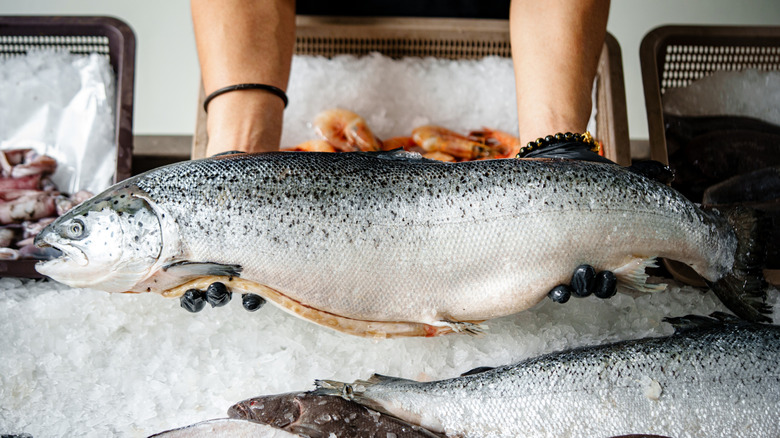
From Japan to New Jersey, salmon is one of the most in-demand, beloved fish in the world, prized for its rich flavor and succulently flaky flesh. But while it's undeniably delicious, there can be some nuances in how sustainable certain varieties are. Sourcing sustainable alternatives can be tricky, but knowing the right certifications and sources can go a long way toward purchasing the right seafood.
Salmon isn't inherently unsustainable, but an incredible amount of global demand can lead to some less-than-ideal practices. In particular, open-net salmon farms may cause environmental issues, whether that's pollution runoff, unsustainable sources of fish feed, or the spread of diseases and parasites to wild populations. One of the biggest differences between farmed and wild salmon is that wild varieties are often more sustainable, depending on the fishery, and well-managed populations are carefully monitored to ensure long-term viability. Still, New Zealand is famous for its highly rated salmon aquaculture, so it would be wrong to paint all farms with the same brush.
When it comes to sourcing other, more sustainable fish, it's often a solid idea to look for something small and fast-growing rather than something large and predatory. While some certifications may greenwash the sustainability of seafood, guidance from the National Oceanic and Atmospheric Administration can help consumers identify responsibly managed fisheries. Despite salmon's unique qualities, there are many fish out there that are more affordable and sustainable and can still be high-quality substitutes in your regular diet.
Char is one of the most delicious substitutes out there
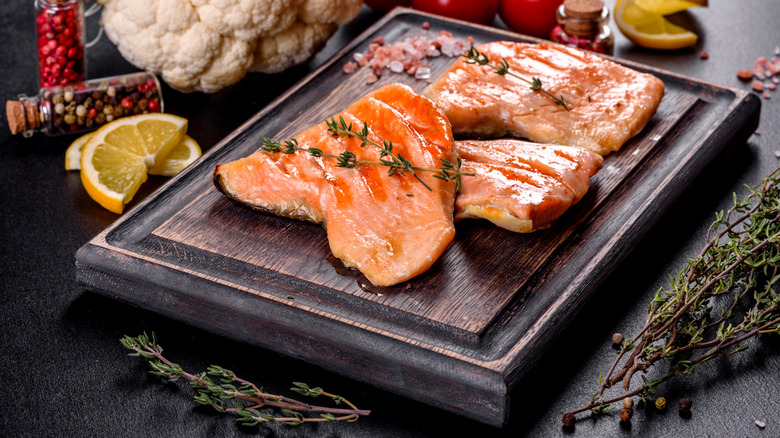
If you don't want to change up textures and taste, char can be a more sustainable fish with a mild flavor and fewer calories. As a salmonid, it's remarkably similar to salmon and has the same pink flesh, marbling, and savory skin you've already come to love.
Sardines are globally popular and versatile
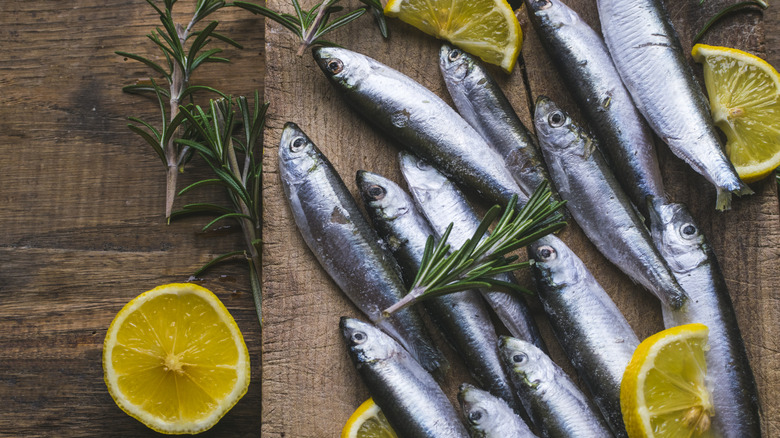
Few fish species are quite as environmentally friendly as responsibly sourced sardines, since they're small prey fish that grow quite rapidly in their first years of life. Fresh, dried, frozen, or tinned, sardines come in enough varieties that there's an option for just about everyone.
Rainbow trout is tasty and underrated
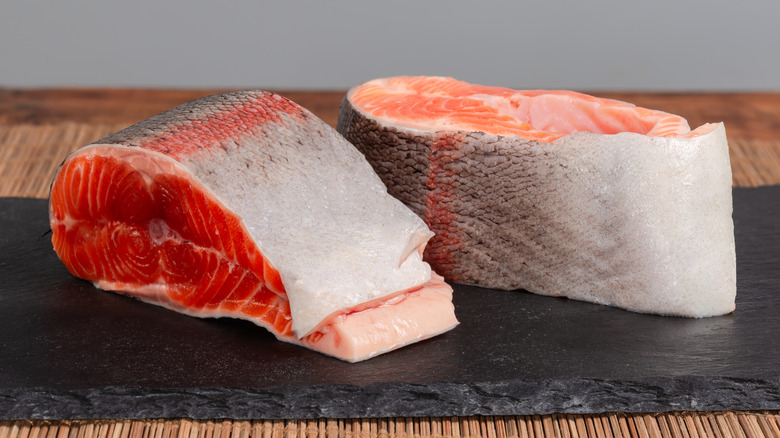
Freshwater fish get a bad rap for being milder and leaner than ocean-dwelling species, and responsibly farmed rainbow trout is about as tasty and environmentally friendly as it gets. A thick, skin-on fillet cooked with a pat of butter can be just as moist and succulent, and modern farming practices can be quite eco-conscious.
Sablefish is environmentally friendly decadence
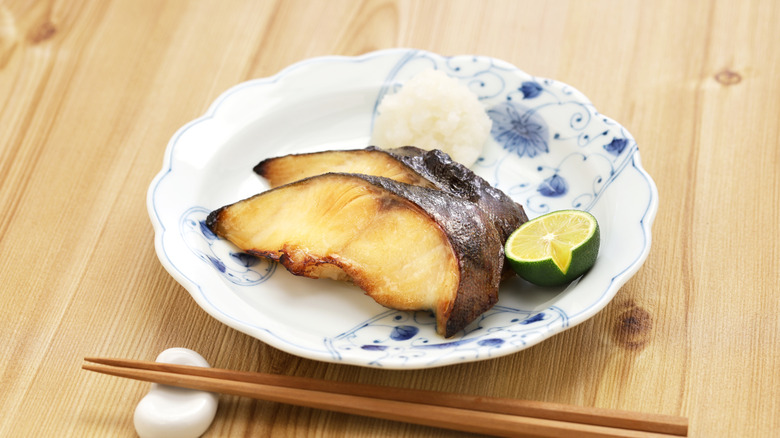
Tasting like someone managed to cross the buttery sweetness of lobster with a fish, sablefish, also known as black cod, is an ocean delicacy. Even well-managed farming operations can have a relatively low environmental impact, particularly when they use responsible feed sources and strict measures to prevent disease.
Barramundi is rising in popularity for good reason
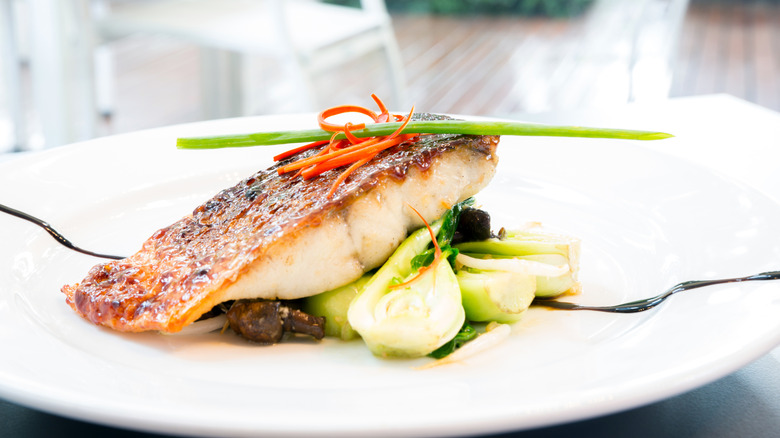
Essentially just a giant perch, barramundi is a flaky, versatile protein you can prepare exactly the same way you'd cook salmon. They're a unique case in that they're quite large but can thrive on feeds containing plant-based ingredients, so responsibly managed commercial farming operations can have a relatively low environmental impact.
Catfish is an American classic
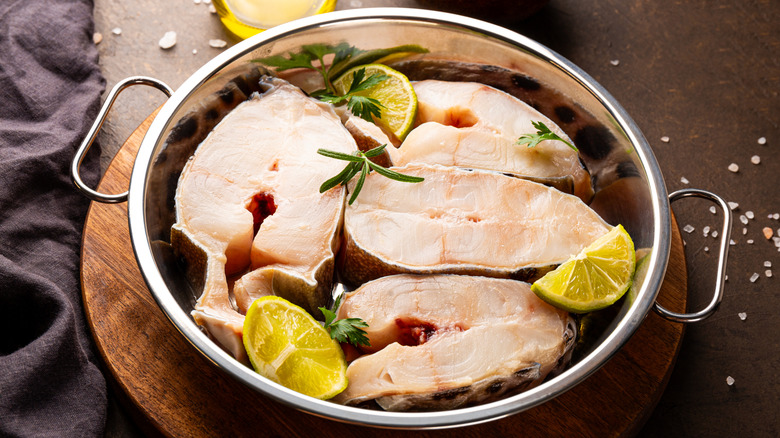
A catfish may not be much to look at, but they're certainly a lot to taste. As bottom-feeders, they can thrive on an omnivorous diet that includes plant-based ingredients, and while they might be a touch lean, few proteins are quite as good when deep-fried or bathed in butter.
Halibut is sustainable with a caveat
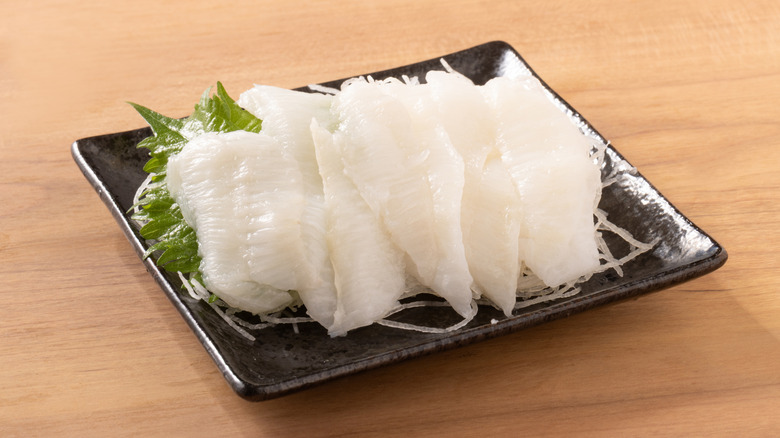
One of the mildest fish you can use in just about anything, halibut is a largely sustainable choice, particularly when it's wild-caught in the Pacific. Atlantic populations have faced steep declines from overfishing, so be sure to source it appropriately.
Whiting is a slept-on, sustainable seafood
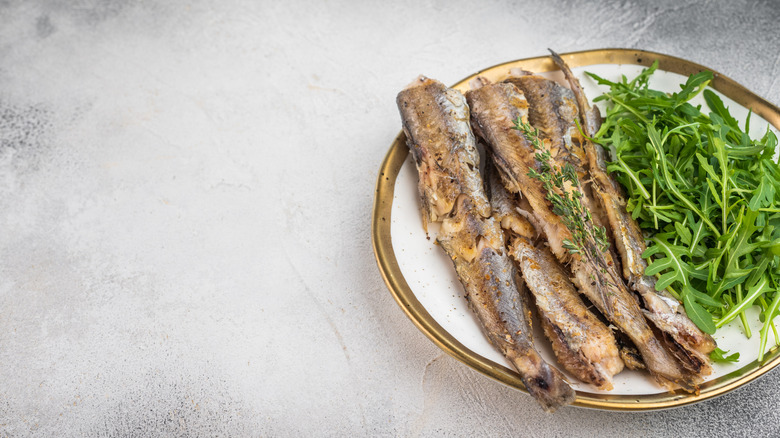
When you're looking for something to bread, batter, or mix into a salad, few types of seafood are quite as good as whiting. Like other fish, however, its sustainability depends on its source, and some well-managed fisheries in U.S. Atlantic waters are more sustainable than those targeting depleted populations elsewhere.
The right mahi-mahi is a dense flavor bomb
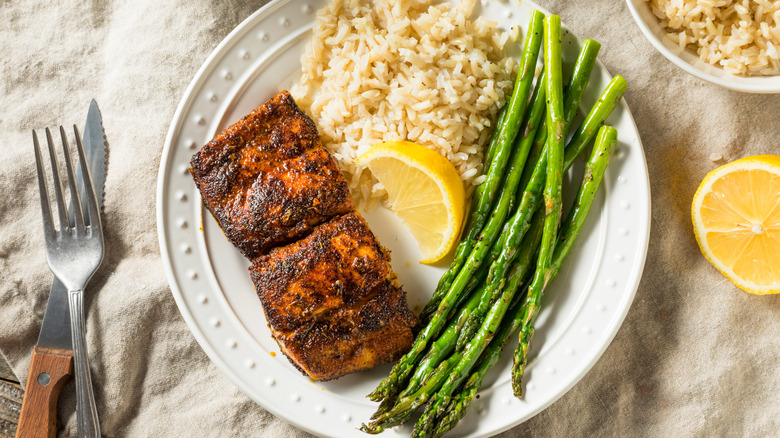
While mahi-mahi sourced from Central America and southern Asia can be a bit problematic, those caught in responsibly managed fisheries in the Atlantic can be quite sustainable. While the fish can reach a respectable 3 feet in length, they grow rapidly, and their populations can recover quite quickly with responsible management.
When it comes to snapper, yellowtail is a smart buy
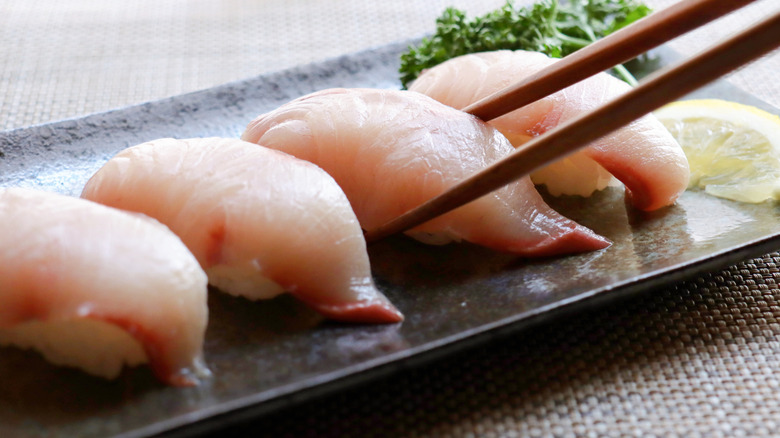
Snapper is incredibly delicious, but of all the various species, yellowtail snapper from well-managed fisheries can be a particularly responsible choice. Historically, government authorities and local fishers work together to manage certain populations, helping ensure that these fish are harvested responsibly.
Greater amberjack is a delicious trophy fish
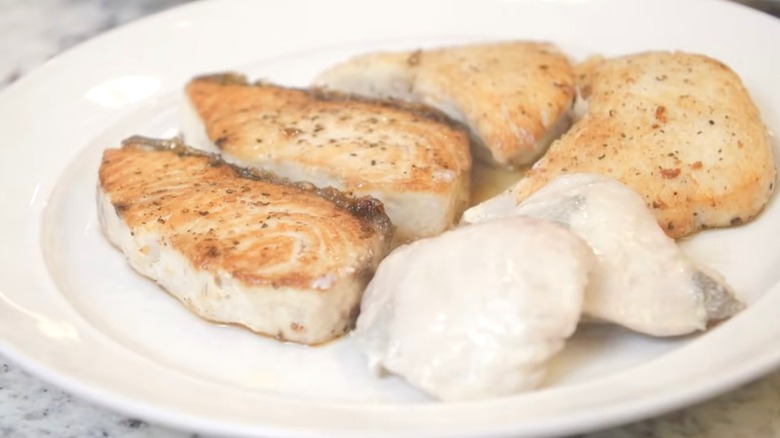
Huge, sweet, and oh-so-fun to reel in, the greater amberjack is a common sight for saltwater fishers looking to make tacos or cut thick steaks for the grill. Strict controls over harvesting wild-caught fish can help protect vulnerable populations, although sustainability varies by fishery, so it's worth checking the source before buying it at a seafood counter.
Farm-raised hybrid bass proves that aquaculture can be eco-friendly
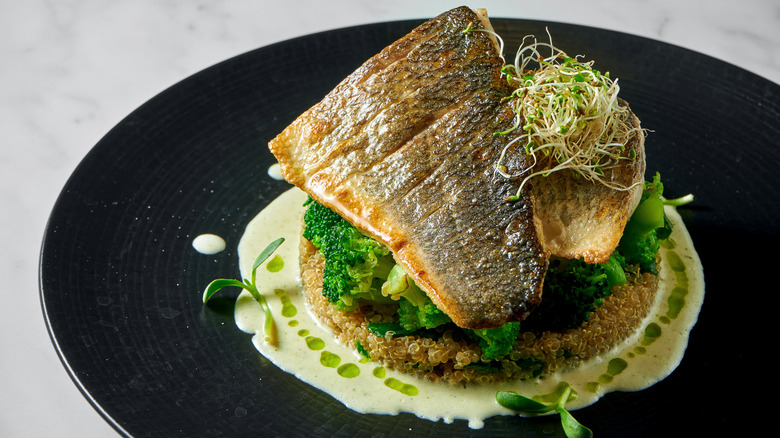
Sometimes called sunshine bass, this hybrid fish is a cross between a saltwater striped bass and a freshwater white bass. These fish grow quickly and tolerate a wide range of conditions, making it relatively easy to raise them sustainably with minimal environmental impact.
Eat American-caught invasive carp whenever you can
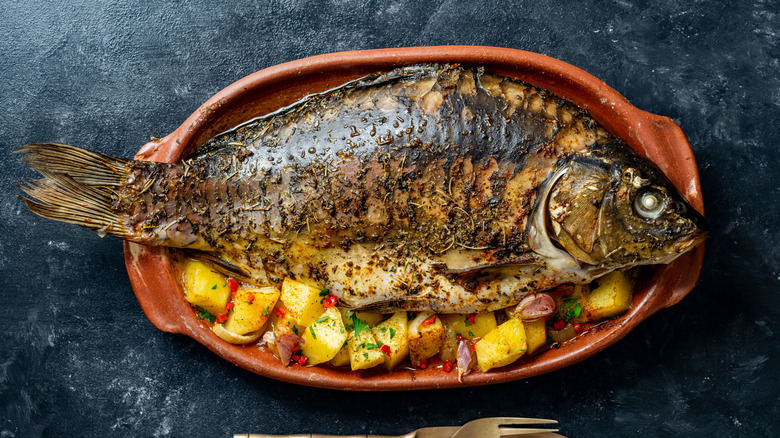
Eating carp can not only be sustainable, but buying invasive varieties sourced from the American South can actually be a boon for the environment! Several species of invasive carp have spread through U.S. waterways, so every bite of their earthy, slightly tangy flesh can help support efforts to protect these delicate ecosystems.
Drum is a complicated fish, but it can be sustainable
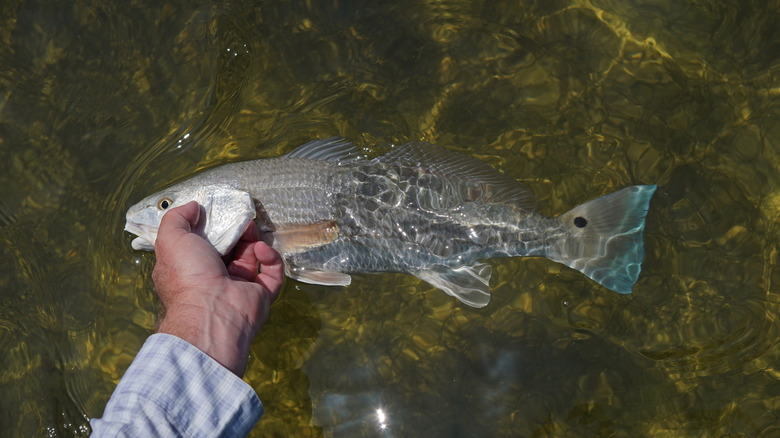
Blackened red drum, also called redfish, was once so popular that it prompted an outright commercial fishing ban in federal waters of the Gulf of Mexico. While responsibly farm-raised red drum can still be a sustainable choice, along with certain wild-caught black drum, it's generally still best to avoid wild-caught red drum, as sustainability varies by fishery.
Black grouper is worth seeking out, but only from the right sources
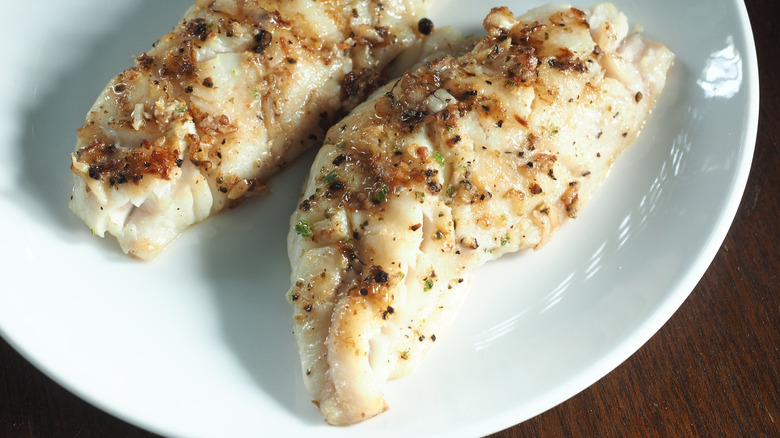
Fresh, clean, and a premium delicacy, grouper can be a gray area of sustainability. While many species, like goliath, Nassau, and Gulf groupers, face serious conservation concerns and may be illegal to harvest in certain areas, responsibly sourced black grouper can be a great substitute for premium-grade salmon.