

11 Popular Wines Sommeliers Say You Can Swap For A Better Bargain
We may receive a commission on purchases made from links.
Whether trying a new bottle from the store or ordering from a wine list at a restaurant, exploring wine can get expensive quickly. But that doesn't always have to be the case. With so many wines and wine regions in the world, there's no shortage of affordable options. The problem is knowing what to look for among all those regions, names, and grapes.
To help you make less of a dent in your bank account, we talked to three sommeliers about more affordable alternatives to some of the world's better-known wines: Megumi Calver, sommelier and founder of Merobebe; Chris Dillman, Advanced Sommelier and director of liquor, beer, and wine at Littleton's Market in Columbus, Ohio; and Joshua Gosline, sommelier and founder of wine education and events platform OENOMAD. The next time you're tempted to gravitate toward a familiar wine, consider one of the swaps below to find a better deal and possibly even a new favorite.
1. Swap Napa Cabernet Sauvignon for Chilean Carménère
Cabernet sauvignon has long been one of America's favorite red wines, and with good reason. Its reputation was cemented in 1976, when Napa Valley wines famously beat their French counterparts in the "Judgment of Paris" tasting, putting the region on the map as a world-class producer of cabernet sauvignon (and chardonnay). While the area produces many world-class wines, the hype premium has trickled into many bottles, making them expensive to enjoy on the regular. However, if you like the taste but not the price, there is an easy fix.
According to sommelier Megumi Calver, the perfect swap for Napa's cabernet sauvignon is Chilean carménère. It's similarly full-bodied with blackberry and plum notes, but with riper fruit flavors and peppery spice. Calver says this can be a great alternative, especially for someone who may not like how oak-heavy Napa cabs can get. While many Napa cabs sell for $30 or more, plenty of Chilean carménères can be found for under $20.
2. Swap Barolo for Naoussa Xinomavro
Italian wine lovers often enjoy a good bottle of Barolo from Piedmont in northern Italy. Long-term aging (minimum 38 months), the vineyard site, and the grapes' complexity contribute to the wine's high cost. The beloved Nebbiolo grape wine gets a lot of attention and love, but most experts agree it's not an everyday drinking wine because of its high price tag.
Fortunately, sommelier Joshua Gosline recommends xinomavro, a grape from Naoussa in northern Greece, as a more affordable alternative that offers a similar body, taste, and aromatic experience to Nebbiolo. "You can find the firm tannins, savory character, acidity, and dried floral qualities that appeal to many Nebbiolo drinkers, often at a much friendlier price," he says.
Bottle prices for Barolo in the U.S. can range from $40 to $90, and higher-end bottles can cost over a thousand dollars. In comparison, xinomavro wines from the Greek region can be found for around $30 to $40.
3. Swap Sauvignon Blanc for Albariño
Most people are familiar with sauvignon blanc, a refreshing white wine that's easy to drink and relatively affordable. But Megumi Calver says familiarity doesn't necessarily mean a wine offers the best value. She says exploring lesser-known grapes can be another way to get more for your money. Calver suggests albariño as an alternative worth trying, particularly for those familiar with the different styles of sauvignon blanc.
Both sauvignon blanc and albariño can be found for around $15 to $25 per bottle, but albariño offers a more complex flavor profile at a similar price point. "Compared to some of the more grassy, 'green' New Zealand sauvignon blancs, albariño will be a bit rounder and have more stone fruit like apricot or peach," Calver says.
Albariño is a signature white wine grape from Rías Baixas, along the coast of northwestern Spain. In addition to having similarly high acidity and a crisp profile to sauvignon blanc, many examples have a distinctive saline character that adds another dimension to the wine.
4. Swap Prestigious Bordeaux for Fronsac
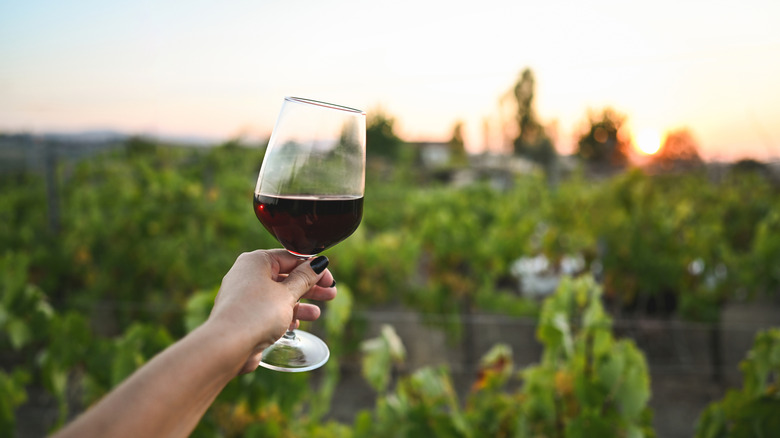
Though Bordeaux is well-known for its cabernet sauvignon- and merlot-based blends, bottles from its most prestigious appellations can come with a hefty price tag. Wines from renowned regions like Saint-Émilion, Pauillac, and Margaux can easily cost more than $100. But according to Chris Dillman, an Advanced Sommelier, Bordeaux lovers can look to lesser-known appellations to find bottles that better suit their palate and budget.
Dillman suggests seeking out lesser-known designations within Bordeaux, particularly wines from warmer vintages. He specifically recommends Côtes de Bourg and Fronsac. These appellations produce Bordeaux-style wines with familiar grapes like cabernet sauvignon and merlot, but without the same premium prices associated with more prestigious châteaux. In fact, you can find these bottles for around $15 to $30.
Dillman also recommends looking for warmer vintages (years with warmer growing-season conditions) which can help grapes ripen more fully. When shopping, look for bottles labeled Côtes de Bourg or Fronsac from warmer Bordeaux vintages, such as 2018 or 2020.
5. Swap Provence Rosé for Spanish Rosé
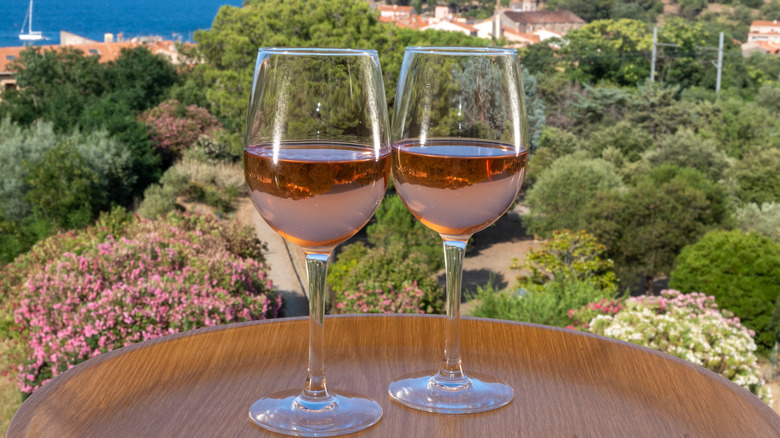
Rosé is produced worldwide, but few regions are as closely associated with the wine as Provence in southern France. This region is known for its dry style with bright flavors of red berries and citrus combined with herbal notes.
But Provence isn't the only place where you can find a refreshing, dry rosé, and exploring lesser-known regions can mean getting more for your money. Joshua Gosline recommends opting for a rosé from Spain. "Instead of automatically reaching for Provence, look toward Spain, including regions such as Penedès, where dry Mediterranean rosés can offer freshness, savory character, and versatility without paying for the increasingly expensive Provençal name," Gosline says. The Penedès region is located in northeastern Spain, in Catalonia. Rosés from the region can offer a similarly dry style, with strawberry, raspberry, and other red fruit notes complemented by crisp acidity and freshness.
Many Provence rosés sell for around $15 to $30 per bottle, while Spanish alternatives run about $10 to $25. That might not seem like a significant price difference, but if you find yourself gravitating toward a Spanish rosé over your usual Provence bottle, paying a little less each time could add up to long-term savings.
6. Swap Pinot Noir for Gamay
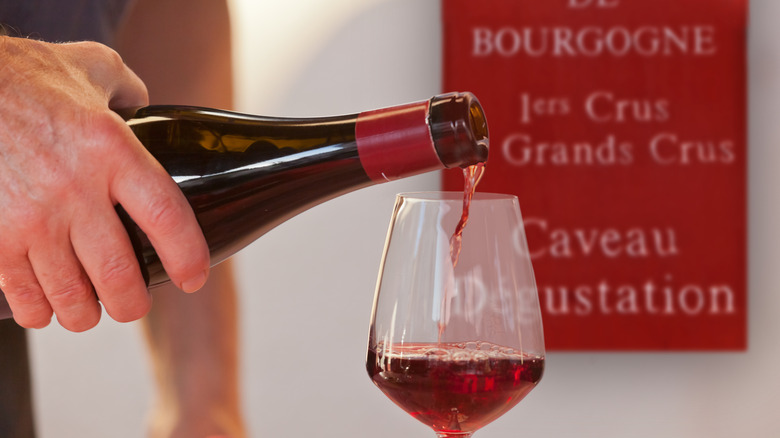
Best known for its world-class versions in Burgundy, located in east-central France, pinot noir can command some of the highest prices in the wine world. Its thin skins make it particularly delicate, while high demand for wines from prestigious areas like Burgundy's Côte d'Or also drives up prices.
For anyone who wants to enjoy a similar style of French red wine, Megumi Calver has a suggestion from Beaujolais, just south of Burgundy (best known for pinot noir). Beaujolais is known for another red grape called gamay. The Duchy of Burgundy banned gamay in 1395, but it later became Beaujolais' signature grape.
Calver says Beaujolais has a similarly light-bodied, crisp profile to pinot noir, but with low tannins and bright red-fruit flavors like cherry and raspberry. If you're more of a traditional pinot noir drinker, Calver suggests looking for Beaujolais-Villages on the label, which offers a little more structure. One example she recommends is Louis Jadot Beaujolais-Villages, which is widely available for around $15 per bottle. For those who enjoy more fruit-forward wines, she suggests looking for Beaujolais Nouveau, which offers fruity notes some describe as candy-like.
7. Swap Châteauneuf-du-Pape for Côtes du Rhône
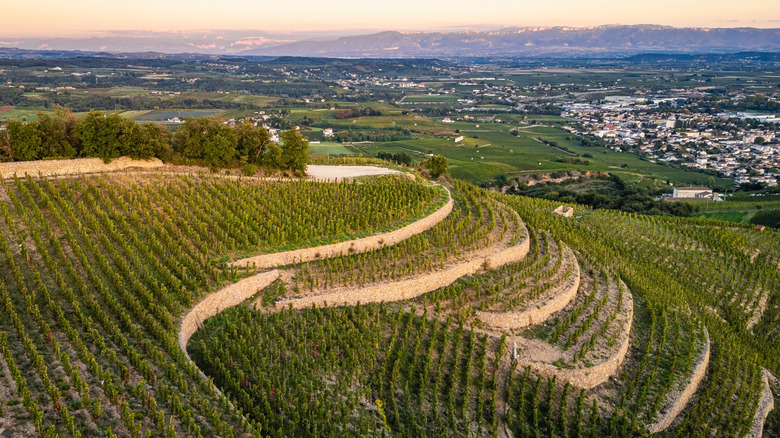
Produced in the famed Rhône Valley, Châteauneuf-du-Pape is best known for its red blends made with grenache, syrah, and mourvèdre. This appellation allows 13 grape varieties (or 18 if you count different grape colors). It also has a long history with the papacy, as the name translates to "the pope's new castle," linking back to the 14th century when Pope John XXII built a summer residence in the area. Today, it has become one of the valley's best-known wines, often priced higher than wines from the broader region, with many bottles selling for around $40 to $80 or more.
Both Megumi Calver and Chris Dillman recommended E. Guigal Côtes du Rhône Rouge as a more affordable alternative to Châteauneuf-du-Pape. Dillman says, "Their Côtes-du-Rhône offer textbook, unadorned examples of what makes the wines of the Rhône so unique." For around $15 to $20, you get a medium- to full-bodied red with rich fruit flavors, soft tannins, and peppery spice, according to Calver. Since Côtes du Rhône wines can feature some of the same grape varieties as Châteauneuf-du-Pape, they offer a way to explore similar Rhône Valley flavors without the higher price tag.
8. Swap Syrah for Monastrell
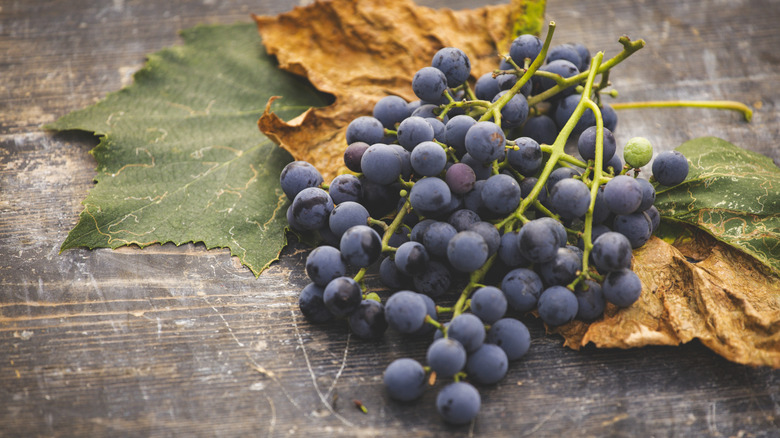
Syrah is a red wine known for its full body and meaty, savory character, and it often pairs well with steak or game meats. It's no surprise that some of the most prestigious syrahs come from France's Northern Rhône Valley. As a result, shoppers can pay a pretty penny for bottles from prestigious appellations like Côte-Rôtie, with prices ranging from $75 to well over $100.
But Northern Rhône red wine drinkers, or syrah fans, may be pleased to discover a less expensive alternative with Spain's monastrell, according to Megumi Calver. Still offering a full body, dark fruit, and peppery notes, monastrell offers great bang for your buck, she says, with firm tannins and, depending on the bottle, earthy, chocolate, or blackberry notes.
The name monastrell refers to the same grape as France's mourvèdre, grown in the Southern Rhône Valley and used alongside grenache and syrah in GSM blends, as Calver pointed out. She suggests looking for wines from regions like Jumilla or Yecla, located in southeastern Spain. You can also find monastrell from Jumilla for around $12 to $18 a bottle, making it a much more affordable option than some of the Northern Rhône's prestigious syrahs.
9. Swap Santorini Assyrtiko for Robola from Kefalonia

Greece is gaining international recognition for its white wines, Joshua Gosline says. Assyrtiko, a grape native to Greece and closely associated with the island of Santorini, has recently drawn attention. This well-known bone-dry white wine boasts savory, mineral notes, high acidity, and citrus flavors, making it a good food pairing. And while the recognition is certainly great, it has also brought higher prices, with several Santorini assyrtikos selling for around $30 to $50 a bottle.
Gosline suggests robola for a similar experience without the same premium price tag. "Robola from Kefalonia, for example, can offer the saline, mineral-driven freshness that makes Greek island whites so exciting without necessarily carrying Santorini pricing." Robola is grown on Kefalonia, one of Greece's Ionian Islands off its western coast. Some robolas from Kefalonia can be found for around $22 to $30 a bottle. Gosline also suggests exploring other Greek regions and islands for more affordable alternatives.
10. Swap Champagne for Crémant

Celebrating with a bottle of Champagne feels deserved, but drinking a bottle on a Tuesday night may seem less justifiable, with many familiar bottles selling for around $35 to $60 or more. But you can drink comparable French sparkling wines instead of Champagne without paying a premium.
Megumi Calver recommends crémant, another French sparkling wine made using the same traditional method as Champagne. Crémant is produced outside Champagne, in regions such as Alsace, the Loire Valley, and Burgundy — each offering slightly different flavors. Calver notes that it's not an exact swap. "These bubbles typically have more ripe orchard fruit notes and less complexity compared to the brioche, citrus, and chalky minerality that Champagne is known for," she says.
For something closest to Champagne's flavor profile, Calver suggests Crémant de Bourgogne, which uses many of the same grapes. Standard Crémant de Bourgogne has a shorter minimum aging requirement compared to non-vintage Champagne, which can mean less complexity. Calver suggests looking for "Éminent" and "Grand Éminent" on the label, which indicate at least 24 and 36 months of aging, respectively.
11. Swap Oaked Chardonnay for South African Chenin Blanc
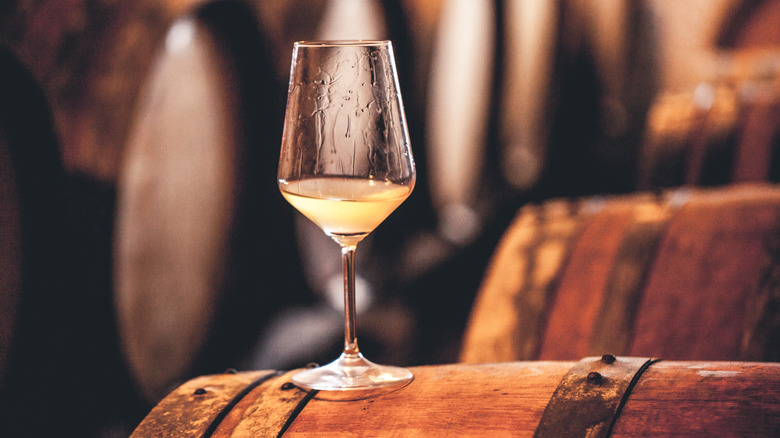
From the ABC club (anything but chardonnay) to longtime fans of refined chardonnay from France, people have come to love it or hate it. Some higher-end examples include oaked versions from Burgundy, Oregon's Willamette Valley, and California's Santa Ynez wine region, with some premium white Burgundies selling for $40 to $60 or more per bottle.
For a similar full-bodied white wine but at a more approachable price, Megumi Calver recommends South African chenin blanc. This grape originated in France's Loire Valley, but South Africa has since become its largest producer. Like chardonnay, some styles of chenin blanc have a full body and rich texture, and oaked versions can offer apple and pear flavors, along with vanilla and baking spice notes, she explains. "These wines will likely have higher acid and be more crisp than a chardonnay. They're fantastic in their own right, and a total steal!"
Calver adds that other versions may have some lovely tropical notes like pineapple, similar to chardonnays from warmer regions if that's more your style. This affordable alternative can run from around $15 to $25 a bottle, a significant price difference from some premium oaked chardonnays.