

7 Ways You're Ruining Pie Crust (And How To Save It)
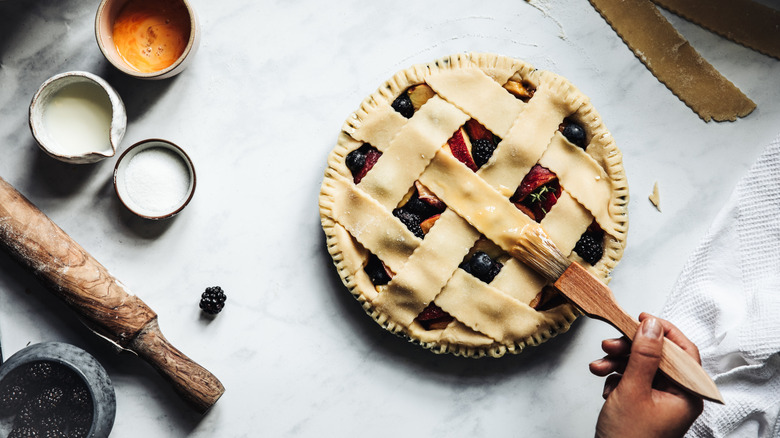
Of all the different types of desserts I've ruined over the course of my career as a pastry chef, pies may be at the top of the list in terms of sheer volume. They bring with them time, effort, and frustration 10 times the size of their golden, crusty circumferences. Most of my woes — as I'm sure is the case for many bakers — can be traced back to the pie dough.
There are as many pie dough recipes as there are ways to mess them up — this basic flaky, buttery pie crust recipe is a winner — but all you need are a few tried-and-true guidelines to put ruined dough in your rear view. The pie dough philosophy discussed here is adhered to in kitchens all across the world, professional and home, including the fine-dining restaurant I have the pleasure of working in. Keeping in mind some relatively simple tricks, like adding vinegar and salt for flavor and color and keeping your dough cool at all stages, makes for pie dough that's tender, delicious, and — that all-desirable pie dough quality — flaky.
Overworking your dough
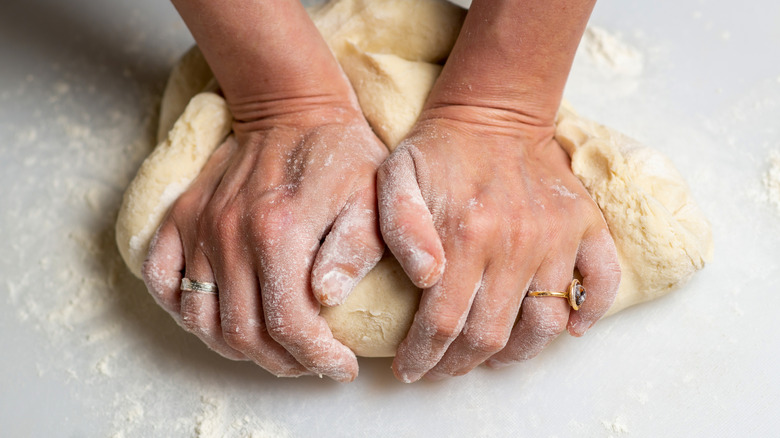
Pie dough needs a lot of alone time, so don't linger, no matter how much you love its company. An overworked dough is one of the most common pie errors, and it can happen at any stage of the laborious dough-making process: when you are working in the butter, or adding your liquid, or rolling it out. Agitating the dough over and over again breaks down the butter into a mealy rather than flaky texture and works the gluten too much, leading to an impenetrable, cardboard-adjacent material your fork discards on its journey to the fruity filling.
Rather than physically kneading your dough after it comes together, instead make a series of quick single folds — that is, rolling your dough to three times its length and folding it into thirds like a letter. Rotate it 90 degrees and repeat. This technique, called lamination, creates layers more gently and flattens your butter so that your dough will rise and flake like never before. Doing this to your pie dough is essentially a "rough puff pastry" recipe. You know that part of puff pastry you never want to roll out? Same goes here: Don't flatten the edges of your dough with your rolling pin too much. The pin will overwork it, and you'll end up back where you started.
Adding too much water
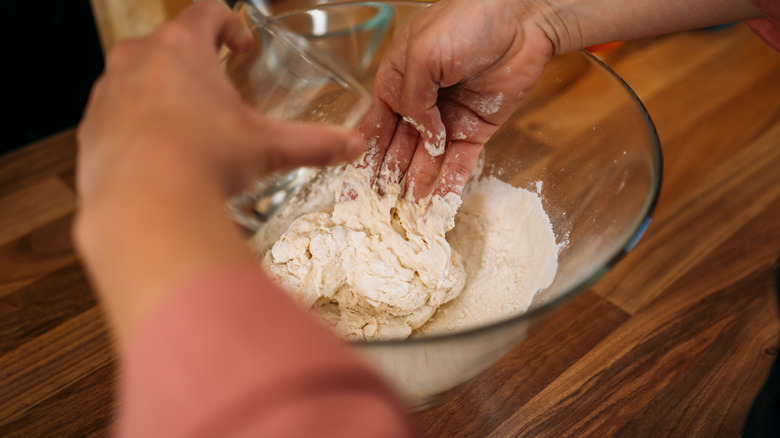
When you've messed up a cake batter — something I personally would never dream of — chances are you'll know it; it'll probably be crazy thin or overly pasty and thick. As much as you would like to put it in the oven to get it out of your sight, it might be best to rework it. Pie dough, on the other hand, looks wrong more often than not. You will see a dry, thirsty lump of dough and you will feel the sensible urge to give it something to drink. However, you must resist this desire to pamper your infant dough.
Too often, pie dough gets too watery. It will be sticky and incredibly unpleasant to work with, and you'll end up overworking it to bring it all together. I won't even mention what happens after it bakes. Alright, fine: your finished crust will be dense and tough.
To prevent this from happening, add your liquid little by little, squeezing the dough together as you mix. Once it comes into a ball, remove the mass from the bowl, and splash a bit more water into the dry mix. This will ensure you add the ideal amount of water, even if your instincts are telling you to add more. Wrap the dough well, leave it in the fridge for an hour, and await your properly hydrated dough.
Forgetting to amp up the flavor
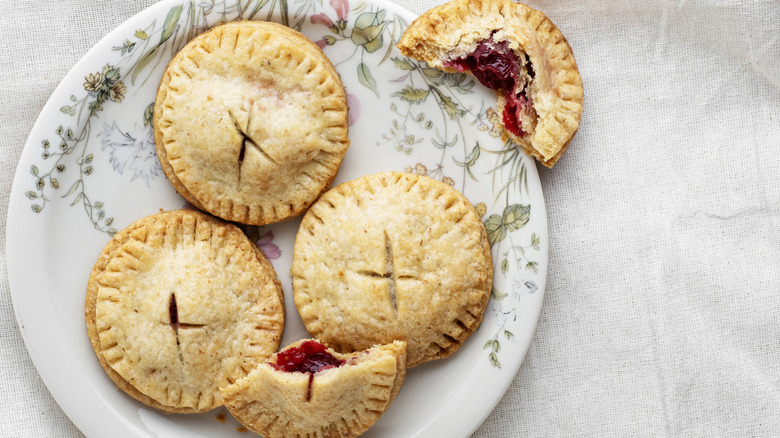
There is a dangerous cabal of people out there who believe that pie dough should simply be a flavorless cage for your pie filling. Don't become one of these people. If this describes you, there is still hope, but we must act fast. Don't ruin your pie dough by neglecting to give it some oomph.
To amp up flavor, hydrate the dough with crème fraiche, buttermilk, or yogurt in addition to your water. This will add a tenderness to your dough, to be sure, but also a tangy richness. Experiment with whole wheat flours like rye or einkorn for a nutty flavor; replacing a portion of your regular flour with these to give your pie a more rustic color, too. A hefty dose of salt elevates everything. Don't forget the sugar, either — it adds much needed sweetness and also caramelizes in the oven, so your pie will be golden in more ways than one.
Letting the dough get too warm
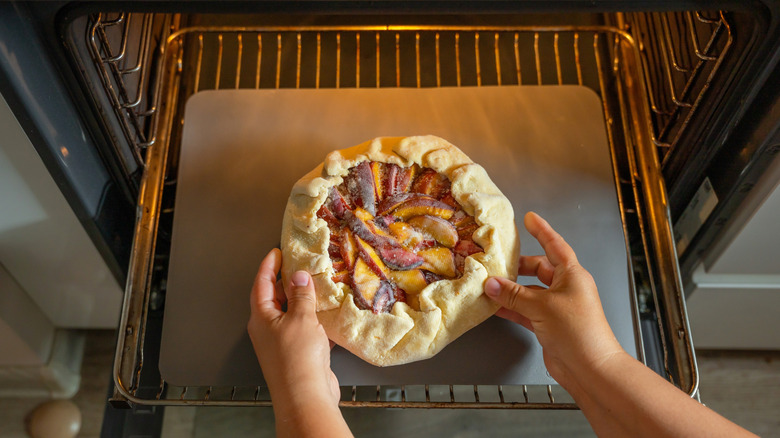
If at this point you're thinking that pie dough is much too fussy and you never want to make a pie ever again, just you wait! It is also very temperature-dependent. Pie dough (as well as puff pastry, croissants, and other laminated doughs) gets its flakiness from cold butter which melts in the oven, releasing steam which rises and creates thin layers of dough. When pie dough warms in your kitchen, the butter in the dough melts before it gets to the oven, preventing flakiness from occurring and leading to an overly crunchy crust.
The fix: Freeze everything. Have your butter cut and in the freezer, as well as your bowl and any tools you may use, like a dough paddle. Chill your dough for at least an hour after you make it, which will also help the gluten relax. Work quickly, especially in warmer months. After the pie is formed, I like to apply egg wash and place it in the freezer for a few minutes. Now is a good time to process all which has occurred. Take it out, egg wash it again, and wait for the crispiest pie dough of your life.
Rolling it too thick
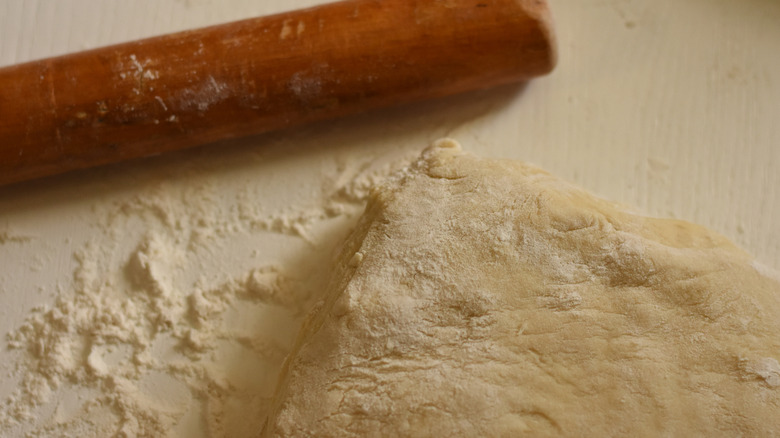
It can be tempting to roll your pie crust according to the image of a freshly baked pie in your head: a nicely bronzed crust that's thick enough to stand up to all that gooey filling. However, this is a one-way ticket to a disastrous pie. If your crust is too thick on the bottom, you'll end up with a soggy, flabby texture. Pie dough will rise more than you think (especially if it has been laminated). The layers of butter will puff up and provide structure. Roll it thinner than you would expect — about 3 millimeters.
You'll end up with a nice overhang from how thin you roll it, meaning there will be plenty of dough real estate for crimping the crust. Then, you can apply this genius four-fingered hack for crimping your pie crust.
Once you've saved yourself from a soggy bottom, make sure you store your leftover pie correctly. Wrap it tightly and put it into the fridge, which will help prevent the moisture of your pie filling from seeping into your crust.
Underbaking your pie
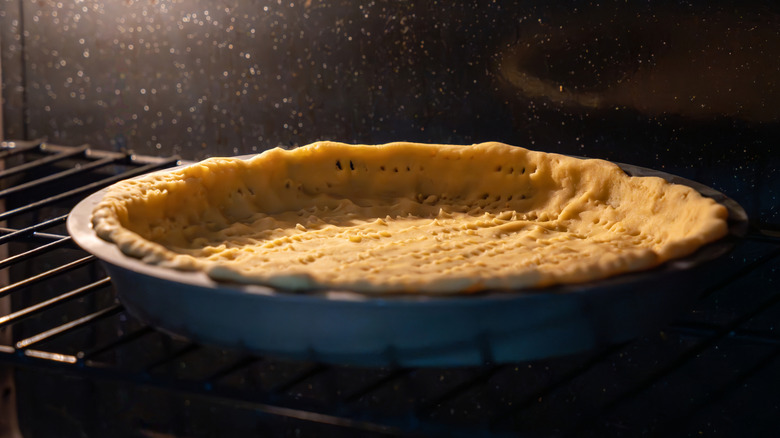
Some of the biggest disappointments in my life have been the very sights of underbaked pies. The world becomes as colorless and flavorless as the pie now is, cut down prematurely by an impatient imp (me) who took it out of the oven too early. Unfortunately, the simple brilliance of leaving the pie in the oven a bit longer eluded me completely.
Make sure you brush your crust with an egg wash and dust with sugar in the raw or turbinado sugar (also useful in topping off perfect bakery-style muffins). This will ensure a shiny and golden top crust rather than a pale imitation of one. If you have a kitchen torch, you can also go over the crust lightly after it comes out of the oven if you want something extra dark and caramelized.
For the bottom crust, bake it on a pizza stone if you have one. Alternatively, par-bake the crust first by lining it with parchment and filling with pie weights, or even sugar for a toasty, versatile alternative. You can also brush this bottom with an egg white before par-baking, which provides another barrier between the crispy crust and the liquidy filling.
Not adding vinegar or alcohol
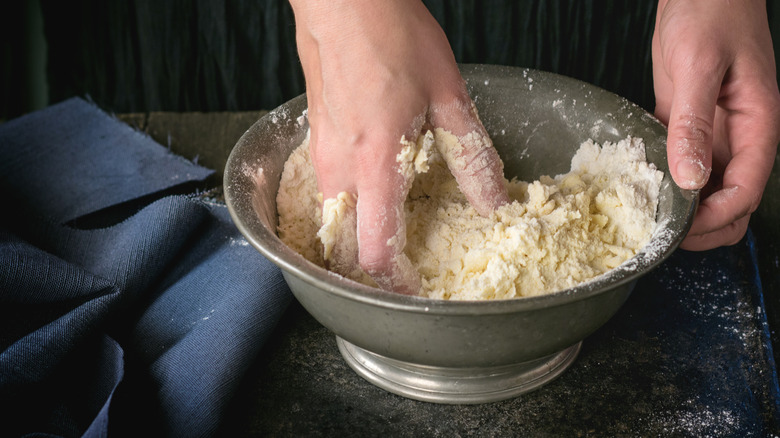
If you have ever reached into the fridge for the pie dough you made yesterday with an explosive plan for strawberry rhubarb or espresso French silk pie and been greeted instead by wan grey dough, then alcohol will solve your problem. Pie dough tends to oxidize over time, leaving an unpleasant color, although luckily this doesn't affect flavor.
Adding a small amount of vinegar prevents this discoloration. To a small degree, the vinegar also tenderizes the dough (much like the tangy crème fraiche or buttermilk mentioned above) and adds a pleasant sour flavor.
If vinegar doesn't get you going, vodka is the booze you should be using when making pie crusts. Alcohol prevents gluten development, leading to a flakier dough that's less tough. Use equal parts vodka to water, about ¼ cup each depending on the recipe. Your pie dough will be well hydrated without being gloopy, and delicately flaky for days.