

Why Boomers Apparently Loved To Boil Food Back In The Day
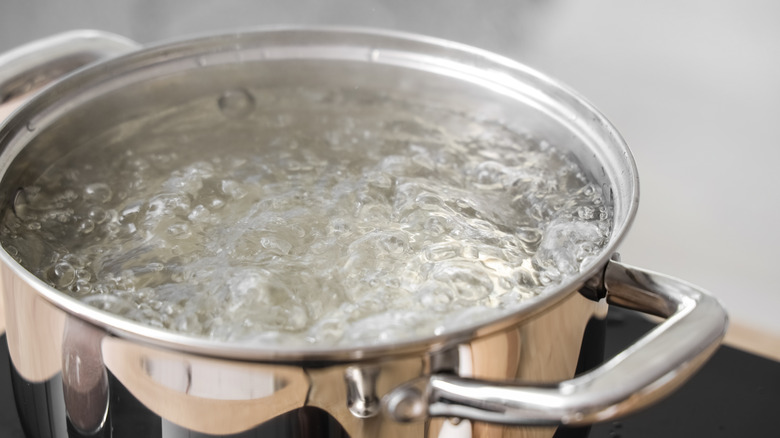
There are many boomer kitchen habits that confuse younger cooks, from questionable Jell-O dishes to well-done steaks, but their love of boiling is so widespread that it draws some of the most attention. It turns out there are some nuanced reasons for the cooking method, most of which are cultural carryovers that stem from the resource scarcity of the Great Depression and food safety customs of earlier generations.
Serving meat rare is a relatively new cooking practice. Even the USDA's recommendation of cooking pork to an internal temperature of only 145 degrees Fahrenheit is less than two decades old, before which is was 160 degrees Fahrenheit. In a time when antibiotics were not as regularly used on livestock, the safest option was to cook meat until well-done to kill off any potential contamination. Boiling is the easiest way to do this without completely drying out protein, and since boomer meals tend to center around meat, this practice persists for some into the 21st century.
Many boomers' parents also lived during the Great Depression and World War II, times of rationing and scarcity that restricted their access to cooking fats. Butter, lard, and oil were hard to find but are all crucial to sautéing and roasting. Cooking meals during The Great Depression required ingenuity and resourcefulness, so seasoning boiling liquids with what was available was often a safer and more accessible method. Food culture can evolve quite slowly, so it's likely that this practice carried over to their children (the boomers), even after such ingredients became more abundant and food safety regulations improved.
Other boomer culinary fads, explained
Boiling isn't the only contribution boomers have made to the culinary world. Born between 1946 and 1964, those of this generation grew up in a post-war boom, a time of abundance and innovation. This made for a pretty experimental cooking culture, one that wasn't afraid to try out new tools and ingredients to create some recipes that stuck around for decades and others that (luckily) faded into obscurity.
In the '70s and '80s, many women of the boomer generation were joining the workforce in droves. This created a cooking culture that focused on expedience and convenience, as women were spending less time in the kitchen. Thanks to the mass adoption of Pyrex, a material that could go from chilled to hot without shattering, it became a cinch to assemble a casserole in the morning and throw it in the oven when you got home. The modern one-dish meal definitely saw an uptick in popularity thanks to boomers, and casseroles have persisted ever since, especially in the South.
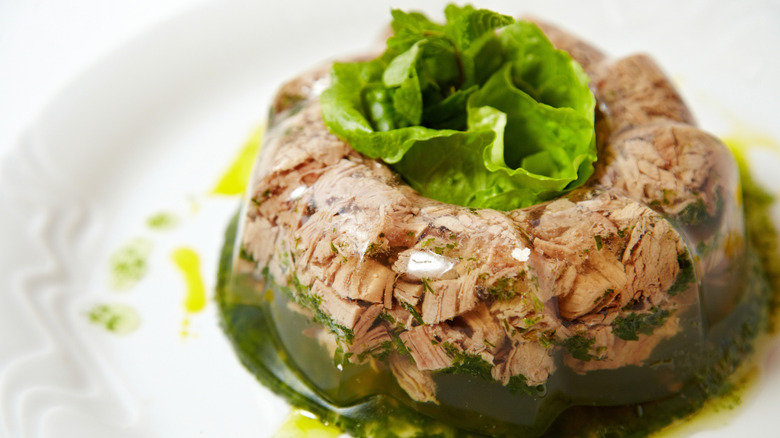
While younger generations transform Jell-O into fluffy desserts or add alcohol to make Jell-O shots, boomers grew up using the gelatin packets to prepare all kinds of savory dishes, even meats. During this time, gelatin molds were actually a status symbol, a way to show off that you had access to refrigeration before it became commonplace. We don't know about you, but we're happy to leave this trend in the past, and we'll happily take boiled hot dogs over Jell-O shrimp salad any day.