

Why Boomers Center Meals Around Meat
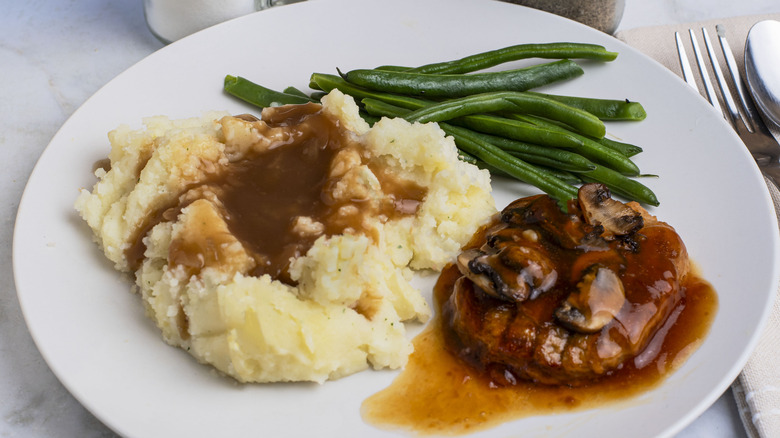
Whether a serving of beef pot roast, meatloaf, or a classic Salisbury steak, Boomers' era eating centers around meat. The predisposition stretches further than just a set of dishes. There's the iconic TV dinner, where meat is a perennial cornerstone on the tray. Or take the good ole American cookout with husbands taking charge of grilled meats come the weekend. Among that generation, the predisposition didn't phase out as a fad, either. According to a 2023 study conducted for Nutrients, older generations of males remain the most meat-heavy consumers. So what's the explanation for such deep-rooted beef fondness?
Essentially, it comes down to rations. The Boomer period — which lasted from 1946 to 1964 — immediately followed times of scarcity during the Great Depression and then WWII. Rations started in 1942, with limitations placed on essentials like coffee, sugar, milk, and meat. Once the War ended, America entered an era of economic boom, and beef reflected such prosperity. Demand fueled meat-packing industry growth, making beef and other proteins not only cheaper but also more widely distributed.
Americans dug into meat like never before, quickly outpacing Europe, with beef comprising a substantial part of consumption. Red meat was king — showcased in steak nights – but also processed meats and burgers landed on the table as fast food proliferated. Consumers familiarized themselves with new cuts at the grocery store, and in turn, meat became a centerpiece.
Interest in beef slowed come the 1970s
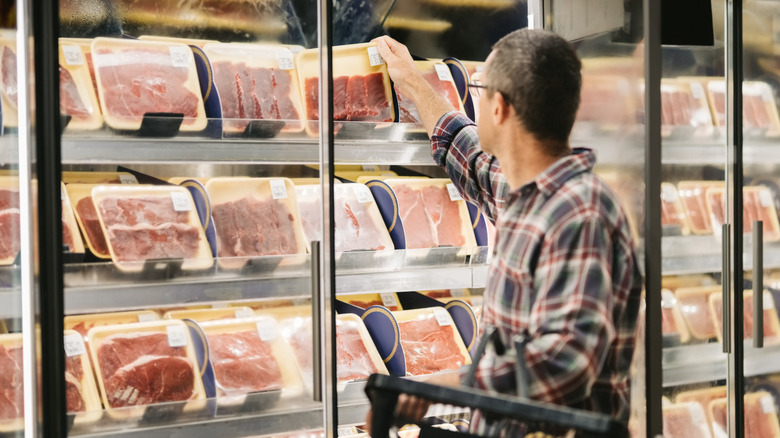
For a few decades following the 1950s, intrigue in beef didn't let up. Dishes like basic Sloppy Joes have remained popular since the time period, while new cult-classics like Hamburger Helper appeared during the 1970s to combat rising beef prices. As meat became less economically accessible, consumers started to turn away from beef for a multitude of reasons.
Health was a prominent one; fear regarding cholesterol and saturated fat content drove consumers toward leaner proteins like poultry. Additionally, interest in faster-paced cooking made roasted and braised beef dishes no longer worth the time. Plus, new chicken dishes like nuggets and fried sandwiches made poultry a clear, convenient alternative.
Today, such a dining trend continues; America's fondness for chicken hasn't slowed. From fast food to trendy restaurants, this protein has increased in magnitude, not unlike beef during the Boomer era. So while such kitchen habits confuse younger cooks, remember that preferences from our own era might inspire bewilderment later down the line.