

What Meals Looked Like During The Great Depression
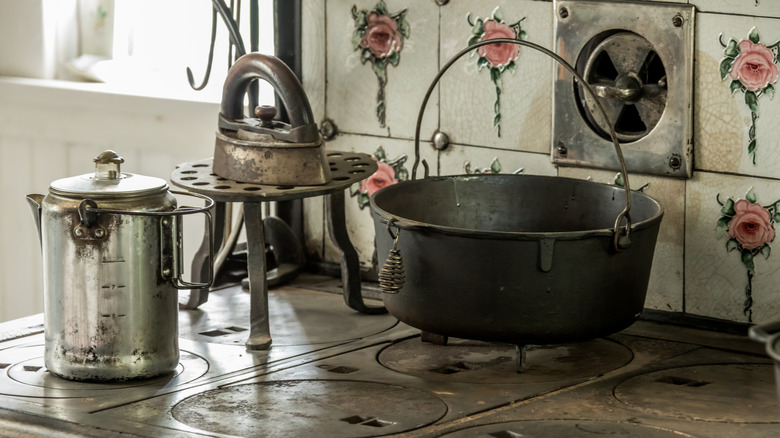
The Great Depression in the U.S. lasted from 1929 until around the time World War II broke out, when the country began to rapidly expand its military and grow the economy once more. Those intervening years hit much of the country hard, with nearly a quarter of the American population out of work at its height in 1933. With so many people unemployed, families had to economize when it came to feeding themselves, and from that, basically a whole new cuisine was born.
Now, obviously struggle meals have existed as long as humans have, well, struggled, but food during the Depression era was a curious mix of fresh and canned ingredients, as well as a variety of foods that sometimes had no business being near each other. But in the interest of nutrition and getting as many calories into your family as possible during those scarce times, the people preparing breakfast, lunch, dinner, and dessert, as well as those eating it, were willing to overlook some unconventional combinations. There were still many appetizing eats, too, even with the limitations of the time, and we're going to take you through all of them. Here's what all three daily meals, plus dessert, looked like during the Great Depression.
The best part of waking up was a hearty breakfast
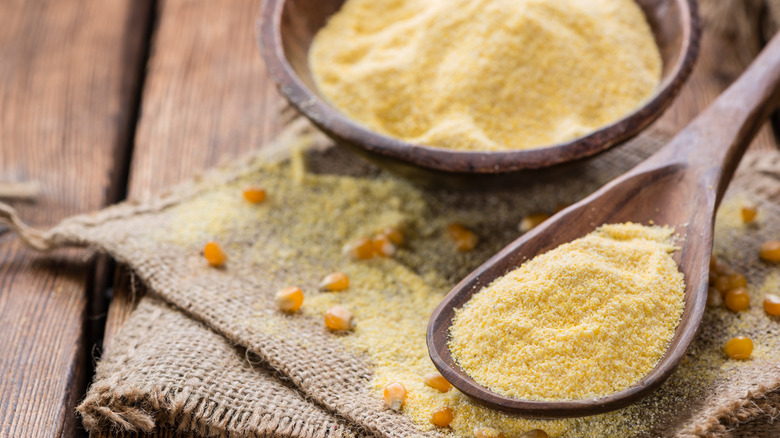
Despite the poverty that was endemic at the time, Depression-era families often started their days with hearty, filling breakfasts. The key to the first meal of the day (and, indeed, all of the day's meals) was that it had to come from foods that could be stretched. Cornmeal was one of the more abundant ingredients (if you actually had a farm or garden, you could just grow corn and make it yourself), so Mom might be up at the crack of dawn making Johnny cakes (also called hoe cakes) in a skillet, as people had been doing for centuries by that point.
Milk toast was another popular breakfast item, and it was about as simple as it sounds: You made toast, sprinkled it with cinnamon and sugar or just sugar, and then poured warm milk over the torn-up pieces. Naturally, there were some person-to-person variations on the theme. Other cheap breakfast favorites included simple sugar sandwiches — bread spread with a bit of butter or lard and a dusting of sugar — or even just pieces of day-old bread ripped up and simply added to cereal and milk.
If you were really lucky, though, and your family could afford meat, and perhaps grew potatoes and kept hens for eggs, you could enjoy a hot, savory homestead breakfast, which was essentially what we'd consider a breakfast bowl today. And if there were biscuits on the side, well, you left that breakfast table feeling very rich indeed.
A humble midday meal often relied on peanut butter
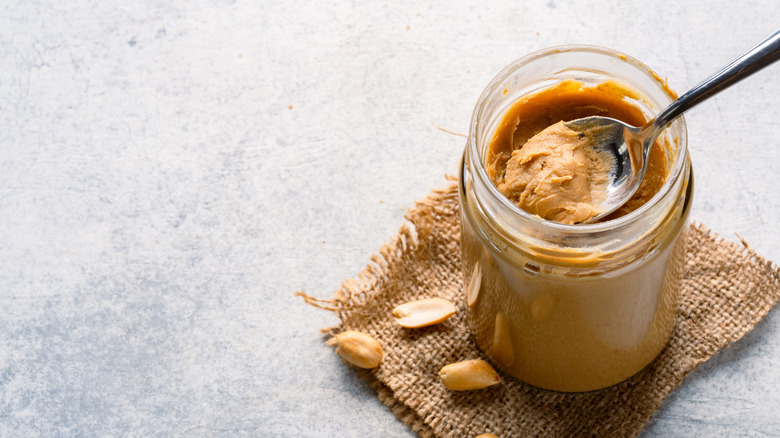
If Depression-era breakfasts actually sounded quite tasty, lunchtime is where things start to get a little weird. When parents packed either their kids' or partner's lunch, they might have included a peanut butter and mayonnaise sandwich. Yup, you read that right: The beloved spread paired with the creamy condiment was a regular occurrence, especially in the South. But hey, both ingredients were economical (and peanut butter, in particular, was shelf-stable), so you do what you have to do, and some people actually love them, even today.
Another lunchtime meal that might raise eyebrows today, but that was considered normal and nutritious during the 1930s, was peanut butter and tomato soup (noticing a theme?), which was served to little kids at school. It combined canned tomatoes, flour, peanut butter, onions, and a bit of salt, and that was basically the recipe: Combine everything and bring it to a boil. If you consider that peanut butter is actually used to flavor many savory Thai noodle dishes with a hint of sweetness, this one actually sounds quite tasty.
Dinnertime showcased the creativity of home cooks
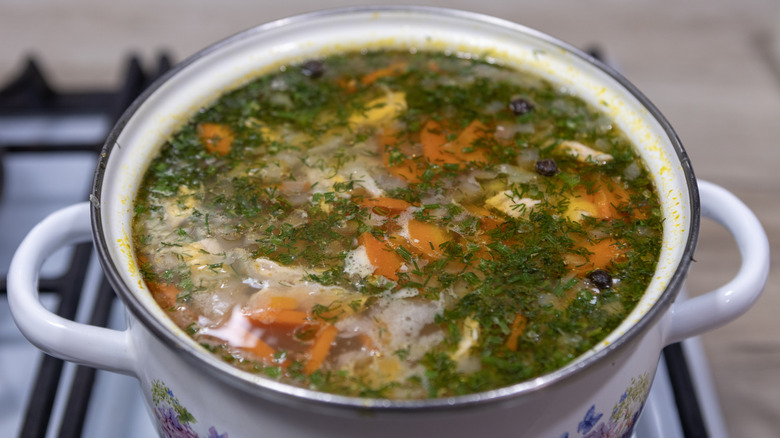
Dinnertime was a real chance for home cooks to flex their creativity. Simple, filling, and nutritious ingredients that were also economical made up most Depression-era evening meals, and nothing could be stretched like soup or stew. You could throw pretty much anything in, including vegetables (fresh or canned), pasta, oats, beans, or rice, as well as quick, inexpensive meats like hot dogs or tougher, cheaper cuts that would soften as they cooked. Home cooks could put the pot on to simmer a few hours before dinner, go about their day around the house, and then, when it was time to eat, the meal would be ready.
Creamed chipped beef was a great workaround for hungry people who needed protein but didn't have access to much refrigeration beyond an icebox (this retro kitchen appliance isn't so popular these days). Instead of fresh meat, dried beef was used, softened and moistened in gravy, then piled onto toast.
Finally, don't underestimate how much people foraged during these trying years, because if you had access to a forest, or even just a backyard, you could help feed your family. Many people got their leafy greens by picking dandelion leaves for free and making fresh salads with them. This also applied to other edible plants, like purslane and wild spinach, as well as mushrooms, nuts, and berries. People also hunted, and no one would turn down meat from fresh roadkill if it was available.
A sweet treat rounded out the day
As you can see, people made do with what they had, often in inventive ways, and this was nowhere more apparent than in Depression-era desserts. Because a sweet tooth could not be denied, even in the most difficult of times, creative home cooks were able to produce cookies without eggs, butter, or milk, instead using shortening, water, and vanilla to moisten the dough.
Home bakers also found workarounds for pies. Because sugar could be hard to come by, people often turned to other sweeteners, like molasses or honey, as in the soggy-bottomed shoofly pie. When it came to pie fillings, the everyday Depression-era housewife could be found using crackers in place of apples (the fruit could be difficult to come by) for faux apple pies. Apple cider vinegar could also be used as a substitute, providing a subtle tang that mimicked the acidity of fruit.
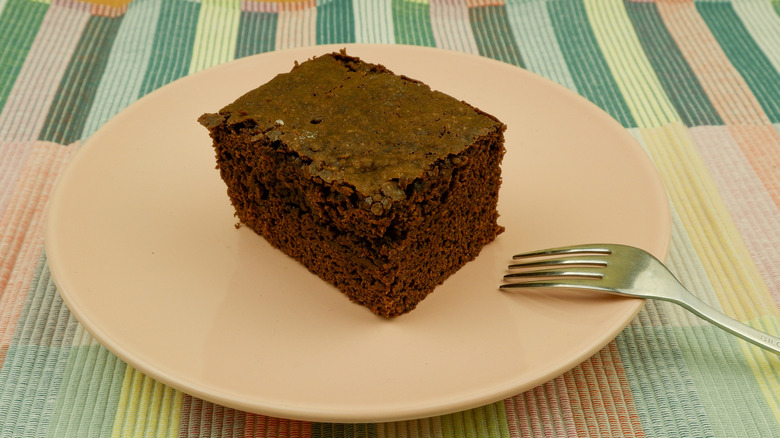
Finally, some lucky families were able to gather around the table after dinner and enjoy what was known as an eggless, butterless, and milkless cake. This clever recipe would later evolve into the famous wacky cake during World War II rationing. Like the other desserts mentioned, it used simple pantry ingredients and very few perishable or dairy products. To moisten the batter, bakers might have used vinegar, vegetable oil, and water. If the baker could get their hands on everything, they could also frost the cake, but if not, we'd venture to guess that the chocolatey cake tasted like a million bucks all on its own.