

The Ultimate Guide To Regional Barbecue Sauces Across The US
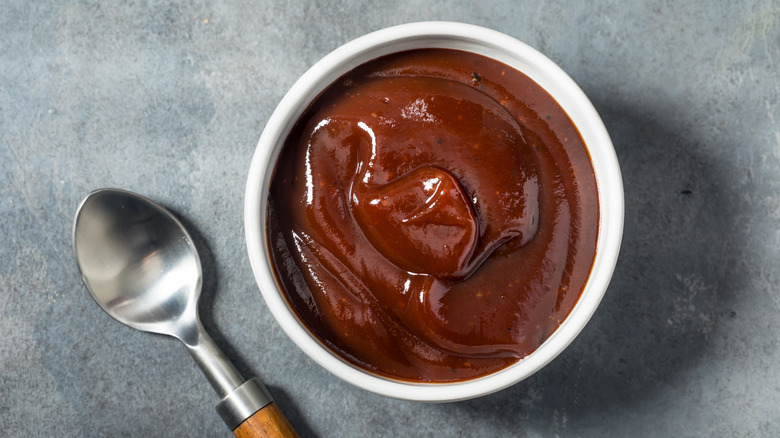
Fans of barbecue tend to have strong opinions on the best sauce to pair with their meats. While there are several broad barbecuing method and sauce categories, pitmasters have created dozens of subsets. From tomato-based to vinegar foundations, each region has its own take on what makes the perfect compliment to grilled and smoked meats and veggies.
But why are there so many variations on what could be a simple, standard recipe? The quick answer is that people worked with what they had available nearby, whether that was tomatoes, mustard, or eggs and oil to make mayonnaise. That's also why some sauces call for honey as a sweetener, while others take brown sugar or molasses. Some even take a combination of them to up the complexity and flavor. And this is nothing new. Barbecue has been a part of American life since before Europeans arrived. The name itself is taken from the Taino Native American tribe who called their style of cooking "barbecoa."
The tradition of pit cooking and smoking meat is still going strong. In fact, a 2024 survey by Statista reported that around ⅕ of Americans barbecued on a regular basis. If you're one of those people, or would like to be one, these sauces will keep your palate happy as you decide on a favorite (or two) of your own. You can even experiment with making your sauce at home with this simple three-ingredient base recipe.
Memphis
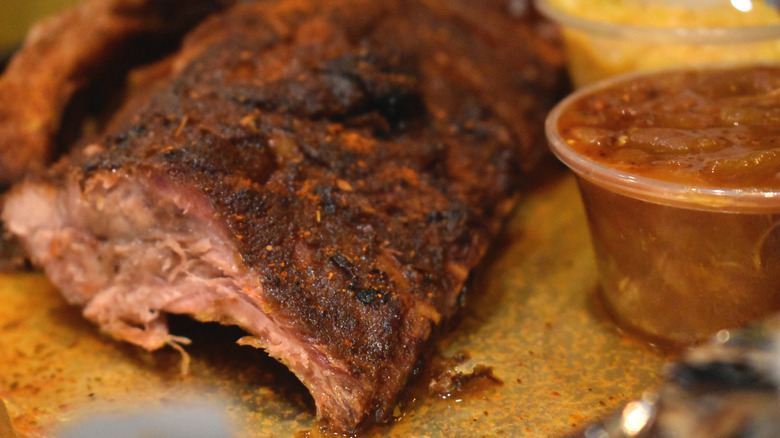
Memphis-style barbecue starts with pork, cooked low and slow for hours. Many pitmasters will use shoulder cuts and ribs, but everyone likes different things, so you'll chicken and beef on the grates, too. A spicy dry rub is applied to marinate the meat and give it a nice bark, or crunchy exterior. Some pitmasters will brush or mop the smoking meat with sauce to help impart flavor and create a deeply caramelized outside. And while some might stop there, aficionados know to grab a container of Memphis-style sauce to pour over or dip their meal in because it's the perfect accompaniment to finish off the proteins.
The tomato-based sauce is thin and flavored with cayenne pepper, vinegar, mustard, and a bit of brown sugar and/or molasses for sweetness and depth. In fact, many people consider molasses essential to Memphis-style barbecue because of the city's long history with the thick, rich syrup. Because the city lies on the Mississippi River, molasses was shipped into the port from sugar producers farther South. Access to all those imported ingredients help make Memphis barbecue what it is today. If you'd like to try some of the smoky stuff, barbecue spaghetti with pulled pork can help transport your tastebuds to the land of Elvis.
Eastern Carolina
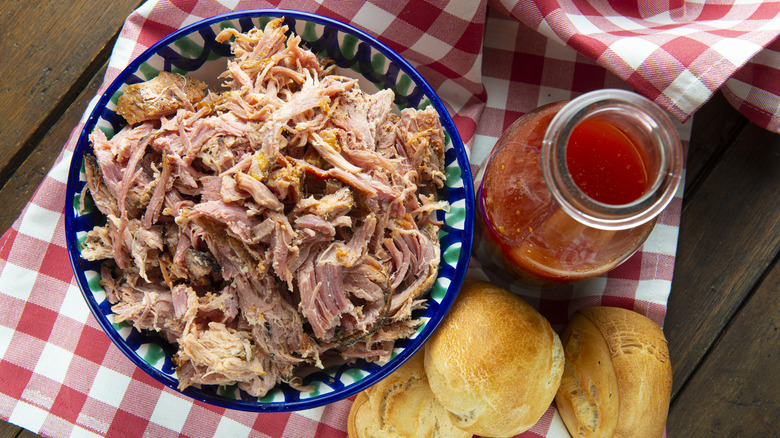
While pit cooking and smoking meat is an ancient way of cooking, modern barbecue was born in the Carolinas. Spaniards raised pigs, and the native tribes knew how to cook with fire pits and raised grates. The combination led to a fusion of cultures that was added to by each group that immigrated there.
You might think barbecue originating in the Carolinas would unite the two states. Instead, it's become a friendly (and delicious) battleground. In North Carolina, it's divided between Eastern-style and Lexington or Western-style (more on this one in a minute). In the eastern parts, the barbecue sauces are thin and vinegar-based, thanks to the Caribbean peoples. Over time, garlic, several types of peppers and various spices were added to create the sauce we know today.
Pitmasters add the sauce throughout the cooking process, often basting the meat with it. The result is tangy and savory, without the sweetness many people now expect from barbecue sauces. But for those who enjoy a tongue-tingling, flavor-packed experience, Eastern Carolina-style might be your new go-to when you pull out the grill.
Alabama
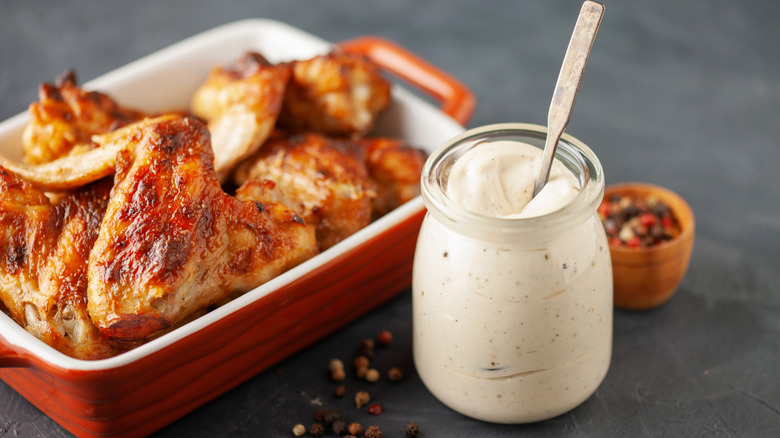
While each of the sauces on this list are unique, Alabama's white sauce is truly distinct. This creamy mayo-based condiment is starkly pale, with flecks of black pepper and a tanginess from vinegar and lemon juice. It was created in the 1920s to accompany hickory-smoked chicken. The leaner protein could dry out from the long cooking times, but Big Bob Gibson discovered that dunking the meat in a mayo mixture would prevent it from burning while keeping it moist. The addition of acids in the lemon juice and vinegar compliments the mayo's fat, giving the sauce balance as black pepper gives it just a touch of heat.
While the sauce helped make Big Bob's restaurant a hit, the condiment was a local delicacy that spread thanks to cooks throughout the state putting their own spin on it. The Gibson family began bottling it in the 1990s, causing the sauce to spread beyond Alabama and into the public's consciousness. These days, you can't distinguish white sauce from Alabama barbecue, and fans wouldn't have it any other way. To make your own at home, this five-ingredient recipe will get you started.
Texas
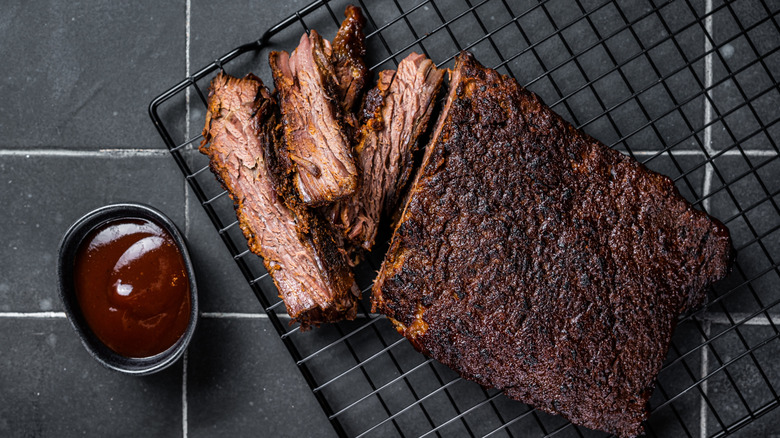
Texas has a long history with barbecue. We'll never know for sure how the state came to embrace the style, but what is known is the massive amount of beef cattle bred here after the Civil War made the meat cheap and widely available. That's one reason Texas-style is famous for briskets. There's a fierce debate across the state as to whether or not sauce is necessary at all, but most people there embrace at least a side of the stuff.
Because Texas covers such a large area, different regions have adapted their sauces in a variety of ways. The most common is a rich, deeply red condiment that combines ketchup, cumin, chili powders, vinegar, and a sweetener. Of course there are others that have a mustard or vinegar base, but no matter what kind is being used, pitmasters will be mopping or basting the meat continually throughout cooking. That's part of what gives Texas barbecue the bark that lovers of the style are after.
Kansas City
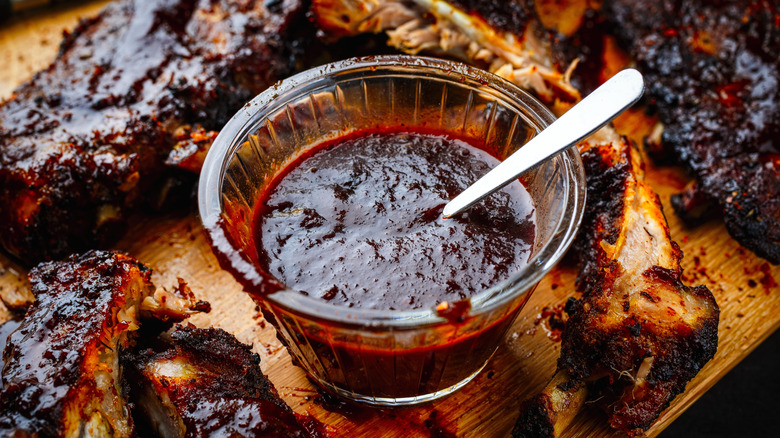
While other barbecue traditions focus on specific meats, like pork in Memphis or beef in Texas, Kansas City, Missouri is all about the sauce. The city had multiple large stockyards, making a wide variety of meats available to cooks. So, what unites Kansas City's style is thick, dark red, and sticky sweet sauce. These tomato-based condiments get a kick from cayenne and other spices, while brown sugar and molasses provide the sweetness. A splash of vinegar gives it depth, and the whole thing coats the meat as soon as it's out of the smoker. A good example you can find in many grocery stores is Sweet Baby Rays (an affordable classic).
The city puts sauce on all sorts of things, not just meat. Depending on the establishment, you'll find it covering veggies and fruits. If that sounds odd, think about the barbecue sauces made with peaches, blackberries, or cherries. That combination of sweet and tart works with fruit in or out of the bottle, particularly if the fruit is grilled beforehand.
St. Louis
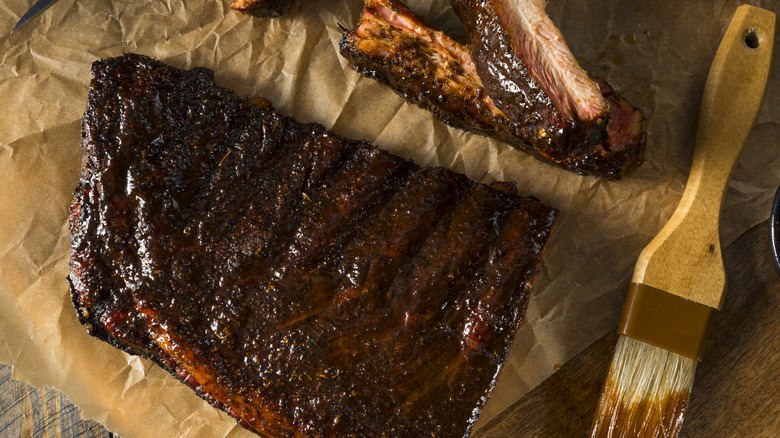
A close cousin to Kansas City barbecue, St. Louis style is an overall faster way to arrive at a delicious dinner. Instead of the meat being continually basted while smoking over a wood fire, St. Louis-style meats are grilled before being sauced. And what a sauce it is. This condiment is both sweet and sour, thanks to the combination of vinegar and brown sugar. Those ingredients are mixed with a tomato base, spices, garlic, and pepper. It's also thinner than many barbecue sauces, but even that helps make it faster to cook at home because you don't have to simmer it for long.
To pair the sauce, it's traditional to use St. Louis-cut ribs, which are more rectangular and uniform than baby back ribs are. This specialized cut comes from the meatpacking district of St. Louis and typically has more meat than other rib styles. But no matter what kind of meat you want to put this tangy sauce on, just be sure to grab a slice of white bread to mop up the last drops on your plate.
Lexington Dip
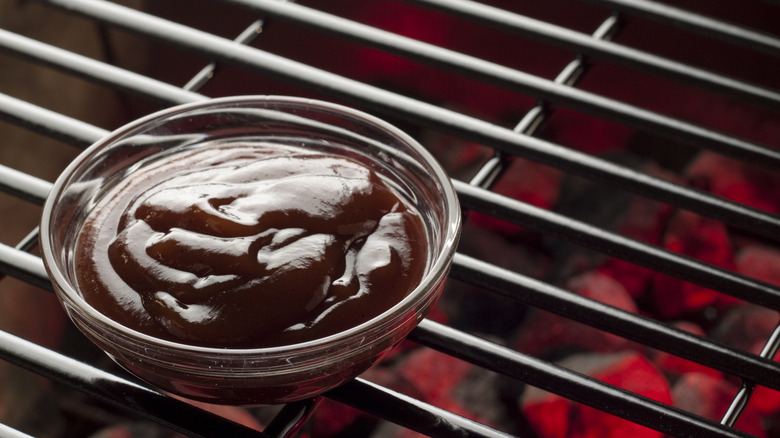
Also known as Piedmont or Western Carolina-style barbecue, Lexington Dip is North Carolina's other favorite sauce. It developed in an area between the Atlantic Ocean and the Appalachian Mountains as more and more people settled the land. The influx of different cultures once again merged to create a tomato and vinegar-based sauce called a "dip" that people would dunk smoked meat into to add an extra layer of flavor without covering the taste of the protein. The condiment combines ketchup and vinegar with butter and sugars to make a rich, slightly thick sauce that will hold onto the meat whether you dip or drizzle it.
Lexington Dip is sweeter than Eastern Carolina-style sauces, thanks to the addition of brown sugar, and is a deep red color thanks to the ketchup. That red color carries into another important element of Western Carolina-style barbecue — the slaw. The tomato base of the sauce is used along with hot sauce when making the slaw that accompanies the meat to give it that same tangy flavor.
Carolina Gold
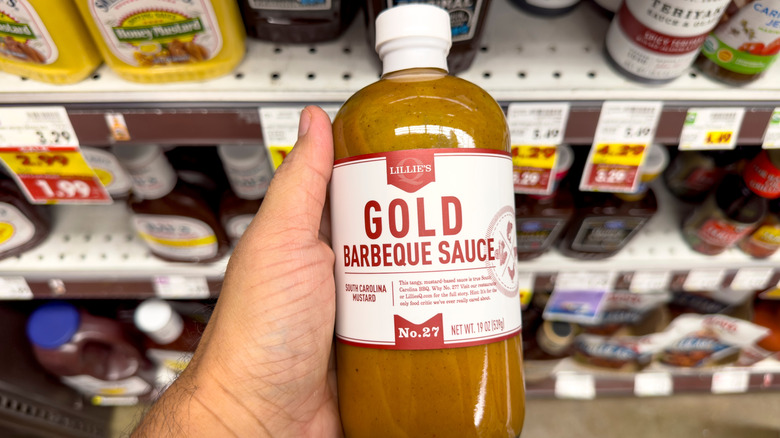
We've talked about two of North Carolina's barbecue styles, so now it's time to take a trip to its sister state, South Carolina. This is the birthplace of a sauce known as Carolina Gold. It's base is made of mustard and vinegar, creating a slightly thick, but easily pourable, condiment with tang, spice, and a deeply yellow color. It's sweetened with both honey and brown sugar to give it depth, while different peppers give it a little kick.
Sometimes called Southern or Original Gold, the sauce is thought to have originated when German settlers' love for mustard combined with easily available ingredients like vinegar and honey. The story makes sense as this area of the state is called "the mustard belt." Until a few years ago, the condiment was a local specialty similar to Alabama white sauce that's primarily put on pulled or chopped pork. And it's another sauce that's easy to make, with many recipes calling for only a few ingredients that take around five minutes or so to thicken on the stove.
Florida Citrus
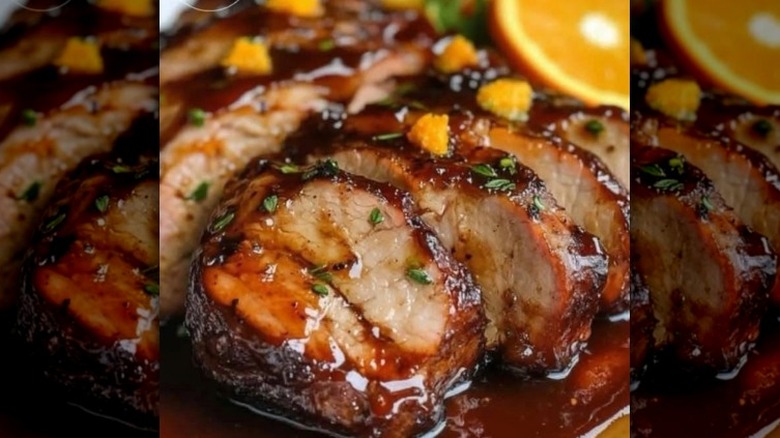
Oranges are the principal component that differentiates Florida Citrus barbecue sauce from any other. Which, duh, since Florida is known for its oranges. While the Sunshine State is not generally at the top of anyone's barbecue destination list, pitmasters are working hard to change that. And the sauce is slowly but surely getting recognition beyond its home region.
Florida Citrus, like pretty much all barbecue sauces, is a combination of several food cultures, including Cuban, Caribbean, and even some Carolinian influences. The sauce has a mustard and ketchup-base that's complimented by a bit of honey or brown sugar, garlic, onion, pepper, and several kinds of citrus juices, including lemon, lime, and, of course, orange. The result is a thin condiment that has a bit of heat, sweetness, tang, and depth. Some cooks even add a variety of fruits and berries to the sauce for even more texture and flavor.
Baltimore Tiger
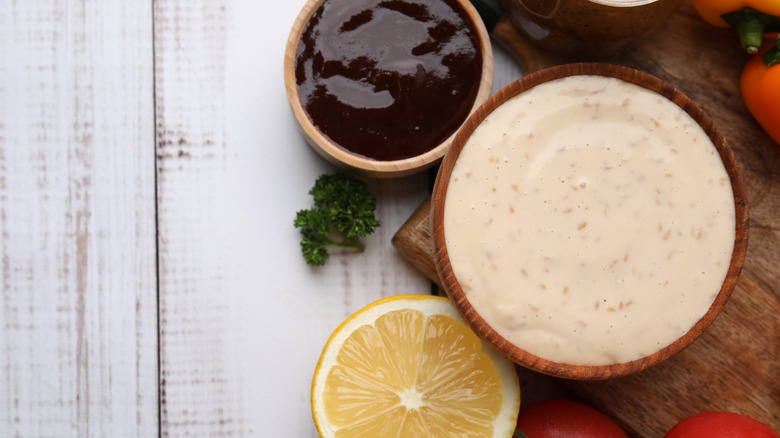
The addition of Baltimore Tiger Sauce to this list might seem controversial, but the city's tradition of cooking beef low and slow has fully earned the condiment a spot. Instead of being smoked over wood, "pit beef" is cooked over charcoal until tender and then sliced thin. It's then piled high on a bun or roll with onions and a spicy sauce.
Sometimes called creamy horseradish sauce, the sauce's more famous name was born from a returning WWII soldier's marketing image of a tiger attacking a German tank. And Tiger Sauce has certainly earned legions of fierce fans, who say the stuff is leaps and bounds above Arby's horsey sauce. The base is made with mayonnaise and prepared horseradish before lemon juice, garlic, and lots of pepper is added. The resulting condiment is thick and tangy with a nice spiciness to compliment the tender, rosy beef it covers.
Owensboro Dip
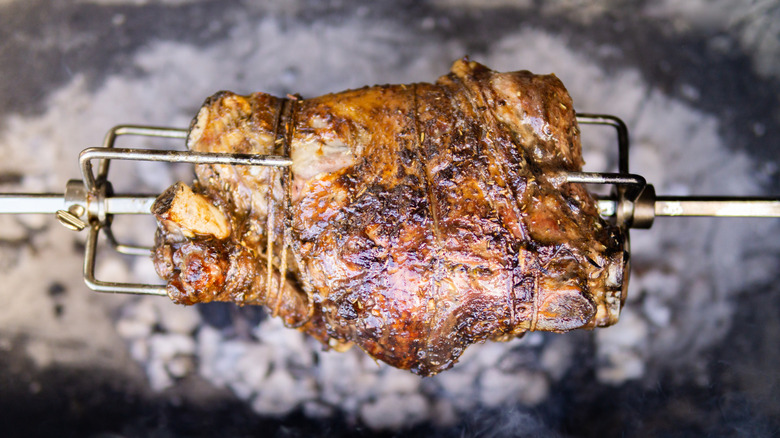
We've talked about several types of meat on this list and the sauces made to accompany them, but Kentucky is one of the last places that has a barbecue tradition based on mutton. The state had an abundance of sheep thanks to immigrants from the U.K. who used the animals for wool as well as food after they'd gotten older. That tough meat would be slowly cooked over a fire's coals until it was falling apart and ready to be chopped into what's now a hyper-local delicacy that's still prepared over hickory wood. And, of course, a sauce was created to go along with it.
Owensboro Dip, sometimes called Kentucky Black dip, gets its color from Worcestershire sauce. The inky condiment also includes vinegar, lemon juice, brown sugar, spices, and sometimes ketchup, hot sauce, and Bourbon. The vinegar is the key ingredient, though, because it helps break down the mutton into something melt-in-your-mouth tender. The dip is a thin sauce that doesn't take long to make. You just have to simmer it until it coats the back of a spoon to meld the flavors before using it on the cooking meat.
Oklahoma
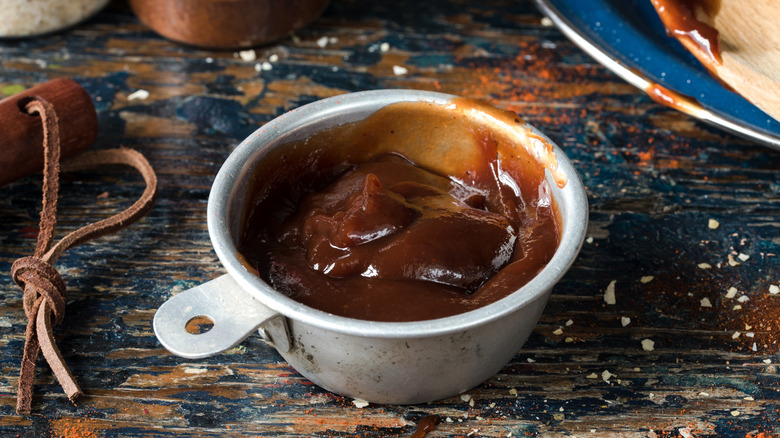
Oklahoma barbecue is a primarily a fusion of Texas, Kansas City, Memphis, and Carolinian styles. It branches into its own thing because unlike the other styles, there are no dry rubs or mopping of the meat required. Instead, the taste of the meat takes full priority, even being cooked over oak logs so the meat doesn't pick up too much flavor from the smoke. This also means the sauce is saved until the meat is ready to eat, and then people can decide how much they want to drizzle on or dip the food in.
But that's not to say the spicy/sweet sauce isn't important, because it is. The tomato-based condiment is similar to a Texas-style sauce but is a bit sweeter (like Kansas City), with a variety of pepper powders and spices, a sweetener of the pitmaster's choice, and, sometimes, fruits. You end up with a thick, red condiment that works with just about anything. If you want to experiment with Oklahoma-style sauces at home, you can try adding fruits like blueberries, or even cherries, for extra texture and flavor.
Nashville
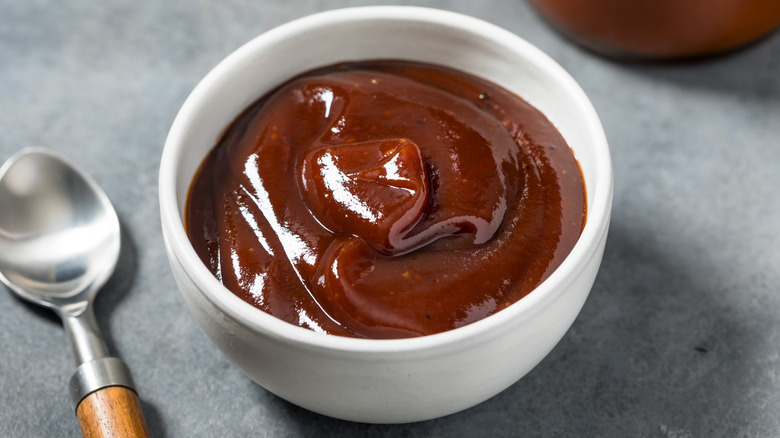
Nashville is typically known as the country music capital of the world, as well as for its famous cayenne-infused hot chicken. But the city has a long tradition of barbecuing, too. While Memphis is all about the pork, Nashville has embraced a wide variety of proteins to cook low and slow. Much like it's chicken, Nashville makes its barbecue sauce smoky and spicy. In fact, some argue that the style is more of a flavor class than a distinct barbecue style of its own. But no matter what side of that fence you fall on, the sauce is still an undeniably crucial component.
Nashville-style sauce contains a ketchup base, brown sugar, molasses, Worcestershire, lemon juice, mustard powder, pepper, and cider vinegar. A dash of liquid smoke is added to give the condiment savory depth and a distinct taste, while the vinegar adds tanginess. So, the next time you're in Nashville and want to try a classic "meat and three" combo, be sure to try the city's own sauce for a spicy zing with the meal.