

Cowboys Always Ate These 12 Foods On The Trail
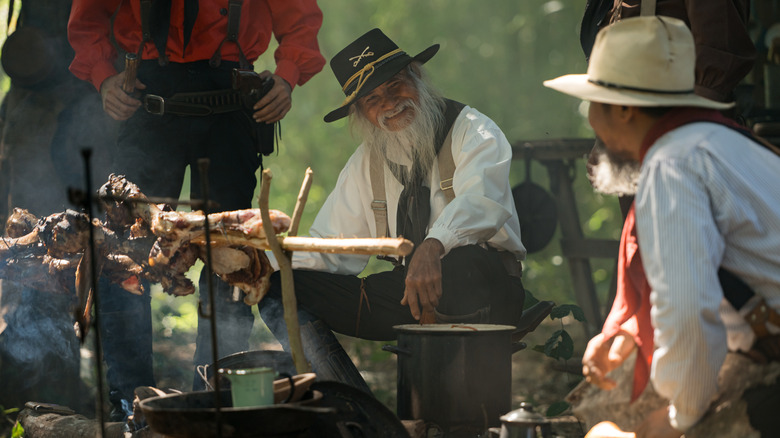
When you have to travel hundreds of miles on horseback through undeveloped wilderness, you tend to get creative with what you eat. Whether it was what they bought at their last stop in civilization or something they foraged along the trail, a cowboy's lack of options produced a unique combination of bizarre and delicious foods that truly epitomized 1800s culture.
A cowboy's diet was much like a sailor's in that it relied heavily on shelf-stable goods they could bring with them. However, unlike those who sailed the seas, cowboys had varying levels of access to forage and game, as well as powerful influences from other cultures. It wasn't uncommon to see cowboys enjoying Mexican meals, particularly if they worked in the Southwest, in territories once owned by Mexico. Additionally, the Industrial Age sometimes gave them access to luxury goods, like canned peaches, even if they were dozens of miles from the nearest town.
You may think they had ready access to fresh meat thanks to all the cattle they herded, but those animals were considered inventory owned by their boss, so dipping into the supply was a major no-no. While the occasional cow may have been culled and harvested rather than allowed to go to waste, protein was still a major consideration when planning a cattle drive, and such random bounties couldn't be relied upon. Overall, the cowboy diet was heavy on carbs, fat, and calories, all important sources of energy they needed to work all day under harsh conditions.
Salt pork was the primary source of protein, fat, and flavor
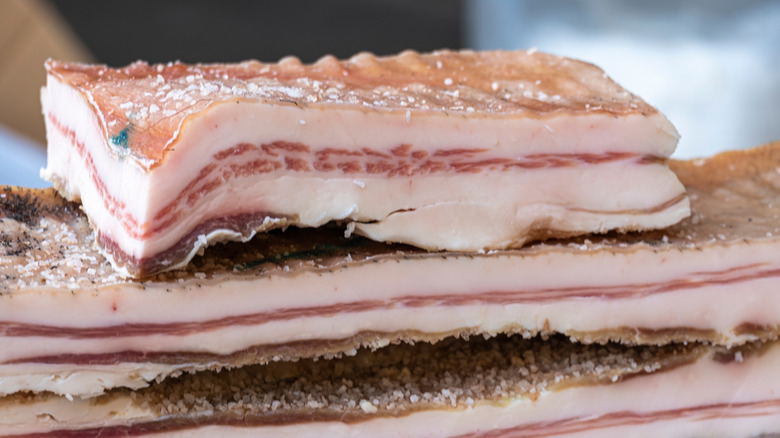
In the Old West, cowboys ate massive amounts of salt pork. It was versatile, shelf-stable, and packed with so much brine that they actually had to soak it before eating. It was a great source of fat and protein and was a welcome addition to everything from beans to breakfast.
Hardtack was the carb staple of many
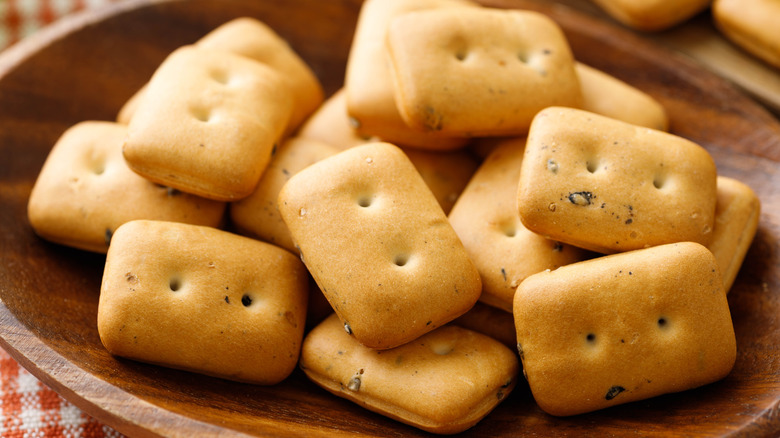
From sailors eating ship biscuits to cowboys eating hardtack, stiff, borderline nonperishable bread was an important source of carbs for any laborer traveling long distances. Hardtack was particularly versatile because you could soak it in stews, porridges, or even mouthfuls of water when you had nothing else.
Sourdough biscuits were one of the most welcome foods from a chuck wagon
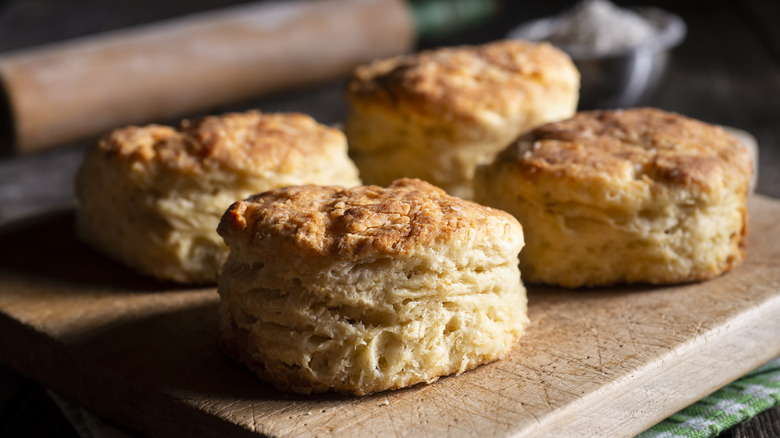
The beef industry's expansion required a logistical setup to keep drovers fed over months on the trail. Once cowboys and their herds had a dedicated cook, morning biscuits became a regular staple and a much-welcome substitute for the emergency rations of hardtack.
Fresh game was a random bounty cowboys loved
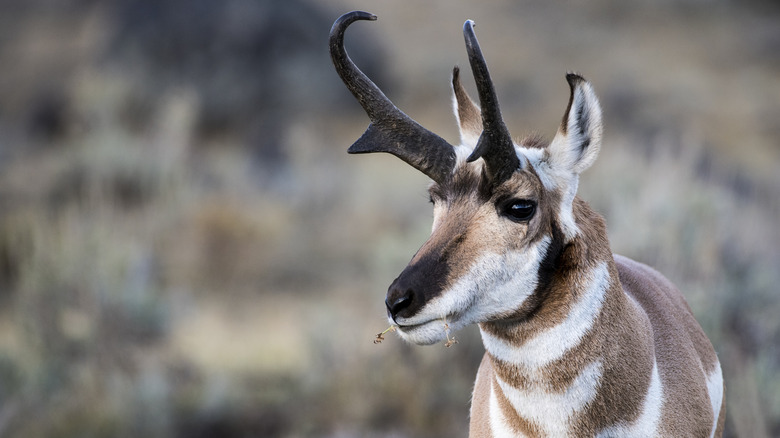
The Old West was an interesting period when the Industrial Age collided with America's natural abundance of fresh game. This meant the rifles cowboys carried to scare off predators could also be put to use securing dinner, and fresh prairie chicken, rabbit, or pronghorn made a nice addition to any campfire stew.
Coffee was a non-negotiable staple cowboys couldn't live without
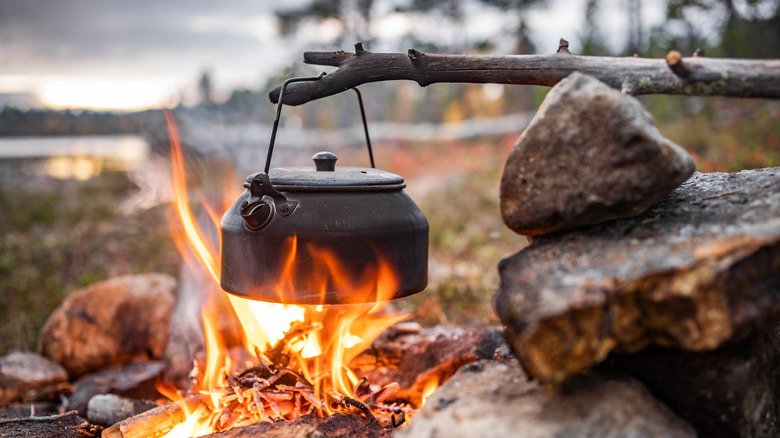
Cowboy coffee is made by letting the grounds simmer directly in the pot, rather than using the modern method of letting water drip through them into a separate container. When it was too early for whiskey but they wanted something other than water, coffee gave them a taste of civilization on the trail while also perking them up.
Chili showed off Central American influences when cooks needed to feed a crowd
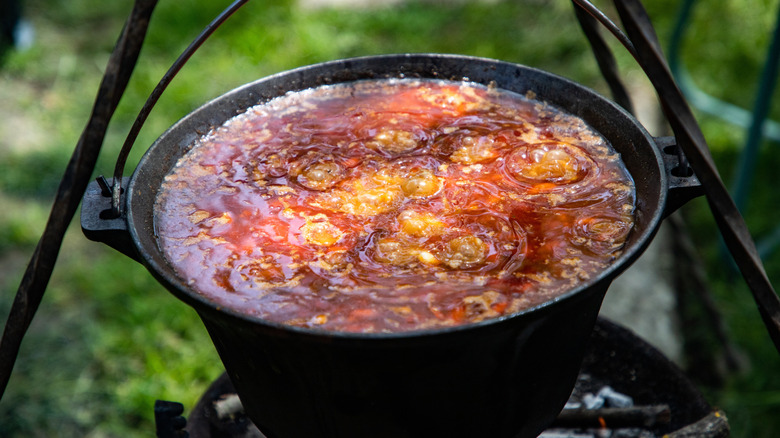
Where there's plenty of beef and beans, there's always plenty of chili. Made from cast-off cuts, jerky, or cattle that couldn't make the long journey, chili is an example of how northern Mexican culture influenced the American cowboy's diet.
Corn dodgers were easy to make whenever corn flour was on hand
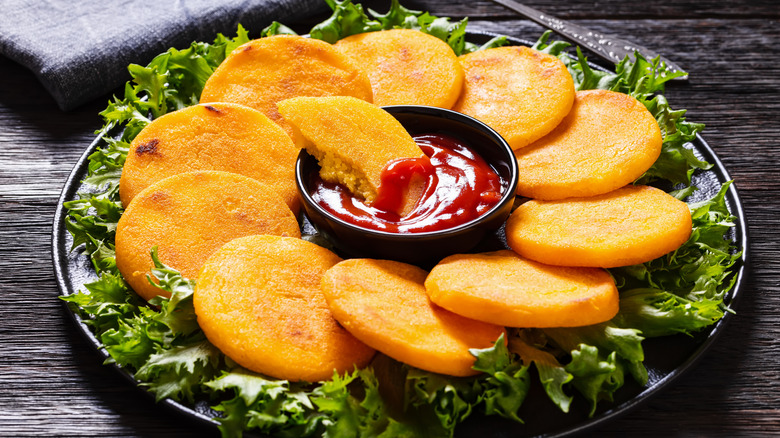
A low-effort version of cornbread, corn dodgers made great use of leftover pork fat. They were an excellent fallback when wheat flour ran low, giving cowboys the calories they needed for a long day of work.
No part of a calf was ever wasted on the trail
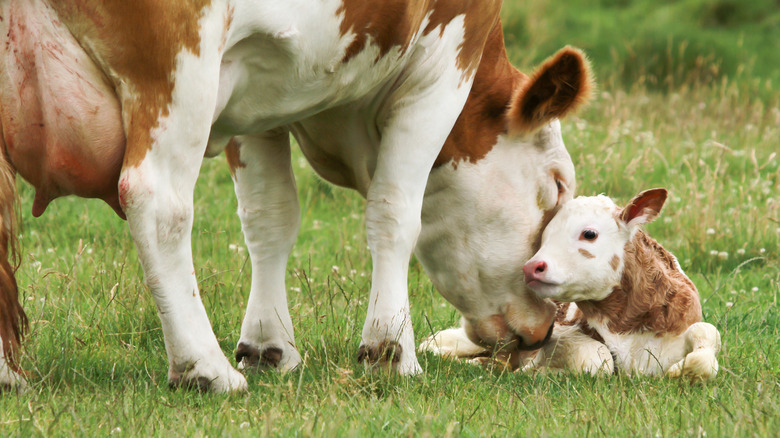
Newborn calves slowed down the herd, so they were often slaughtered shortly after birth to keep the drive on schedule. Often, these calves were the primary source of fresh protein, becoming the star ingredient in a hearty campfire stew that utilized the heart, liver, and marrow gut, while their testicles were fried up in a pan as a delicacy.
Pemmican was an emergency food that stayed good for years
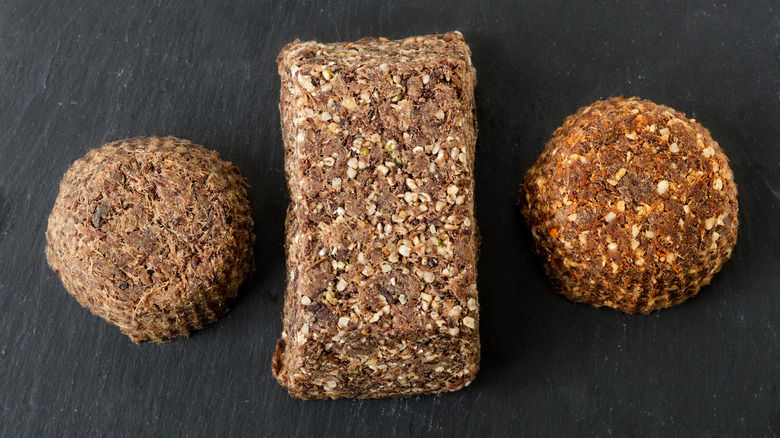
While beef jerky was the standard trail snack, its predecessor, pemmican, was a much-needed staple for high-intensity work. Made by mixing animal fat, dried meat, and whatever dried fruit was on hand, it was essentially a cross between jerky and a granola bar.
Camp bread sometimes replaced biscuits in the morning
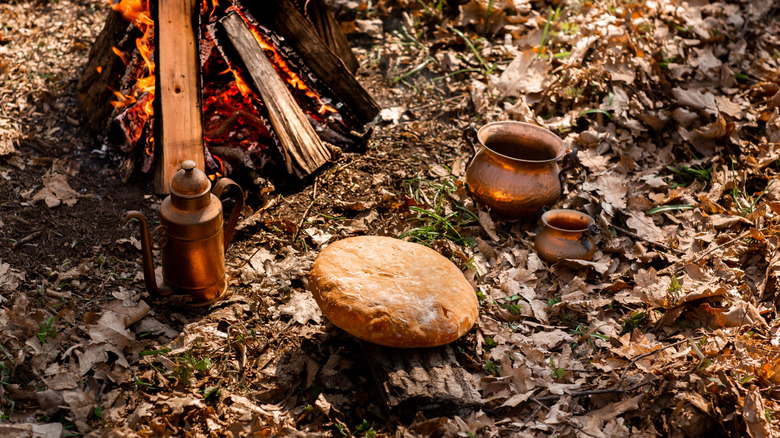
Camp bread (also known as pan de campo) was a welcome change from the monotony of dry biscuits and hardtack. It was thick, flaky, surprisingly tender, and great for sopping up the last bits of stew, butter, and fat on your plate.
Sourdough pancakes could feed an army and give cowboys some sugar
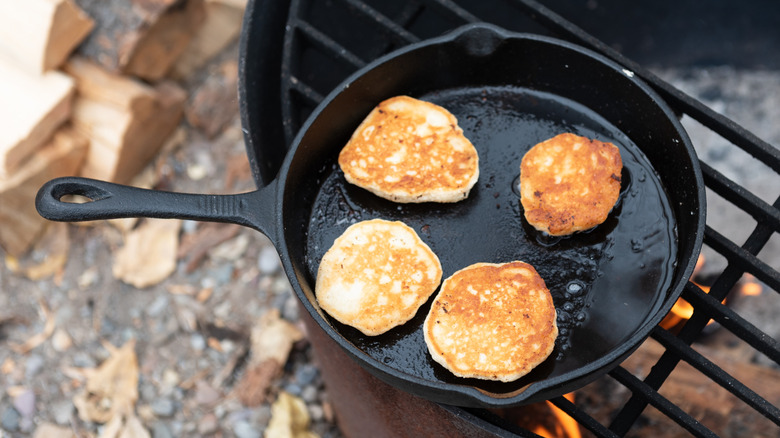
Another innovation that came with the chuck wagon, sourdough pancakes — primitive predecessors of the modern, fluffy pancake — were an easy way to feed dozens of cowboys. They were also a good excuse to use up whatever sweetener was on hand, from molasses and maple syrup to impromptu fruit sauces.
Atole was a vaquero favorite made with what was on hand
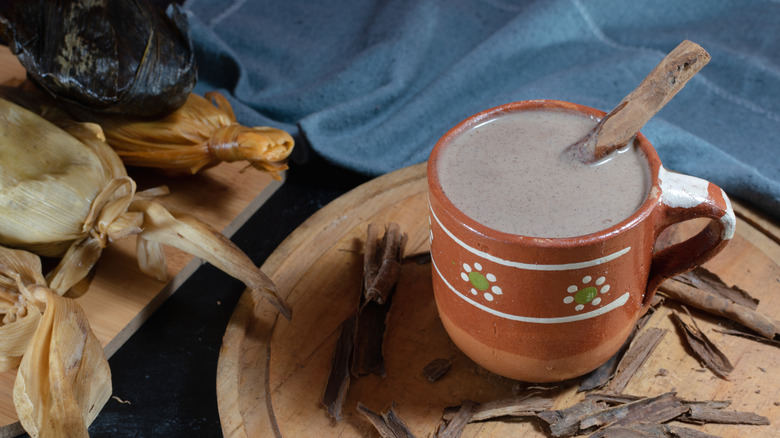
More common among Mexican vaqueros than American cowboys, atole — a sweet drink — has a long history stretching back to the Aztecs. It was essentially water mixed with masa harina and sweetened with whatever source of sugar they had on hand.