

9 Trader Joe's Myths, Debunked
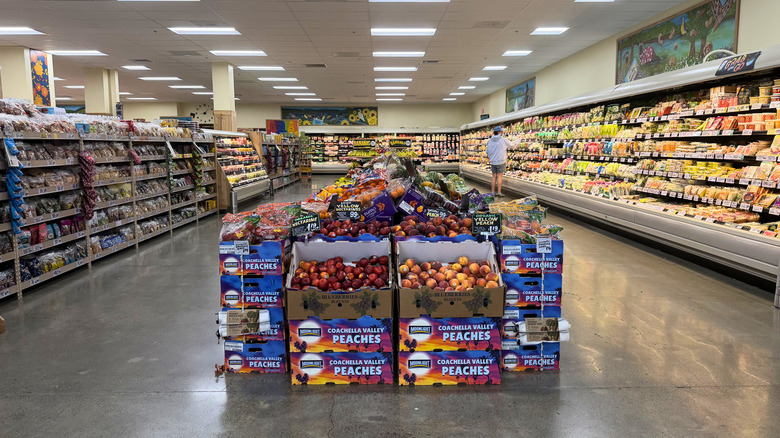
Trader Joe's certainly has a reputation for being different from other grocery chains. From its founding in 1967 (and even the name Trader Joe's has an interesting origin story), the chain has aimed to attract customers with adventurous tastes. Famous for its cult-favorite snacks and friendly employees, it has gained a loyal following, and this popularity has led to lots of speculation about the store and its overall brand. There are several common misconceptions about TJ's. Like many widely loved brands, Trader Joe's has developed a lore of its own, and not all of it is accurate.
The truth is often more interesting than any myths or misconceptions that may be circulating on the internet. Some of the company's most commonly repeated "facts" turn out to be misunderstandings that have spread by word of mouth, on social media, and in online forums. Before you add to the conversation about Trader Joe's policies and products, take a closer look at some of the most well-known misunderstandings.
1. Trader Joe's is a health food store
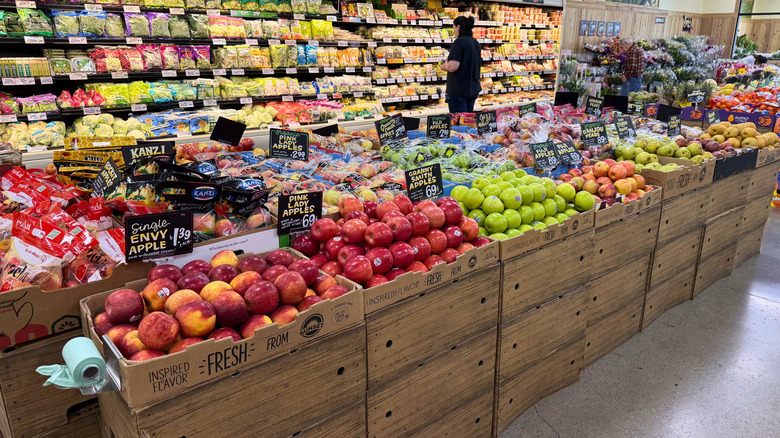
Trader Joe's has built a reputation around freshness and places an emphasis on plant-based foods. It hits hard in its marketing, claiming that many of its products are made with fewer harmful chemicals. Because of this emphasis on recognizable ingredients and whole foods, many shoppers assume that Trader Joe's is primarily a health food store. While it's true that you can find lots of nutritious choices at TJ's that leave out harmful ingredients and are less processed than some of their grocery counterparts, not everything on the shelves is designed with health in mind.
This confusion comes primarily from branding. The store's emphasis on simple packaging and fewer artificial ingredients can create the impression that everything there is automatically healthier than what you would find elsewhere. The store carries a wide selection of produce and protein-focused options, but it is also stocked with chips, candy, desserts, and prepared foods just like any other market. Some products may be healthier alternatives to traditional versions, but many items are sold at Trader Joe's simply because they taste good.
2. You can only get a refund if you return the product

Trader Joe's has one of the more generous return policies in the grocery world, but many people don't take advantage of it because they assume the process is just like it would be at any other store. A common misconception is that you'll need to bring the physical item back to the store to get a refund, and while this certainly helps, it's not necessary in all cases. Many shoppers report that even when they've thrown a damaged or spoiled item away, if they return to the store with the receipt and explain the situation , they have received a full refund. Photos of the unusable item are also helpful with this approach.
This lenient policy is part of TJ's broader customer service mission, which gives employees some flexibility in how to handle customer complaints. If you get home and realize your produce is spoiled, Trader Joe's understands that it might be inconvenient to carry around rotten fruit or vegetables, and so will accept the receipt and a polite explanation. This flexibility falls in line with Trader Joe's philosophy of customer satisfaction and friendly customer service. It's important to not abuse this return policy, but many locations will honor it if done appropriately.
3. Aldi owns Trader Joe's
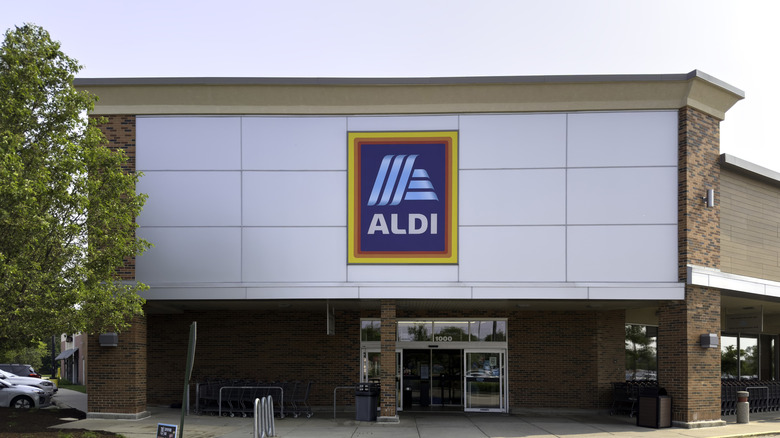
One of the most commonly circulated myths about Trader Joe's is that the store is owned by Aldi. The confusion is understandable, as the two businesses stem from the same family. Two German brothers, Karl and Theo Albrecht, founded Aldi and then eventually split into two separate companies . Aldi branched out by opening additional stores, and Trader Joe's launched and eventually expanded, as well . Over time, both companies developed their own unique brands, with Aldi known for low prices and Trader Joe's for its specialty products.
The similarities are clear: Both stores focus on private-label goods, keep their operations smaller than most grocery chains, and offer more unique products. However, Aldi and Trader Joe's are not the same company and are in fact two completely separate entities that just happened to be owned by two brothers. This mix-up makes sense, which is why people continue to believe this myth despite strong evidence to disprove it.
4. Trader Joe's only sells food
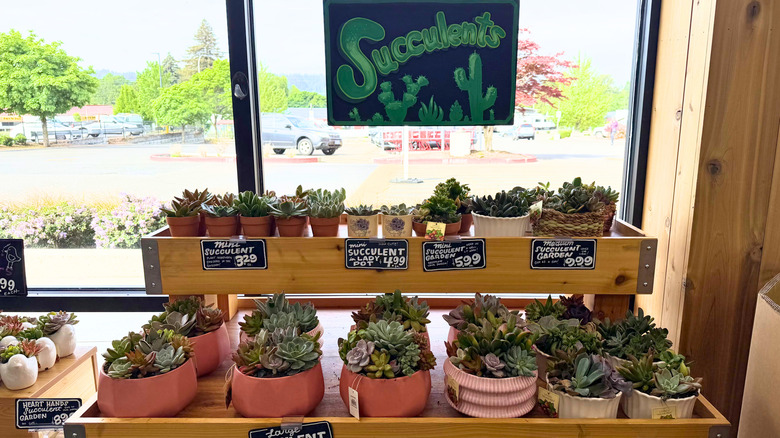
When most people think of TJ's, they probably picture the aisles packed with snacks, produce, frozen food, and the famous specialty and holiday items. However, the store carries a surprising array of non-edible items that shoppers may overlook if they don't know where to find them. Trader Joe's has expanded beyond groceries into kitchenware, household items, beauty products, and even plants.
Flower arrangements and bouquets are one of the most popular non-food items sold at Trader Joe's. Many locations regularly offer rotating selections of potted plants and seasonal flowers so you can freshen up your space every week. The store also carried a fairly wide selection of beauty products, including lotion, skincare, and makeup , often becoming favorites of TJ's shoppers because of the cleaner ingredients and natural scents. Trader Joe's has a loyal following of skincare fanatics who find dupes for high-end skincare right at the grocery store. If you take advantage of all that TJ's has to offer, you may find more beloved products beyond produce and snacks.
5. You can shop at Trader Joe's online

One of the most wonderful and convenient grocery store commodities that has expanded since the COVID-19 pandemic is online grocery shopping. Selecting your food on an app and then having someone else shop for it and deliver it is one of the simple luxuries that many people have grown accustomed to. However, not all grocery chains buy into this process. Trader Joe's has opted out of online shopping, and while it does have a website where you can browse the store's selections, the company does not work with any third-party apps to deliver groceries.
The reason behind this decision is tied to the Trader Joe's business model and customer experience. The company has stated that keeping customers in stores allows them to discover new products, interact with employees, and experience the unique environment that makes Trader Joe's different from other grocery retailers. While shopping and delivery options have become standard in the grocery industry, TJ's is sticking to its mission to keep customers coming through the door. Some customers are frustrated by this if they love Trader Joe's offerings but don't live near a store or face other factors that limit their ability to shop. Still, the store is popular enough that the absence of a delivery program has not diminished sales in any considerable way.
6. Trader Joe's is more eco-friendly than other grocers
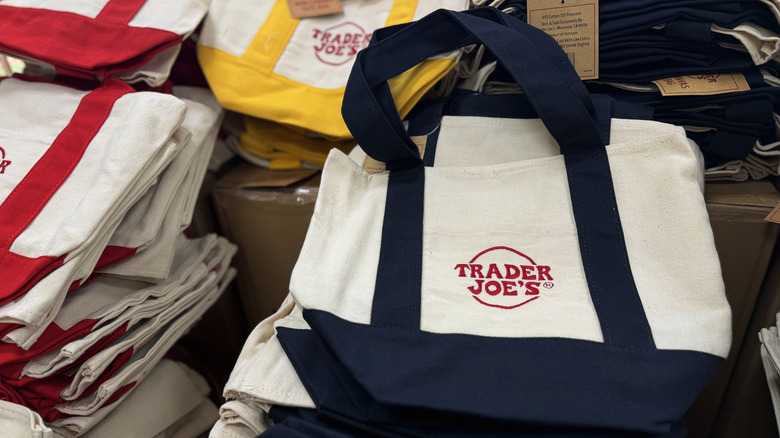
Trader Joe's has created a strong image around simplicity and natural products. Its earth-toned packaging, reusable bags, and organic produce have led many shoppers to believe that the company is one of the most sustainable grocery stores around. However, it's not exactly correct to assume that Trader Joe's is the most eco-friendly establishment. While the company has made efforts in some areas, environmental groups and customers have also criticized certain practices and called for TJ's to release more detailed sustainability reports.
One reason this myth is hardly dispelled in public opinion is that Trader Joe's branding creates an association with sustainability. Most TJ's items have minimal packaging designs and the company often highlights initiatives related to reducing waste. However, environmental organizations have argued that there are still areas where Trader Joe's could make progress, including supply chain transparency and climate-related policies. Like most large grocery companies, Trader Joe's has a significant environmental footprint due to transportation, refrigeration, manufacturing, and packaging. This does not mean that TJ's has no environmentally friendly practices, but the store's sustainability is more complex than some might think.
7. TJ's discontinued items are gone forever
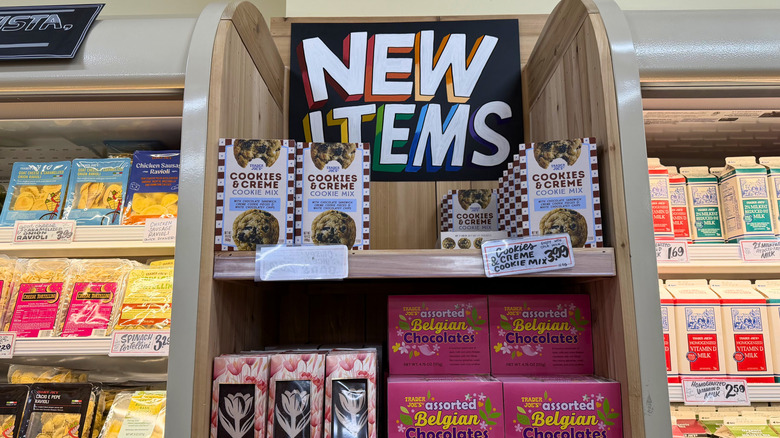
Few things upset Trader Joe's shoppers more than finding out that a favorite snack has disappeared from store shelves. The company is famous for releasing unique seasonal and limited-edition items, which means customers often become attached to foods that may not be available forever. This has resulted in the fear-based belief that once something is discontinued, it will never return to the store. While some items truly never return, Trader Joe's has been known to be influenced by customer feedback and bring back certain products.
Trader Joe's has a dedicated "discontinued products" section on its website where customers can see information about items that have been removed. There is also a dedicated form linked on this page where customers can relay their grievances and request that specific things be brought back to shelves. Online communities dedicated to Trader Joe's frequently discuss discontinued items, with customers sharing memories of old favorites and hoping for their return. Products disappear for a variety of reasons including customer demand and supply chain issues, but just because you can't find an item right now doesn't mean it won't make a comeback at some point in the future.
8. Trader Joe's offers coupons

Coupons are a staple for many people of the grocery shopping experience. Because many grocery stores offer digital and paper coupons, loyalty programs, and promotional discounts, some shoppers assume Trader Joe's does the same. However, Trader Joe's does not offer traditional coupons, discount codes, or a loyalty rewards program due to the company's platform of keeping prices low every day rather than offering temporary sales or special deals. This means customers generally pay the same price whether they shop during a promotion period or a regular week.
Trader Joe's has explained that its prices are low year-round, so there's no need for promotional pricing. The pricing model focuses on selecting affordable products, and since the store stocks private-label items, customers save on packaging and marketing costs. This is certainly a different approach than many large retailers take, but it's become part of TJ's brand identity. The lack of coupons has unfortunately created ample opportunities for scams. Fake offers and discounts regularly circulate online to the loyal Trader Joe's customer base, and TJ's has warned shoppers that these imposters are not in any way affiliated with the store.
9. Trader Joe's has limited free samples
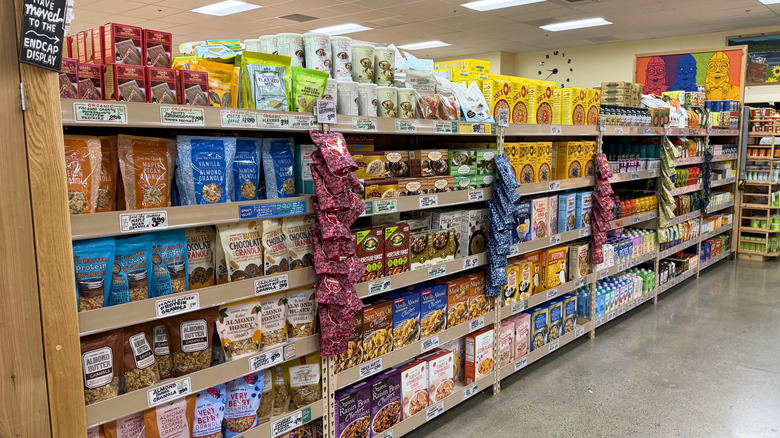
Like many stores, the free sample policy at Trader Joe's has evolved during the years post-COVID pandemic. Many shoppers remember a time when there were a variety of sample station set out throughout the store, offering anything from prepared foods to baked goods. Many locations have reduced traditional sampling practices, especially following changes after the COVID-19 pandemic. Although it's been drastically reduced, sampling is still available at most Trader Joe's locations. Not only can you pick up free samples, but you can ask an employee to try a specific product, and the odds are good that the employee will open it and allow you to try it (a great Trader Joe's shopping tip).
This is a bit non-traditional in terms of grocery sampling, but it's given the store major brownie points with customers who are frustrated with the lack of samples that are readily available. Some TJ's employees even mention that they never mind doing this for customers because the staff gets to enjoy the rest of the item after you've sampled it. This process is another testament to to stellar customer service and staff doing whatever they can to help you find another favorite item.