

11 Common Mistakes To Avoid When Cooking With Nuts
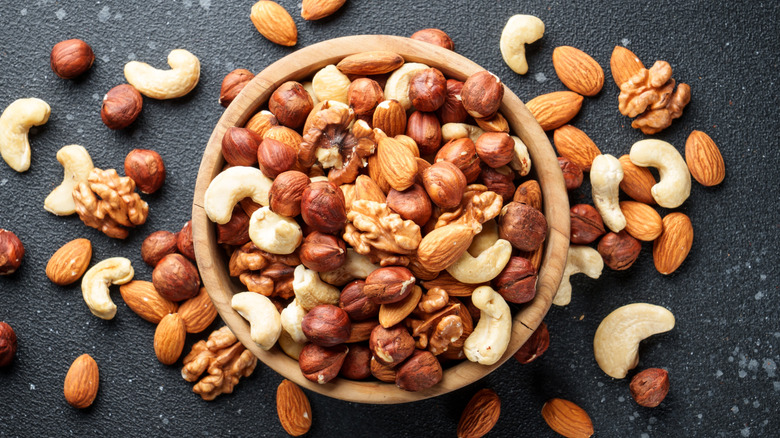
Tired of your salads, desserts, or even stews tasting a little one-note despite your unbeatable seasoning ensemble? Go a little nuts! A handful of toasted nuts can bring buttery richness, earthy depth, savory warmth, and crunch in ways spices alone simply can't. Some dishes don't have much of a life without them; baklava without pistachios is just sad syrup-soaked phyllo, and basil sauces like pesto can taste thin and aggressively grassy without the mellow richness of pine nuts.
And you can't deny it, there's something deeply thrilling about biting into a crunchy pistachio in the middle of a boring lunchtime salad or stumbling across a pecan nestled in an overly sweet scoop of ice cream. But it's not just the crunch that should get you aboard the nut train. Your body might thank you, too. Some nuts are surprisingly protein-dense, even giving the gold standard of protein-rich foods — eggs — a run for their money.
But watch out: Nuts aren't nearly as straightforward to cook with as they seem. There's a little finesse involved if you want to get the best out of them. To keep your nuts from working against you, we've put together a roadmap of the most common landmines you'll run into while cooking with nuts, along with tips and tricks on how to sidestep them like a pro.
1. Skipping the toast
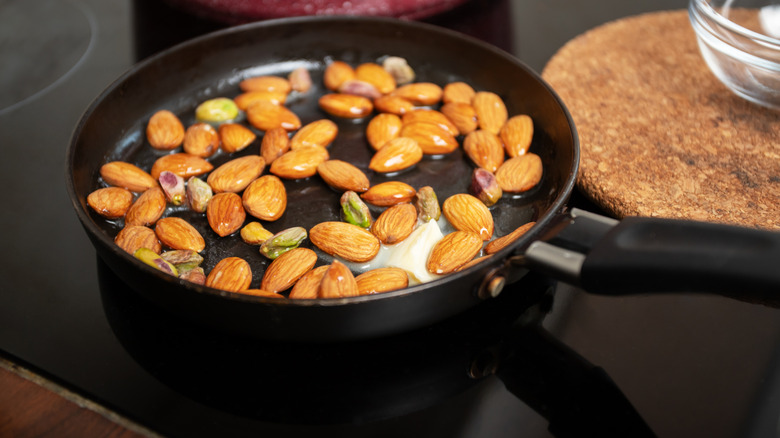
So you're finally sold on cooking with nuts. Naturally, the instinct is to grab a bag from the store — Costco has a very respectable lineup to get started — and get right to cooking. But rein in the enthusiasm for one second, because you might end up skipping one of the most important steps in nut cookery: toasting them first.
When people wax poetic about nuts tasting buttery, roasty, almost chocolatey, they're usually not talking about the raw stuff. Recipes often assume you already know this, so they won't jackhammer the point of toasting your nuts. It's really on you to squeeze that step in, and you won't regret remembering.
Toasting your nuts, whether in the oven or in a skillet, pulls moisture from the interior, giving you that toothsome crunch. It also fires up the biggest flavor engine: the Maillard reaction. Under gentle, sustained heat, the sugars and amino acids in nuts start reacting, creating browned pigments and building those coveted savory, caramel-like flavors. Some of the intermediate compounds from that reaction can also break down through a process called Strecker degradation, releasing the roasty, coffee-esque aromas that make toasted nuts smell good.
Still, toasting isn't holy writ. If you like your pesto bright, sweet, and grassy, leave the pine nuts un-toasted and let the basil stay front and center. You should also consider skipping the toast if your nuts will end up fully exposed to oven heat anyway, like when making candied nuts.
2. Over-toasting your nuts
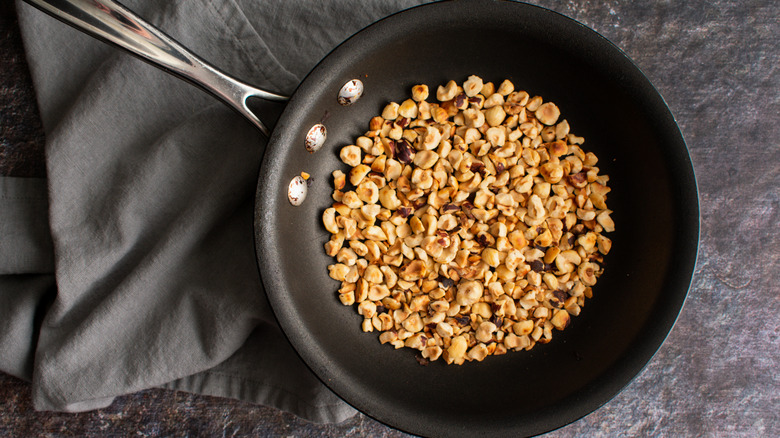
Toasting your nuts really isn't one of those start-it-and-leave-it kitchen tasks. You need to keep a close eye, or they might slide right past that golden window and burn. This is especially a huge risk with delicate guys like pine nuts or pistachios, which tend to have shorter doneness windows than say, chestnuts. You might still get some use out of slightly over-toasted nuts in bolder dishes, like a mole-style sauce, but in most recipes, the harsh, bitter taste of burned nuts will seep into everything and make the whole thing inedible.
To stay on the safe side, keep the heat gentle when toasting nuts. Scientists generally put the sweet spot somewhere around 250 F to 320 F, which, in stovetop terms, roughly means low to medium-low. Most nuts will toast in under 10 minutes, but your nose is usually the better guide. Don't wait for the surface to go full golden-brown. Once the kitchen smells warmly nutty, that's your cue to get them off the heat.
And go easy on the oil — or skip it entirely. Nuts come with their own fat supply, so they don't really need it. Also, oil heats fast, which means you won't have as much room to finesse your way through that short toasting window. And if you overshoot the heat even a little, the oil can scorch the exterior before warmth has made its way into the nut's interior, leaving you with nuts that are somehow both burnt and raw.
3. Not adjusting the salt on the recipe
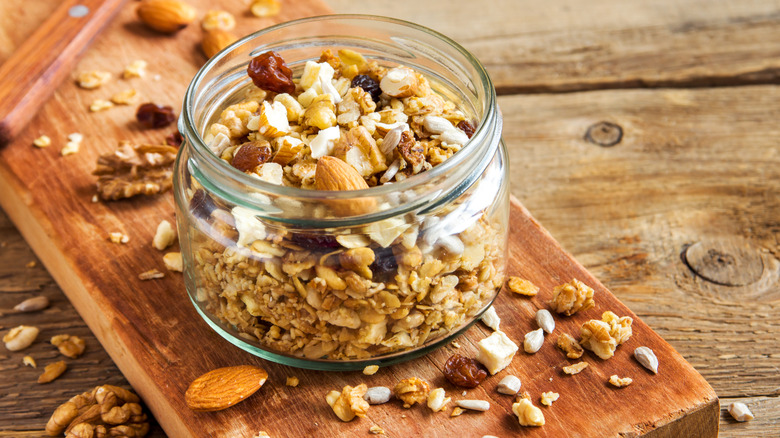
Yes, buying nuts already toasted and seasoned saves you work. But if you're putting nuts in a recipe, you're usually better off sticking with the plain guys: raw, un-toasted, and unseasoned. Raw cashews, for instance, are generally low in sodium, packing just shy of a milligram per ounce. The salted kind, on the other hand, can push upward of 120 milligrams per ounce. All that salt will end up getting dumped into your food, and unless you adjust for it, it can completely throw off your seasoning.
Of course, there are times when salted nuts aren't a problem. You need not worry too much if you're sprinkling them over ice cream or folding them into peanut brittle. In those cases, that salty zing is part of the fun. But if your nuts are headed somewhere more sensitive — a braise, a reduction sauce, or a salad dressing — you need to know how much salt your bag is bringing in and adjust accordingly. If you cook by the numbers, the nutrition panel can help you figure out how much salt to pull back from the recipe. But if you're going by instinct, it's best to skip the salt until after the nuts have gone in, then taste and adjust.
4. Using the wrong nuts for the job
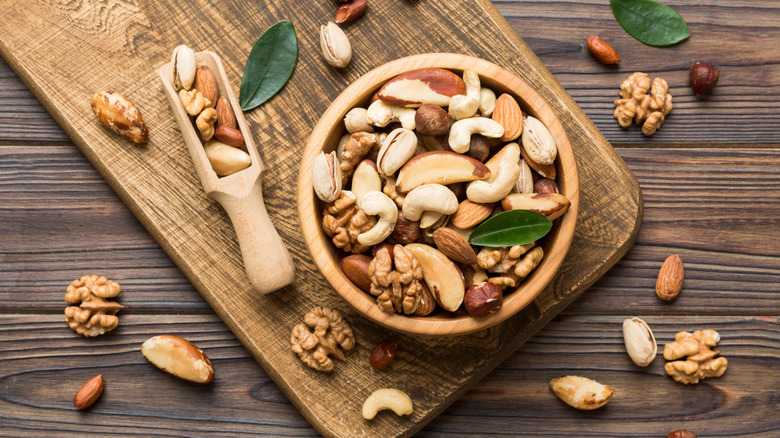
You've got to be pretty discerning about which types of nuts you use and for what. If your goal is to create a texture contrast, you can't just reach for any nut. Cashews, for instance, are more creamy than crunchy, so they won't give you the kind of toothsome satisfaction you'd get from an almond.
They do, however, disappear nicely into sauces, so they're pretty handy for delicate dishes that need just a touch of buttery richness, gentle body, and soft, barely-there bite. Almonds, on the other hand, don't purée quite as seamlessly. You'll love them when you want a little body and maybe even some pleasant grit in your dish, like in homemade marzipan or rustic romesco.
You'll get nuttiness from just about any nut, but some bring a lot more to the party than others. Pistachios, for instance, are pretty light, so they really come into their own in dishes that need just a touch of sweetness and, of course, a vibrant pop of green — like Turkish and Middle Eastern baklava. Peanuts, on the other hand, will serve you pretty well if you want body and a lot of nuttiness. They work beautifully in big flavor dishes like pad Thai-style noodles, satay-style marinades, Mexican mole, West African stews, or really anywhere where their bold nuttiness has enough seasoning to spar with. Stay away from them when making delicate dishes; the bold flavor can end up bulldozing the entire meal.
5. Adding nuts too early to wet dishes
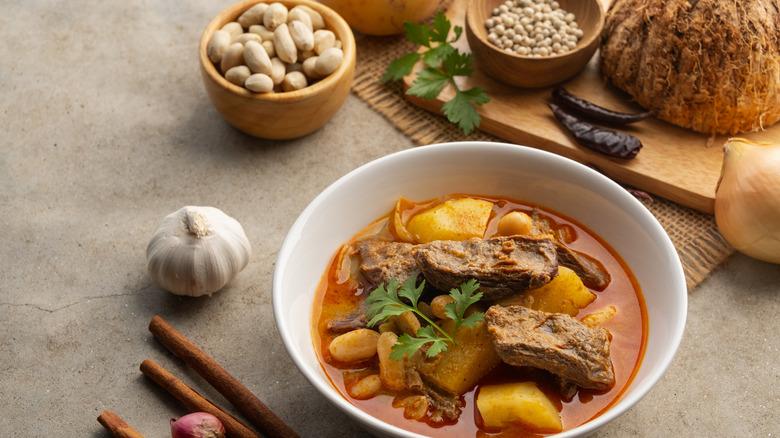
Cooking with nuts isn't a free-for-all. You can't just fling them willy-nilly and hope for the best. Timing matters, especially with wet dishes. If you're trying to create texture contrast, adding nuts while the dish is still a work in progress is a pretty ill-advised move. The moisture from your braise, stew, sauce, or dressing will migrate into the nuts, softening them and knocking down the crunch.
Bad timing will also completely undo all your careful toasting. Moisture migration can cause those nutty, roasted notes to leach into the dish. Instead of getting distinctly crisp, caramelized pops of crunch, you'll end up with a general nutty haze, which can completely throw off the character of your dish. You might be able to salvage things a bit, depending on the nut and the dish. Cashews, for instance, are a little more forgiving. You'll lose the crunch, sure, but their mild, buttery creaminess is unlikely to drastically change how the dish eats.
Walnuts, on the other hand, are much harder to call to heel. These will give your entire dish a woodsy, tannic flavor if added in too early, which will work just fine in pesto, pasta sauces, or even tarator sauce, but will absolutely douse the party in, say, a walnut sweet and sour stir-fry. In those cases, you want contrast more than depth, so you'll be better served holding the walnuts until the last possible minute.
6. Not checking if your nuts have gone rancid
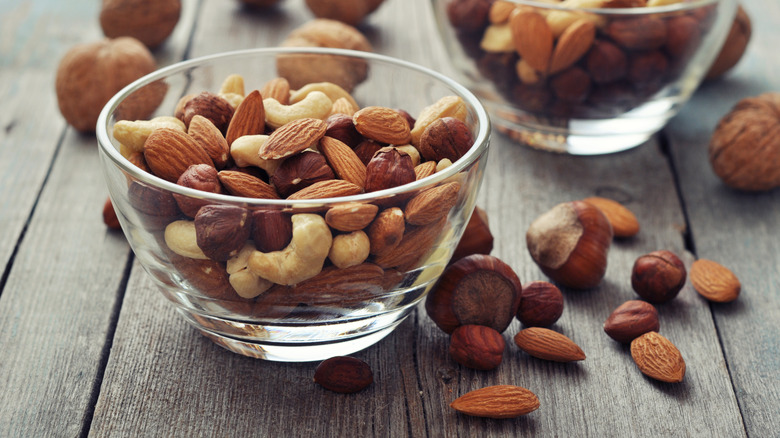
Nuts might give the impression of hardiness, but they're surprisingly delicate. Because they're packed with unsaturated fats, they're vulnerable to oxidative degradation. The process can alter their flavor, turning them from buttery and sweet to sour, bitter, stale, or even paint-like.
Nuts that have gone rancid might still look just fine, so you may not be able to tell they've gone bad at once, especially if they're packaged and vacuum-sealed. You've got to be more discerning if you want to avoid purchasing a rancid batch. Trust your senses. Give the nuts a firm squeeze first. If they feel greasy, rubbery, or oddly soft, that's your cue to walk away. Then, bring in your nose. Fresh nuts should smell pleasantly nutty; mild, sweet, buttery, or toasty. If you're getting notes of musty wood, paint, or old oil, that is not the batch for you. Still unsure? Bite off a small piece and taste it. Put the bag down if it's bitter, sour, metallic, or stale.
You'll also need to keep an eye on your nuts once you get them home. Oxidative deterioration can kick in surprisingly fast, especially when they spend too much time exposed to light, air, moisture, or warmth. Store them in dry, airtight containers to keep humidity and oxygen from turning them stale. The warm little microclimate of your pantry is also not ideal, so consider moving your nuts and nut butters to the freezer if you're aiming for longevity.
7. Crowding the pan
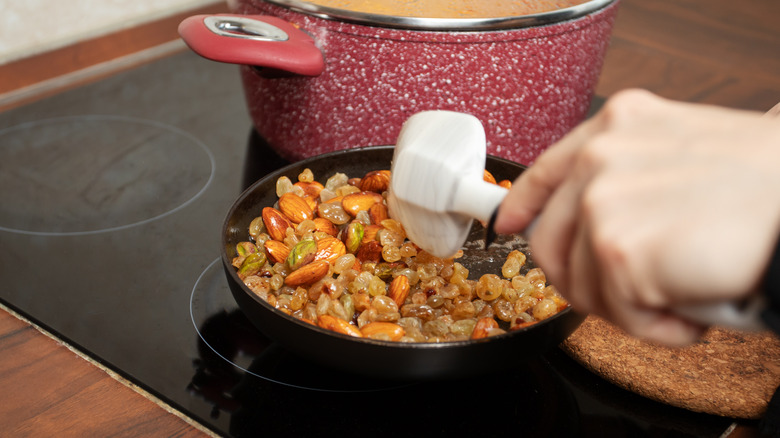
Sometimes you only need a handful of nuts to fold into a salad or scatter over dessert. But what if you need a bigger haul — say, enough for a braise, stew, or party-sized topping? The instinct is to grab however much the recipe calls for, dump the whole lot into a skillet, and start toasting. But you're rarely going to get a good result with this route.
When you pile your nuts on top of each other, moisture gets trapped in the heap, derailing the Maillard reaction and robbing you of those browned notes you get from a good toast. Rather than crunchy, they might end up on the chewy, rubbery side.
You also lose a lot of control when you toast a huge batch of nuts at once. For a proper toast, you need to keep stirring to redistribute the nuts and make sure they heat evenly. With a big batch, there's really no telling which nuts have spent enough time in contact with heat and which ones have been hiding out in the pile, so you can end up over-toasting some pieces while others are still very raw. To give your toast a fighting chance, leave the big batches to the oven. And don't cram everything onto one pan, either. If you're working with a large batch, use two pans, spread the nuts evenly in one layer, and rotate them halfway through so everyone gets their fair share of heat.
8. Over-processing
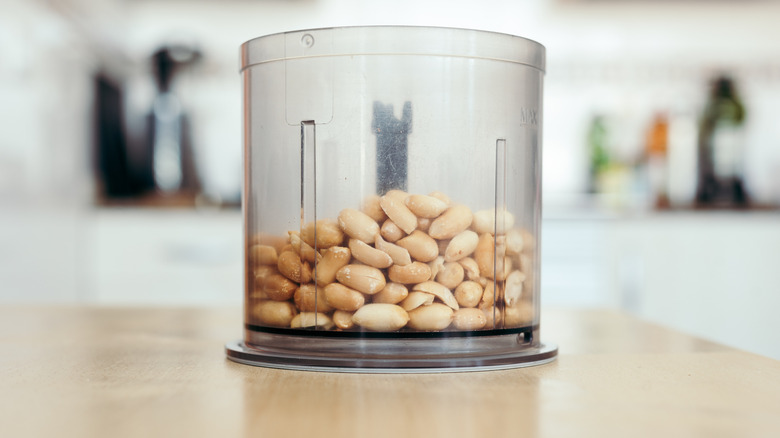
Toasting aside, nuts usually need a little more backstage prep before they're ready for the dish. Recipes rarely call for whole toasted nuts as-is. More often, you'll need them chopped, ground, or crushed into something usable. Here lies one of the biggest landmines when cooking with nuts: over-processing.
You really can't just pack your nuts into a food processor or blender and let it rip. If you're going for distinct bits of crunch, keeping your nuts in the blender longer than they need to be there will turn them into nut meal. Nuts also release oils when processed, so if you push them too far, they can turn oily or clump up, which means they won't disperse evenly through batters or fillings. And, of course, depending on how long you let the processor run, your nuts might just turn into nut butter.
The nutty flavor also intensifies the more oil is released during processing. That isn't necessarily a major problem with most nuts, but with bossier nuts like walnuts and peanuts, the amped-up nuttiness can land your dish on the heavy side — or worse, give it intense tannic notes.
To keep from overshooting with the processor, use the pulse setting. One-second pulses should give you enough room to finesse the texture. And like with toasting, work in small batches, especially if you're using a blender. Large batches mean the pieces near the blades might get chopped into dust while the guys at the top are still whole.
9. Using them too hot or too cold
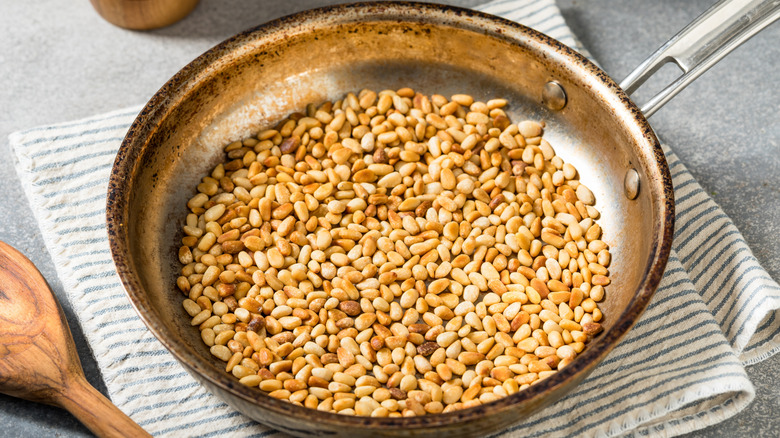
A little patience goes a long way when cooking with nuts, and nowhere does it matter more than right after they've been toasted. They may look ready to go into the dish, but give them a beat to cool down before they join the party. Freshly toasted nuts may have shed the moisture they need to become crunchy, but they still need that cooling-off period to firm up and crisp properly. Using them too early is a surefire way to deprive yourself of that crunch you were after.
Piping hot nuts will also completely ruin cake and muffin batter. The heat from the nuts will thin out the batter and activate the leavening too early, taming the final rise. Warm batter also lends itself pretty well to a common baking mistake: over-mixing. This can encourage more gluten development and cause your cakes and muffins to turn out dense and chewy.
Don't veer too far in the other direction, either. Straight-from-the-freezer nuts can leak oil when processed; a little blitzing may be all they need to turn into a clumpy, greasy mess. Even if you do manage to process them to the desired consistency, cold nuts can drag down the temperature of your dish. Sometimes, that's harmless, but if you're working with something temperature-sensitive — like homemade candy — a drastic temperature shift can cause the mixture to seize or set before the nuts are fully incorporated.
10. Buying chopped nuts ahead of time
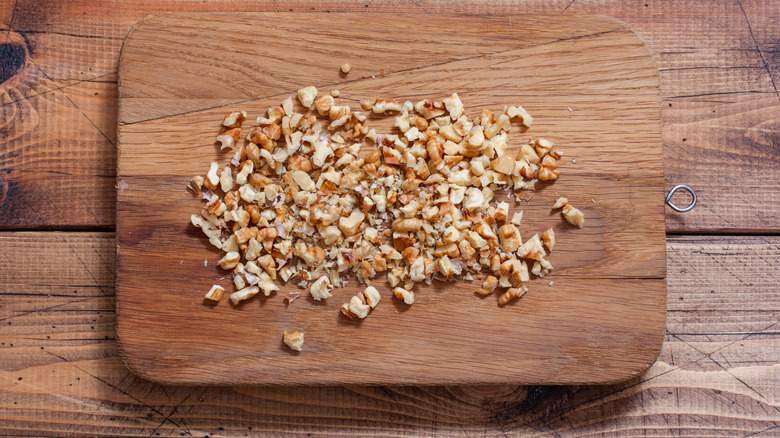
Buying chopped nuts is pretty tempting. They've already done most of the prep work for you, so all you need to do is get right to using them. But that convenience may come at a cost. The biggest one is spoilage. Chopping increases the amount of surface area exposed to air and humidity, which means chopped nuts are much more vulnerable to oxidative deterioration than whole nuts.
Depending on how long they've lingered in storage, you might still get some use out of them. But there's a chance you'll end up with something a lot staler and flatter than what you'd have had if you'd stuck to buying them whole. You'll also be hard-pressed to get the exact consistency you want with store-bought chopped nuts, which typically include a mishmash of large pieces, tiny shards, and dusty nut meal. That's marginally fixable with a little additional processing, but you'll run the risk of pulverizing them beyond use.
Chopped nuts also don't lend themselves easily to toasting. Because they have more exposed edges, they can burn quickly or cook unevenly unless you hover. To save yourself the hassle, buy your nuts whole — ideally raw — then toast and chop them yourself. And don't be tempted to roast and chop a huge batch to use later, or you'll end up with the exact problem you were trying to avoid.
11. Not soaking raw nuts that need it
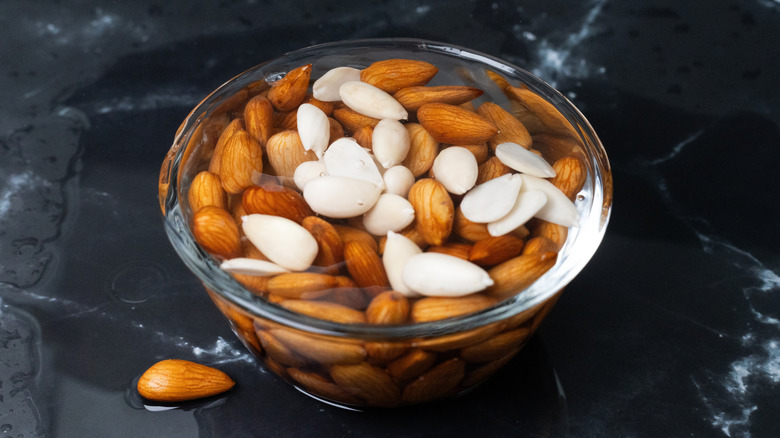
So you've side-eyed the chopped, toasted, and salted nuts and picked yourself raw, whole nuts, as you should. You might be eager to use them immediately, but hold off a bit. Some raw nuts need soaking before they're ready to toast. For the nuts that need it, soaking softens the interior, making them easier to blend into soups, sauces, and creamy desserts. It might also amp up the flavor and give you a crunchier result when you get to toasting.
Soaking is not a cardinal rule. Dense, hard nuts like almonds, hazelnuts, and pistachios can benefit from a long soak, especially if you're using them for soups, sauces, or creamy desserts. Leave them in water overnight, or even longer, to soften them up and make them easier to blend. You'll likely get away with skipping the soak with softer nuts like cashews and macadamias. They might be easier to work with if soaked, but there's also a chance they'll lose some of their clean, buttery flavor if you soak them too long. If you really must, soak these for no longer than a couple of hours.