

Avoid These 11 Rude Restaurant Behaviors For Your Server's Sake
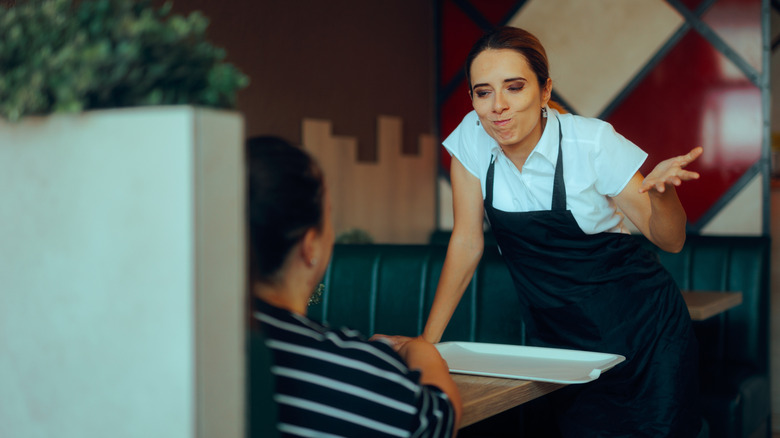
Being a restaurant server is an exhausting job. You've got long working hours, demanding conditions, and low levels of control — all factors that contribute to stress. In fact, a 2015 study published in the journal Neurology found that servers have a significantly higher risk of stroke than people with less stressful gigs, mostly due to the imbalance between personal control and job demand. With that in mind, you may want to try to be a little more courteous to your favorite waiter or waitress, and try to avoid impolite restaurant behaviors that drive them nuts — and no, we're not talking about keeping your elbows off the table.
But what exactly qualifies as rude restaurant behavior? Setting matters, but even your casual local eateries have standards of what is and isn't acceptable. While they might not be as rigid as some of these bizarre rules within the fine dining world, there are definitely a few habits that you want to avoid for your server's sake — some of which you might be surprised to learn about. Fortunately, we're here to help ensure you'll never be that customer who the staff complains about after hours.
Telling the server you're in a rush
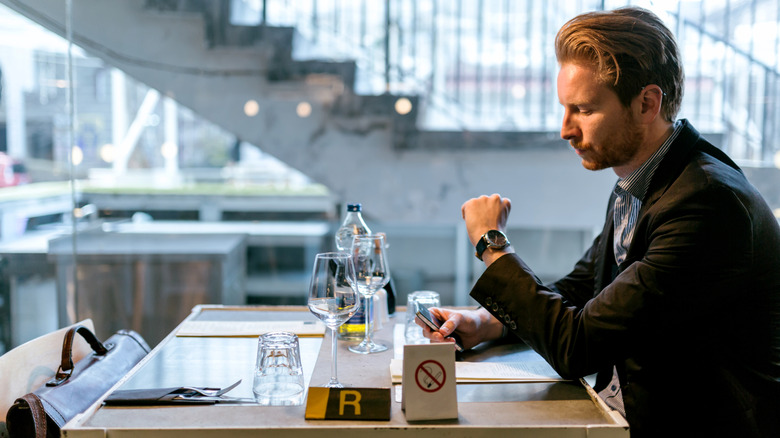
Servers far and wide loathe the group who comes into a restaurant, plops themselves down, and hurriedly says that they're in a rush. Expecting waitstaff to serve you faster just because you're short on time is a massive headache for most servers — and the headache is two-fold if you order something like a well-done steak. A server can't make your order arrive quicker or ignore other customers on your behalf.
It's not your server's problem if you have a meeting in 30 minutes or a flight you need to catch. Time management should be placed on the customer, not the server. While some employees will try to accommodate hasty diners by closing the customer out as soon as they've ordered and handing them the bill, a server still can't make those plates appear any faster — especially if you've ordered a dish that requires cooking. Asking where your food is 10 minutes after ordering is considered pretty rude by most servers' standards. So if you happen to be hungry and pressed for time, consider using fast food options or a fast casual service instead.
Pretending your dog is a service animal
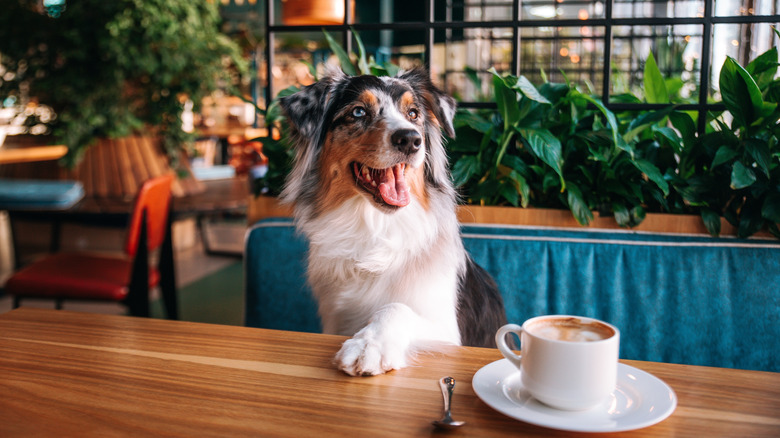
Restaurant staff understand that you love your pet, which is why many eateries have an outside patio for diners and their canine companions. However, servers do find it rude when you try to sneak your pet inside or claim it's a service animal when it clearly isn't. While service dogs can go anywhere their owner goes despite the business' pet policy, the same is not true for other animals.
To those hoping to bring non-service dogs to a restaurant, always call the eatery ahead of time and ask them about their pet policy — many restaurants have outdoor patios where non-service dogs and diners can sit together. Still, if you'd like Fido to join you for your dining experience (and the restaurant confirms this is acceptable), it's best to only do so if your canine is well-behaved.
Servers do find it awkward when dogs invade their personal space, excessively sniff, nose, or nip at them. While restaurant workers definitely don't appreciate dogs begging other patrons for food or barking excessively, they are generally welcoming to those who sit quietly under or beside the table.
Treating the restaurant like your living room

It's important to remember restaurants are public spaces that are shared with other diners and restaurant staff. It's a huge pet peeve for servers when customers act as though an eatery is their own private living room, loudly watching videos on their devices and talking on the phone. Diners should do their best to be respectful of servers and other patrons, minding their language, volume level, and basic manners. Doing so almost always ensures you'll get better service.
Additionally, try to remember that waiters and waitresses are not maids or janitorial staff, so please don't leave your table looking like a natural disaster just unfurled on top of it. While dirty dishes, napkins, and utensils are expected to be left behind, leaving food on the chairs, floor, or scattered all over the table is pretty unacceptable. Servers understand that kids can be messy, but if it looks like a tornado just hit your table, you may need to rethink your dining etiquette.
Eating half your food and then sending it back

If your order is incorrect or not cooked to your liking, a diner always has the right to politely send it back and should absolutely inform their server. However, servers do find it slightly annoying when patrons consume a good deal of the dish before informing them about the issue or wait until the very end of the meal to let them know. Why is this? It can seem like the patron is angling for a free meal, even if you were actually just too shy to complain.
It's frustrating for many servers if you wait until the bill to say that you didn't enjoy your item, since at this point there's nothing much they can do. A good server will intentionally check on you shortly after your food comes out, allowing you enough time to take a few bites. This is the window to mention if anything is wrong with your food, whether it simply be that the dish is cold or your seafood was overcooked. So speak now or forever hold your peace! Servers want you to enjoy your meal, not suffer in silence.
Letting your children run amok
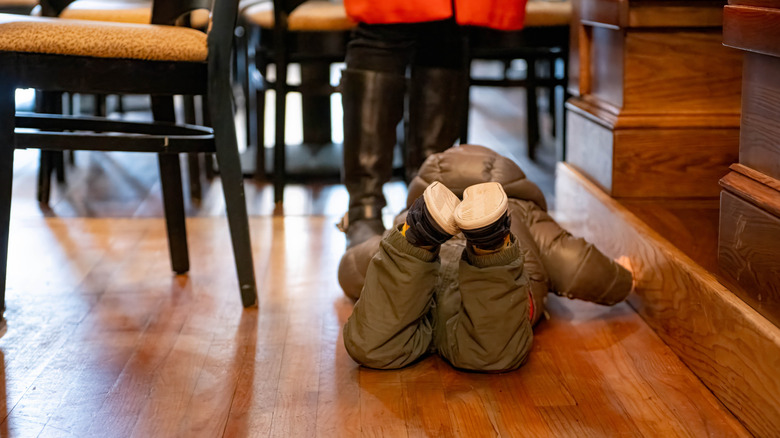
Even if a restaurant is family-friendly, this is not an open invitation to let your little ones run around the premises like wild dogs. Not only is such boisterous behavior disruptive to other diners, but children can also put themselves in harm's way by colliding with servers carrying hot plates of food or full beverage trays. It doesn't matter if customers are dining in a casual-style buffet or a high-end eatery — children frolicking about while no one watches them is a hazardous faux pas.
Restaurant staff understand that being a parent is a tough gig, and those who take their children out with them may be unable to afford babysitting. Despite this, caregiving duties are not part of restaurant employees' job responsibilities, and to foist them on your server because you're exhausted is considered pretty rude behavior. While refilling drinks, taking orders, and bringing you the bill are standard server duties, daycare is definitely not.
Dining out when you have a cold

Sick diners are another common pet peeve mentioned by waiters and waitresses. If you're sniffling, coughing, or have a fever, please do your server a favor and order to-go instead. Everyone from the hostess that seats you to the server who takes your order can tell you're sick, and they don't appreciate the increased risk to their own health. Servers already have heightened exposure to germs due to handling used plates, utensils, and napkins, and they often don't get sick leave. That means if your server catches the flu from you, they might be out of a week's worth of pay.
Even if you aren't ill and are simply suffering from a chronic condition like allergies, servers greatly appreciate diners politely excusing themselves to visit the restroom if they need to blow their nose or begin coughing excessively. After all, no one surrounding you knows whether you're contagious or not. In addition to your server's feelings about this, many customers also find blowing your nose exceptionally rude in a space where people are eating and drinking.
Getting too rowdy or becoming visibly intoxicated
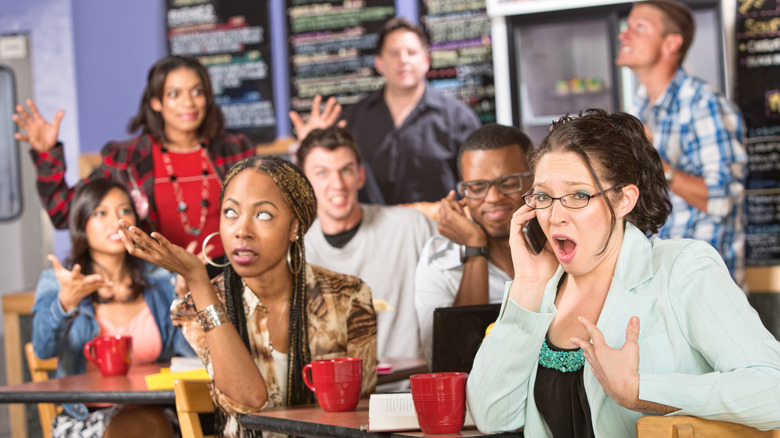
While you and your party might be having a rollicking good time, everyone else in the restaurant might not feel the same — including your server. Rowdy patrons can impact other diners' enjoyment of their meal, possibly leading them to tip less than they might have had their dining experience been less noisy. Naturally, few can expect this to be something that restaurant employees appreciate.
Respect the other diners and your server by keeping the noise levels to an appropriate amount. Enjoying yourself is absolutely fine, but shouting, hooting, or speaking so loudly everyone else can hear your conversation can't help but hear you is not.
Furthermore, servers definitely appreciate customers being mindful of their alcohol consumption. Intoxicated diners aren't just loud, they're actually a liability for the restaurant, since it is illegal for businesses to serve alcohol to an intoxicated person. What's more, it can put servers in quite the awkward position if you're too impaired to get home safely.
Wearing too much perfume or cologne
It may be surprising to many, but dousing yourself in fragrance before dining out is not appreciated by restaurant staff. Wearing too much cologne, aftershave, or perfume affects not just your server, but anyone surrounding you, detracting from the pleasurable experience of eating out. There's nothing wrong with a little dab or light spritz, but if your server can smell you from several feet away, it can be bothersome for your waiter or waitress, triggering headaches, asthma attacks, or other issues like watering eyes in some individuals.
Many may not know, but it's actually considered a breach of etiquette to wear fragrance at all in fine dining establishments, since it can overload the senses. Strong scents can actually interfere with the flavor experience of delicate foods, as a good deal of the tasting experience comes from our olfactory system. Such is the reason some sushi restaurants have actually requested customers abstain from wearing fragrances when dining there.
Touching servers or hitting on them
While your server may have introduced themselves to you when you sat down, patrons are essentially strangers to them. If you want to stay on your servers' good side, don't grab them as they walk by or reach into their apron to pull out straws yourself. Like most of us, servers don't love people invading their personal space, and if startled, might drop whatever they're holding — including a tray full of drinks in your lap.
Furthermore, please refrain from asking servers out or making inappropriate comments — their kindness and attentiveness is part of their job, not a sign they're into you. You'll find countless stories on online forums where servers detail their awkward flirting experiences with customers, from restaurant patrons who hit on servers right before their own date joined them to those who asked for a server's phone number only to begin texting them aggressively while they were still on the clock. Given such negative experiences, not all servers are open to dating customers.
If you genuinely think your server might reciprocate your feelings, the only way to ask them out is after the bill is paid and in the lowest-pressure way possible. One server-approved option includes leaving your number and verbally asking them to call you if they'd like to hang out. This puts the power in their hands to contact you. But even then, you better weigh the possibility of your server declining and the awkward consequences you'll potentially face in any future interactions at your favorite eatery.
Obnoxiously trying get your server's attention

It's not just fine dining etiquette to avoid gesturing frantically for your server — basic manners call for not creating a scene in public. Sometimes servers get overwhelmed during peak dining periods, but this is not an excuse to put on a show. Waving your credit card in the air to signal you'd like to pay won't be a behavior that endears you to your server. Neither will clapping your hands, snapping your fingers, whistling, or shaking your empty glasses around animatedly. Restaurant employees are not your personal servants, and don't enjoy being treated as such.
In all likelihood, your server is not ignoring you anyway — they probably just have several other hungry or thirsty tables they're simultaneously juggling. Or worse, someone might have called out at the last minute and the restaurant is understaffed. Restaurant employees will be thankful if you instead simply verbalize what you need when they are nearby and avoid acting obnoxious or demeaning. Your server will appreciate being treated with respect and likely treat you better than those other rude, glass-waving diners.
Not respecting your server's time
Servers are often rushing from table to table, ensuring all their customers have what they need to enjoy their meal. As such, they do appreciate you respecting their time. If you're ever in a large group and your server comes out with a dozen plates of food, do the employee a favor and don't leave them hanging. When they ask "Who ordered the chicken parm?" pause the conversation and claim your dish so they can set that scorching plate down as quickly as possible.
Additionally, be mindful of how long you linger after paying your tab. While 15 to 20 minutes is generally acceptable, any longer and you should move to the bar area so new customers can be seated in your server's section. Additionally, don't arrive minutes before closing and expect servers to be thrilled. While the restaurant owners might be pleased, employees definitely find it irksome. Oftentimes the staff has to wait for you to finish your meal before they begin cleaning up (and if they've already done so they'll have to clean again after you leave).
After a long day or night's work, everyone is tired and itching to go home. No one wants to stay an hour late just to serve one more table. Do your hard-working server a solid, and stop by another eatery with a later closing time. Your server and everyone else working in the restaurant that night will thank you.