

10 Matcha Brands Perfect For Beginners
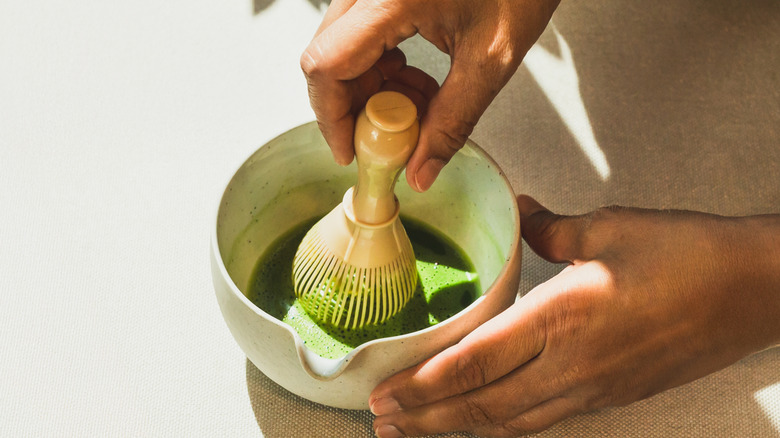
Matcha, matcha, matcha. The finely-ground green tea powder seems to be showing up everywhere these days, thanks to social media platforms helping to popularize the ingredient. If you're new to the world of matcha, it can be a bit overwhelming. There are numerous brands, grades, and varieties of the rich green tea powder, which can make finding the right entryway into the drink difficult. In my 10 years as a coffee barista and specialty drink maker, matcha was one of the drinks that divided a crowd the most. Some people love the grassy, earthy notes, while others don't care for how strong it can taste. Luckily, there are so many varieties on the market that finding one to suit your palate just takes a bit of time.
After speaking with Clarke Anderson, the beverage director for Rocket Farm Restaurants, and Mekayla Bramlett, founder of Charlotte Mobile Coffee, several brands perfect for beginner matcha drinkers came to the forefront, along with what to look for as a new enthusiast. "I would look for something affordable and fresh with good traceability. Ideally you would know the harvest date and the point of origin," says Anderson. Bramlett adds about what makes a good brand for beginners, "Low bitterness, a smooth texture that dissolves easily, a mid-range price point, and versatility for both tea and lattes." The following expert-recommended brands can help you break into matcha drinking or find a new favorite. Either way, it'll be a tasty journey.
1. Jade Leaf
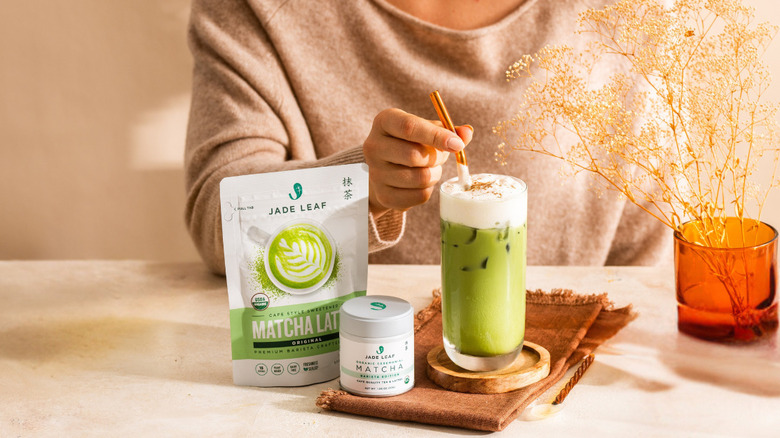
Jade Leaf matcha is a great beginner brand to start out with. Mekayla Bramlett agrees, adding, "[It's] widely available and beginner-friendly in both flavor and price." She also notes, "As a beginner, you shouldn't have to overthink the grade. Ceremonial-grade matcha is best for drinking on its own."
Jade Leaf made its U.S. debut in 2014, although its parent company, the Kizuna Tea Collective, has been operating in Japan since 1858. The brand offers several ceremonial-grade matcha powders, including an organic barista edition. The barista's matcha is 100% powdered green tea, with no sugar added. The drink is nutty, smooth, and beautifully green when whisked or frothed. If you're not committed to going for matcha powder just yet, Jade Leaf also has a line of matcha latte mixes, including flavors like strawberry and vanilla. The company even offers a matcha lemonade mix and culinary-grade matcha powder for use in baked goods or other cooking applications.
2. Naoki
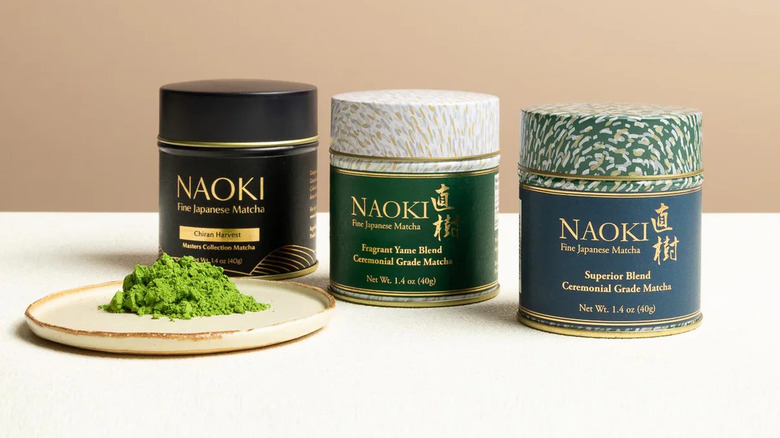
The term matcha means powdered tea, and the ingredient has been part of the traditional Japanese tea ceremony for centuries. Naoki sources its matcha from across Japan. The tea is grown under shaded canopies for up to two months before harvesting, which keeps the tea tender and flavorful. Mekayla Bramlett points out that, "New drinkers usually start with something affordable, smooth, and forgiving."
She continued on to say, "As people become more experienced with matcha, many tend to explore brands like Naoki or Marukyu Koyamaen, which offer accessible entry points before moving into ultra-premium matcha." The company's Superior Blend Matcha is an entry-level green tea that's mild, with low bitterness and a balanced finish. The First Spring Blend is organic and has more toasted, cocoa-like notes, while the Fragrant Yame Matcha is more nutty and fruity than the other varieties.
All of its ceremonial blends can be used for lattes or tea, and the company's Master's Collection is the brand's premium matcha line made to be used in traditional matcha. If you're not sure how much water to use when making matcha, the same 1½ teaspoon of matcha powder to ¼ cup of hot water ratio will work for teas, lattes, smoothies, and more.
3. Encha
When it comes to matcha, where the tea is grown makes a big difference in taste and quality. "Look for something from Uji in the Kyoto prefecture," Clarke Anderson recommends. "This is the most high-quality terroir for Japanese matcha." He also goes on to say, "Matchas grown in this particular microclimate often have a nice creamy component."
Mekayla Bramlett points out, "Another good sign to look for is traditional growing methods and processing quality, which are commonly associated with regions like Uji, Nishio, and Kagoshima in Japan."
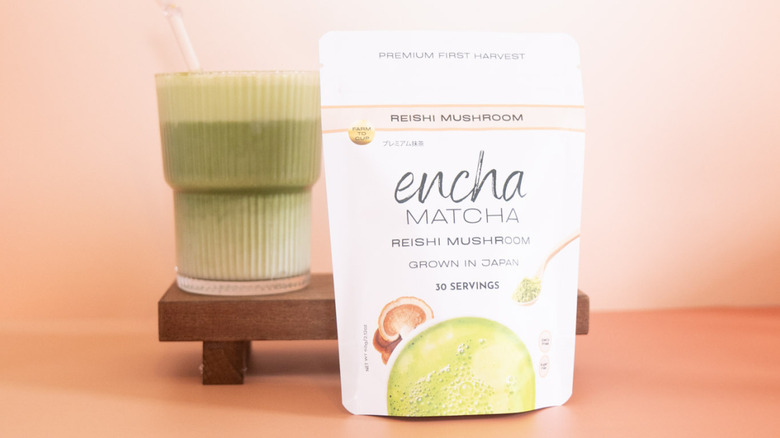
Encha's teas are sourced from farms in Uji, Japan, leading to its "Farm to Cup" motto. The company doesn't have a large line of products, choosing to focus on quality, instead. Encha's ceremonial matcha is organic, balanced, and from the first yearly tea harvest, meaning the leaves are tender when picked. The brand's line of matcha latte mixes include flavors like vanilla, lavender, and Reishi mushroom.
4. Rishi Tea
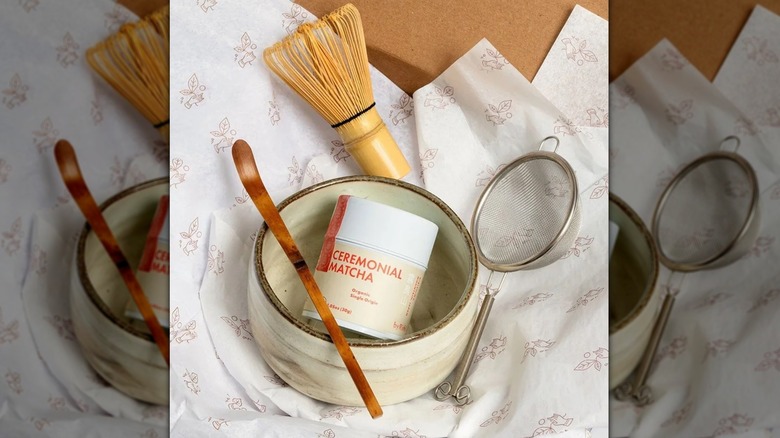
Both our experts highly recommend this brand. Rishi Tea was certified by the USDA's Natural Organic Program in 2002. Mekayla Bramlett says, "Rishi Everyday Matcha is often cited as very approachable and budget-friendly" She recommends the Everyday Matcha and the Barista Matcha.
Clarke Anderson agrees, saying, "I really like the Rishi brand of teas." He also adds you can find them at Whole Foods Market, but if you find them there, you should, "Check the dates on the package to make sure they are fresh!"
Every tea the Rishi brand sells is organic, including the entry-level options. The Everyday Matcha has a bright, lightly astringent taste, while the Barista Matcha is more earthy. Nishi-san's Matcha Tsuyuhikari is an umami green tea with floral characteristics, while Nishi-san's Matcha Asanoka has a more balanced taste.
5. Ooika
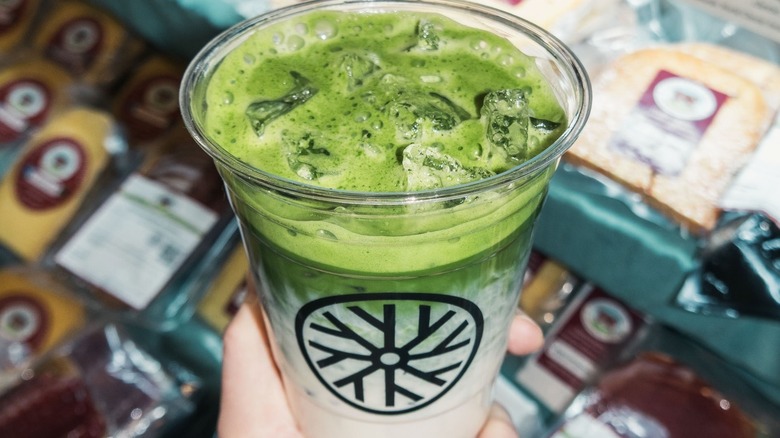
Clarke Anderson stresses the need for people to learn that, "Matcha begins to degrade in flavor after it is ground, much like coffee. Freshness is important." Luckily, Ooika solves that problem. Anderson says Ooika, "imports tea and grinds it in their stateside facility each day before shipping. They have identified some great single origin teas that really show well and aren't crazy expensive."
Ooika was founded on a commitment to freshness. Each grain of matcha powder has a large surface area that allows the ingredient to dry out quickly, causing it to lose flavor and natural oils. By grinding the matcha in-house daily, only the freshest possible tea ships out to customers. The company carries a small line of matcha, with a barista edition called Electra that has toasty umami notes, and Okumidori Matcha, which has low bitterness and lavender notes.
6. Shogun Matcha
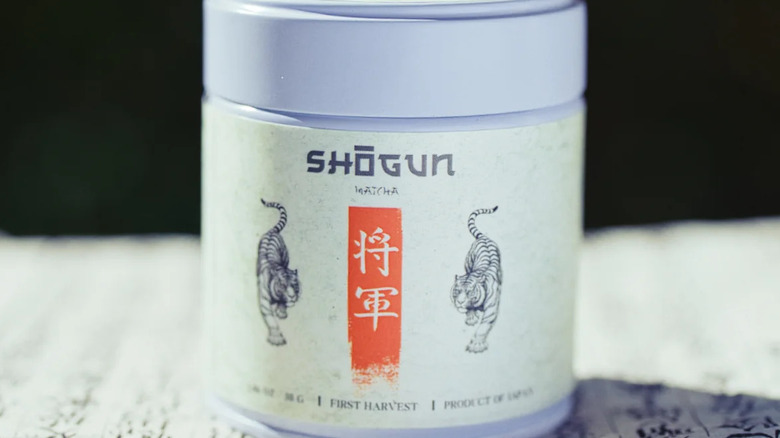
Making matcha can be tricky, but it only takes a bit of patience and practice before you can successfully make the creamy drink with ease. Even if you don't have a bamboo whisk, using tools like a cocktail shaker, a milk frother, a hand mixer, or an immersion blender can give you a quality matcha, thanks to friction creating the perfect suspension of tea in water. Another factor that creates great matcha is attention to detail, and companies like Shogun Matcha have that covered well, with only a singular matcha in the brand's lineup. "They are really focused on the right freshness and quality factors to get delicious tea to the masses. Their stuff is delicious and affordable," says Clarke Anderson.
The Samidori Superior Blend uses tender leaves from the first round of harvesting each year, giving the ground powder more flavor. "When matcha is fresh, it should smell grassy, slightly sweet, and creamy. The powder should appear vibrant, bright green," says Mekayla Bramlett. The Samidori blend has all of that and more, with a bright green color both in the tin and after being brewed, and sweet, nutty, and subtle floral notes. The result is a smooth, vibrant, and balanced matcha for a beginner.
7. Marukyu Koyamaen
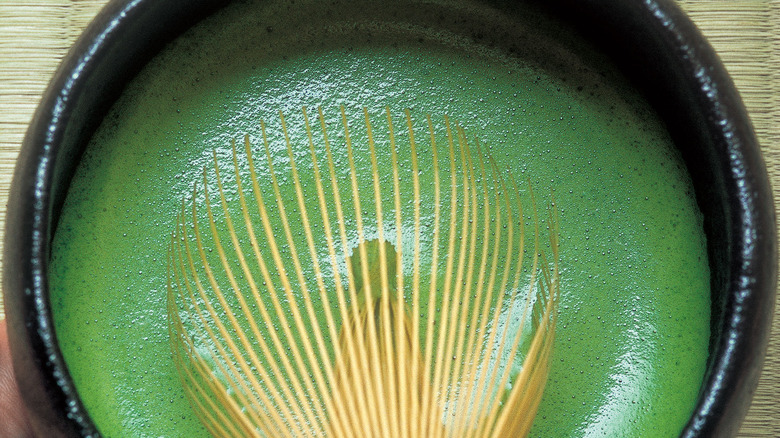
Located in Uji, Japan, Marukyu Koyamaen has been growing and blending teas since the 1600s. The company has grown quite popular in that time. That popularity is a double-edged sword for the company, because, as of February 2026, nearly the entire line of matcha was sold out.
"Because of the rise in western demand for matcha, there is a supply shortage that has caused prices to rise," explains Clarke Anderson. He adds that it's, "mostly fueled by Starbucks and other coffee chains serving more matcha than ever."
While rising demand is causing more and more matcha suppliers to limit the teas, matcha latte blends are often still available. "People often try matcha first at a coffee shop made into a latte," Anderson continues. He notes the drinks use barista-grade matcha, and are "yummy, sweet, creamy, and friendly to drink."
At Marukyu Koyamaen, the pre-sweetened mixes come in varieties formulated for milk, water, and even soda, in case you want some carbonation along with the caffeine boost matcha provides. Another bonus for customers is the company being certified as both halal and kosher, adding even more layers of quality to the product.
8. Sencha Naturals
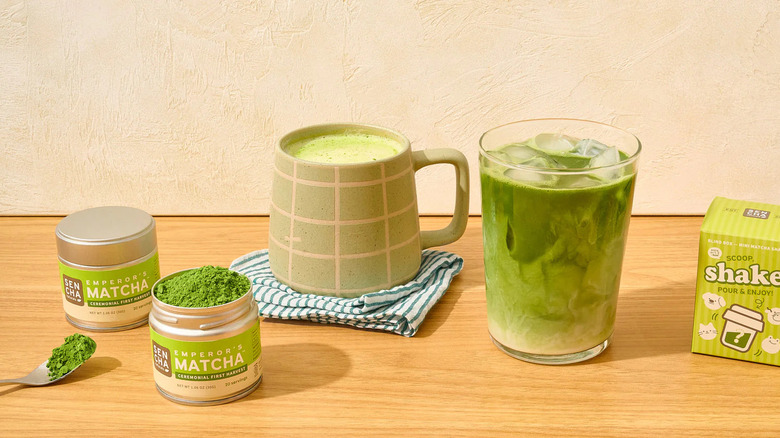
Established in 2001, Sencha Naturals focuses on sustainability and its environmental impact. This dedication led to the company being certified as a B Corporation in 2012, solidifying its status as an eco-conscious brand. Today, Sencha Naturals uses biodegradable and recyclable packaging for its teas, while supporting the communities it operates in. The brand has a small line of products, including apparel, green tea mints, and two traditional matcha powders. The Sencha Naturals Organic Matcha is earthy, slightly sweet, and lightly bitter. Mekayla Bramlett says this matcha is, "Readily available at Costco and great for experimenting with matcha recipes."
The ceremonial option is the Emperor's Matcha, which is smooth, well-balanced, and umami. All of the matcha varieties can be served hot or cold and made with water or milk.
9. Midori Spring
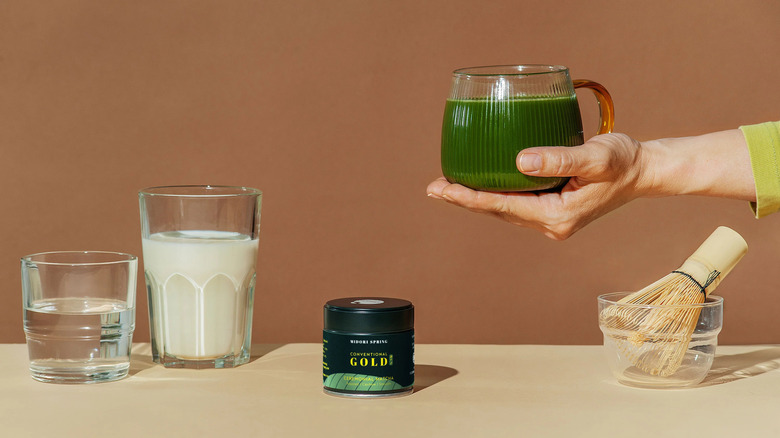
While many brands use organic tea leaves for matcha, Midori Spring is also vegan, with no soy added as a filler. The brand micro-grinds the matcha in small batches in a stone mill. This ensures the grains are small enough to easily and quickly dissolve when water is added.
Midori Spring's line of matcha teas includes ceremonial, rare, organic, and blends. Midori Spring Organic Ceremonial Matcha is, "smooth, balanced, and a great introduction to higher-quality ceremonial matcha," says Mekayla Bramlett. The Emerald Ceremonial Matcha type comes in organic and conventional varieties, both of which have toasted and creamy notes with a bit of a peppery kick. The REI Cold Brew Matcha is a latte blend that's been specifically designed to work without hot water. The cold brew method allows customers to make a cafe-style matcha latte at home with minimal fuss and less mess. It has a bit of sweetness and very little bitterness.
10. Ikkyu
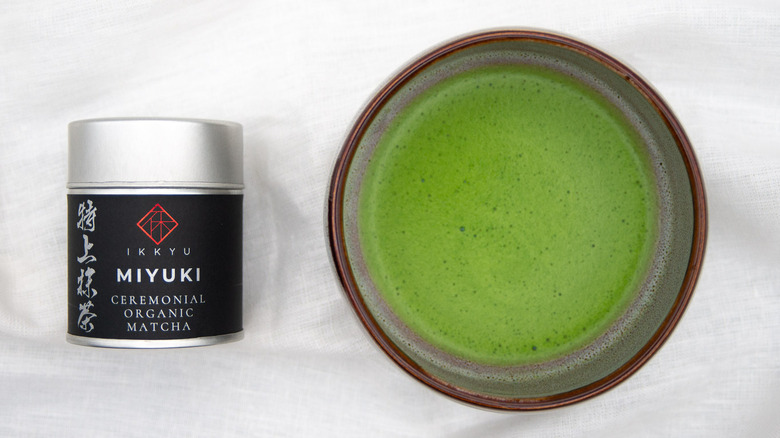
Ikkyu, a part of the KOGACHA GYO company, is a nearly century-old brand located in Yame, Fukuoka, Japan. The family-run company is made up of tea professionals who focus on the quality of the matcha.
Mekayla Bramlett notes that this matcha is a "higher-quality matcha while still approachable for beginners exploring ceremonial matcha." The Matsuko matcha has a nutty, earthy taste, a bright green color, and a smooth finish. The Ayame Premium matcha is astringent, while the Miyuki Competition Organic matcha is a ceremonial-grade tea with low bitterness and a creamy finish. The Riku Premium blend is a high-grade matcha with a little sweetness, nutty notes, and lots of umami. The Hiromi Premium Ceremonial Matcha is bright green and flavorful, with strong toasted and earthy tastes.