

Every Aldi Price Tag Code, Explained

Aldi has built its name on doing things differently. It lacks a loyalty program, it allows the cashiers to sit down, and does not have a typical coupon program. Aldi prioritizes efficiency, which ultimately leads to better margins and lower prices. Once you start to get acclimated with how Aldi operates, it becomes a lot easier to take advantage of the store's unique perks.
One of the lesser-known aspects of the Aldi ecosystem is its tag language. Many stores use price tags to communicate with its customers. Costco is likely the first name that pops into mind. Aldi's style is a bit less studied but just as helpful. Learning how to decipher it will give you better insight into the store's product cycle, pricing structure, and inventory strategy.
Getting the hang of this pricing strategy will let you know when a sale may be worthwhile, when an item is here to stay, and when something won't be on shelves much longer. In this article, let's take a look at Aldi's price tag system and how understanding it can elevate your shopping experience.
Standard/regular price tags
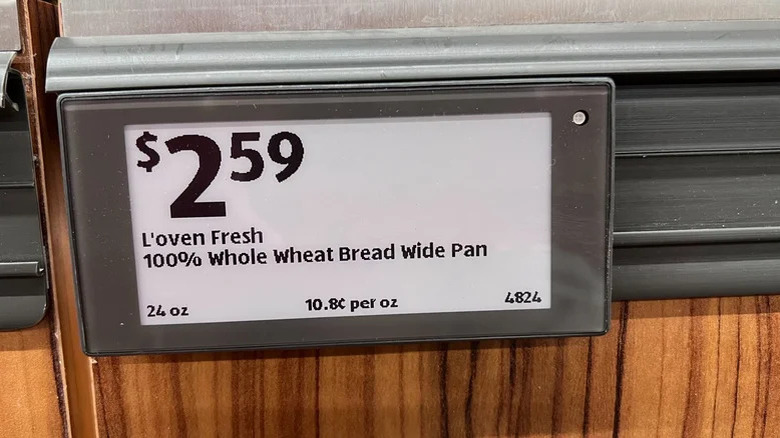
It is annoying to have that one item you built your grocery trip around be out of stock or discontinued. This is a valid concern with shopping at Aldi, with how often they rotate items. At Aldi, white and yellow tags are what signify the store's everyday products. These items are regularly restocked and make up the majority of the retailer's inventory. These are the private labels, basic produce, pantry staples, meats, and things of this sort. They help keep the store's prices low. Spotting these tags quickly helps you focus on items that are consistently available and essential for your weekly shopping.
These tags also signal standard pricing. This shows the shopper that this is the cost to expect on every trip and to budget accordingly. White or yellow tags are a sign of stability at Aldi. These are the figurative meat and potatoes of the chain that allow you to build your shopping list around staples, making your trips more efficient and dependable.
Aldi Savers price tags
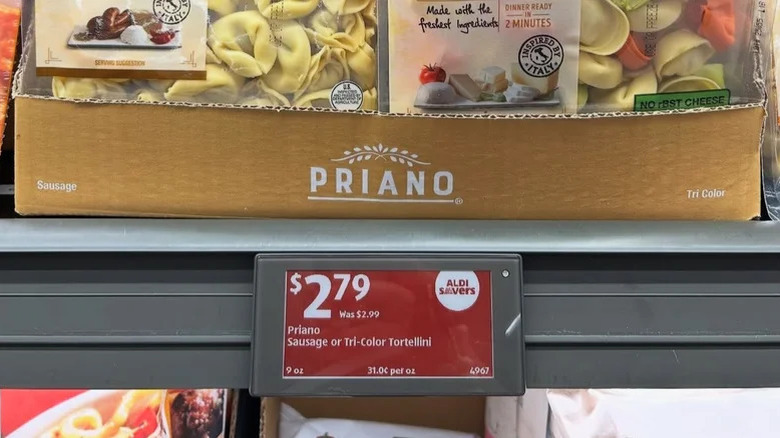
The main reason people learn to read store tags is to know when they're getting a bargain. Aldi uses a consistent tagging system to signal deals, making it easier for shoppers to spot savings. When you see a red tag with white lettering, you can expect to save a bit of money. This is how Aldi indicates temporary sales or markdowns. It is essential as a shopper to take advantage of these deals.
Aldi usually marks discounts with a red tag and white lettering, but the specific discount type can vary by location. Price Drops are the typical discount at Aldi. They are a long-term sale usually marked with a small logo in the top right corner of the tag, which shows both the original price and the reduced price. These reductions are extended for a longer period, with no set return to regular pricing, giving shoppers time to take advantage of the discount. You can usually find these items highlighted in the weekly Aldi ads, making it easy to plan your shopping around the current promotions.
Clearance price tags
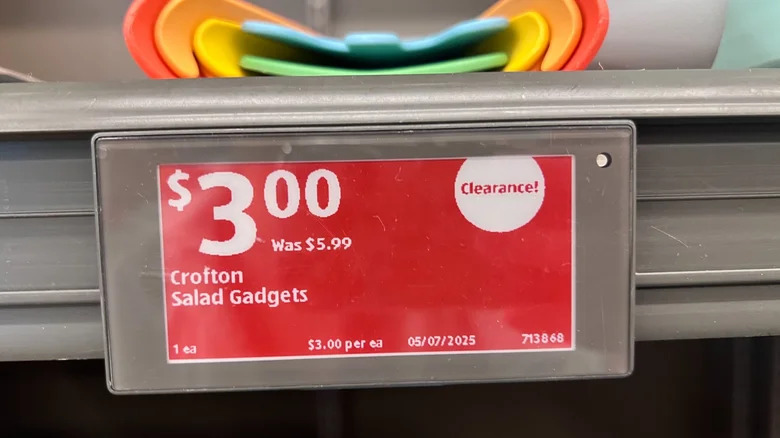
Clearance tags follow a similar format to the Price Drops, with their red tag and white lettering, but they are marked with the word "Clearance" inside a small circle, instead. These tags can be inconsistent between stores, and some may not formally offer them. If you do see this tag pop up, take advantage of it. The tag indicates items the store wants to sell quickly to make room for new inventory, and can appear either on the price tag or directly on the product.
Clearance deals are practical because they allow you to stock up on everyday items at a lower price. Since these markdowns signal that stores want to clear shelves, they often include staples you already buy, making it easy to cut costs without changing your routine. Taking advantage of these limited-time offers can help you stretch your grocery budget without sacrificing quality.
Aldi Finds price tags
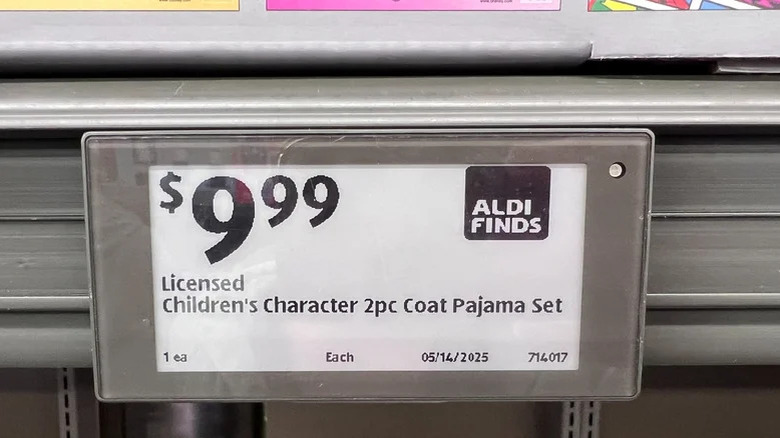
The Aldi Finds tag highlights the store's weekly specials that are not a part of their typical listings. The tag can vary from store to store, but there is typically some small "Aldi Find" logo present on the tag. When you see one of these tags, it signals that the product is seasonal and unique to this trip. These items are routinely rotated and usually only stay on shelves for a week. You'll find most of the Aldi Finds in the Aisle of Shame, an aisle coined for how embarrassingly tempting impulse buys are. The aisle is full of trendy snacks, seasonal treats, and kitchen gadgets.
It's wise to note that Aldi Finds are temporary. Once these items sell out, they are gone and not restocked. If you see an item that really catches your eye and it's accompanied by this tag, you may need to have a sense of urgency. Paying attention to the Aldi Finds tag makes sure that you do not miss out on unique products on your weekly trips.
How Aldi tags seasonal items
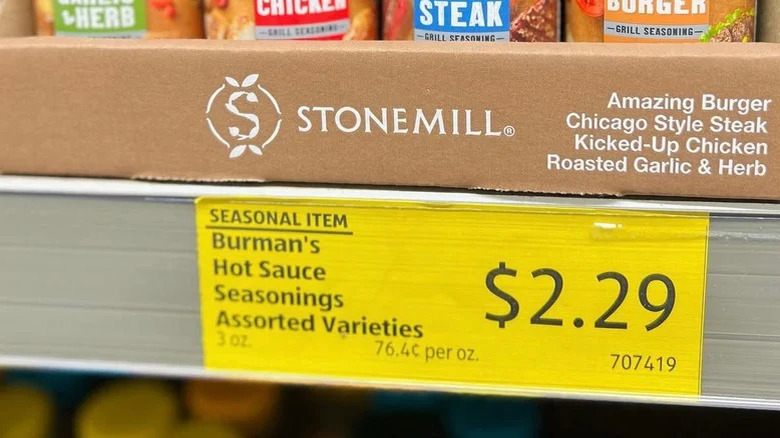
Aldi can use blue tags to indicate seasonal items. Depending on the store, however, some products may appear with a yellow tag marked with the word "seasonal." Either way, both indicate items designated for certain times of the year, like autumn or winter. They typically stay in stock for three to six months and return annually unless replaced. Do not get this confused with the Aldi Finds aisle, which is also home to seasonal and rotating items. The difference is that these aren't typically Aldi-specific listings and are not as long-lasting.
These seasonal tag items can include holiday decorations, seasonal snacks, or specialty ingredients. When you see this listing, know that you have some time to plan and make the holidays or seasonal events feel more special. Whether it's a pumpkin flavor treat in the fall or peppermint extract for tea in the winter, knowing what items are seasonal helps you make the most out of the holidays.
Discontinued price tags
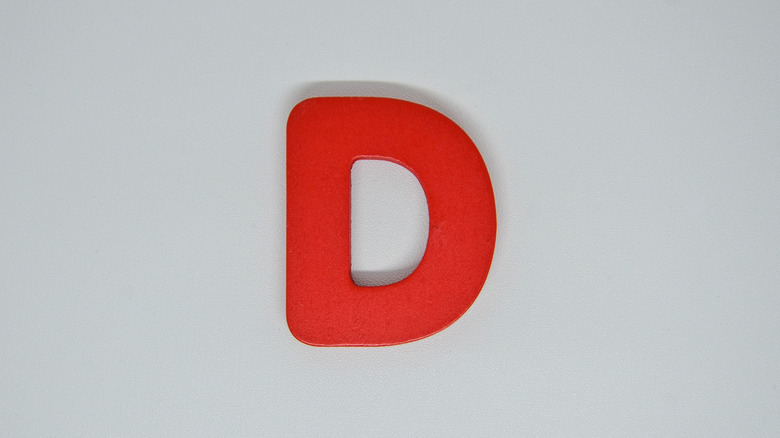
A "D" indicator on a price tag signifies that an item has been discontinued. You should look for this code on the bottom right corner of the tag, often accompanied by a series of numbers. When an item gets this designation, it means that the item will not return to the shelves once cleared. Discontinuations can happen for several reasons, including low sales, supplier or warehouse issues, or shifts in product strategy. No matter the cause, it is the store's way of letting you know that an item has reached its end.
When you see this "D" on a product you enjoy, it's a sign to act fast. Once the remaining inventory is sold, you won't have another chance at it. If you are a fan of a certain private label and see this "D" pop up on it, catching it can save you from further disappointment down the line and give you time to plan a replacement.
New price tags
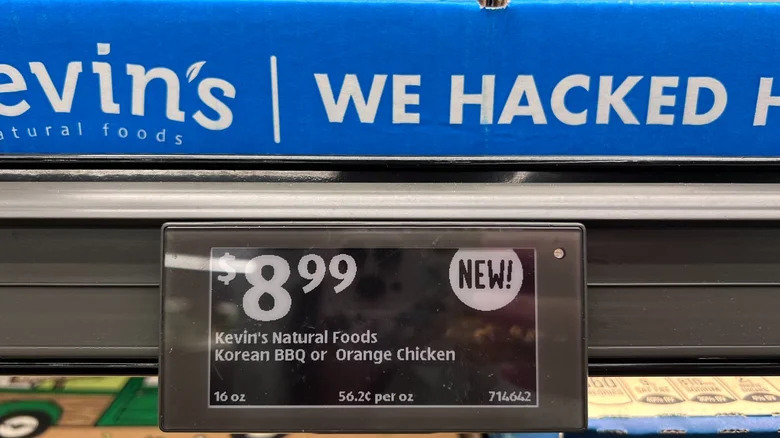
At Aldi, newly introduced products are typically marked with a small black circle with "new" on it. This symbol is less universalized and can vary from Aldi to Aldi, but new should be present somewhere on the tag. However, these markings signal that the item is a recent addition to the store's lineup and is expected to stay for a while. This is different from short-term promotions or weekly specials. Those items leave and likely never return, while these stick for a while. Spotting these tags can help you understand when Aldi is experimenting with new offerings or adding to their existing listing.
Seeing a new-item tag is your first opportunity to determine what can be a constant addition to your grocery rotation. Because these products usually stick around for a while, you have time to try them and see if you like them. Paying attention to new-item tags makes it easier to be aware of Aldi constantly switching product lists and be able to find new hidden gems.