

5 Common Problems With A Pressure Cooker
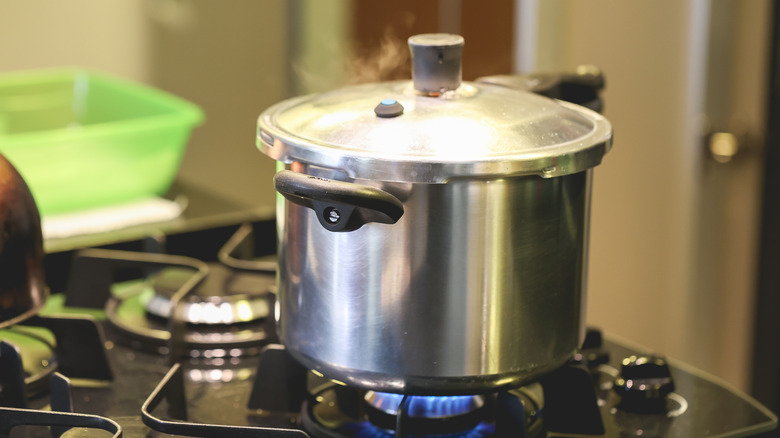
While pressure cookers are often seen as a modern innovation, the first one was actually developed by a French physicist named Denis Papin around 350 years ago, in 1679. It worked by trapping steam inside a sealed pot, thus creating a lot of pressure that cooked foods in a fraction of the time compared to traditional cooking methods; the same basic principle applies to modern versions of the original design. Initially, pressure cookers were pretty dangerous (more on that later), but over the centuries, subsequent models began to include many safety features, and many innovations, modifications, and tweaks continue to be made to this cooking vessel. Up until recently, most models were intended to be used on the stovetop, but over the past few decades, electric models have shown up on the market that include many more features, which have led to them being referred to as multicookers.
Pressure cookers, especially multicookers, are often marketed as being able to prepare any recipe quickly and effortlessly, and many sources will outline just how many things you can make in a pressure cooker. However, the reality is that they're best for certain preparations. I have been using a multicooker for over 10 years, and I grew up in a home where a traditional pressure cooker made a weekly appearance on the stovetop. After trying multiple recipes and preparations, I came to the conclusion that the ways in which my mother used this kitchen technology were the best uses for it: tenderizing meat and cooking beans. Besides their limited uses, though, pressure cookers have several other drawbacks, despite them being considered one of several essential countertop kitchen appliances. Below are five common problems with them.
Pressure cookers can lead to dangerous accidents
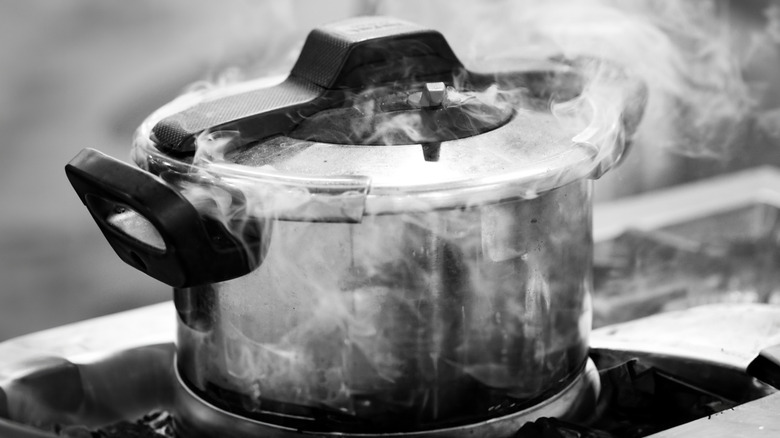
There's a reason why people use pressure cookers as an analogy for tense situations that can lead to explosive situations. The reason why a pressure cooker prepares food so quickly is that it traps steam within the sealed pot with only a tiny valve to let out just enough pressure. A defective valve can lead to an explosion and subsequent burns. When pressure cooking became popular in the United States around the middle of the 20th century, some consumers didn't quite understand how to use them correctly — a recipe for accidents. Furthermore, some models may not have included adequate instructions, and many cooks at the time may have assumed that you can use a pressure cooker the same way you use a covered pot, which is a very dangerous assumption.
If you try to open a pressure cooker while it still has steam trapped inside, it can result in a painful catastrophe. Some people try to bring down the pressure by submerging the cooker in cool water, but the rapid change of temperature can also cause an accident. Even if you avoid explosions, releasing the steam, which can be well above the boiling point, can also lead to burns if you're not careful to keep out of the way.
Nowadays, most pressure cookers have a bunch of safety features and come with detailed instructions, and electric pressure cookers include even more. As well, there are tons of online resources that outline how to properly use this cookware. Despite all this, defective cookers are still out there causing accidents, and even major brands have had product recalls. For many home cooks, the risks may outweigh the benefits.
You may not know what the end results will be until you uncover the pot
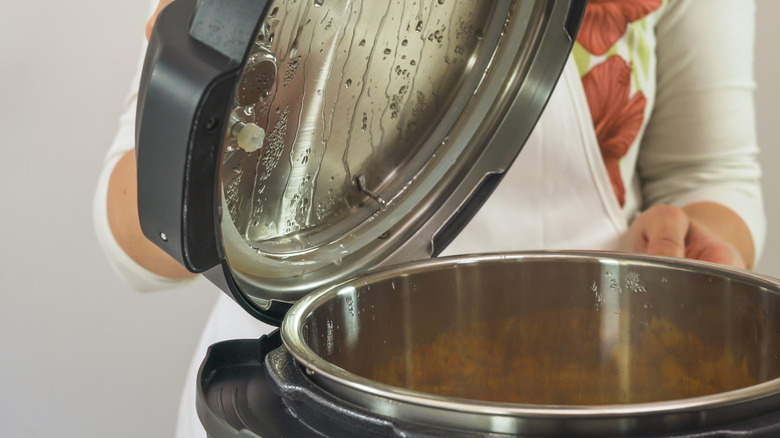
Pressure cooking can be like baking in that once you close that door or lid, you need to keep it closed until the recipe you're using — or your experienced intuition — tells you that it's time to open it. Just like baking, you can't keep checking on your dish, adjusting the temperature, tweaking the seasoning, or tasting it along the way. That's why many home cooks rely on tried-and-true recipes or those from reputable sources when using this type of cookware. This can be frustrating for those who like to come up with their own recipes on the fly or approach a written recipe as a starting point for their own culinary creativity.
Even if you're just tenderizing a tough cut of meat or cooking some beans, the results may vary greatly if you're not using precision. In my own experience trying to cook goat meat for a Jamaican Goat Water soup, what I thought was going to be a straightforward process took several attempts before I achieved the desired results. By that time, it was too late to finish the recipe, and it had to wait until the next day. You can eventually get to the point where you know exactly what to do to make an impromptu pressure cooker preparation work, but that's typically after a lot of trial and error. Considering how many home cooks may not use them that often, getting to that level of expertise and familiarity with how your pressure cooker works may not be realistically attainable.
Too much moisture retention leads to watery dishes
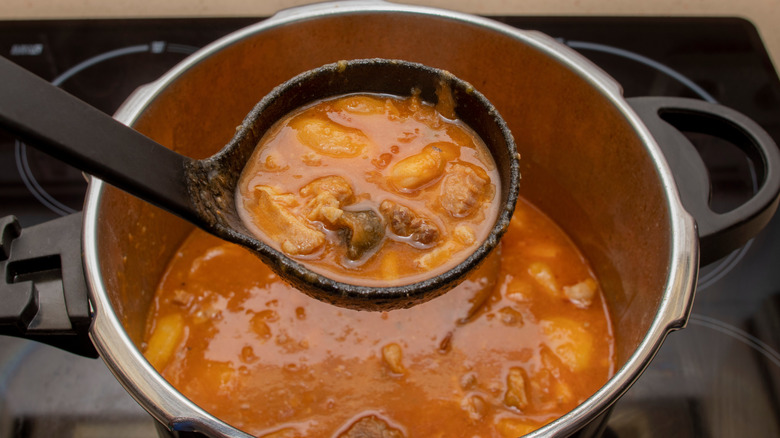
Braises and stews, when made correctly, can feature fork-tender meat infused with a lot of flavor and sitting in a pool of sauce that coats the back of a spoon. However, achieving such results typically takes a long time. You may think that using a pressure cooker is a surefire way of significantly cutting down on that time, and you wouldn't be entirely wrong, but the keyword here is "entirely," because using this type of cookware won't really lead to the same results as slow braising. Despite how well a lid fits onto a conventional pot, it's rarely airtight. Just as steam aggressively escapes your covered pot when you're boiling water to make spaghetti, it gradually escapes when you're cooking things low and slow, thus evaporating some of the liquid and rendering a viscous sauce.
Pressure cookers may tenderize any proteins so that they're tender in a fraction of the time, but keep in mind that this type of cookware is airtight and traps steam — that's how it makes cooking so quick. As such, braises or stews end up brothy or even watery with muted flavors. In order to get the same results you would with a slow braise, you actually need to simmer your stew uncovered until the sauce thickens, which takes additional time and defeats the whole point of using a pressure cooker to begin with. Additionally, the finished dish won't be nearly as flavorful as if you had cooked it low and slow. I've tried reducing the quantity of liquid in recipes, and I've usually ended up with the same watery consistency. There's a reason why braising and slow cooking techniques are still employed today.
The high pressure can overcook many ingredients
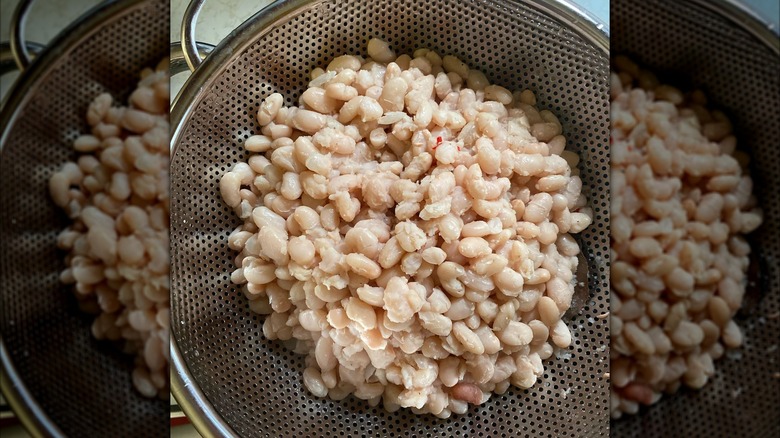
When electric pressure cookers and multicookers saw a surge in popularity in the 2010s, they were marketed as the solution for all your culinary needs. Multicookers, especially, seemed to have made a lot of promises, from steaming to making yogurt, and recipes abounded, suggesting that you can cook anything in them. The slow cooker function on these electric pressure cookers can actually eliminate your need for holding onto a separate slow cooker, but the idea that pressure cooking is a viable alternative to more traditional cooking methods is a little misinformed.
Besides sinewy cuts of meat with a lot of connective tissue, this technique can pretty much obliterate anything else. Try cooking chicken in a pressure cooker, for instance, and you'll end up with a pot of individual muscle fibers, even if you elect to only cook it for a few minutes. Vegetables can also become severely overcooked in no time; potatoes can turn into mush, and even legumes can lose their integrity and end up looking (not tasting) like refried beans. There are recipes for flan and other delicate desserts that you can steam in a pressure cooker, but in my experience, these led to curdled custards and tough puddings and cakes.
Certain ingredients in your recipes can lead to scorched food
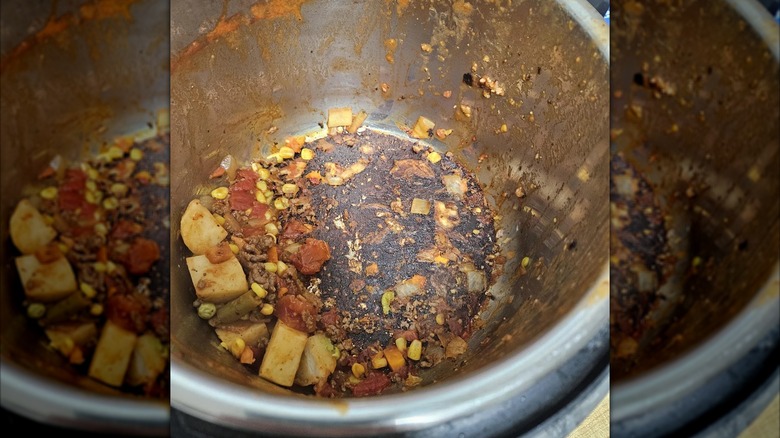
One recipe that can take a long time to cook in order for it to develop flavors is a tomato-based preparation, like a marinara sauce or chili. However, if you try making these in a pressure cooker, you'll find that you may end up with a dish that tastes as if you dragged it through an ashtray and a pot that needs to be soaked and scrubbed to get it clean. That's because tomatoes will burn in a pressure cooker. It's not the acidity or the sugars in the fruit that causes this to happen, but rather the viscosity of the product. Tomato sauces tend to settle at the bottom of a cooking vessel rather than circulating throughout the pot, like water, broth, or most other liquids, due to their thicker consistency.
When using traditional cooking techniques, you have the opportunity to uncover your pot and give your sauce or stew a good stir to prevent sticking. Additionally, you can cook it at a lower temperature, which can prevent burning, but as mentioned above, you can't really do that with a pressure cooker. The same problem can occur when trying to pressure cook with other ingredients, too, especially pre-made sauces like jarred salsa or even the best store-bought Alfredo sauces. The solution to this is to add more liquid, but this can lead to a brothy preparation that will require you to reduce it in order to achieve the desired consistency. If you use a pressure cooker to saute your ingredients before securing the airtight lid, this can increase the chances of your recipe ending up charred.