

Forget Rubbery Steak – Marinate It In This Canned Ingredient For A Tender Masterpiece
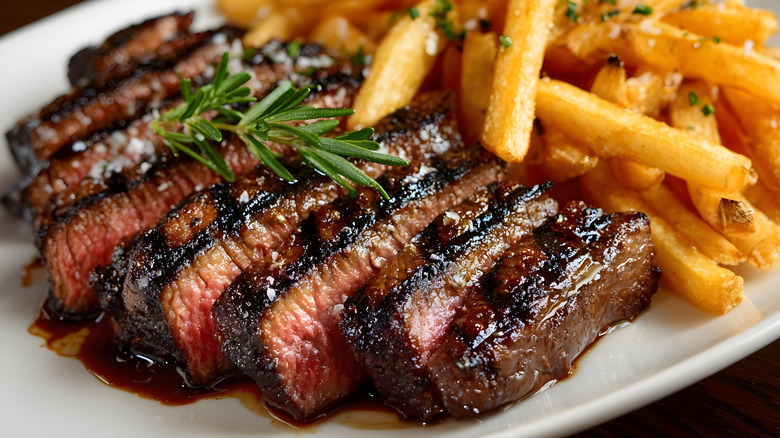
Whipping up a steak is never a bad idea, but there are several mistakes that can leave it looking, and tasting, worse for wear. Let's be real, there's truly no worse feeling than taking a bite, only to find the inside dry, chewy, and rubbery, especially if you've spent a pretty penny. Luckily, a good, basic marinade can reduce the odds of that ever occurring. But the ingredients matter, and one that might already be gathering dust in your pantry is canned (not boxed) coconut milk, which contains all the right elements to take your steak to the next level.
A marinade is more than just a hodgepodge of flavorful ingredients. It's a careful, considered balance designed to elevate the flavor and texture of the meat. For a perfect marinade, many say three components are simply non-negotiable: fat, acid, and seasonings. This is exactly what makes coconut milk so good at the job. When it comes to fat, it's not skimping on anything. Instead of leaning solely on heavy acids to tenderize the meat (which can leave it mushy if left for too long), coconut milk lets its natural fats enrich the meat — coating the exterior to boost richness, keep every bite tasting juicy, and create a subtle, sweet backdrop that lets your added spices shine.
It doesn't take much to get the job done, and half a cup of coconut milk per pound of steak is all you really need. The marinade should be thick and creamy rather than watery, which can promote steaming over browning. You should also avoid sweetened coconut milk; its higher sugar content can burn or scorch when exposed to extreme temperatures.
Coconut milk marinades thrive on Southeast Asian flavor cues
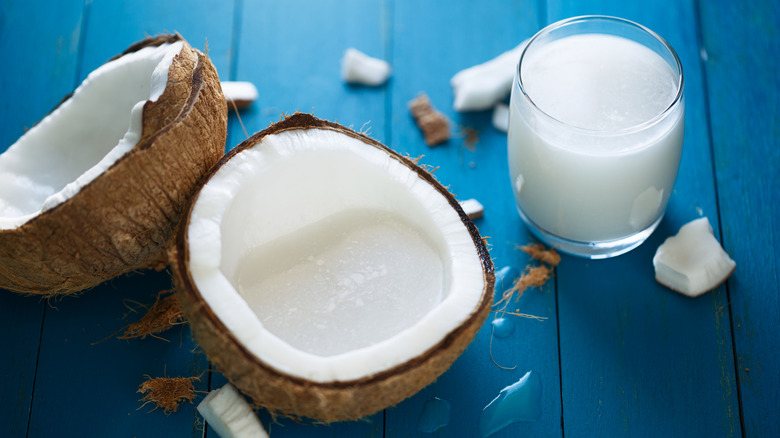
Coconut milk shows up quite often in Southeast Asian curries — think Thai green curry or massaman, where bright, vibrant flavors instantly come to mind. To get the most out of coconut milk in a steak marinade, it helps to lean into those same flavor cues.
While the fat will help lock in moisture, an acidic ingredient is also added. Acid gets to work on the surface of the meat, breaking down proteins and softening the outermost layer, which makes a real difference if you're using a leaner, tougher cut like flank or skirt. Traditional marinades usually reach for vinegar or lemon juice, but to stay true to coconut milk's tropical profile, swap these out for a splash of lime juice instead (and add the zest, too, while you're at it). Beyond that surface-tenderizing effect, lime's energetic, zesty kick also helps uplift the richness of coconut milk, keeping the whole marinade from slipping too far into heavy territory.
Of course, no marinade is complete without a generous helping of aromatics and seasonings. To balance out the acidity of the lime juice, work in something like palm sugar, or better yet, coconut sugar. If you're chasing traditional Thai flavors, spice is a must. A handful of fresh bird's eye chilies delivers that distinct fiery kick. But if heat isn't your thing, removing the seeds and surrounding pale membrane beforehand can soften the blow. To finish things off, a generous splash of fish sauce brings the core, savory umami backbone the whole marinade needs. Then, just let the steak marinate for around two to four hours, remove it, and pat it dry to ensure good browning before you get to searing.