

6 Foods That Simply Taste Better In Florida
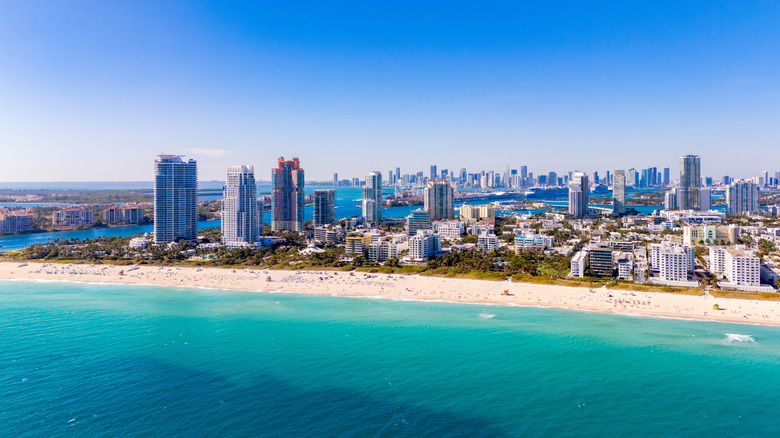
Many people visit Florida every year, either for a brief vacation or to spend their winters away from the frigid temperatures that never seem to make their way to the Sunshine State. Tourism is a major part of the state's economy, representing 7.8% of its nominal gross state product in 2024 (via flgov.com); many visitors take advantage of Florida's extensive coastline, while others flock to the state's amusement parks. Because so many outsiders visit Florida every year, it's possible to find outposts of favorite chains alongside independent businesses serving specialties from around the country, from Chicago pizza to New York bagels. This can make it easy to ignore a lot of local foods that make Florida's gastronomy so unique.
As a local, I find it a little discouraging that a lot of tourists don't take the time to delve into my home state's cuisine. I'm here to remedy that. From its rich Cuban culinary heritage to its diverse agricultural products, Florida has a lot to offer visitors and transplants alike, so below are six foods that are simply better in Florida.
Florida's coastlines provide a bounty of unique seafood
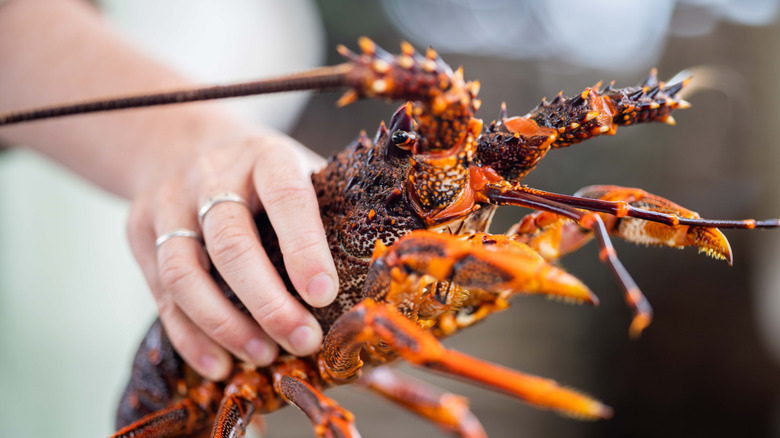
Florida has over 8,000 miles of coastline, more than any other state in the continental U.S., which yields quite a few unique varieties of local seafood. One of the most distinctive, and controversial, Floridian sea critters is the spiny lobster. It's different from the better-known Maine lobster in that it has no claws, but it does have small spikes over its shell (hence its name). It's controversial because locals think it has better flavor and texture than its northern cousin, which many outsiders consider the gold standard. While Maine lobster has mild, sweet, soft meat, Florida lobster has stronger flavors and firmer flesh, which makes it more versatile for numerous preparations, such as grilling or going into boldly seasoned, Caribbean-inspired recipes.
Another famous Florida seafood is queen conch. This mollusk has a blush pink shell and a lot of meat, which needs to be heavily tenderized before consuming through a process known as cracking. Cracked conch goes into many dishes inspired by Florida's Bahamian-descended residents, such as conch salad and conch fritters. Stone crabs are another local delicacy, and many Floridians believe them far superior to other crustaceans in the United States. Their sweet flesh and large muscle fibers give diners a unique flavor and texture combination. Many locals wait all year for this seasonal delicacy to reach tables. You also can't miss pink shrimp from the Atlantic and Gulf coasts, along with firm-fleshed grouper and snapper. Lastly, if you want some more niche aquatic delicacies that aren't from the sea, you can always try alligator tail and frog's legs.
The Sunshine State has a long history cultivating tropical fruit
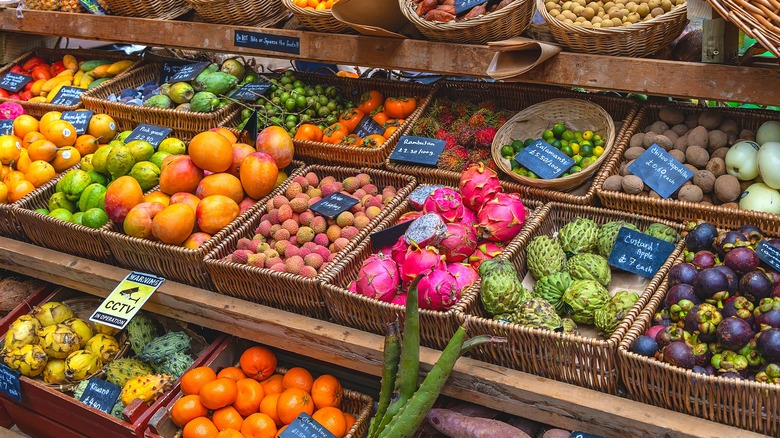
To the rest of the country, Florida may be associated with oranges, but for locals, mangos offer a taste of home, especially in the southern part of the state. While the global mango capital is India, Florida has been growing mangos for over 200 years. It's also responsible for developing many American strains that went on to become major cultivars throughout the world, including the Haden, Keitt, and Kent varietals. In many parts of South Florida, mango trees grow in people's yards. Locals know you always source your fruit from neighbors, street vendors, or local farms. Mangos are such an integral part of the local gastronomy that the group of local chefs credited with inventing New World Florida cuisine were known as the Mango Gang. There's even a mango festival every year in Miami.
However, Florida grows many more types of fruit than oranges and mangos. It's home to a veritable cornucopia of tropical produce, including guavas, papayas, dragon fruits, lychees, jackfruits, and so much more. Floridians have also known over 30 varieties of avocados long before the fruit became all the rage in other states. They each have different flavors and textures, from rich and buttery to juicy and refreshing, and some look so different from the Haas varietal — the small, black, bumpy fruit available at supermarkets in the U.S. — that visitors may doubt whether they're actually the same fruit. The best part of being home to so many tropical fruits is that there's always something interesting and delicious to snack on every month of the year. Visit in the summer for the best mangos, though.
There's a huge variety of local honey with unique flavors
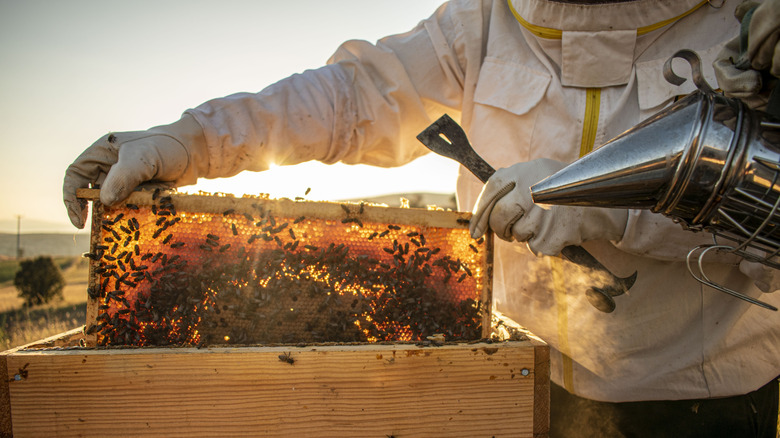
Given the diversity of Florida agriculture, as well as its preexisting flora, bees in Florida have a huge variety of flowers to feed from. This diversity has contributed to a huge array of honeys you can't find anywhere else. I haven't been able to find honey in other states that can hold a candle to the distinct flavors of what's produced in the Sunshine State. In the northern part of the state, where citrus cultivation reigns supreme, there's orange blossom honey, which has a mild floral flavor. There's also saw palmetto honey, which has a deep, caramel flavor, and avocado honey, which has a molasses quality and a subtle butteriness to it. Then, you have the unique mangrove honey, which has a slight savoriness that reminds you of salted caramel.
Tropical fruit farms in the state often keep apiaries for the bees that feed on the nectars from their varied produce's blossoms. Think of all of the local fruit varieties grown in Florida, and you'll probably find a jar of honey from that fruit at a local farmer's market or farm stand. Mango honey, for example, has a mellow flavor reminiscent of dried or preserved fruit while lychee honey has a beautiful floral flavor. That's just the tip of the iceberg when it comes to the honey you can find in Florida.
Sandwich lovers feel in paradise here
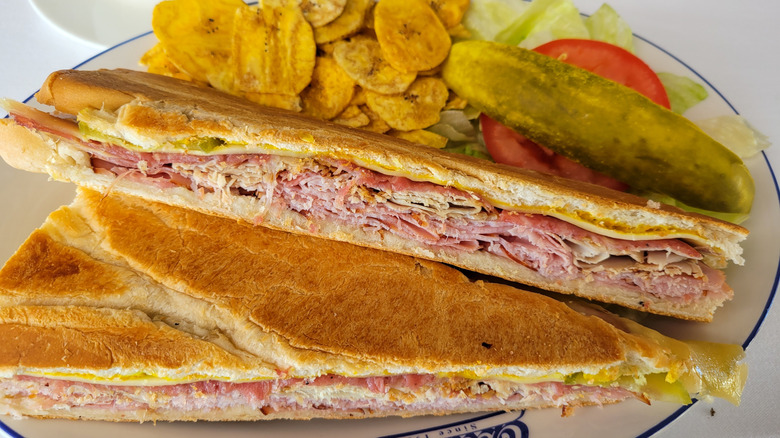
Many consider the Cuban sandwich to be the official representation of Florida's cuisine, and they're not wrong. The combination of ham, roast pork, Swiss cheese, pickles, and mustard is a favorite throughout the state, and many locals argue that you can't get a proper sandwich outside the Sunshine State (it's all about the bread). But there's more than just one Cuban sandwich. Miami and Tampa both have distinct versions, with the Gulf Coast city preferring to add salami to its. However, there are more types of sandwiches that fall under the umbrella of Cuban sandwiches.
The medianoche is a smaller version of the Cuban, while the Elena Ruz combines turkey, cream cheese, and strawberry jam on white bread. There's also the pan con bistec, a steak cutlet sandwich, the pan con lechon, a roast pork sandwich, and the croqueta preparada, which adds ham croquettes to a Miami-style Cuban sandwich. Then there are fritas, Cuban burgers topped with a mountain of matchstick potatoes, and that's just the tip of the iceberg. Florida's many other Latin American immigrants also brought their sandwich cultures. You can find Puerto Rican tripletas in the central part of the state, Venezuelan pepitos and Peruvian sánguches in South Florida, and so much more.
Florida is also home to seafood sandwiches, most famously made with grouper, a local firm-fleshed fish that is excellent on a bun, which you can get fried or grilled, along with fried baby snapper sandwiches called pan con minutas. Finally, no discussion of the Sunshine State's sandwiches is complete without mentioning the made-to-order submarine sandwiches from Publix, a supermarket chain that started in Florida and is ubiquitous throughout the state. Pub Subs, as they're called, are one of the foods many Floridians miss most when they're far from home.
A one-of-a-kind coffee culture packs a sugary punch
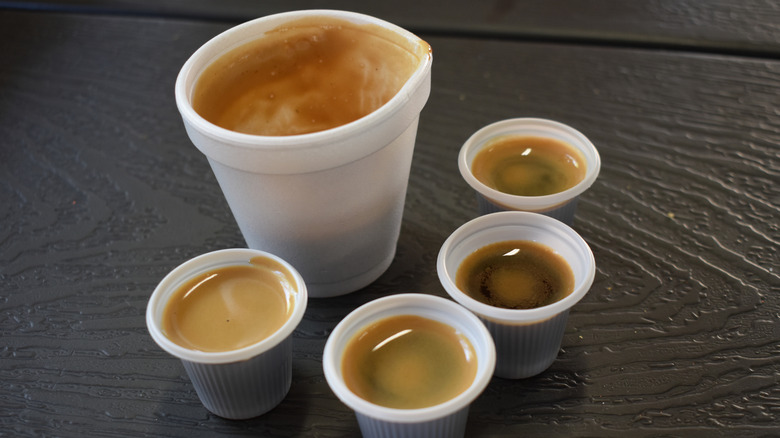
Cuban immigrants contributed their coffee culture to Florida. Many locals know what a cafecito is, and are familiar with the particular way of enjoying it. Cuban coffee is made much the same way as espresso, although Cuban cafeterías, or coffee shops, prefer robusta beans, which have a stronger, deeper flavor and a lot more caffeine, than the arabica beans used in Italian-style espresso. The coffee is vigorously beaten with a generous amount of sugar to form a thick, intensely sweet foam. From there, you have about three different drink options: a colada, a cortadito, and a café con leche.
A cortadito is similar to a macchiato (a pulled, espresso-like coffee with just a touch of hot milk) while a café con leche could be seen as a latte without the foam, significantly increasing the proportion of milk to coffee. A colada is where things get unique; it's essentially a whole pulled espresso with sugar that's meant to be shared in little thimble-sized cups with friends, family, coworkers, or even strangers.
Each serving of a colada is referred to as a shot, and sharing shots of this high-octane brew is a great way to make new friends in Florida. Coladas are shared several times throughout the day, so don't worry about an official cut off time, although 3:05 p.m. is considered the official cafecito break in Miami. Whatever you do, though, avoid trying to drink a whole colada on your own — unless you want major jitters from the caffeine and sugar. If you're visiting, get yourself a package of Cuban-style coffee from the local Publix to bring back home; Café Bustelo is a popular brand.
Enjoying key lime pie in its home state is a vibe
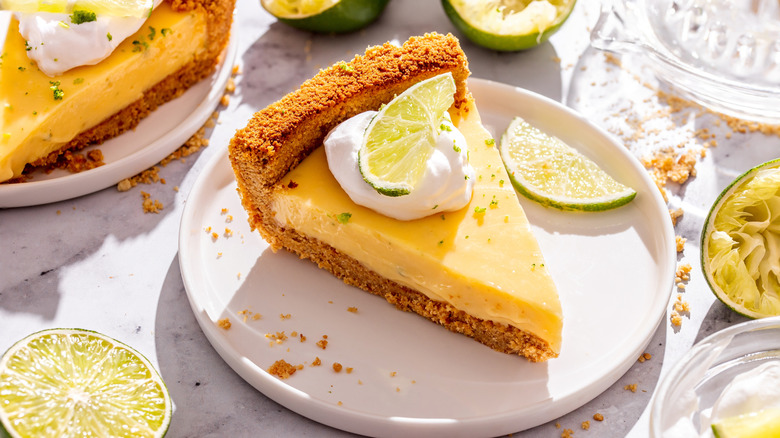
Key lime pie is well known throughout the country, but this wasn't always the case. There was a time when non-Floridians would come up with many crazy interpretations of the state's official pie, including a version made with lime-flavored instant gelatin and whipped topping. Until culinary missionaries from the Sunshine State began spreading how this pie is supposed to be prepared, many outsiders also added green food coloring for it to resemble the green citrus that goes into the dessert. However, the traditional recipe is simple: condensed milk, key lime zest and juice, egg yolks, and a graham cracker crust. The pie can be enjoyed plain, or topped with whipped cream or meringue.
Key lime pie got its name from where it originated, along with the citrus fruit that goes into it. Its origin stories are debated and date as far back as the 1800s, when some believe a domestic cook, named Aunt Sally, made it for her employer, William Curry, in Key West. Others attribute its invention to local fishermen, who made a quick dessert on their boats out of local citrus, condensed milk, and crushed saltine crackers.
The pie's name also gets its name from key limes, a diminutively sized citrus that's actually not native to Florida. It was introduced back in the 1500s and proliferated throughout the Florida Keys until a major storm wiped them all out. Most key limes are now imported from Mexico, although Persian limes — the big, dark green ones you find at most supermarkets — are often used to make this pie. Nevertheless, the flavor isn't quite the same, and going to Florida without trying the real thing is like going to France and not trying a croissant.