

Yeti Vs Stanley Water Bottles: What's The Difference?
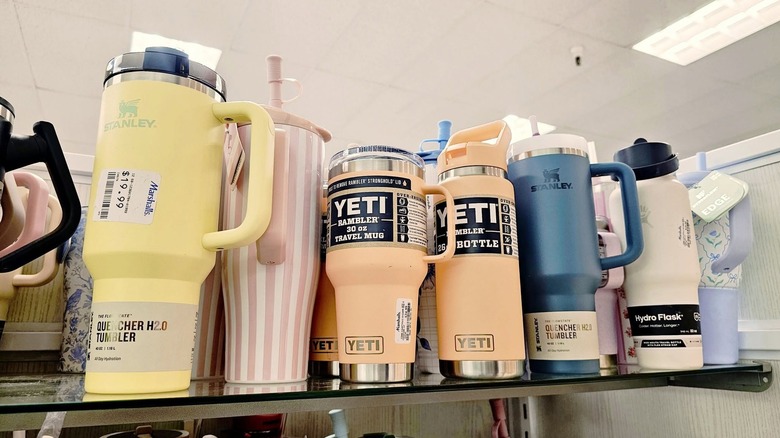
Portable water bottles are one of the handiest ways to stay hydrated during the day — something not enough Americans are doing — especially when heading out first thing in the morning. They're also kinder to our environment, reducing the massive waste that comes from using plastic bottles. Their versatility and multi-function use means they're a good investment, so spend money on the right bottle instead of grabbing the first model you find on the shelf.
When it comes to water bottle giants Yeti and Stanley, which of the two is worth your buck? The answer boils down to what features you value most. Yeti's Rambler, for instance, emphasizes the use of interchangeable drinking caps and has a more rugged construction. On the other hand, Stanley's IceFlow is better for portability due to it being lightweight and good for quick-access drinking.
Things can get a little more complicated given both brands have various models, so a comparison can never be entirely clean cut, plus both make well-insulated stainless steel bottles with similar performances that are sure to keep water cool. Ultimately, which one you choose is a question of personal preference; they're not the same, but the basic foundation — high-quality temperature retention — is consistent between the two.
Yeti has the edge for sturdiness and durability
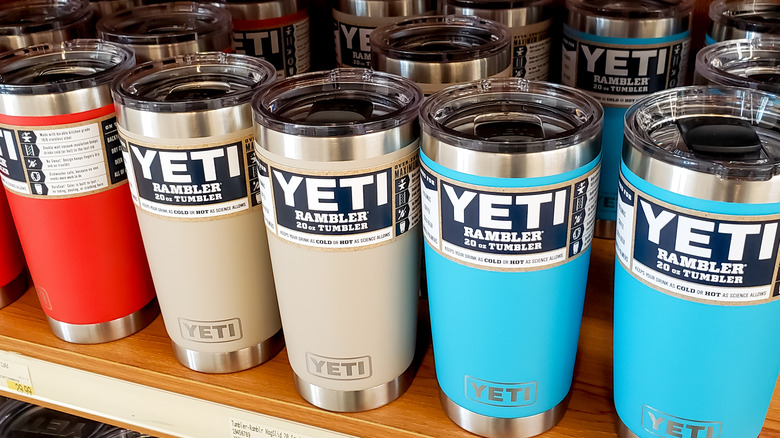
Yeti has been delivering high-quality water bottles for two decades. The company was founded in Austin, Texas in 2006, initially to cater to outdoors enthusiasts. Over the years, it has become well-known for its Rambler and the Chug Cap. With said cap, you can drink through a small opening, and also remove the cap to unveil a larger opening. This makes it extremely convenient if you want to add ice, wash it, or shake things up and add fruit juice or smoothies (make sure you clean it very well after). You have further flexibility since the mouthpieces can be used across bottles, so you aren't forced to pick a specific style.
When it comes to the construction of the bottle, independent testing has generally found it to be sturdy and simple to wash (the components are dishwasher safe), essentials you look for when buying this sort of product. This doesn't mean Yetis don't come without drawbacks. Some larger Rambler models, for instance, can be on the heavier side, which isn't ideal if jogging, doing sports, or you just want something lighter to carry. We also found some recurring issues, including with the threading of the Chug Cap and the potential for mold to grow in particularly sneaky nooks and crannies. This, however, does not change the fact that it's a particularly good water bottle investment if you're after something that's built to last.
Stanley is lightweight and easy to carry
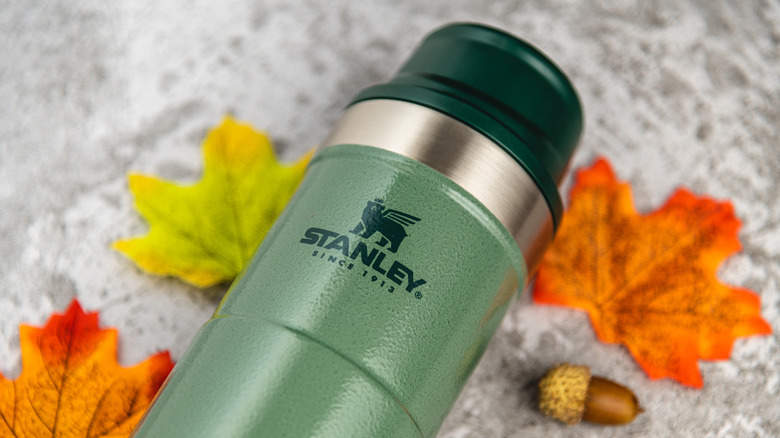
Stanley, especially its IceFlow bottles, generally has the edge if you're after something light, which is ideal for physical activity or being on the go. It also doesn't compromise on the important things; a Stanley managed to keep water below 58 degrees Fahrenheit after 24 hours (via Good Housekeeping). They're also dishwasher safe. It makes sense that Stanleys would get the basics right; the company created the first steel double-wall vacuum flask over 100 years ago, back in 1913.
Stanleys also come with multi-function lids, such as the Fast Flow version with a drinking spout that can help you take quicker sips of water, and the FlowState lid with a rotating cover. Moreover, the IceFlow Flip Straw 2.0 water bottle comes as a straw alternative for those preferring the model for its sips. Once again, however, the product has its limitations. Back in 2024, Stanley recalled 2.6 million of its bottles due to recorded instances of heat causing the lids to detach, leading to burns. Most of the reported issues, however, are considerably less dramatic. They may struggle to fit into smaller car cupholders, for instance, and the design of the rotating lids has led to complaints of leaks and spills.