

5 Disadvantages Of Aluminum Countertops In Your Kitchen
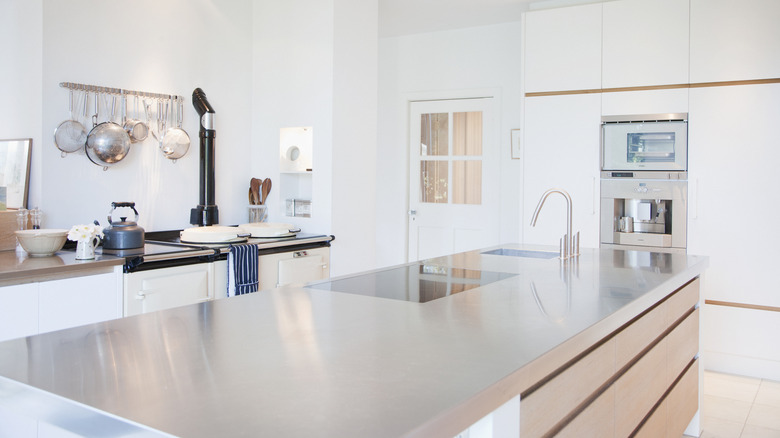
If you want an eco-friendly countertop that's cheaper than granite or quartz, aluminum is a solid choice. But while it might be a good fit for certain kitchen renovations and shouldn't necessarily be a deal breaker when buying a home, it's important to understand both its strengths and its limitations.
As a countertop material, aluminum comes in a surprising range of finishes, from the matte gray of untreated metal to color-tinted versions created with corrosion-resistant coatings. Its light weight can make it less expensive to install than stainless steel or marble, though it's generally still pricier than wood. Since it's metal, aluminum is relatively stain-resistant, although discoloration is still possible if it comes into contact with certain materials or excessive heat. Ultimately, aluminum can be a decent choice if you don't use your kitchen often or tend to make very little mess when you do.
However, if your kitchen sees heavy use, whether that's frequent cooking or even a weekly meal-prep session that lasts for hours, you may want to reconsider. The biggest drawback of aluminum countertops is how delicate they are overall. While marble is durable but sensitive to certain chemicals and wood can withstand harsh cleaners but is vulnerable to heat, aluminum combines many of those weaknesses into a single material.
Aluminum dents and scratches easily
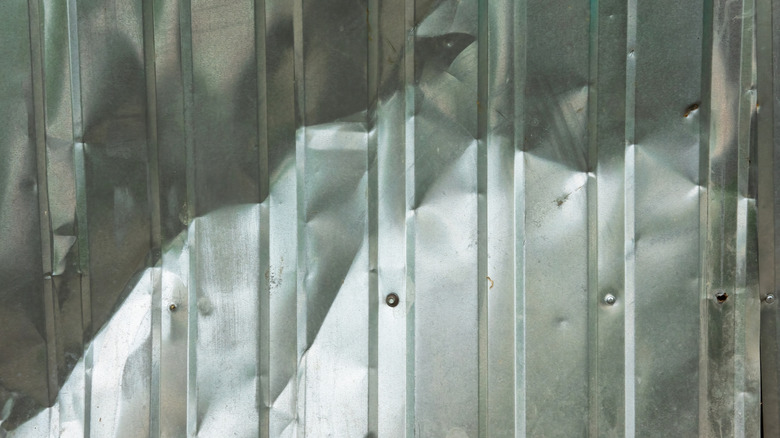
One of the main reasons commercial kitchens love stainless steel countertops is because they can take a serious beating. While it's understandable to think aluminum may be similar, just less expensive, it's important to remember that aluminum is actually quite soft. Foil is often made from aluminum because it is a lightweight metal that easily changes shape; while household foil is especially pliable because it is rolled thin, even heavy-gauge aluminum sheets share that underlying soft quality.
Dropped cookware, heavy appliances, or a sharp impact from a meat tenderizer can easily dent or scratch your work surface, and attempting to hammer out those imperfections is difficult. Whether you're pounding a chicken breast flat, preparing flavorful mashed potatoes by hand, or just chopping away on your cutting board, the last thing you want to think about is whether you're abusing your countertop. If you have to start accommodating the softness of aluminum surfaces in your cooking, all you're doing is creating an unnecessary handicap.
Aluminum countertops are prone to damage and bacteria growth
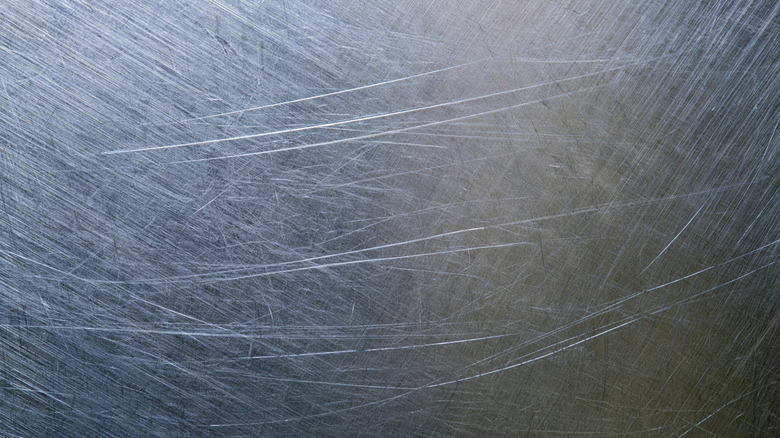
The same thing that makes aluminum easy to dent also makes it easy to scratch. In the best-case scenario, older aluminum countertops develop an odd appearance from the hundreds of micro-scratches they accumulate through normal wear and tear. In the worst case, they can even become breeding grounds for bacteria.
Dips, divots, and scratches tend to accumulate bacteria far more quickly than flat parts of a work surface. This is because their crevices are a little harder to reach with cleaning agents and cloths, creating little pockets of safety for microbes. From dribbles of soda to tiny scraps of meat, just about anything can accumulate and decay in these areas. Aluminum, as a soft metal, is particularly prone to this, which can make getting it perfectly clean a serious chore.
Most other countertop materials are either resistant to scratching or otherwise quite easy to repair. Depending on the type of aluminum used in your work surface, the job may be as simple as sanding the area to an even plane or as complex as incorporating touch-up paint and clear coats after cleaning, sanding, and polishing. Either way, there are few things more important to cooking than working in a clean environment, and maintaining the cleanliness and longevity of an aluminum countertop is often more work than it's worth.
Aluminum may not rust, but it does corrode
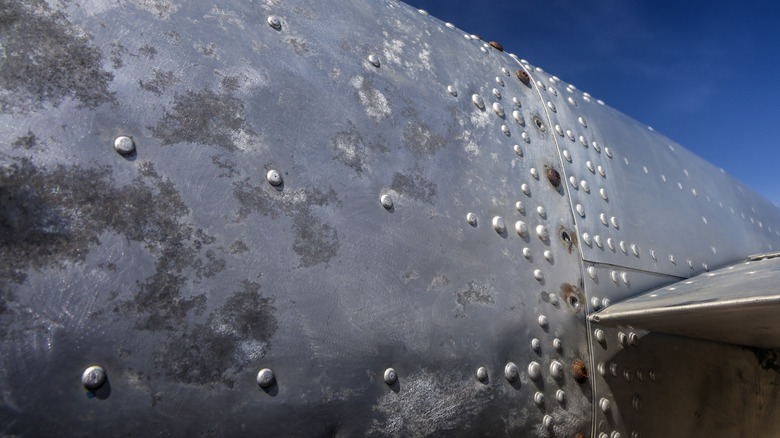
Some people believe aluminum is superior to stainless steel because it contains no iron and therefore can't rust. While this is true, that doesn't mean it's completely immune to degradation.
Aluminum corrosion doesn't necessarily happen faster than the decay of wood or the erosion of marble, but it can certainly seem that way. That's because aluminum is particularly vulnerable to a few specific drivers of corrosion, like salt, humidity, and even contact with dissimilar metals. This is why it's recommended to dry aluminum cookware immediately or why raw aluminum is often reserved for lighter-duty applications. For a countertop, corrosion not only creates unsightly discoloration, but it also weakens the integrity of the material and leaves it more vulnerable to further pitting, scratches, and dents.
You can get around some of these problems by using treated aluminum, such as anodized varieties or those with a paint coating. But anodized countertops may increase the cost to the point that you're better off buying another material, and paint coatings require occasional touch-ups that may become a hassle.
Limited cleaning choices make aluminum countertops hard to maintain
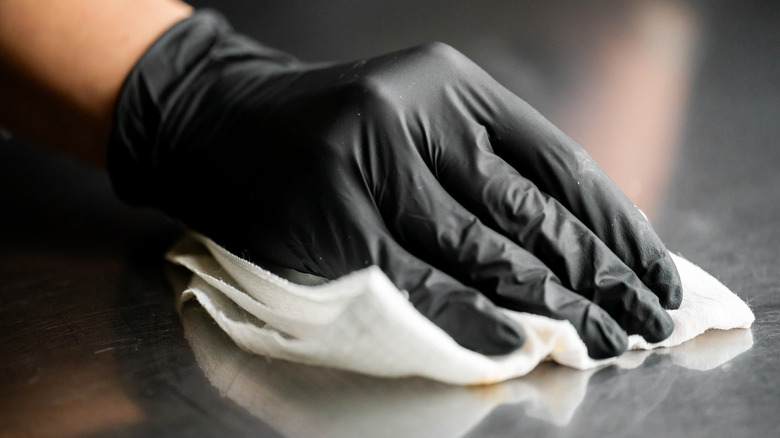
Kitchen countertops can get pretty dirty, and while you don't want to use harsh cleaners every day, it's nice knowing they're an option for the occasional heavy-duty job or yearly deep clean. However, whether you're talking about the cleaning agent or the tool, aluminum countertops can only take the softest, mildest options available.
While you should always be careful when using bleach no matter what your countertop is made of, even something as simple as cleaning your kitchen with vinegar or using baking soda to clean oil spills may be off the table. Acidic cleaners like vinegar can eat away at the protective coating on anodized aluminum, and alkaline substances like baking soda can cause pitting and discoloration. Even if you aren't actively cleaning with them, these are common cooking ingredients that can cause serious damage through incidental contact unless you clean them up right away.
Even a stiff wire brush may scratch the surface and encourage bacterial growth, so your only real option is dish soap and a cloth. While this combination is highly effective and can clean most things just fine, limiting your options for such a sensitive countertop material only holds you back and makes cleaning a bigger hassle.
Aluminum gives you commercial appearance without commercial quality
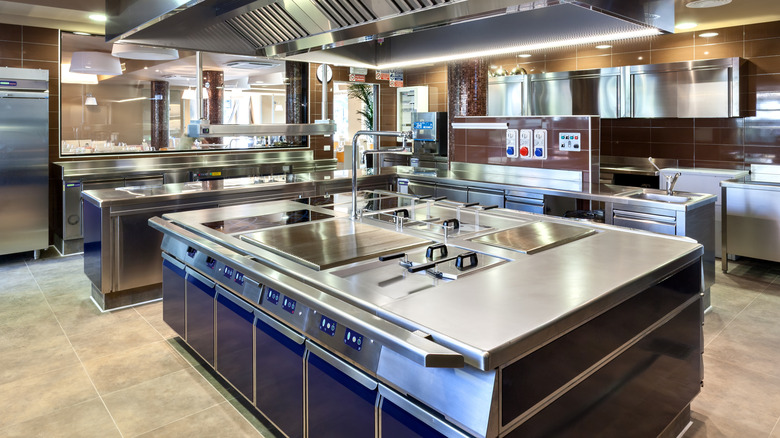
Few people want the sterile, industrial feel of a professional kitchen in their own home, and solid metal countertops are one of the biggest contributors to that overall design. However, even if this is the look you're actively going for, you'll still be dealing with a material that is essentially just a worse version of stainless steel.
When properly cared for, a well-made stainless steel countertop can easily last 20 years with little effort and continue lasting for decades longer with proper maintenance. All that's really required is keeping it clean, as its alloy and protective layers should prevent most damage and degradation. Aluminum, however, is vulnerable to heat, humidity, scratches, chemical agents, and even the wrong types of metal, so not only will it inevitably not last as long, but it'll also look far worse than stainless steel the longer it's installed. So while aluminum may immediately deliver a commercial appearance at a lower initial investment, you'll likely end up paying more money down the road for replacements and spending more time maintaining its finish.