

6 Mexican Restaurant Rules American Tourists Immediately Break
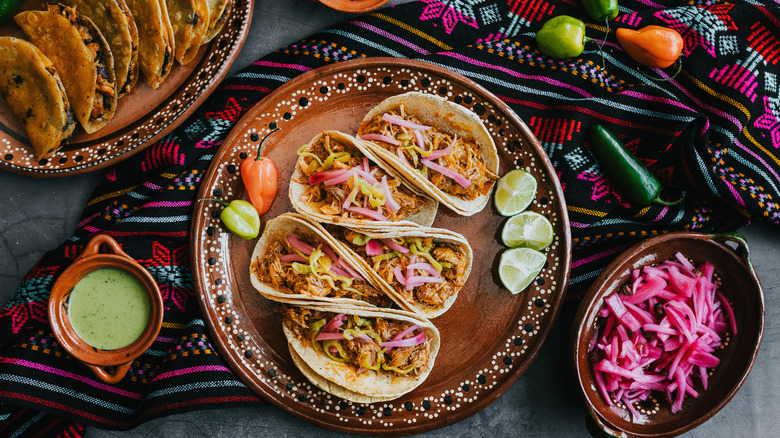
Mexico is close enough to the United States to make it an easy destination for many American tourists. Besides visiting breathtaking pre-Columbian and viceroyal sites, shopping, and enjoying the diverse landscapes, a big part of traveling to Mexico is enjoying its many local specialties. However, there are many details of dining out in the U.S. that we may take for granted that may not exist abroad or are handled differently. If you've traveled to other Latin American countries, you may already be accustomed to these differences, but there are still some aspects of visiting a restaurant in Mexico that are unique to that country.
Along with my spouse, I've visited Mexico multiple times, have taken other American tourists along for visits, and have even organized small group tours to this Spanish-speaking country. During my travels, I've also stayed and dined out with many locals, who have provided me with invaluable insights into Mexican restaurant culture. In my experience, I've noticed that many American tourists may arrive in Mexico not being aware of these cultural particularities. Some of these are polite customs, while others may affect travelers' health and safety. Fortunately, it's easy to learn what not to do at local restaurants so that you can best enjoy your meal. Below are six Mexican restaurant rules that many American tourists may break while visiting this popular tourist destination.
Understand when Mexican restaurants are open

Different cultures have different approaches to eating, and Mexico is no different. Besides knowing not to eat a taco with a knife and fork, understanding when locals eat their meals and the times when restaurants are typically open for business is vital to having an enjoyable dining experience in Mexico. Like in many Latino cultures, lunch is the main meal of the day, and dinner tends to be a lighter affair. Mexicans also typically prefer to have their meals much later than many Americans are used to eating.
If you're expecting to walk into a restaurant at noon for lunch or 5 p.m. for your evening meal, you may find yourself with few options. Furthermore, not many restaurants in Mexico offer continuous service and may close for several hours between lunch and dinner. You may find some exceptions, but these may be chain restaurants or those catering to tourists. It's always best to research a restaurant's hours while you're adjusting to this schedule if you're used to eating earlier in the day. Partaking in la merienda, the traditional mid-afternoon snack, can also help tide you over until dinner. And if you speak Spanish, be aware that Mexican meal terminology may be different from what you're used to.
Don't expect to find the same food you find at Mexican restaurants back home
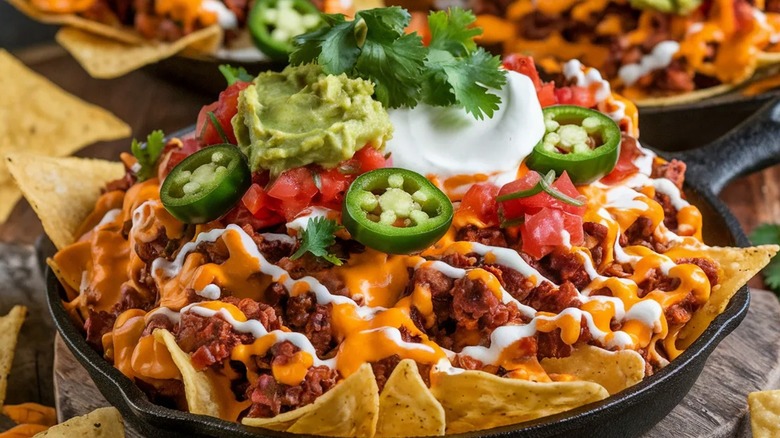
Mexico is a big and very diverse country with many regional cuisines. You may not find the same types of tacos in Yucatán as you would in Los Angeles, and the quesadillas in Oaxaca may look different from what you'd get in Chicago. This doesn't mean that you're getting fake Mexican food in your hometown, but that the people making your favorite dishes may not be from the same part of Mexico where you're visiting. It's best to research the local specialties of your specific destination in Mexico so you can take advantage of dishes you may not be able to find back home. This will also prevent you from wasting time trying to find a chalupa in Cancun or cochinita pibil in Guadalajara.
For the record, flour tortillas, cheese, and sour cream can be traditional in certain regions, especially in the north. However, other dishes, like queso dip and jalapeño poppers, are American inventions; margaritas are more popular in the U.S. than they are in the birthplace of tequila, and New Mexican cuisine is not the same as what you find in Mexico. All that said, also keep in mind that many familiar products may taste different in Mexico, so even the exact same dish you're used to that's made with the same ingredients may not meet your expectations. In short, a carnitas taco in Mexico won't taste quite the same as it does in the U.S.
Don't think that the best food only comes from street vendors
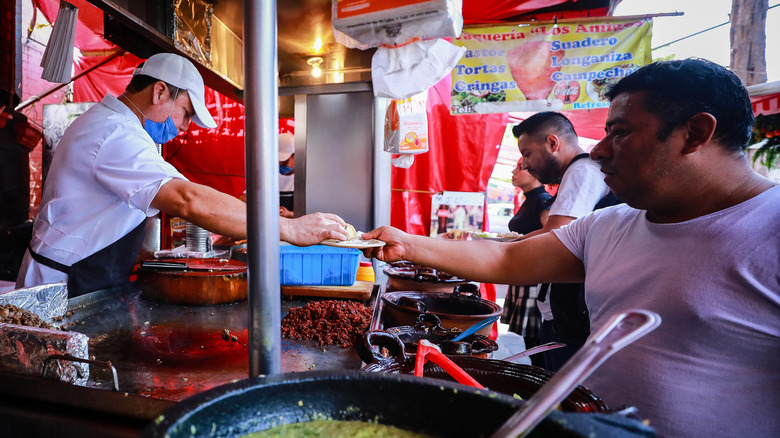
Vloggers and social media influencers have done a great job highlighting street food throughout the world, but now many travelers think that's the only good food to be had, especially in developing countries. If you go to Mexico with this mentality, you're going to miss out on some phenomenal culinary experiences. Locals do stop at street vendors for a quick snack on the go, especially if they're strapped for cash, and there are some iconic stalls and carts all throughout the country, but their appeal usually lies in their affordability and convenience and not necessarily the quality of their food. Think of hotdog carts, fast food drive-thrus, and gas stations in the U.S., and you get the idea.
Many locals often prefer to go to a brick-and-mortar business for better quality and consistency, a more comfortable dining experience, a much wider variety of foods that aren't available from street vendors, and better hygiene. Many of these are casual, informal spots offering good value, generous portions, and friendly service. You can find a lot of street food specialties at brick-and-mortar businesses, too, including tamales, elotes, and a plethora of taco options. If you want to have a street food experience, opt for formally organized street food festivals or officially recognized markets where vendors are licensed and undergo food safety inspections. Also, don't pass up higher-end restaurants, as some of the best fine dining experiences in the world can be found in Mexico. And finally, always remember that dirtiness isn't traditional or authentic, no matter where you are.
Ask about the water
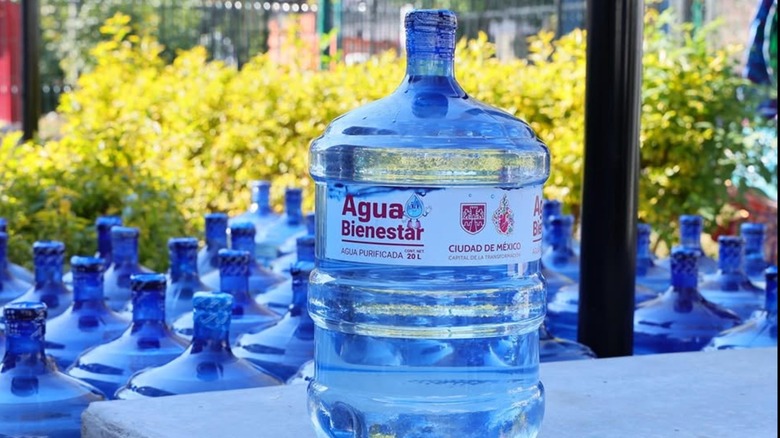
If you stop at a convenience store or supermarket in Mexico, you may encounter locals purchasing huge tanks of commercially bottled water like the kind that are used for office water coolers in the U.S. This is because most locals avoid drinking tap water. Many homes now feature filtration systems, and you can also find these in many hotels and mid-range to high-end restaurants.
It is not rude at all to ask the staff if the water is treated or bottled before ordering, and many locals will do this when dining at an unfamiliar restaurant, especially a more casual one. This also applies to ice, frozen desserts like paletas, and water-based beverages like aguas frescas. Avoid purchasing these from street vendors, and if you feel uncomfortable asking where the water comes from, stick to bottled beverages. Most reputable restaurants will provide you with a sealed bottle, and you should send it back if it's already opened. Again, this is something that's perfectly acceptable among locals.
Don't let your server walk away with your credit card
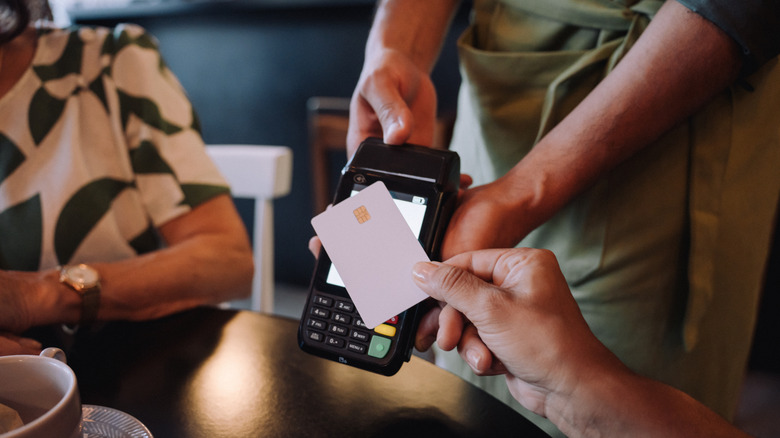
A typical meal out in the U.S. may end with you handing your credit card to a server for them to take to the back to process, and you may never have given it a second thought unless you've ever had to deal with credit card fraud. This practice has become increasingly rare abroad, especially in developing countries like Mexico. You can use your American credit cards south of the border, but servers are required to bring a portable point of sale (POS) device and process your credit card in front of you. Many servers are also prohibited from handling diners' credit cards themselves as an extra precaution.
This isn't just a rule for foreign visitors, though, and applies to every diner. Locals may even request to speak to management or report a business to the local authorities if staff does otherwise, as this can be an indicator of criminal activity. It may sound like overkill, but these procedures are necessary to protect everyone. More casual restaurants may have you pay at the counter, but you should also make sure that you can see and have access to the POS and that nobody but you or an authorized user is swiping your card. Nevertheless, many restaurants still prefer to take cash, especially smaller, less formal ones.
Say buen provecho as you leave

As it is in the United States, good etiquette is important in many Latin American countries, including Mexico, and you don't want to be one of the worst types of diners to take to restaurants. Saying please and thank you is just as important in English as it is in Spanish, as well as greeting employees when you walk into a business and bidding them farewell as you're leaving. One custom that may be unfamiliar to many non-Latinos, however, is saying "buen provecho" as you leave a restaurant. The phrase is the Spanish equivalent of "bon appétit" and is directed at other diners who are still enjoying their meals.
You don't need to go to each individual like a restaurant manager, though. An audible "buen provecho" directed at the general dining room as you're leaving will suffice. If you're at a smaller establishment, especially if it's not too busy, politely nodding to some of your fellow diners and wishing them a good meal is a nice gesture. This tradition isn't just for formal occasions, though, and you'll find people doing it at even the humblest eateries. It's not a requirement, and younger generations may forget to do it, but it does demonstrate an appreciation for the culture along with "buena educación," the Spanish term for good manners. And remember to also thank your server, which is good advice no matter where you travel.