

The Extra Meaty Lasagna You Can Find In Naples During Carnevale
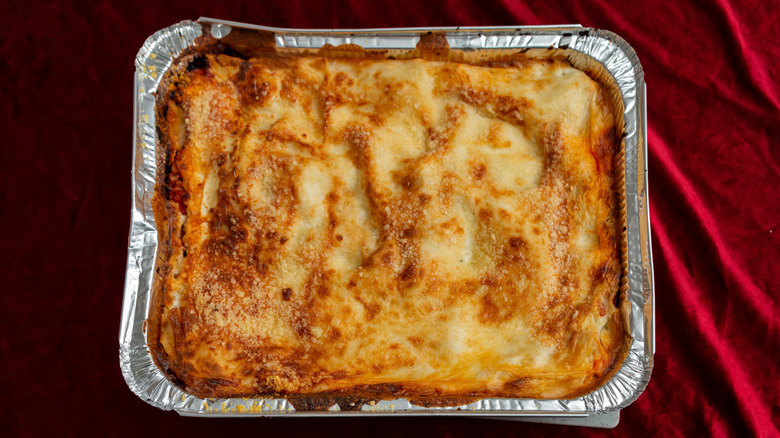
Ask 10 people to name their favorite cuisine, and there's a good chance most of them land on Italian. From pizza and pasta to risotto and wine, the country is responsible for producing some of the world's most iconic and recognizable dishes. But here's the thing: There's no such thing as a single "Italian cuisine." Italy is made up of 20 distinct regions, each with its own ingredients, cooking traditions, and centuries of history baked right into the food. Take Naples, the beating heart of the Campania region. While the rest of the world knows it as the birthplace of pizza, locals guard a different tradition close to their chests that only comes out once a year. Designed to be a serious sendoff to Carnevale, Neapolitans enjoy an indulgent, meat-packed lasagna before Lent's fasting begins.
Carnevale, a playful translation of the Latin meaning "farewell to meat," is essentially a 40-day period filled with festivities and excess before the 40 days of Lent and subsequent abstinence roll in. It's celebrated all over Italy, but each city puts its own spin on things. Over in Naples, lasagna di Carnevale is what sets the celebrations apart. Traditionally served on Fat Tuesday, the final day of the Carnival season, this dish is the culmination of all that indulgence in rich, fatty foods before dietary restrictions kick in.
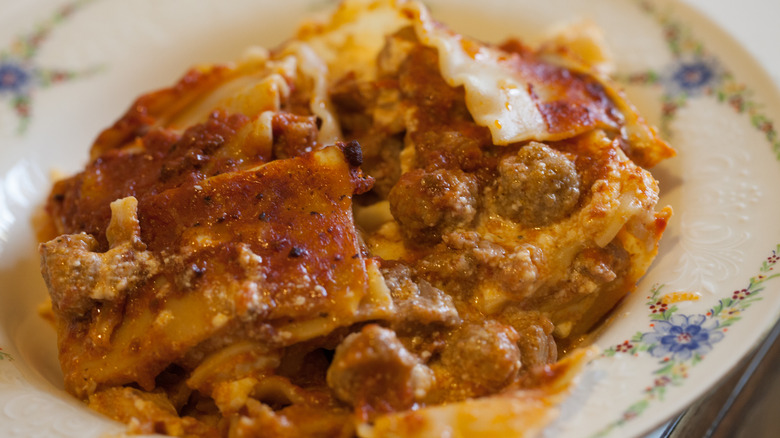
Unlike your traditional lasagna, which layers pasta sheets with tomato ragù and smooth béchamel sauce, the Carnevale version swaps the ragù for mini meatballs (polpette) and the béchamel for ricotta. There are no hard rules for what can or can't go in, and it's often loaded with a mishmash of different salamis, cheeses, and even boiled eggs. Talk about closing Carnevale out in style!
What other dishes do Neapolitans enjoy during Carnevale?
Lasagna di Carnevale is just one of many unique dishes enjoyed during Neapolitan Carnevale festivities, and no Carnevale spread would be complete without an abundance of indulgent sweet treats. One of the city's most famous delicacies is chiacchiere, thin ribbons of fried dough dusted with powdered sugar, almost always dipped in sanguinaccio dolce. This rich, silky chocolate cream historically got its dark color and name from actual pig's blood (sangue meaning "blood"), a practice that health regulators put an end to decades ago.
The history of chiacchiere goes all the way back to ancient Rome, where similar dough was fried in pork fat to celebrate Saturnalia, the ancient festival that would eventually evolve into Carnevale. And while chiacchiere shows up in every region of Italy, there are several important variations. Head to Lazio, and you'll hear it called frappe; in Tuscany, it's cenci. The variations don't stop at the name, either. Each region puts its own local ingredients to work, and that includes the splash of spirits that flavors the dough. Up north, that usually means grappa (a local grape brandy), while farther south, local favorites like sambuca or limoncello are far more likely to make an appearance.
Desserts, or dolci, seem to make up the bulk of Naples' Carnevale delicacies. Tables also often feature castagnole, bite-sized fried dough balls rolled in sugar while still warm, and migliaccio, a cake baked with semolina and ricotta (a secret ingredient for moister cakes) that has roots stretching back to medieval times. With the amount of fried and baked food consumed during Carnevale, by the time Ash Wednesday rolls around, Neapolitans clearly won't have to worry about any leftover eggs, milk, and butter sitting in the pantry.