

Do Pennies Really Help Your Vegetables Grow?
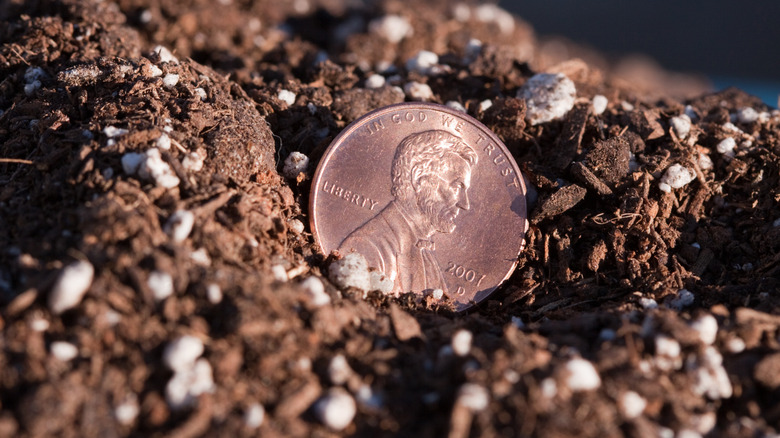
Giving your vegetables essential nutrients and minerals is the best way to ensure they can take full advantage of great sun and plenty of water. However, while copper is a useful tool in the garden, burying pennies alongside your plants won't help them grow.
Copper is an underrated building block for a healthy plant that boosts chlorophyll regulation and seed production while also protecting it against diseases. The theory is that by burying pennies in your garden, you're steadily diffusing copper into your soil rather than opting for a specialty fertilizer. However, while this may add some copper, it'll be a pretty negligible amount. Most pennies are only jacketed in the metal and have a zinc core, and there's no telling how fast they'll oxidize and break down to actually deliver what you want.
To get enough copper to make a difference, you'd have to bury an enormous load of pennies in your soil. However, so many would inevitably disrupt root structures, similar to gardening in rocky or untilled soil. If you've tested your soil and found nutrient deficiencies, it's always best to use fertilizer if you need changes that season or use veggie scraps from the kitchen if you can wait a year for them to break down into the dirt.
How to introduce and apply copper in the garden
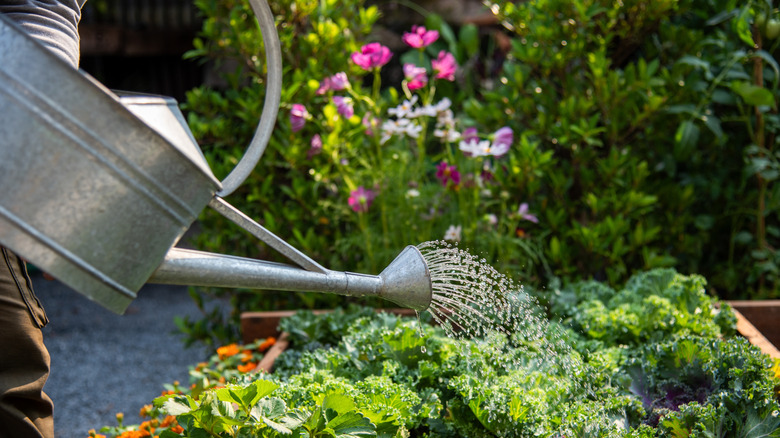
While preparing your soil is a spring gardening task you should never skip, introducing copper should be done very carefully. It's pretty resistant to being washed away by water, so adding too much can end up poisoning your plants for years to come. Always test your soil before introducing additional copper, so you know exactly how much to use.
Neglecting to fertilize properly is one of the worst beginner gardening mistakes that can ruin a harvest, but fertilizing with copper is actually quite easy. A single application can last for many seasons, and you can either broadcast it by hand or mix it into water. Most of the time, you'll find something labeled "copper sulfate," which are tiny blue crystals that are quite water soluble. If you aren't dissolving it in water, be sure to thoroughly till your soil and allow the fertilizer to disperse for a month or two before planting, ensuring an even distribution.
If you live in a particularly humid area or have a tightly packed garden, copper-based treatments also act as highly effective fungicides. The same way copper can poison your plants, it can also destroy microorganisms. However, these sprays are diluted enough that they'll only kill the things living on the surface of your garden. While you wouldn't want to empty a bottle into the base of your tomatoes, you can be pretty liberal with applications if you find one has become infected with a fungus or mold.