

How Dynamic Pricing Impacts Your Grocery Bill
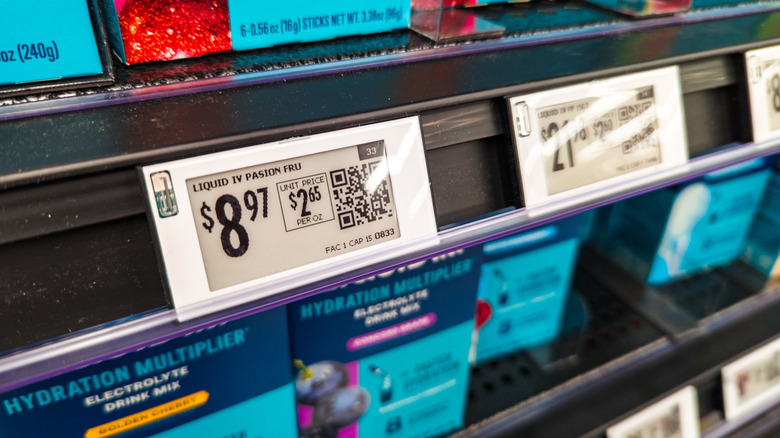
The price of groceries has risen steeply in the last few years, with a substantial increase of nearly 3% just between April 2025 and April 2026. With the average monthly grocery bill for Americans falling between $330 for a single woman and over $1,000 for a family of four, it's no wonder people are worried about dynamic pricing. Dynamic pricing, which can be summarized as pricing that shifts in real time based on factors like market demand, competitor pricing, or even time of day, has been made easier for grocery stores to achieve with technology like digital shelf tags. So what does it mean for your grocery bill? Currently, it's a mix of ups and downs; about half the time, dynamic pricing is employed to lower costs, and the other half, to increase them.
As one of the largest retailers in the world, Walmart announced that in 2026, the process of rolling out digital labels would be completed across all of its more than 4,600 stores. Target and Kroger have both used dynamic pricing for some time. The latter has been proven to raise prices slightly more often when employing the pricing scheme, while Walmart and Target trend toward decreases (via Decodo). So while it could spell higher prices in the future, especially if you shop on busy days or at busy times, or you're seeking an in-demand, trendy food, the impact on your monthly grocery shopping should be minimal thus far — but it is something to keep your eye on.
AI is driving dynamic pricing, and what you can do about it
Dynamic pricing in grocery stores is currently being driven by artificial intelligence, or AI. Many of your food purchases these days are traceable — if you're not outright buying your groceries online, then you're at least using a credit card for many of these types of transactions. Either way, AI can be used to scan and analyze all that data you've so helpfully generated, drawing conclusions about your demographic information, plus buying and browsing patterns, and most crucially, how much you might be willing to pay for something.
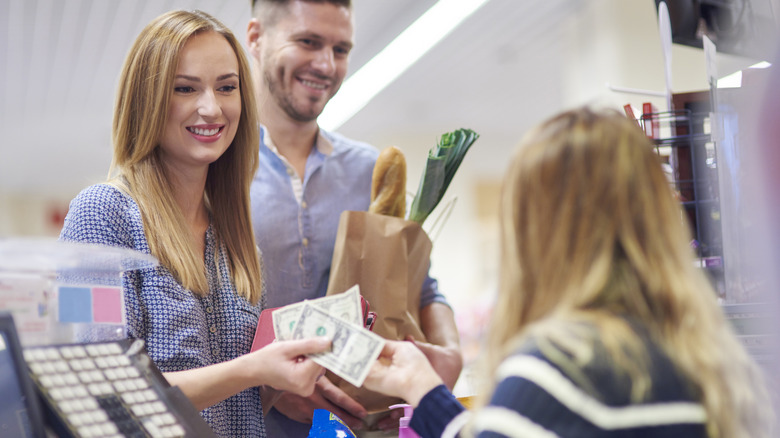
If you're thinking you want nothing to do with this and would like to opt out as best you can, you're not alone. The very best way to avoid interacting with AI while grocery shopping is to head inside the stores and pay with cash at the checkout whenever possible. Cash is untraceable and generates no data about your shopping habits, and so long as it's accepted, it will be your best defense against dynamic pricing.
However, for those who have grown fond of using their debit card or grocery shopping online (the latter can be a good way to actually help you save money), there are still actions you can take to mitigate your digital footprint. Clearing the cookies and cache on your browser will purge the grocery website's data about you; it'll be like you were never there before. You can also shop using your browser's incognito feature, which doesn't allow the websites you've visited to retain any of the data you may have generated.