

'60s Grocery Store Prices Boomers Miss The Most

We may receive a commission on purchases made from links.
It can be nice to get nostalgic and look back on another era. For members of the Baby Boom generation — those born between about 1946 and 1964 — there's a lot to get misty-eyed over, not the least of which is the cost of food back then. In the 1960s, the average household could buy a week's worth of groceries for less than $20. Nowadays, you can scarcely get one family-sized frozen lasagna for that price.
Today's skyrocketing food costs seem crazy. To fight the sticker shock, people are turning to discount supermarkets like Aldi for cheaper groceries and even resorting to the old-fashioned method of growing their own produce to cut down on costs. By comparison, purchasing food in the 1960s seemed like a dream when you consider the prices of common grocery staples then versus now.
Maybe someday, today's high-priced food will seem like nothing, say, 30 years in the future. For now, folks everywhere are feeling the pinch and wishing we could turn back the clock to a simpler time, when a dollar stretched much further and you could, for instance, buy a McDonald's burger, french fries, and a milkshake for $0.52 (today, Mickey D's is among the fast food chains customers consider overpriced, and you can pay more than $10 for a basic hamburger, small fries, and a shake).
While we can't turn back the clock, we can certainly glance backward with wistfulness at this golden age, when grocery bills didn't break the bank. Take a look at some of the 1960s-era food prices Boomers wish we could get back again (as do the rest of us).
Coca-Cola was drastically cheaper
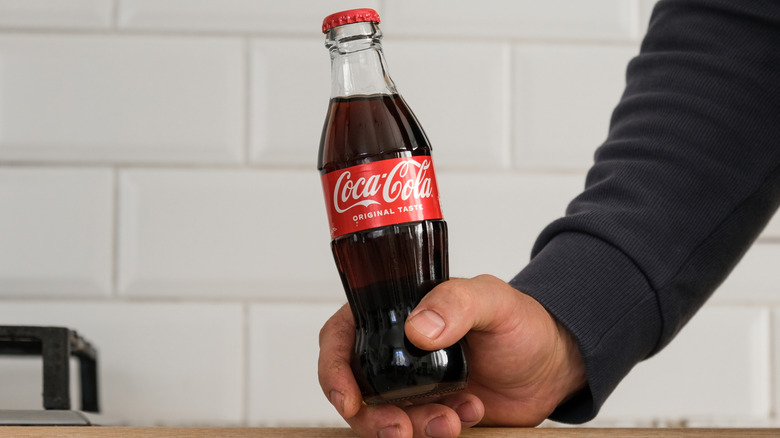
Today, if you're craving a cold Coca-Cola, just one 20-ounce bottle can set you back more than $2. Back in 1960, though, you could buy an entire case of 24 Cokes — in fancy glass bottles, no less — for just a dollar and change.
Eggs were a truly eggs-cellent price
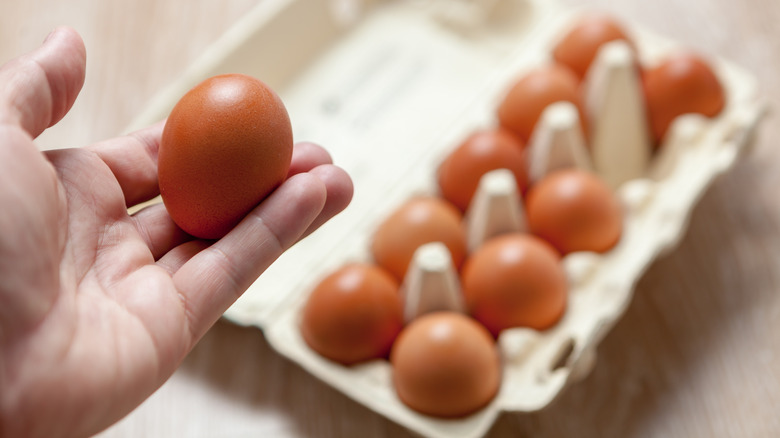
Eggs always seem to get hit hard price-wise during economic crises (remember when the average cost of eggs surpassed $6 per dozen in 2025?). But in the '60s, you could score eggs at the supermarket for anywhere from $0.39 to $0.55 per dozen.
You could get multiple cake mixes for just $1
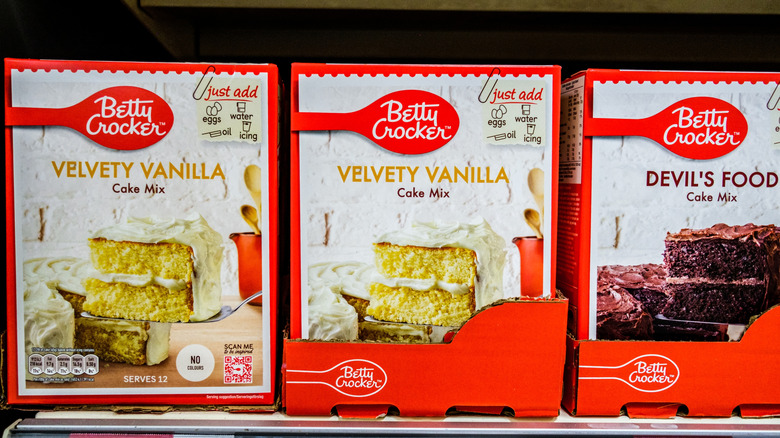
Boxed cake mixes are so versatile, serving as the foundation for all kinds of desserts — not just cake. Homemakers in the 1960s could stock up on them cheaply, buying as many as three or four boxes for just $1, which made it easy to whip up quick treats to accompany dinner or take to a potluck.
Babies could be fed for pennies
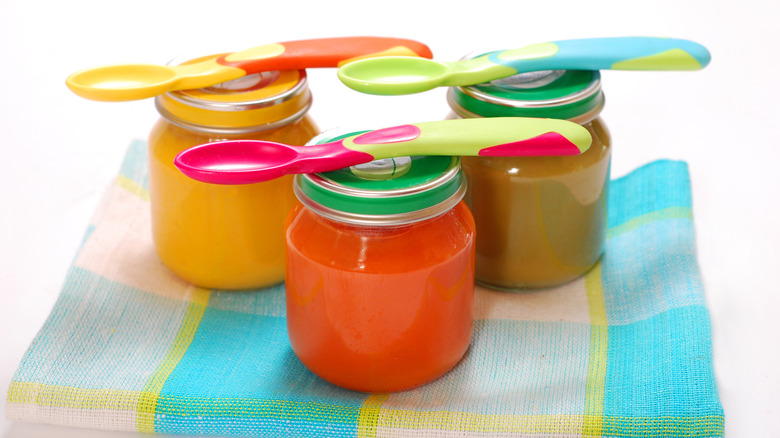
Baby Boomers got their name from the huge uptick in childbirths that occurred following World War II. With all those newborns, the good news was that baby food could be purchased for as little as $0.07 or $0.08 per jar during the 1960s.
Velveeta was once a sub-dollar grocery bargain
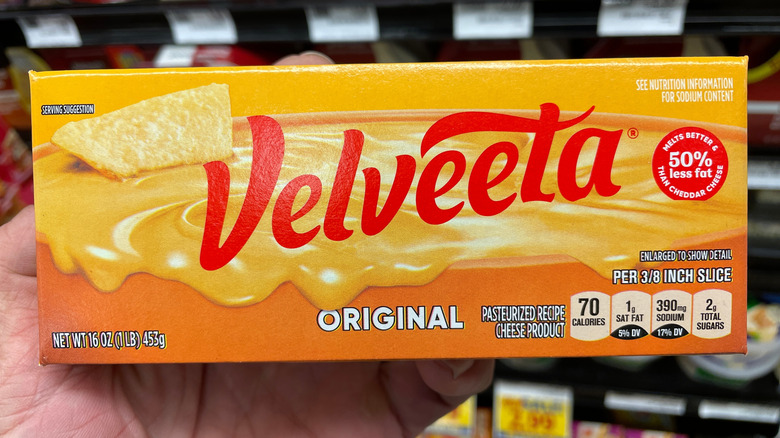
If you're a fan of the gooey meltiness of that shelf-stable cheese product known as Velveeta, nowadays it costs more than $7 for just one 32-ounce box. Back in the '60s, though, a 2-pound package could be purchased for between $0.68 and $0.78 per box, letting consumers melt and munch to their heart's content without ever surpassing a dollar.
A single dollar bought you a whole lot of Jell-O
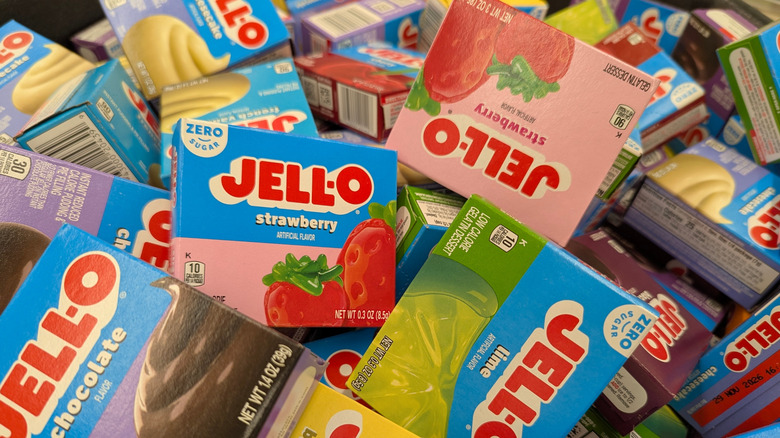
That famous jiggly dessert known as Jell-O reached the zenith of its popularity in the 1960s, and it was even considered a status symbol to serve a colorful Jell-O creation at a dinner party or other event. For all its hype, Jell-O was a very low-cost pantry staple, and one could amass a supply of it for as little as 12 packages for $1, per this 1960 grocery ad published in the Pittsburgh Press.
Premium porterhouses sold for a non-premium price
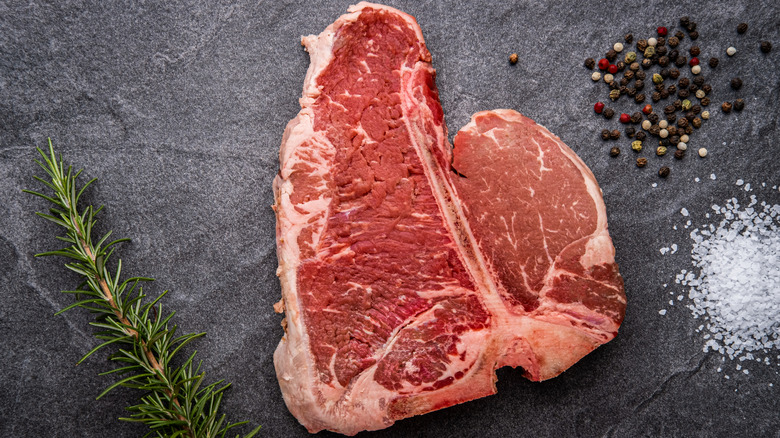
Porterhouse is a premium steak considered one of the very best cuts of beef, and even at so-called "affordable" steakhouses, you can pay more than $40 for one porterhouse steak dinner nowadays. It seems almost unfathomable, therefore, to think that back in the 1960s, you could buy porterhouse for $0.89 per pound or less at the supermarket.
Pennies on the pound for potatoes
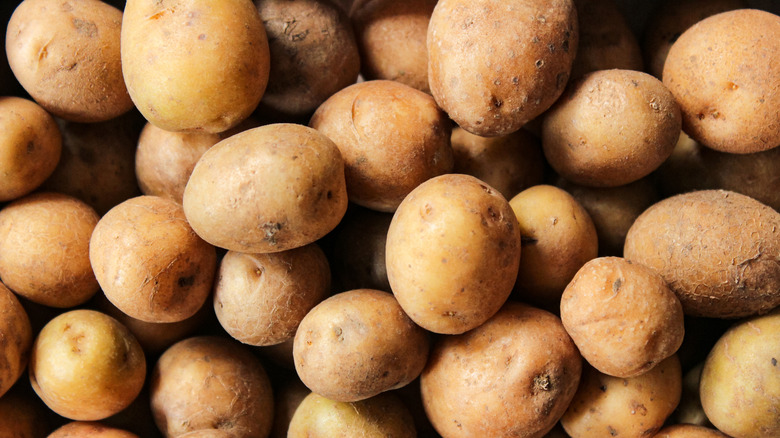
If you wanted to bake or mash some potatoes to go with your steak dinner, you could buy plenty of spuds for just $0.07 per pound or less in the 1960s. It's no wonder budget-conscious families have historically used potatoes to stretch their beef rations and, thereby, save money, adding shredded and mashed spuds to meatloaf, hamburgers, and other dishes to give them bulk.
You could get a sweet deal on a Whitman's Sampler
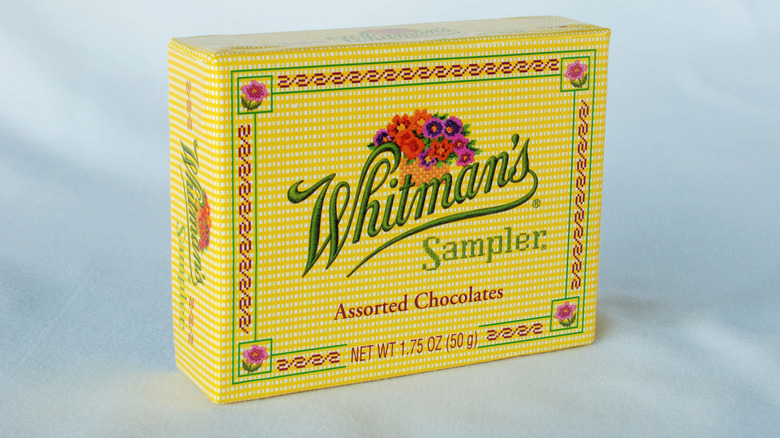
For more than 100 years, Whitman's Sampler has been a traditional gift for loved ones on special occasions, saying "I love you" with that famous yellow box filled with assorted chocolates. Nowadays, it can cost upward of $50 for just one Whitman's Sampler; however, per a 1960 Pay Less Drug Stores ad from Richland, Washington (via eBay), back then you could get a box on sale for just $0.66, marked down from the regular price of $1.39.
Ball Park frank prices were a major league deal
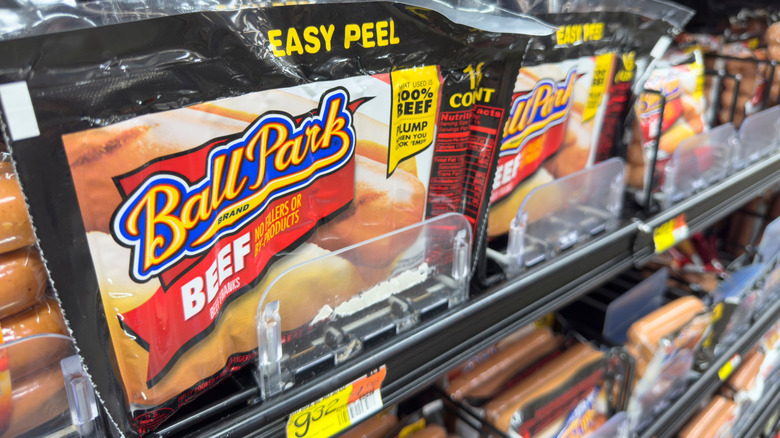
Ball Park franks, now sold under the Tyson Foods banner but originally offered by Hygrade Food Products, has been a household brand for generations. This 1969 Foodville Super Market ad from Belleville, Michigan, shows a 1-pound package of Ball Park hot dogs priced at just $0.69.
Miracle Whip had a miraculous price
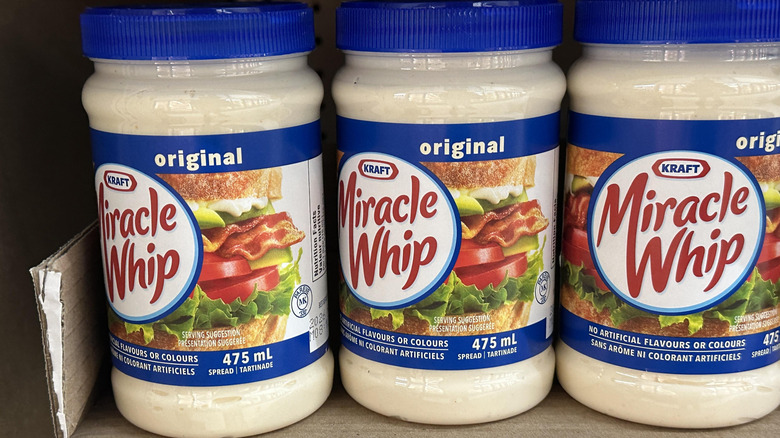
If you enjoy the "tangy zip of Miracle Whip" (to quote the tagline from old TV commercials), you probably know you can pay more than $5 for a 30-ounce jar nowadays, more than $8 for a 48-ounce jar, and more than $18 if you want an entire gallon. Back in the 1960s, though, you could get a quart jar of Miracle Whip for between $0.44 and $0.49.
Campbell's soup was an affordable meal in a can
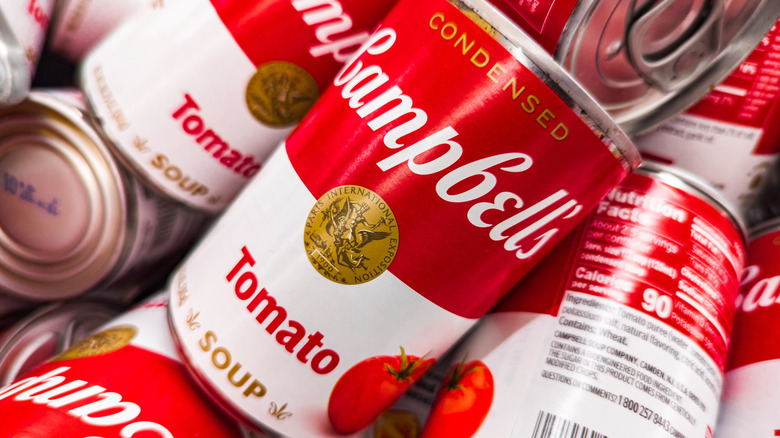
When you want a fast meal, it doesn't get much easier than popping open a can of soup and quickly heating it, and Campbell's has been the instant soup brand to beat for more than 150 years. Back in the 1960s, you could stock up on the company's condensed soup for between just $0.10 and $0.15 per can.
Ground beef prices were a true dream
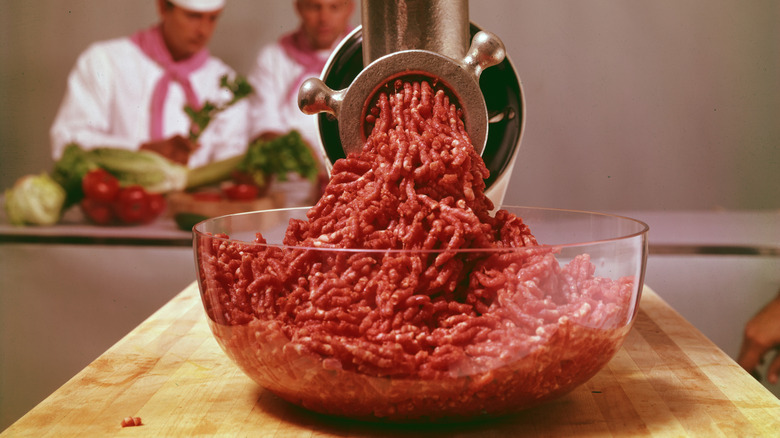
The year 2026 saw beef prices reach record highs, with ground beef averaging $6.70 per pound in March 2026. These eye-popping costs make the ground beef prices of the 1960s seem like a dream, with beef ringing up as low as $0.50 per pound, or even 3 pounds for $1.
Cottage cheese had a budget-healthy price tag
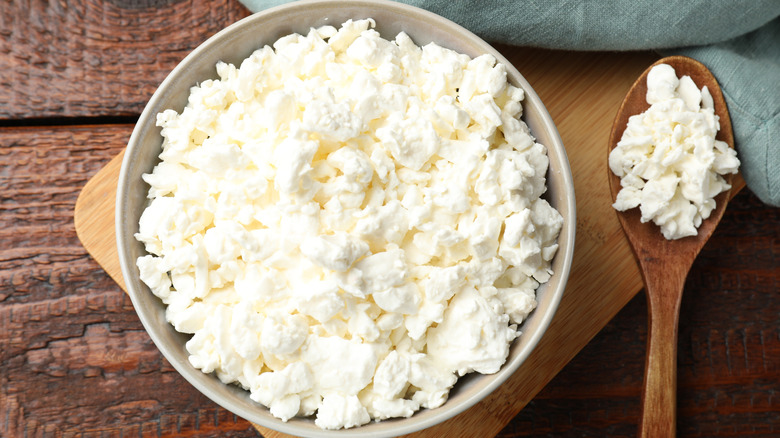
Cottage cheese is a protein-rich, versatile dairy product that blends well with both sweet and savory foods, and in the '50s and '60s, it was widely hailed as a health food. Back then, cottage cheese could be purchased for as little as $0.29 per carton, and buying in multiples took the price down even further — as low as four pints for $1.
You could score bacon for a lean price
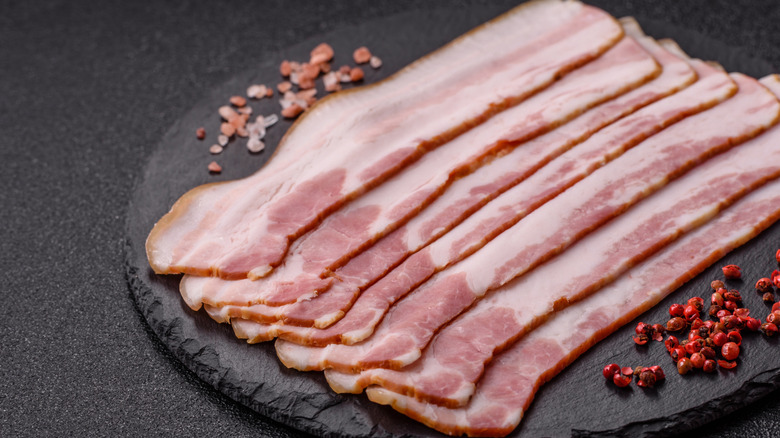
Bacon just makes everything better — sandwiches, salads, loaded baked potatoes — and in the 1960s, you could pick up the meaty pork staple for a very lean price: as low as $0.59 per pound, or even less. A 1960s-era grocery advertisement published in Oregon's The Rainier Review (via Rainier Oregon Historical Museum) listed a tantalizing bacon sale price of 3 pounds for just $1.
The price of bananas was ... well, bananas
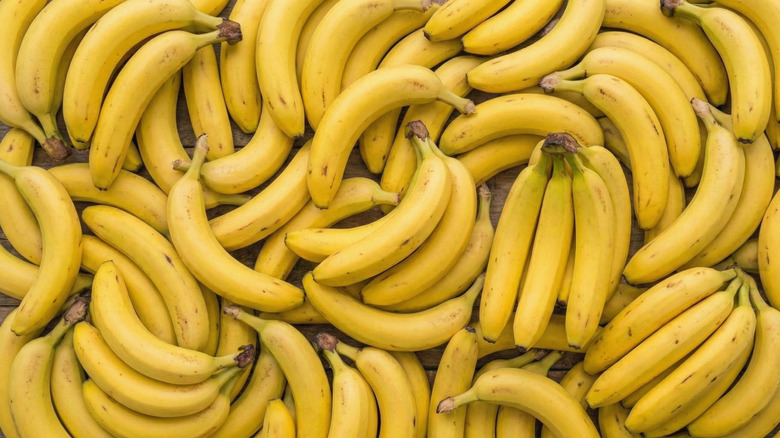
Staying stocked up on bananas, that potassium-rich tropical fruit, was inexpensive in the 1960s. A 1965 Albertson's ad from Tri-Cities, Washington (via NonStop Local Tri-Cities/Yakima), listed a whopping 7 pounds of bananas for just $1, while other sources cite prices as low as $0.10 per pound.
It was inexpensive to stock your pantry with flour
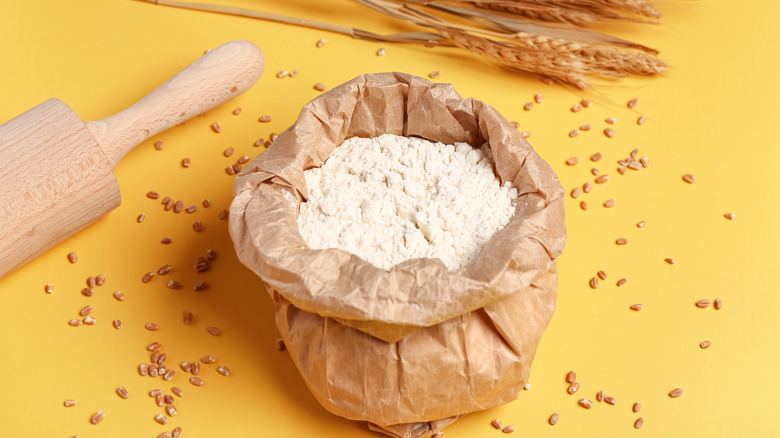
You might say flour has been a fundamental staple of the human diet for a good, long while — at least 30,000 years or so. As the foundational ingredient in bread and other baked goods, a thickener for gravies and soups, and for its various other uses, flour remains an indispensable pantry ingredient that, in the '60s, could be purchased for as little as $0.49 for a 5-pound bag, or $1.79 for 25 pounds.
TV dinners were a cheap, fuss-free way to feed your family
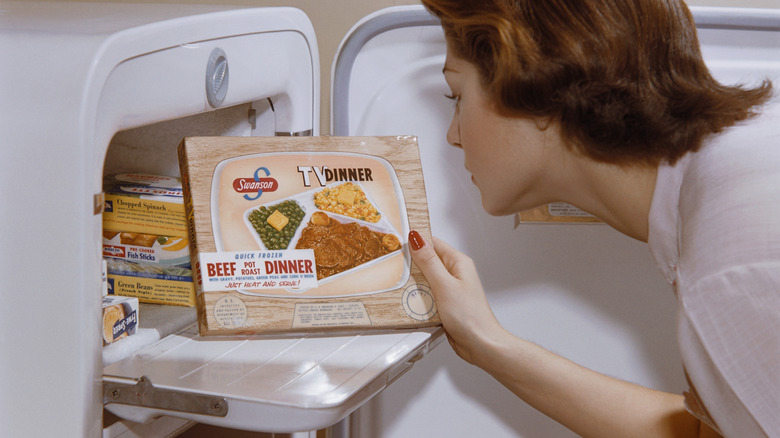
Frozen TV dinners were hugely popular in the 1960s, as the majority of households owned televisions by this time, and more women were in the workforce rather than home cooking meals from scratch. These ready-to-heat marvels, packaged in aluminum trays, made for a truly affordable meal, with prices ranging from $0.39 to $0.50 each.
You only needed pocket change for a loaf of bread
Bread is one of the most common grocery items found on shopping lists, and back in the '60s, one could pick up a loaf for anywhere from $0.25 to $0.39. This made feasting on toast, sandwiches, and milk toast (a once-popular breakfast that's rarely eaten anymore) relatively inexpensive.
You could buy lots of margarine for a slick price
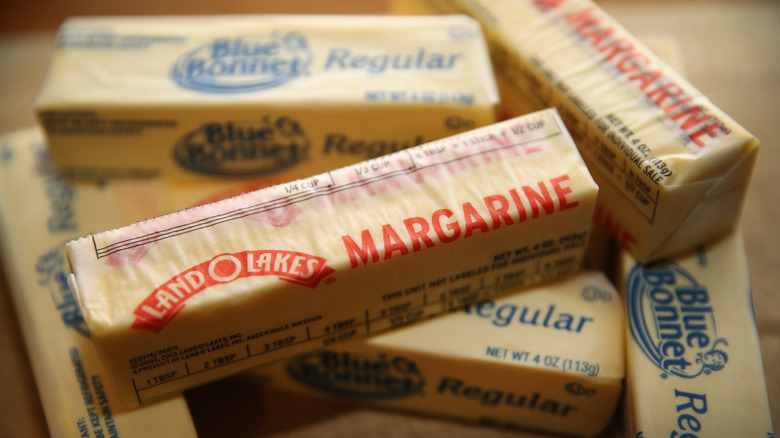
In the 1960s, margarine was widely heralded as a heart-healthy alternative to butter, making its popularity soar among consumers. Back then, one could stock up and buy a whopping 5 pounds of the spread for anywhere from $0.79 to $1.